Exercise and endometriosis: gentle movements for pain relief, plus recovery tips
Apr 24, 2026
Over 1 Million members trust Hinge Health, a digital clinic that provides access to virtual physical therapy, to address their joint and muscle pain.
Reduction in member pain
of licensed physical therapists and health coaches
Average star rating of the Hinge Health mobile app
Bailey JF, et al. Digital Care for Chronic Musculoskeletal Pain: 10,000 Participant Longitudinal Cohort Study. J Med Internet Res 2020;22(5):e18250.
Learn how exercise can help manage endometriosis symptoms, the best low-impact workouts to try, and when to return to activity after surgery.
Available at $0 cost to many members
There are no ifs, ands, or buts about it — endometriosis can make everyday movement feel more challenging, especially during pain flares around your period.
About 10% of women of reproductive age have endometriosis, a condition that can cause significant pelvic pain, cramping, and fatigue. While it can make staying active feel out of the picture, there are plenty of movements that can actually help you feel better.
“Gentle exercises can help with pain and inflammation related to endometriosis by promoting blood flow and releasing feel-good chemicals, like endorphins, that help your body manage pain," says Renee Bullis, PT, DPT, a physical therapist with Hinge Health.
Here’s how regular exercise, especially targeted exercises recommended by Hinge Health physical therapists, can help ease pain from endometriosis.
Reviewed by our clinical and medical experts



Fully Covered Pelvic Care
Find relief from pelvic pain, leakage, muscle weakness, & more.
The connection between movement and endometriosis relief
You’re probably wondering: can exercise help endometriosis? While exercise won’t cure this condition, research suggests it can help ease pain associated with it. It may also help improve your mood and boost overall quality of life.
“Endometriosis is now considered more of a systemic inflammatory condition,” says Dr. Bullis. In other words, it’s not just about your pelvis — inflammation throughout your body can drive symptoms. Movement can help calm that response and ease pain and cramping. Here’s how:
Supports hormone balance. Some research suggests that longer exercise sessions may help lower estradiol, the most biologically active form of estrogen. Because endometriosis is estrogen-dependent, that may be one way regular movement helps support symptom relief.
Reduces inflammation. Because inflammation throughout the body can contribute to endometriosis symptoms, finding ways to tame that inflammation is important. Regular movement has anti-inflammatory effects, which may help ease pain and discomfort over time.
Offers a natural form of pain relief. “Exercise releases endorphins, feel-good chemicals, that help manage how your body perceives pain,” explains Dr. Bullis. It also helps calm your nervous system, which can reduce pain sensitivity and make symptoms feel more manageable.
Improves mood and energy. Fatigue, anxiety, and depression are common with endometriosis — and exercise can help support both your mood and energy levels. “Physical activity, especially when paired with mindfulness, can help shift your nervous system into a more relaxed state. This can help to decrease the nervous system's sensitivity, therefore decreasing pain,” says Dr. Bullis.
Builds strength and flexibility. Targeted exercises help strengthen your core muscles and promote pelvic stability, while also reducing tension patterns that can develop in response to chronic pain. Over time, this can help your body move more comfortably and efficiently.
Best types of exercise for endometriosis
There’s no single best form of exercise for endometriosis. The right routine depends on your symptoms, where you are in your menstrual cycle, and what your body can tolerate on a given day. In general, the most helpful types of movement are the ones that support circulation, reduce tension, improve pelvic floor function, and feel sustainable enough to do consistently. Hinge Health physical therapists often recommend these forms of movement:
Low-impact aerobic activity. Regular low-impact movement, like brisk walking, helps increase blood flow throughout your body, which can support pain relief and help calm inflammation. It can also improve energy, especially if fatigue is one of your symptoms. “Aerobic activity also helps support your mental health, especially if you do it outside and maybe add in a social aspect, like walking with a friend,” says Dr. Bullis. Walking, cycling, swimming, and water aerobics can all be good options if higher-impact activity feels too intense during a pain flare.
Mobility and flexibility work. When you’re in pain, your body naturally tries to protect itself by tightening up. “When you have pelvic pain, your muscles naturally tense up — something that’s known as pelvic guarding,” explains Dr. Bullis. Over time, that tension can spread beyond the pelvis into your hips, glutes (butt muscles), low back, and abdominal muscles. Gentle stretching can help release some of that guarding, reduce strain on the pelvic area, and make movement feel more comfortable overall.
Pelvic floor exercises. Targeted pelvic floor exercises can help improve coordination in the muscles around your pelvis. That matters because with endometriosis, these muscles often become overly tense, guarded, or less coordinated in response to chronic pain. “These targeted pelvic floor muscle exercises can help improve the overall function of the pelvic floor by improving coordination and strength,” says Dr. Bullis. Pelvic floor physical therapy — which often includes breathing, relaxation, and gentle strengthening work — has also been shown to help reduce endometriosis-related pain.
Mind-body connection exercises. Practices like yoga and tai chi can be especially helpful because they combine gentle movement with breathwork and nervous system regulation. “They slow down your nervous system and heart rate,” says Dr. Bullis. That can be especially beneficial if stress tends to worsen your symptoms or if pain has left your body feeling constantly tense. One study found that women who took a twice-weekly, 90-minute online yoga class reported less stress and better quality of life. These types of exercises can also help you reconnect with your body in a way that feels supportive rather than demanding.
Strength training. “You want to strengthen your core and hip muscles, to better support your pelvic floor area,” explains Dr. Bullis. “This may help address tension and muscle guarding, as well as improve your overall pelvic floor function.” Building strength in your hips, glutes, and core can improve stability around the pelvis, reduce muscle imbalances, and help everyday movements feel more comfortable. For many people, starting with bodyweight exercises or low-resistance movements is a good place to begin. Consider working with a licensed physical therapist to help you get started.
Exercises for endometriosis
This deep breathing technique encourages your diaphragm and pelvic floor to move in sync. It helps reduce muscle tension, improve circulation, and calm your nervous system — all of which can help manage pain and discomfort from endometriosis.
Want expert care?
Check if you're covered for our free programThese endometriosis-friendly exercises target the muscles that support your core and pelvis. Moves like cat cow, kneeling hip flexor with overhead reach, pigeon pose, and child’s pose stretch your lower back, hips, and abdominals to ease tension. Reverse Kegels relax the pelvic floor, while abdominal bracing with bent knee fallout strengthens your core. Diaphragmatic breathing helps calm your nervous system and improve coordination.
Together, these exercises can improve pelvic floor function, support core stability, and promote circulation to help reduce discomfort associated with endometriosis.
The information contained in these videos is intended to be used for educational purposes only and does not constitute medical advice or treatment for any specific condition. Hinge Health is not your healthcare provider and is not responsible for any injury sustained or exacerbated by your use of or participation in these exercises. Please consult your healthcare provider with any questions you may have about your medical condition or treatment.
Did you know?
Pelvic floor physical therapy is more than just kegel exercises. Various exercises tailored to your symptoms and needs are key to getting relief. Pelvic floor PT can relieve many different pelvic issues, such as pelvic pain, painful sex, and urinary incontinence.
Members of the Hinge Health pelvic health program experience an average 67% reduction in pelvic pain and 54% reduction in urinary incontinence within the first 12 weeks. Learn more*.
Are there exercises that you should approach with caution?
When it comes to endometriosis and exercise, listening to your body is key. Movement won’t worsen the condition, but certain activities may feel uncomfortable — especially during flare-ups or specific points in your menstrual cycle.
“While there isn't much research to support doing specific types of exercise during each phase of your cycle, responses to different types of exercise are highly individual,” says Dr. Bullis. “Logging exercise and your body's response to exercise throughout your cycle can help you gain insight on what types of exercise might work better for you at different times during the menstrual cycle.”
Many people with endometriosis do well with high-intensity exercise — and it can offer benefits like improved mood, strength, and cardiovascular fitness. But if you notice that certain high-intensity activities tend to flare your symptoms, it can help to experiment with some alternatives:
High-impact activities. Running or jumping can feel jarring during high-pain days. Consider swapping in lower-impact options like walking or cycling when needed.
Intense core exercises. Moves like sit-ups or crunches can increase pressure in your abdomen and pelvic floor. Try slow and controlled core exercises and focusing on your breath instead.
Vigorous yoga. Fast-paced or deep, intense stretches may aggravate symptoms. Slower, restorative styles are often better tolerated.
Heavy lifting with breath-holding. Holding your breath during lifts can increase pressure in your pelvic area. Focus on lighter loads and steady breathing.
Exercising with endometriosis: tips to get started
When you start exercising with endometriosis, it’s especially important to ease into physical activity. Tracking your symptoms, staying flexible with your routine, and getting support when needed can help you stay consistent — even on higher-pain days. Here’s what Hinge Health physical therapists recommend:
Start low and slow. “Start with something your body responds well to, like a breathing meditation or an outdoor walk,” says Dr. Bullis. Begin with shorter sessions (think: 10-15 minutes) at a lower intensity, and gradually build up as you learn what feels best for your body.
Track symptoms and exercise. Log how you feel throughout your cycle alongside your workouts. This can help you spot patterns and adjust accordingly. “This way, you can see if certain times of the month are better for higher-intensity activities,” says Dr. Bullis. Plan tougher workouts for good days and keep gentler options for flare-ups.
Warm up thoroughly. Ease into movement to avoid aggravating tight hip, core, and pelvic floor muscles. Gentle mobility or breathing exercises are a great place to start.
Have a backup plan. If a planned workout feels like too much, switch to something lighter, like stretching or walking. Staying flexible helps you stay consistent without pushing through pain.
Work with a pelvic floor PT. A pelvic health physical therapist can assess your needs and create a personalized plan. “They can help you regain better control of your pelvic floor and find an exercise routine that supports long-term symptom management,” says Dr. Bullis.
Communicate with your care team. Keep your provider informed about your exercise routine, especially if you’re using medication or considering surgery.
Endometriosis surgery and returning to exercise
Surgery isn’t always needed for endometriosis, but it may be recommended if symptoms are severe, not improving with other treatments, or affecting daily life or fertility. Many procedures today are done laparoscopically, a minimally invasive procedure that involves small incisions and a camera.
There’s no one-size-fits-all timeline for returning to exercise after surgery, so it’s important to follow your surgeon’s guidance, including any activity restrictions. Here are some general guidelines:
Initial phase. “Focus on rest and recovery,” says Dr. Bullis. You’ll likely be encouraged to get up and walk as soon as you’re able, which helps improve circulation and reduce the risk of complications like blood clots. The goal here is to gradually increase your movement each day, while keeping things gentle. Listen to your body — if you feel pain or fatigue, scale back.
Middle phase. You may be cleared for low-impact activities like swimming or stationary cycling, but check with your surgeon first.
Later phase, usually after several weeks of usual recovery. Many people can begin returning to their usual activities around this recovery point. It’s important to ease back into higher-impact exercise gradually, paying attention to how your body responds.
Throughout recovery, working with a pelvic floor physical therapist can be especially helpful. “You can even do a video visit within the first few days after surgery,” says Dr. Bullis. “After a couple of weeks, they can guide you through gentle, targeted exercises and help you reintroduce movement to support blood flow and mobility in your pelvic region.”
When to see a doctor
Managing endometriosis is a team effort. Exercise plays a key role, but it’s important to partner with a gynecologist or healthcare provider who understands your condition. Together, you can create a plan that keeps you moving safely while managing symptoms.
PT Tip: Try using a meditation app
“A lot of my endometriosis patients are hesitant to move, especially when they’re in pain,” says Dr. Bullis. “But even if you’re not up for a full workout, you can still support your body by calming your nervous system.”
Try a walking meditation app — for example, you can find a library of walking meditations in the Hinge Health app. “Getting outside, getting movement in, and mindfulness can all help to reduce pain,” Dr. Bullis says.
How Hinge Health can help you
If you have pelvic pain, bladder, bowel, or other pelvic symptoms that are affecting your quality of life, you can get the relief you've been looking for with Hinge Health’s online exercise therapy program.
The best part: You don’t have to leave your home because our program is digital. That means you can easily get the care you need through our app, when and where it works for you. Through our program, you’ll have access to therapeutic exercises and stretches for your condition. Additionally, you’ll have a personal care team to guide, support, and tailor our program to you.
See if you qualify for Hinge Health and confirm free coverage through your employer or benefit plan here.
This article and its contents are provided for educational and informational purposes only and do not constitute medical advice or professional services specific to you or your medical condition.
Looking for pain relief? Check if your employer or health plan covers our program.
Join more than 1.2 million members and over 2,800 companies that trust Hinge Health to get relief.
Related articles
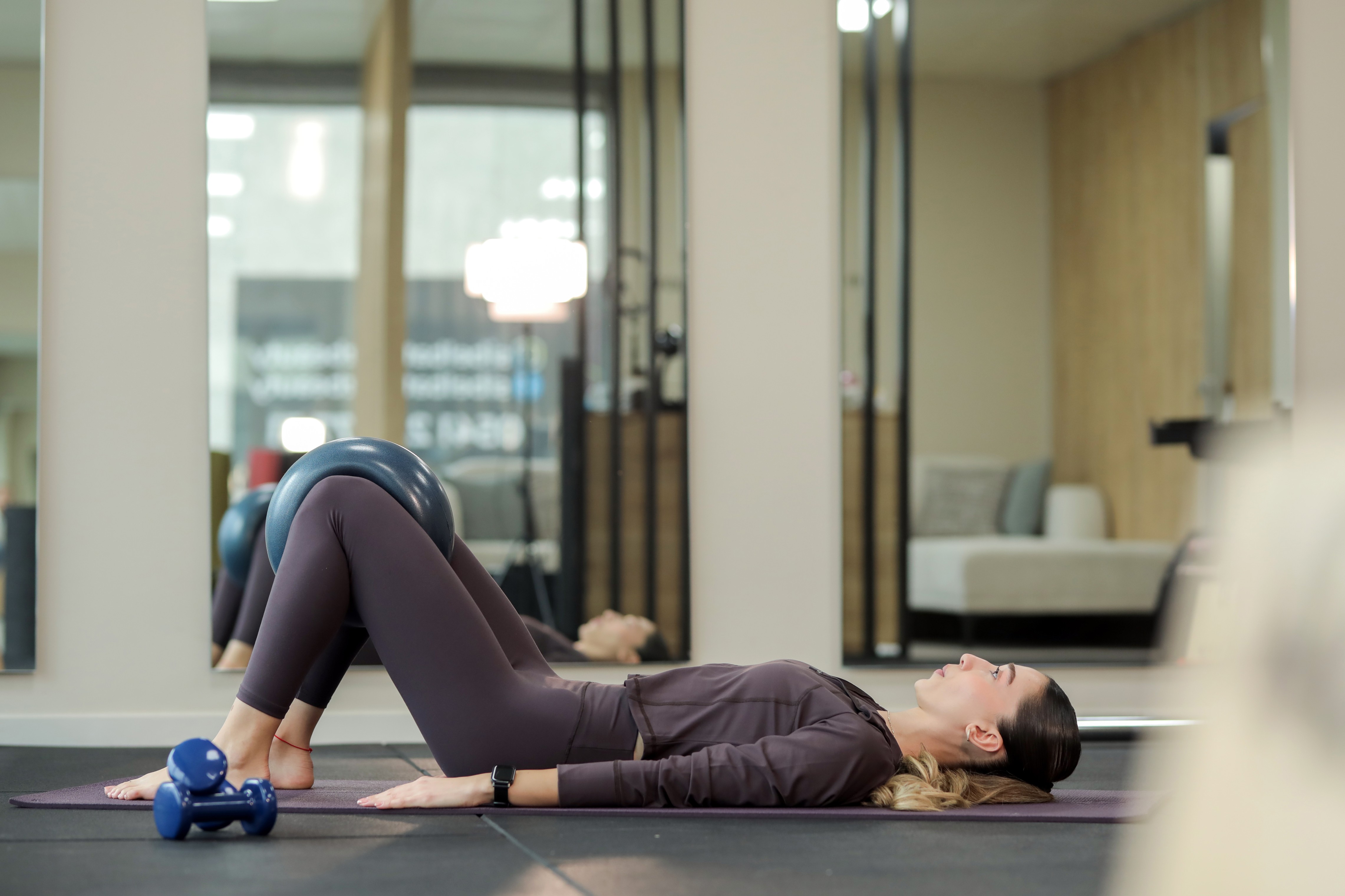
Learn how pelvic floor physical therapy can help relieve endometriosis pain, improve function, and support bladder, bowel, and pelvic health.
Read more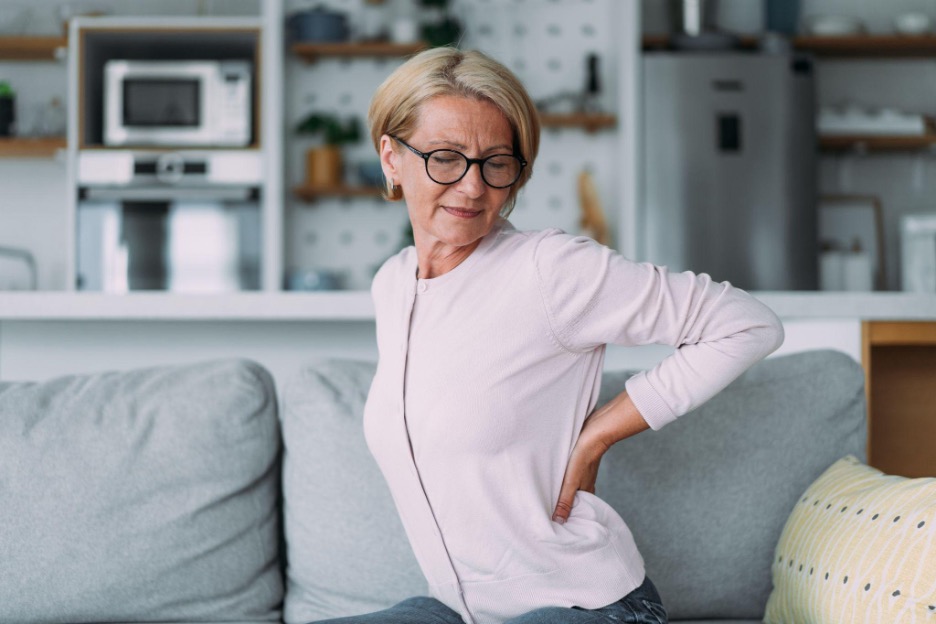
Discover gentle exercises for ankylosing spondylitis that reduce pain and stiffness. Get Hinge Health physical therapist tips for staying active with AS.
Read more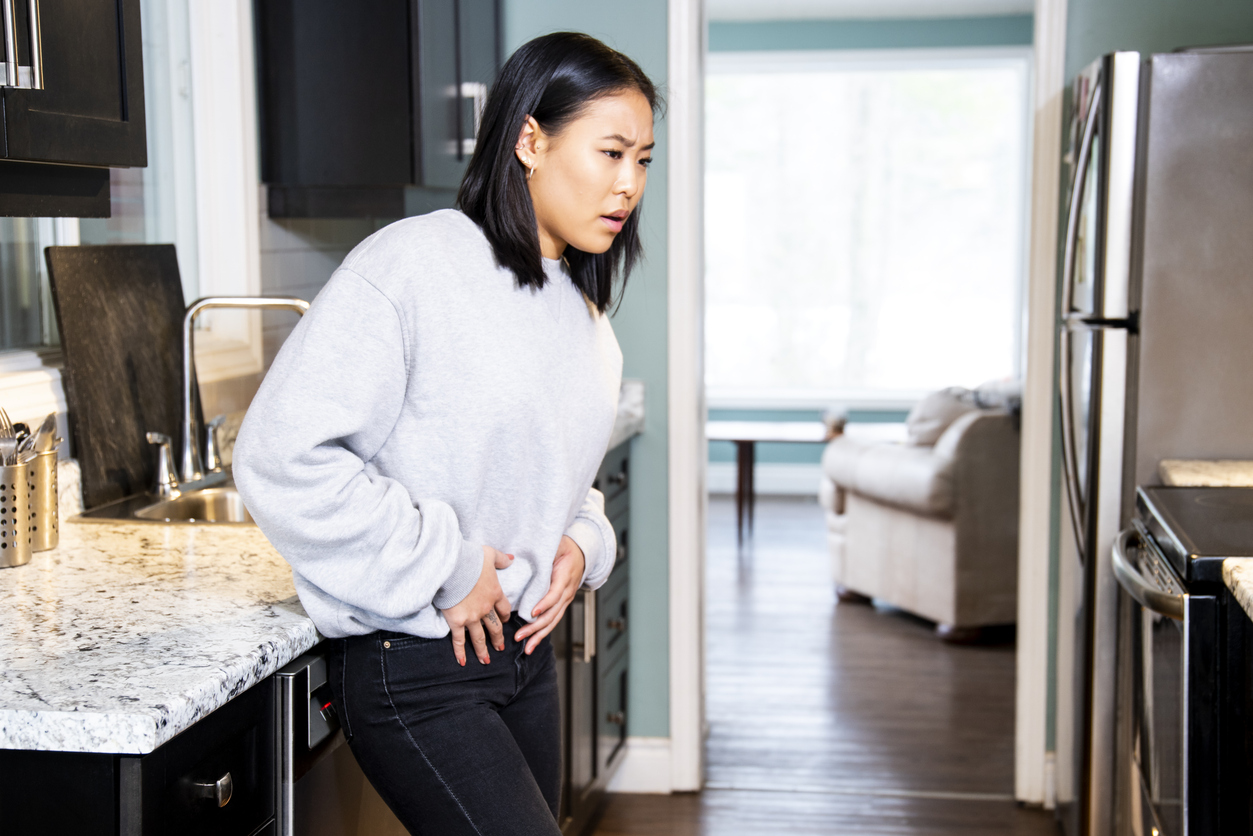
Learn about the symptoms of hip pain before your period and how you can treat them, according to physical therapists.
Read more
Discover how engaging in exercise during your period can benefit your body and mind, plus get tips on adjusting your workouts for comfort.
Read more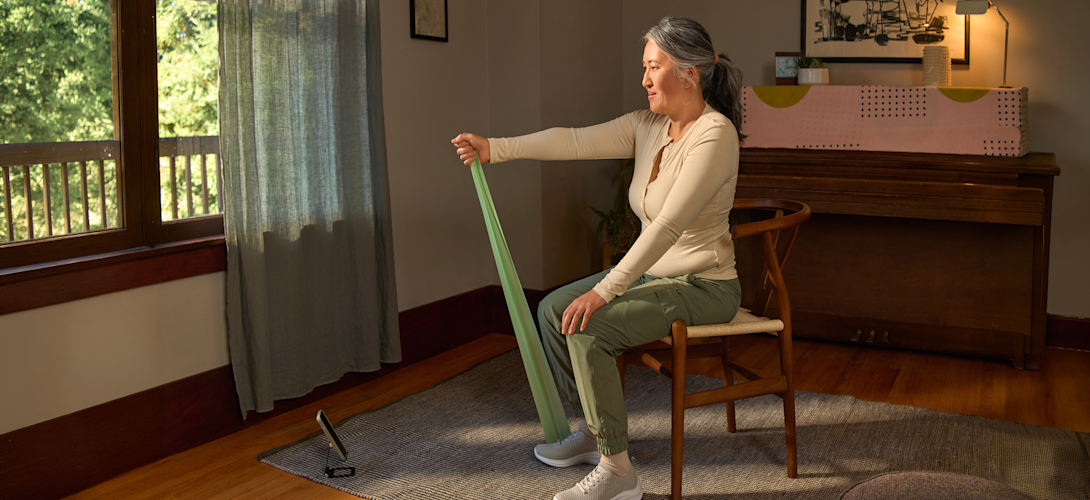
Exercise therapy is similar to physical therapy. Learn how it can help reduce your pain, build strength, and get you back to doing the things you love.
Read more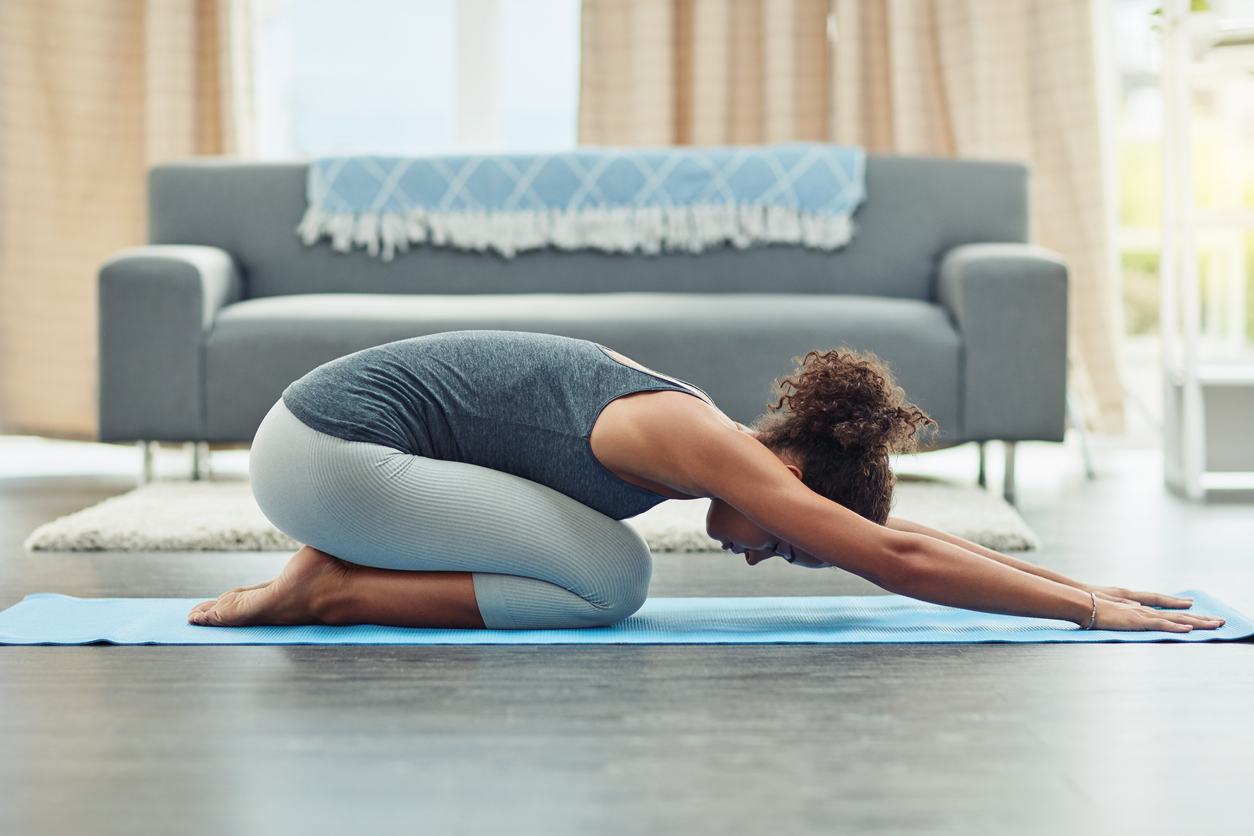
Learn the benefits of exercise during your period, and the best exercises physical therapists recommend for cramp relief.
Read moreReferences
- 1Słojewska, K., Galbarczyk, A., Klimek, M., Blukacz, M., & Jasienska, G. (2025). Physical Activity and Sex Steroid Hormones in Women: A Prospective Study. American Journal of Human Biology, 37(12). doi:10.1002/ajhb.70184
- 2Ramin-Wright, A., Schwartz, A. S. K., Geraedts, K., Rauchfuss, M., Wölfler, M. M., Haeberlin, F., von Orelli, S., Eberhard, M., Imthurn, B., Imesch, P., Fink, D., & Leeners, B. (2018). Fatigue – a symptom in endometriosis. Human Reproduction, 33(8), 1459–1465. doi:10.1093/humrep/dey115
- 3Hartmann, T. E., Baker, K. A., & Girard, D. (2025). Is exercise duration more important than intensity in endometriosis? BMC Women’s Health, 25(1), 625–625. doi:10.1186/s12905-025-04160-w
- 4Koller, D., Pathak, G. A., Wendt, F. R., Tylee, D. S., Levey, D. F., Overstreet, C., Gelernter, J., Taylor, H. S., & Polimanti, R. (2023). Epidemiologic and Genetic Associations of Endometriosis With Depression, Anxiety, and Eating Disorders. JAMA Network Open, 6(1), e2251214. doi:10.1001/jamanetworkopen.2022.51214
- 5Cleveland Clinic. (2022, September 13). Endometriosis Surgery: Procedures, Recovery & Results. Cleveland Clinic. https://my.clevelandclinic.org/health/treatments/4620-endometriosis-surgery
- 6Chantalat, E., Valera, M.-C., Vaysse, C., Noirrit, E., Rusidze, M., Weyl, A., Vergriete, K., Buscail, E., Lluel, P., Fontaine, C., Arnal, J.-F., & Lenfant, F. (2020). Estrogen receptors and endometriosis. International Journal of Molecular Sciences, 21(8), 2815. doi:10.3390/ijms21082815
- 7P. Kent Langston, Sun, Y., Ryback, B., Mueller, A. L., Spiegelman, B. M., Benoist, C., & Mathis, D. (2023). Regulatory T cells shield muscle mitochondria from interferon-γ–mediated damage to promote the beneficial effects of exercise. Science Immunology, 8(89). doi:10.1126/sciimmunol.adi5377
- 8Can, G., Pinto, I., Boglárka Fehér, Enikő Pálma Orbán, Péter Fehérvári, Ferenc Bánhidy, Hegyi, P., Mayer, Á. A., & Nándor Ács. (2025). Physiotherapy for endometriosis-associated pelvic pain: A systematic review and meta-analysis. Pain Medicine. doi:10.1093/pm/pnaf083