Ankylosing spondylitis exercises: gentle movements for pain relief and mobility
By Marcus Ainsworth, PT, DPT · May 13, 2026

Over 1 Million members trust Hinge Health, a digital clinic that provides access to virtual physical therapy, to address their joint and muscle pain.
Reduction in member pain
of licensed physical therapists and health coaches
Average star rating of the Hinge Health mobile app
Bailey JF, et al. Digital Care for Chronic Musculoskeletal Pain: 10,000 Participant Longitudinal Cohort Study. J Med Internet Res 2020;22(5):e18250.
Discover gentle exercises for ankylosing spondylitis that reduce pain and stiffness. Get Hinge Health physical therapist tips for staying active with AS.
Available at $0 cost to many members
If you have ankylosing spondylitis (AS), you already know what morning stiffness feels like — your back may take a little extra time to loosen up, and some days are stiffer than others. When everyday movements feel uncomfortable, you may wonder if exercise is still a good idea.
Much like any joint and muscle condition, movement isn't something to avoid if you have ankylosing spondylitis — it's actually one of the most effective ways to feel better. "Motion is lotion for your joints and muscles," says Marcus Ainsworth, PT, DPT, a physical therapist at Hinge Health. "Even small, consistent movement throughout the day can make a noticeable difference in how your body feels."
Regular movement helps keep your joints moving smoothly, reduces stiffness, and helps ease overall discomfort linked to AS. The key is finding the right types and amounts of movement for where your body is right now — and building from there.
With the right mix of gentle exercises and simple strategies, you can stay active, reduce symptoms, and feel more comfortable in your daily life. Read on to learn more about how to exercise with ankylosing spondylitis, especially with gentle targeted exercises recommended by Hinge Health physical therapists.
Reviewed by our clinical and medical experts




Fully covered pain relief
Find relief from muscle and joint pain.
What is ankylosing spondylitis?
Ankylosing spondylitis is a type of inflammatory arthritis that primarily affects your spine and sacroiliac (SI) joints. Over time, inflammation can lead to gradual changes in the vertebrae (bones) in your spine, which may result in increased stiffness — and in some cases, reduced mobility between joints.
This can lead to symptoms like:
Morning stiffness lasting 30 minutes or more (compared to less than 30 minutes for typical back pain)
Reduced flexibility
Back pain that improves with movement
Fatigue
You may be wondering if there's any way to cure ankylosing spondylitis naturally. AS is a chronic condition — but it's one that responds well to consistent, gentle movement. Many people with AS find that the right activity plan helps them feel significantly better and stay active long-term.
How movement can help ankylosing spondylitis
If your back feels stiff or uncomfortable, resting might seem like the best option. But with AS, similar to other pain conditions, the opposite is often true: symptoms tend to improve with movement. Exercise helps:
Increase flexibility, reduce stiffness, and keep your spine mobile
Improve circulation and reduce flare-ups
Support joint lubrication and reduce nerve sensitivity to pain
It can also help ease muscle tension. When joints don’t get moved for a while, surrounding soft tissues like muscles, tendons, and ligaments may physically tighten up, adding to that feeling of stiffness. Movement helps break that cycle by encouraging the body to relax and your joints to move through their available range of motion.
"Consistency matters more than intensity," Dr. Ainsworth says. Gentle, regular movement (daily if you can) is often more effective than occasional, intense workouts.
Targeted ankylosing spondylitis exercises can help you maintain your mobility, reduce overall stiffness, and may even make everyday activities more comfortable.
Gentle exercises for ankylosing spondylitis
This exercise helps maintain spinal rotation, which can become limited with ankylosing spondylitis. "Gently twisting your upper back helps keep your thoracic spine and rib cage mobile, making everyday movements like reaching and turning feel easier," Dr. Ainsworth says.
Want expert care?
Check if you're covered for our free programThese exercises for ankylosing spondylitis work together to improve spinal mobility, build strength in supporting muscle groups, and support comfortable posture — all of which are key for managing stiffness and discomfort. Combining mobility and strengthening exercises helps you move more comfortably and independently over time.
"Start slowly, stay consistent, and build gradually as your body adapts," Dr. Ainsworth says.
The information contained in these videos is intended to be used for educational purposes only and does not constitute medical advice or treatment for any specific condition. Hinge Health is not your healthcare provider and is not responsible for any injury sustained or exacerbated by your use of or participation in these exercises. Please consult with your healthcare provider with any questions you may have about your medical condition or treatment.
💡Did you know?
Physical therapy (PT) is for more than just recovering from surgery or injury. It’s one of the top treatments for joint and muscle pain. It helps build strength, improve mobility, and reduce pain. And it doesn't always need to be in person.
Hinge Health members can conveniently access customized plans or chat with their care team at home or on the go — and experience an average 68% reduction in pain* within the first 12 weeks of their program. Learn more*.
Adapting exercises for ankylosing spondylitis
You don't need to avoid any exercise with AS — but some activities may benefit from modification depending on your symptoms, especially during flare-ups. "It's less about avoiding movement and more about choosing the right movement for where your body is right now, and building from there," says Dr. Ainsworth. (Note: It's always a good idea to talk to your doctor before significantly increasing your exercise.)
Try lower-impact options. Higher-impact activities like running and jumping ask more of your joints and may feel uncomfortable during flares. Walking, cycling, or swimming can be a great way to keep moving while your body recovers.
Consider non-contact activities. "Activities like football or hockey involve more unpredictable movements and contact, so it's worth being mindful — especially if your spine feels stiff or less mobile," Dr. Ainsworth says. Consider modifications or protective strategies if you enjoy these sports.
Be thoughtful with heavy loads. Lifting is a great way to build strength, but it helps to pay attention to your technique and how much load you're working with. Consider working with a physical therapist — they can help you adjust your approach and find the right level for what your body is ready for.
Ease up on deep bending and twisting during flares. "These movements may be less comfortable during flares, especially if your spine is stiff," Dr. Ainsworth says. You might encounter these in tennis or golf. Focus on comfortable ranges of motion and build back gradually.
"Keep in mind, movement is highly individual," adds Dr. Ainsworth. "If something feels good for you and doesn't worsen your symptoms, it may still be appropriate."
Tips to manage ankylosing spondylitis through movement
"Your goal is to find a level of movement that feels good and sustainable for you," says Dr. Ainsworth. Small adjustments to how and when you move can make a big difference in managing ankylosing spondylitis symptoms. The key is to stay consistent while listening to what your body needs. Consider these simple strategies:
Exercise during your best time of day. Many people with AS feel the stiffest in the morning. "It can take time for your joints and muscles to warm up," says Dr. Ainsworth. You may find that everyday activities feel easier later in the day, or after you've had time to move around.
Use heat before movement. Applying heat — like a warm shower, bath, or heating pad — can help relax muscles and improve joint mobility. "Heat can make it easier to get moving by reducing that initial stiffness," explains Dr. Ainsworth.
Stay consistent. Regular, gentle movement is more effective than short bursts of intense physical activity. "Movement is one of the best tools you have to manage your AS symptoms," says Dr. Ainsworth. Even short bouts of activity throughout the day can help keep your spine moving comfortably.
Change positions regularly. AS can make it easy to settle into one position for too long. Making sure to change positions (like alternating sitting and standing) throughout the day helps your spine stay mobile.
Practice deep breathing exercises. Ankylosing spondylitis can affect the joints where your ribs meet your spine, which may limit chest expansion. "Breathing exercises, such as diaphragmatic breathing, help keep your rib cage mobile, which is important since ankylosing spondylitis can limit how much your chest expands," says Dr. Ainsworth. This can make breathing feel easier and support overall upper body mobility.
Find your movement sweet spot. Aim for activity that challenges you without significantly increasing pain. "There's a balance between doing too little and too much," says Dr. Ainsworth. Listen to your body, pay close attention to how it responds to changes in activity, and adjust as needed.
Give yourself options during flares. In the height of a pain flare, you may not feel like moving as much — and that's okay. A warm bath, shower, or heating pad can help ease discomfort. If movement feels manageable, try gentle motions in whatever range is comfortable. And on days when even that feels like too much, breathing exercises, meditation, or simply visualizing yourself moving (sometimes called graded motor imagery) can help keep your brain and body connected while you recover.
Treatments for ankylosing spondylitis
AS doesn't just affect your back — it can also make other areas such as your hips and shoulders feel stiff and generally harder to move, too. "Exercise works best as part of a bigger plan," says Dr. Ainsworth. "When you combine it with the right medical care and daily habits, you'll see the most benefit." Apart from medications your doctor may prescribe, there are at-home approaches that can help manage symptoms.
These include:
Try physical therapy and targeted exercises. Targeted exercises, such as the ones above, help keep your back and surrounding muscles mobile and comfortable to move. You can do exercise therapy at home or work with a physical therapist who can guide you through movements tailored to your needs. You can see a physical therapist in person or use a program like Hinge Health, where you may access a PT via telehealth/video visit.
Stay active. Targeted exercises are designed to help with recovery, but any type of movement — like walking, stretching, yoga, or even household chores — can improve blood flow and help your body feel better. Find what feels comfortable for you to do on a regular basis so you can keep your muscles warm and joints moving well.
Consider over-the-counter (OTC) medication. Pain relievers such as ibuprofen (Advil, Motrin), naproxen (Aleve), and acetaminophen (Tylenol) can help ease discomfort so you can do your targeted exercises and stay active when you have symptoms related to AS. Other options are topical NSAIDs or pain relief creams. If you have additional medical conditions or take other medications, check in with your provider to make sure these OTC options are safe to take.
Apply heat or cold therapy. "Most people with AS prefer heat therapy, especially if they're dealing with stiffness," Dr. Ainsworth says. However, some people find relief from alternating between an ice pack and heating pad. Consider trying both, or stick to the method that works best for you.
Prioritize nutrition. Eating a balanced, nutrient-rich diet supports your body's natural healing processes. Focus on foods like fruits, vegetables, fatty fish, nuts, seeds, and whole grains. These foods help support your body's recovery and offer nutrients like omega-3 fatty acids and vitamins C and D.
Consider lifestyle modifications. Factors like sleep, stress, nutrition, and certain activities can all play a role in how you feel. Many people are surprised to learn that pain isn't just about what's happening physically — your daily habits and overall well-being can have a real impact, too. Staying curious about how your routines affect your body can help you identify where small changes might make a difference. For example, you might notice your symptoms are less noticeable on low-stress days.
Try complementary treatments. Talk to your provider if you're interested in trying alternative approaches for back pain relief, such as massage or acupuncture.
Ask about TENS therapy. TENS, or transcutaneous electrical nerve stimulation, uses gentle pulses to quiet your pain response and help reduce discomfort associated with conditions like AS. One option is the wearable device Enso, available through Hinge Health. It's small, wireless, and portable.
When to see a doctor
Managing ankylosing spondylitis is a team effort. Exercise plays a key role, but it's important to partner with a rheumatologist or healthcare provider who understands your condition. Together, you can create a plan that keeps you moving comfortably while managing symptoms.
PT tip: Find types of movement you enjoy
One of the most important things you can do? Find forms of movement you look forward to doing. "Find something you enjoy that involves movement," says Dr. Ainsworth. "If you enjoy it, you're more likely to stick with it."
Consistency is key when managing ankylosing spondylitis, and you're much more likely to stay consistent if movement feels good, rather than like a chore. Whether it's yoga, walking, swimming, or even dancing, the best exercise is the one you'll keep coming back to.
"Movement doesn't have to look a certain way to be effective," adds Dr. Ainsworth. "What matters most is that you're doing it regularly and it works for your body."
How Hinge Health can help you
If you have pelvic pain or symptoms that are affecting your quality of life, you can get the relief you've been looking for with Hinge Health’s online exercise therapy program.
The best part: You don’t have to leave your home because our program is digital. That means you can easily get the care you need through our app, when and where it works for you.
Through our program, you’ll have access to therapeutic exercises and stretches for your condition. Additionally, you’ll have a personal care team to guide, support, and tailor our program to you.
See if you qualify for Hinge Health and confirm free coverage through your employer or benefit plan here.
This article and its contents are provided for educational and informational purposes only and do not constitute medical advice or professional services specific to you or your medical condition.
Looking for pain relief? Check if your employer or health plan covers our program.
Join more than 1.2 million members and over 2,800 companies that trust Hinge Health to get relief.
Related Articles
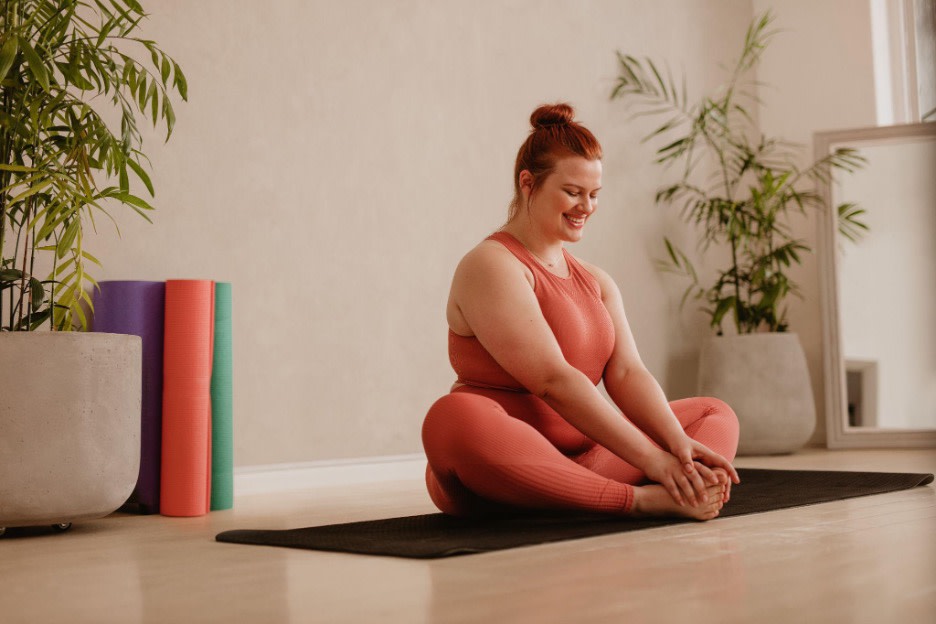
Learn how exercise can help manage endometriosis symptoms, the best low-impact workouts to try, and when to return to activity after surgery.
Read more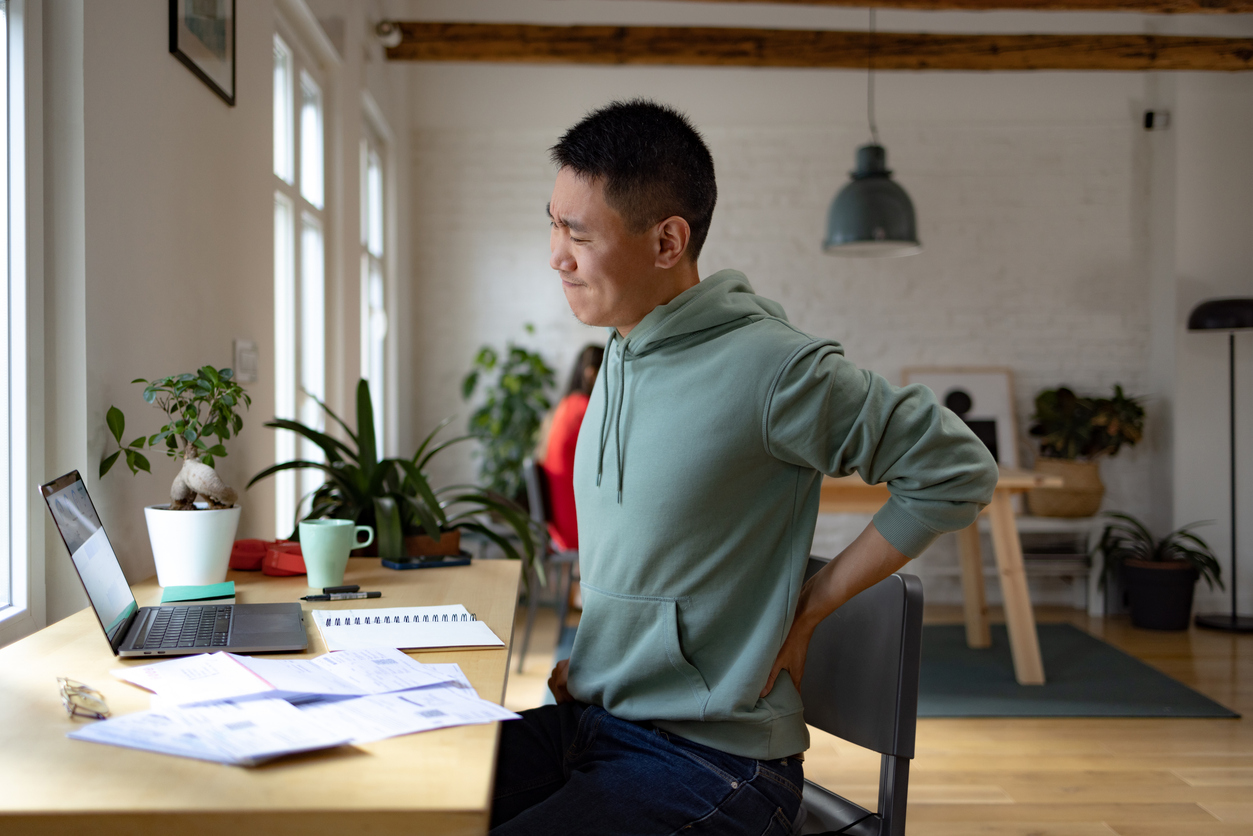
Mid-back (thoracic) pain can cause stiffness and soreness. Learn how to ease this type of discomfort with gentle exercises recommended by physical therapists.
Read more
Muscle pain, or myalgia, has many causes, from stress to the flu. Find relief with simple treatments, including gentle stretches recommended by physical therapists.
Read more
Discover the causes, symptoms, and treatment options for musculoskeletal pain, plus tips and exercises for managing discomfort and staying active.
Read more
Learn about back arthritis and get tips to manage the pain, including simple exercises from physical therapists to improve mobility.
Read more
Hip tendonitis pain can keep you from staying active. Try these 6 physical therapist-recommended exercises and stretches to help ease symptoms.
Read moreReferences
- 1The Diagnostic Prevalence of AS and axSpA Are Rising in the U.S. What Does It Mean? - Spondylitis Association of America - Ankylosing Spondylitis. (2024, November 20). Spondylitis Association of America - Ankylosing Spondylitis. https://spondylitis.org/spondylitis-plus/the-diagnostic-prevalence-of-as-and-axspa-are-rising-in-the-u-s-what-does-it-mean/
- 2Zhu, W., He, X., Cheng, K., Zhang, L., Chen, D., Wang, X., Qiu, G., Cao, X., & Weng, X. (2019). Ankylosing spondylitis: etiology, pathogenesis, and Treatments. Bone Research, 7(1), 1–16. doi:10.1038/s41413-019-0057-8
- 3Luo, Y., Chen, Y., Yan, X., Zhang, L., Shang, Y., & Seo, J. C. (2024). Effectiveness of exercise intervention in relieving symptoms of ankylosing spondylitis: A network meta-analysis. PloS One, 19(6), e0302965. doi:10.1371/journal.pone.0302965
- 4Regnaux, J.-P., Davergne, T., Palazzo, C., Roren, A., Rannou, F., Boutron, I., & Lefevre-Colau, M.-M. (2019). Exercise programmes for ankylosing spondylitis. Cochrane Database of Systematic Reviews, 10(10). doi:10.1002/14651858.cd011321.pub2
- 5Agrawal, P., Tote, S., & Bhagyesh Sapkale. (2024). Diagnosis and Treatment of Ankylosing Spondylitis. Cureus, 16(1). doi:10.7759/cureus.52559
- 6Shelton, R. C., Sloan Manning, J., Barrentine, L. W., & Tipa, E. V. (2013). Assessing Effects of l-Methylfolate in Depression Management: Results of a Real-World Patient Experience Trial. The Primary Care Companion for CNS Disorders, 15(4). doi:10.4088/PCC.13m01520
- 7Michał Wiciński, Fajkiel-Madajczyk, A., Kurant, Z., Liss, S., Szyperski, P., Szambelan, M., Bartłomiej Gromadzki, Iga Rupniak, Maciej Słupski, & Iwona Sadowska-Krawczenko. (2024). Ashwagandha’s Multifaceted Effects on Human Health: Impact on Vascular Endothelium, Inflammation, Lipid Metabolism, and Cardiovascular Outcomes—A Review. Nutrients, 16(15), 2481–2481. doi:10.3390/nu16152481