
Over 1 Million members trust Hinge Health, a digital clinic that provides access to virtual physical therapy, to address their joint and muscle pain.
Reduction in member pain
of licensed physical therapists and health coaches
Average star rating of the Hinge Health mobile app
Bailey JF, et al. Digital Care for Chronic Musculoskeletal Pain: 10,000 Participant Longitudinal Cohort Study. J Med Internet Res 2020;22(5):e18250.
Learn about patellar tracking disorder causes, symptoms, and treatments. Most cases improve with targeted exercises and PT—surgery is rarely needed.
Available at $0 cost to many members
Most of the time, your kneecap — technically known as the patella — glides smoothly within a groove in your knee joint. Sometimes, though, the movement pattern can change. This is a condition called patellar tracking disorder. While this can be uncomfortable, it's a signal your body needs support, not a sign of damage or that something is permanently wrong.
Like most types of knee pain, "patellar tracking disorder is highly treatable with targeted exercises and physical therapy," says Courteney Kemp, PT, DPT, a physical therapist at Hinge Health. "The path to recovery involves building strength and retraining the muscles that support the kneecap, so you can return to the activities you enjoy." Surgery is rarely needed.
Read on to learn what contributes to patellar tracking disorder, ways to prevent it, and how to treat it, including PT-recommended exercises from Hinge Health physical therapists.
Reviewed by our clinical and medical experts


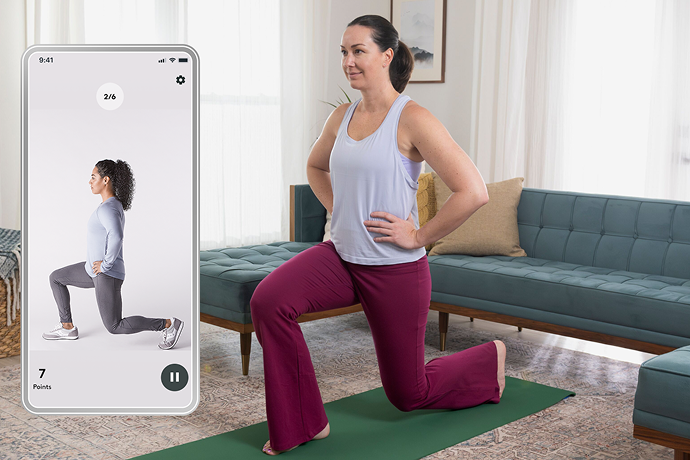
Fully covered knee pain relief
Find relief from knee pain, knee locking, stiff knees, & more.
What is patellar tracking disorder?
"Patellar tracking disorder describes a change in how your kneecap moves," says Dr. Kemp. Instead of gliding smoothly in the groove on the femur (thighbone) as you bend and straighten your knee, the movement pattern shifts." Think of it like a train running on its tracks: the kneecap is like the train, and the groove in the bone acts as the tracks. Patellar tracking disorder can happen when the train isn't running as smoothly along the tracks as usual — often because the muscles guiding it need more support or coordination.
This change in movement can make activities like climbing stairs, doing squats, or even sitting uncomfortable or painful. You might also feel your kneecap shift or click.
"People often worry this is a sign of damage or that they're wearing out their cartilage, but that's not typically the case," says Dr. Kemp. "These sensations are your body's way of telling you it needs support. Movement is medicine and is important for your recovery."
Causes of patellar tracking disorder
Patellar tracking disorder can result from a variety of factors. Most are modifiable through targeted exercise and movement training. Here’s a closer look at contributing factors:
Muscle imbalances. The hip muscles, glutes, and quadriceps help support and stabilize the knee — and they play a direct role in how your kneecap moves. Your kneecap sits within the quadriceps tendon, so your quad muscles help guide the kneecap itself. Your hip and glute muscles help position the thighbone, which contains the groove the kneecap glides through. 'When some of these muscles are weaker or not working together as efficiently, it can affect how the kneecap moves,' says Dr. Kemp."
Tight muscles or connective tissue. Just as the muscles around your knee help guide the kneecap and position the groove it moves through, tightness in those same tissues can affect tracking. For example, tightness in the IT band or hip flexors can influence how the thighbone is positioned, while tightness in the quadriceps or tendons can change how the kneecap moves within its groove.
Movement patterns. When the knees move inward while walking, running, jumping, or squatting, it can change the forces through the knee joint. These movement patterns are often associated with muscle imbalances or tightness.
Changes in activity. Rapid increases in exercise intensity or starting a new activity, like pickleball with quick directional changes or basketball with frequent jumping, can be more than your knee is ready for at that moment. Even switching running surfaces can contribute.
Anatomical variations. Some people are born with natural variations in knee structure — like a shallower groove or different alignment — that can make tracking changes more likely. These are normal differences, and targeted exercises can still make a big impact.
Previous knee injury. Past injuries can change how your muscles activate and how your knee moves, but these patterns can be retrained with exercise.
Symptoms of patellar tracking disorder
The most common symptom is usually dull, aching pain under or around the kneecap, especially with stairs, squatting, or prolonged sitting. Other symptoms include:
Benign sensations like clicking, popping, grinding, or catching — with or without pain
Instability or feeling like the knee might "give way"
Pain that worsens with activity and improves with rest
Visible shifting of the kneecap
How movement can help patellar tracking disorder
When your knee hurts, it's natural to think you should stop moving it, but movement is medicine.
"Movement is the most effective strategy for treating patellar tracking disorder," says Dr. Kemp. "General movement increases lubrication and supports joint health. Exercise therapy strengthens muscles that support the kneecap, improves coordination, rebalances forces on the joint, and reduces pain."
Physical therapy and targeted exercises can also address pain with specific movements, such as squatting, by improving muscle coordination and retraining movement patterns.
Exercises for patellar tracking disorder
This exercise works the side hip muscles. These muscles help position the thighbone — and the groove your kneecap glides through. “Strengthening them supports smoother patellar tracking,” says Dr. Kemp."
Want expert care?
Check if you're covered for our free programWith consistency, these exercises can improve strength, flexibility, and mobility, leading to smoother patellar tracking.
The information contained in these videos is intended to be used for educational purposes only and does not constitute medical advice or treatment for any specific condition. Hinge Health is not your healthcare provider and is not responsible for any injury sustained or exacerbated by your use of or participation in these exercises. Please consult with your healthcare provider with any questions you may have about your medical condition or treatment.
Did you know?
Physical therapy (PT) is for more than just recovering from surgery or injury. It’s one of the top treatments for joint and muscle pain. It helps build strength, improve mobility, and reduce pain. And it doesn't always need to be in person.
Hinge Health members can conveniently access customized plans or chat with their care team at home or on the go — and experience an average 68% reduction in pain* within the first 12 weeks of their program. Learn more*.
Treatments for patellar tracking disorder
Most cases improve with conservative care, such as exercise, movement modification, and therapies like ice and taping to help manage symptoms. Patellar tracking disorder surgery is rarely needed and typically only considered if you don't get relief after several months of physical therapy.
Here are treatments recommended by Hinge Health physical therapists.
Try physical therapy and targeted exercises. Targeted exercises strengthen the muscles that support kneecap movement and help restore better coordination. You can do exercise therapy at home or work with a physical therapist who can assess your movement patterns and guide you through exercises tailored to your needs. "Physical therapists can help you engage the right muscles and retrain movement patterns to relieve pain," says Dr. Kemp. You can see a physical therapist in person or use a program like Hinge Health, where you may access a PT via telehealth/video visit.
Modify your activities temporarily. "Instead of letting pain stop you from doing an activity, adjust how you're doing it and focus on what you can do," says Dr. Kemp. For example, take stairs one at a time, temporarily reduce running distance, or modify the depth of your squats while you build strength and capacity. You want to find what Hinge Health physical therapists call your “movement sweet spot,” the amount, intensity, or range of motion that allows you to stay active without worsening symptoms.
Stay active. Prolonged sitting can also increase symptoms. If you have a desk job, drive long distances, or fly frequently, get up and move about every 45 minutes, more often if needed. Movement increases joint fluid and reduces tightness, easing discomfort and promoting healing.
Apply ice. Ice can help reduce pain and swelling around the knee joint, especially after activity.
Consider over-the-counter (OTC) medication. Pain relievers such as ibuprofen (Advil, Motrin), naproxen (Aleve), and acetaminophen (Tylenol) can help ease pain so you can do your targeted exercises and stay active. If you have a medical condition or take other medications, check with your provider to ensure these OTC options are safe for you.
Try patellar taping or bracing (if recommended). "Taping or a brace can help manage symptoms by supporting the kneecap, but they won't fix patellar tracking disorder," says Dr. Kemp. "You need to strengthen and stretch to address the underlying contributors for long-term relief."
How to prevent patellar tracking disorder
Staying strong, flexible, and active can help prevent patellar tracking disorder and promote joint health. Here's what Hinge Health physical therapists recommend.
Maintain hip and glute strength. These muscles help support leg alignment and knee function.
Gradually progress your activities. Sudden increases in duration or intensity can be more than your knee is ready for at that moment. Starting slowly and progressing gradually allows your body time to adapt and build capacity.
Pay attention to your movement patterns. Work with a PT to identify and adjust movement habits that may contribute to knee discomfort.
Address muscle tightness. Regularly stretching your hip flexors, IT band, quadriceps, hamstrings, and calves helps maintain flexibility and supports better kneecap movement.
Take movement breaks. Breaking up prolonged sitting lubricates your knees and prevents muscle tightness. Move every 30-45 minutes, even if it's just fidgeting or doing knee extensions in your seat.
Wear appropriate footwear. Supportive shoes for your activities can help maintain better alignment and support knee joint health, especially when doing repetitive activities like running.
How is patellar tracking disorder diagnosed?
Patellar tracking disorder is typically diagnosed through a physical exam. A provider will assess how your kneecap moves, along with your strength, flexibility, and movement patterns. This patellar tracking disorder test typically includes observing your gait, checking for muscle imbalances, and evaluating range of motion. Imaging is usually only needed to rule out other conditions.
What happens if patellar tracking disorder goes untreated?
"Symptoms may persist or worsen over time without treatment, making activities increasingly uncomfortable," says Dr. Kemp. In some cases, continuing with movements that are beyond what your knee can handle may contribute to ongoing discomfort. Reduced activity can also affect your overall health and well-being.
But don't worry if you waited. "It's never too late to start treatment," says Dr. Kemp. "Even long-standing cases typically respond well to targeted exercises."
When to see a doctor
Patellar tracking disorder often improves with targeted exercises and at-home treatment. But if your knee pain is severe, getting worse, or causing difficulty with daily activities, see a healthcare provider or physical therapist.
It's also a good idea to get care if you have:
Sudden, sharp pain or a popping sensation
Knee locking or buckling
Significant swelling that doesn't improve
Trouble bending or straightening your knee
Difficulty bearing weight
Pain that doesn't improve after 4-6 weeks of targeted exercises
PT tip: Think beyond the knee
"What's going on above and below the knee affects its function," says Dr. Kemp. "It's all part of a chain." That's why building hip, glute, and quad strength above and improving calf flexibility below can help relieve pain and improve function.
How Hinge Health can help you
If you have joint or muscle pain that makes it hard to move, you can get the relief you’ve been looking for with Hinge Health’s online exercise therapy program.
The best part: You don’t have to leave your home because our program is digital. That means you can easily get the care you need through our app when and where it works for you.
Through our program, you’ll have access to therapeutic exercises and stretches for your condition. Additionally, you’ll have a personal care team to guide, support, and tailor our program to you.
See if you qualify for Hinge Health and confirm free coverage through your employer or benefit plan here.
This article and its contents are provided for educational and informational purposes only and do not constitute medical advice or professional services specific to you or your medical condition.
References
Jibri, Z., Jamieson, P., Rakhra, K. S., Sampaio, M. L., & Dervin, G. (2019). Patellar maltracking: An update on the diagnosis and treatment strategies. Insights into Imaging, 10(1), Article 65. doi:10.1186/s13244-019-0755-1
Mulcahey, M. K., Hettrich, C. M., & Liechti, D. (2020, October). Patellofemoral pain syndrome. OrthoInfo. American Academy of Orthopaedic Surgeons. https://orthoinfo.aaos.org/en/diseases--conditions/patellofemoral-pain-syndrome/
Vicenzino, B., Collins, N. J., Winters, M., Holden, S., Schiphof, D., de Oliveira Silva, D., Barton, C. J., Neal, B. S., Lack, S., Bolgla, L. A., Bazett-Jones, D. M., Boling, M. C., Cowan, S. M., Eckenrode, B. J., Farraj, M., Kim, S., van Leeuwen, G. J., van Paassen, R., Potier, C., . . . Rathleff, M. S. (2025). Prognosis of patellofemoral pain: A systematic review with evidence- and gap-map. Journal of Orthopaedic & Sports Physical Therapy, 55(1), 1–20. doi:10.2519/jospt.2025.13491
Wu, C. (2023). Patellar malalignment: A common disorder associated with knee pain. Biomedical Journal, 46(5), Article 100658. doi:10.1016/j.bj.2023.100658
Looking for pain relief? Check if your employer or health plan covers our program.
Join more than 1.2 million members and over 2,800 companies that trust Hinge Health to get relief.

Related articles
Try these physical therapist-backed patellar tendonitis exercises to relieve knee pain, improve flexibility, boost strength, and support your everyday activities.
Read more
Learn what causes MPFL tears and injuries, plus how to heal them with conservative treatments like knee exercises from Hinge Health physical therapists.
Read more
Learn about patellar tendonitis, also known as jumper’s knee, including its causes and symptoms. Discover prevention and treatment tips for pain relief.
Read more
Quadriceps tendonitis causes pain above the kneecap and is usually due to overuse. Learn the symptoms and recommended exercises to ease pain and recover.
Read more
Learn common causes and symptoms of a Baker’s cyst and how to treat it, especially with exercises from Hinge Health physical therapists.
Read more
Hip tendonitis pain can keep you from staying active. Try these 6 physical therapist-recommended exercises and stretches to help ease symptoms.
Read more