Over 1 Million members trust Hinge Health, a digital clinic that provides access to virtual physical therapy, to address their joint and muscle pain.
Reduction in member pain
of licensed physical therapists and health coaches
Average star rating of the Hinge Health mobile app
Bailey JF, et al. Digital Care for Chronic Musculoskeletal Pain: 10,000 Participant Longitudinal Cohort Study. J Med Internet Res 2020;22(5):e18250.
Overactive bladder is common and treatable. Learn what causes it and how pelvic floor exercises, bladder training, and other treatments can help.
Available at $0 cost to many members
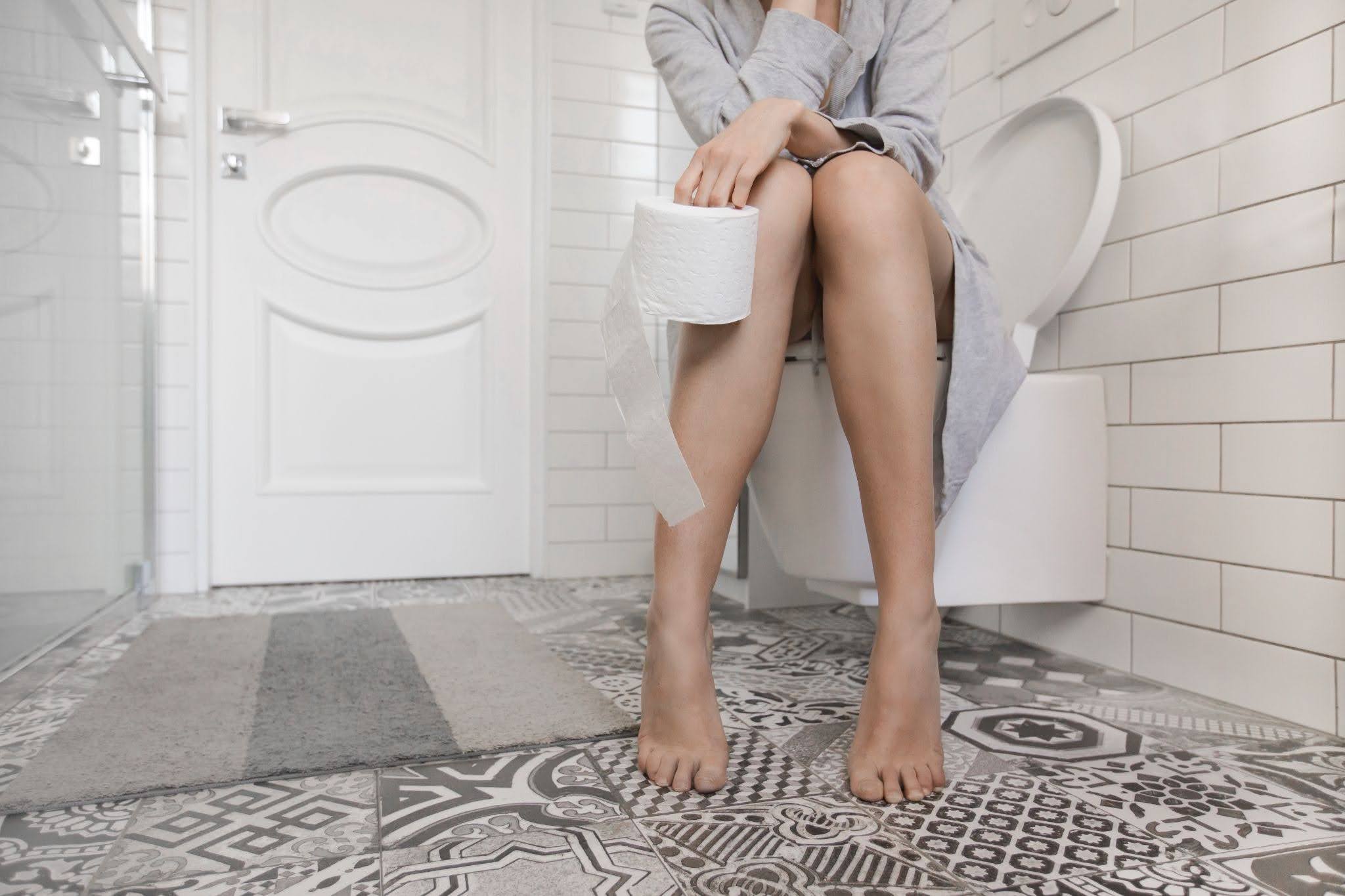
Does it feel like you have to pee all the time? Overactive bladder may be the reason. It's a condition that causes a frequent, sudden urge to urinate — even when your bladder isn't very full. Sometimes the urge is so strong that you may leak urine before you can make it to the bathroom.
If this sounds familiar, you're far from alone. About 33 million Americans live with overactive bladders. Yet many people never mention it because they assume it's just part of getting older or something they have to live with.
"Overactive bladder is more common than you may think, and it’s also very treatable," says Maria Fernandez Cuadrado, PT, DPT, a pelvic floor physical therapist with Hinge Health. “Simple lifestyle changes, bladder training, and pelvic floor exercises can often lead to dramatic improvements,” she shares.
You don't have to plan your life around the nearest bathroom. Here, learn what causes overactive bladder and how to treat it — especially with exercises recommended by Hinge Health physical therapists.
Reviewed by our clinical and medical experts


Fully Covered Pelvic Care
Find relief from pelvic pain, leakage, muscle weakness, & more.
What is overactive bladder?
Overactive bladder is the name for a group of urinary symptoms that make you feel like you have to pee more often than normal. The most common symptoms include urinary urgency (a sudden, hard-to-ignore urge to urinate), frequent bathroom trips, waking up more than once at night to pee, and sometimes urinary incontinence (urine leakage).
While overactive bladder doesn't usually affect your overall health, it can have a big impact on your quality of life. You may start planning outings around bathrooms, avoid certain activities, or wake up several times each night.
“Many people assume frequent urination is just something they have to live with, especially as they get older,” says Dr. Fernandez Cuadrado. “But there are many effective treatments available, and pelvic floor physical therapy is often one of the best places to start.”
Causes of an overactive bladder
Your bladder is like a water balloon. As your bladder fills up, it sends messages to your brain to let you know it’s getting full. With overactive bladder, those signals can become overly sensitive or poorly coordinated, making you feel the urge to urinate sooner or more often than you need to.
Several factors can contribute to overactive bladder symptoms, including:
Pelvic floor muscle dysfunction. Your pelvic floor muscles help support your bladder and coordinate urination. If they're weak, tight, or not working together well, they can contribute to urinary urgency, frequency, and leakage. “Improving pelvic floor strength and coordination is often one of the biggest pieces of treating overactive bladder,” says Dr. Fernandez Cuadrado.
Hormonal changes. Lower estrogen levels during menopause can make the tissues around the bladder and urethra more sensitive, contributing to urinary urgency and frequency.
Nerve damage or neurological conditions. Conditions that affect how your brain and bladder communicate, such as Parkinson’s disease, multiple sclerosis, or stroke, can make it harder to control bladder signals and may cause you to feel the urge to pee at the wrong time.
Certain medications, alcohol, and caffeine. Diuretics increase urine production, while alcohol and caffeine can irritate the bladder and increase urgency.
Constipation. A full rectum can press against your bladder, making it feel fuller than it actually is. “Some people also drink less water because they're worried about bladder symptoms,” says Dr. Fernandez Cuadrado. “Unfortunately, dehydration can worsen constipation and sometimes make bladder symptoms worse, too.”
Stress and anxiety. Stress can put your nervous system on high alert and make your bladder feel more sensitive, which may increase urinary urgency and frequency.
Symptoms of an overactive bladder
Overactive bladder symptoms can vary from person to person, but they usually involve changes in how often you urinate or how difficult it is to delay your next bathroom visit. Common symptoms include:
A strong urge to pee. This strong “gotta go” feeling can be difficult to ignore and may cause you to rush to the bathroom.
Frequent urination. Needing to urinate more than every two hours during the day—or more than eight times in a 24-hour period—may be a sign of overactive bladder.
Waking up at night to urinate. Overactive bladder can cause nocturia, meaning you wake up more than once overnight to use the bathroom.
Urine leakage. Some people leak urine before reaching the bathroom. It may be just a few drops or a larger amount.
One thing overactive bladder doesn't usually cause is pain. “If urinating burns or hurts, it's important to see your healthcare provider because you could have a urinary tract infection or another condition,” says Dr. Fernandez Cuadrado.
How movement can help overactive bladder
It may seem unrelated, but certain gentle movements can help ease symptoms from an overactive bladder. Targeted exercises can improve the strength and coordination of the muscles that support your bladder and help you regain better bladder control.
Pelvic floor physical therapy combines strengthening, relaxation, breathing techniques, and bladder retraining to help reduce urgency, frequency, and leakage. “The goal isn't simply to make the pelvic floor stronger,” says Dr. Fernandez Cuadrado. “It's helping those muscles work at the right time and relax when they need to.”
Regular physical activity can also help reduce constipation, improve circulation, and lower stress. Gentle movement may also help calm your nervous system, which can ease overly sensitive bladder signals and support healthier bladder function.
Exercises to help strengthen your pelvic floor
Also known as deep belly breathing, this exercise helps relax your pelvic floor muscles while calming your nervous system. "When your body feels calmer, your bladder often does, too," says Dr. Fernandez Cuadrado.
Want expert care?
Check if you're covered for our free programThese exercises work together to improve pelvic floor function and bladder control. Diaphragmatic breathing and child's pose help relax muscles that may be holding unnecessary tension, while clamshells, bridges, and kegels strengthen the muscles that support your bladder. Over time, improving both strength and coordination can help reduce urgency, leakage, and frequent trips to the bathroom.
The information contained in these videos is intended to be used for educational purposes only and does not constitute medical advice or treatment for any specific condition. Hinge Health is not your healthcare provider and is not responsible for any injury sustained or exacerbated by your use of or participation in these exercises. Please consult with your healthcare provider with any questions you may have about your medical condition or treatment.
Did you know?
Pelvic floor physical therapy is more than just kegel exercises. Various exercises tailored to your symptoms and needs are key to getting relief. Pelvic floor PT can relieve many different pelvic issues, such as pelvic pain, painful sex, and urinary incontinence.
Members of the Hinge Health pelvic health program experience an average 67% reduction in pelvic pain and 54% reduction in urinary incontinence within the first 12 weeks. Learn more*.
Treatments for overactive bladder
If you have an overactive bladder, simple at-home treatments, especially pelvic floor exercises, and a few simple lifestyle changes, can often help. For many people, improving bladder habits and pelvic floor function is enough to significantly reduce symptoms. If those approaches aren't enough, medications or other treatments may also help.
Try pelvic floor physical therapy and targeted exercises. Targeted exercises, such as the ones above, can help strengthen your pelvic floor and surrounding muscles, easing symptoms of an overactive bladder. You can do exercise therapy at home or work with a physical therapist who can guide you through movements tailored to your needs. You can see a pelvic floor physical therapist in person or use a program like Hinge Health, where you may access a PT via telehealth/video visit.
Practice bladder training. Bladder training helps teach your bladder to wait a little longer between bathroom trips. Start by keeping a bladder diary to learn how often you typically urinate. Then gradually increase the time between bathroom visits by about 10 to 15 minutes at a time. If you feel the urge to go before your planned bathroom break, try using diaphragmatic breathing or a few quick pelvic floor contractions (“quick flicks”) to help calm the urge until it passes. Over time, many people can comfortably increase the time between bathroom visits.
Limit bladder irritants. Some foods and drinks can make bladder symptoms worse. The most common culprits are caffeine and alcohol, but some people also notice symptoms after consuming carbonated beverages, citrus fruits, tomato products, spicy foods, artificial sweeteners, or chocolate. “You don't necessarily have to eliminate these foods forever,” says Dr. Fernandez Cuadrado. “Try paying attention to whether certain foods consistently make your symptoms worse.”
Stay hydrated. It may seem logical to drink less water if you're constantly running to the bathroom, but dehydration can actually make overactive bladder symptoms worse. Concentrated urine is more irritating to the bladder lining, which may increase urgency.
Address constipation. Constipation and overactive bladder often go hand in hand. Staying active, drinking enough water, and eating plenty of fiber-rich foods can help keep your bowels moving regularly while also supporting healthier bladder function.
Review your medications. Some prescription and over-the-counter medications can contribute to urinary urgency or frequency. If you think one of your medications may be affecting your bladder, talk with your healthcare provider. They can help determine whether another option may be appropriate. Don't stop taking prescribed medications without talking to your provider first.
Consider medications or nerve stimulation. If lifestyle changes and pelvic floor physical therapy aren't providing enough relief, your healthcare provider may recommend medication to help relax your bladder muscle or reduce urinary urgency. Another option is nerve stimulation, which uses gentle electrical impulses to help regulate the nerves involved in bladder control. Your healthcare provider can help determine whether either treatment may be appropriate for you.
When to see a doctor
Overactive bladder symptoms often improve with pelvic floor physical therapy, bladder training, and lifestyle changes. But if your symptoms are severe, suddenly worsen, or begin interfering with your work, sleep, or daily activities, it's a good idea to see a healthcare provider. You should also seek medical care if you have:
Pain or burning when you urinate
Blood in your urine
Fever
Lower abdominal or back pain
Urine with a strong or unusual odor
New or rapidly worsening bladder symptoms
The above symptoms may point to another condition, such as a urinary tract infection, that requires medical treatment.
PT tip: Skip the “just in case” bathroom trip
It can feel reassuring to use the bathroom before leaving the house or hopping on a long meeting, but making it a habit can actually train your bladder to send "time to go" signals sooner than necessary. “Every time you pee 'just in case,' you're teaching your brain that your bladder is full before it actually is,” says Dr. Fernandez Cuadrado. “When it's practical, try waiting until you genuinely need to go. Over time, that can help your bladder become less sensitive.”
How Hinge Health can help you
If you have pelvic pain, bladder, bowel, or other pelvic symptoms that are affecting your quality of life, you can get the relief you've been looking for with Hinge Health’s online exercise therapy program.
The best part: You don’t have to leave your home because our program is digital. That means you can easily get the care you need through our app, when and where it works for you. Through our program, you’ll have access to therapeutic exercises and stretches for your condition. Additionally, you’ll have a personal care team to guide, support, and tailor our program to you.
See if you qualify for Hinge Health and confirm free coverage through your employer or benefit plan here.
This article and its contents are provided for educational and informational purposes only and do not constitute medical advice or professional services specific to you or your medical condition.
Looking for pain relief? Check if your employer or health plan covers our program.
Join more than 1.2 million members and over 2,800 companies that trust Hinge Health to get relief.
Related articles
Find out how swimming can relieve back pain and strengthen your muscles, making movement more comfortable, according to Hinge Health physical therapists.
Read more
Learn about the benefits of working out in the morning and discover which moves physical therapists recommend to start your day.
Read more
Learn how to do single-leg balance to build lower body strength, improve stability, and reduce fall risk. Includes step-by-step instructions.
Read more
Standing up from the floor can be hard. Get step-by-step guidance and exercises from physical therapists to build strength and balance.
Read moreReferences
- 1Urology Care Foundation. (2024). Overactive Bladder (OAB): Symptoms, Diagnosis & Treatment - Urology Care Foundation. Www.Urologyhealth.Org. https://www.urologyhealth.org/urology-a-z/o/overactive-bladder-(oab)
- 2What Is Overactive Bladder (OAB)? (n.d.). National Association For Continence. Retrieved July 8, 2026, from https://nafc.org/overactive-bladder/
- 3Lukacz, E. S. (2026). UpToDate [Review of UpToDate]. Uptodate.Com. https://www.uptodate.com/contents/urgency-urinary-incontinence-overactive-bladder-oab-in-females-treatment?search=overactive%20bladder&source=search_result&selectedtitle=1~109&usage_type=default&display_rank=1#h3355210881
- 4Jung, C. E., Menefee, S. A., & Diwadkar, G. B. (2020). 8 Versus 12 weeks of percutaneous tibial nerve stimulation and response predictors for overactive bladder. International Urogynecology Journal, 31(5), 905–914. doi:10.1007/s00192-019-04191-6
- 5Scarneciu, I., Lupu, S., Bratu, O., Teodorescu, A., Maxim, L., Brinza, A., Laculiceanu, A., Rotaru, R., Lupu, A.-M., & Scarneciu, C. (2021). Overactive bladder: A review and update. Experimental and Therapeutic Medicine, 22(6). doi:10.3892/etm.2021.10879