Hemorrhoids during pregnancy: treatments, prevention tips, gentle exercises
July 9, 2026
Over 1 Million members trust Hinge Health, a digital clinic that provides access to virtual physical therapy, to address their joint and muscle pain.
Reduction in member pain
of licensed physical therapists and health coaches
Average star rating of the Hinge Health mobile app
Bailey JF, et al. Digital Care for Chronic Musculoskeletal Pain: 10,000 Participant Longitudinal Cohort Study. J Med Internet Res 2020;22(5):e18250.
Learn what causes hemorrhoids during pregnancy and how to treat them, according to Hinge Health pelvic floor physical therapists.
Available at $0 cost to many members
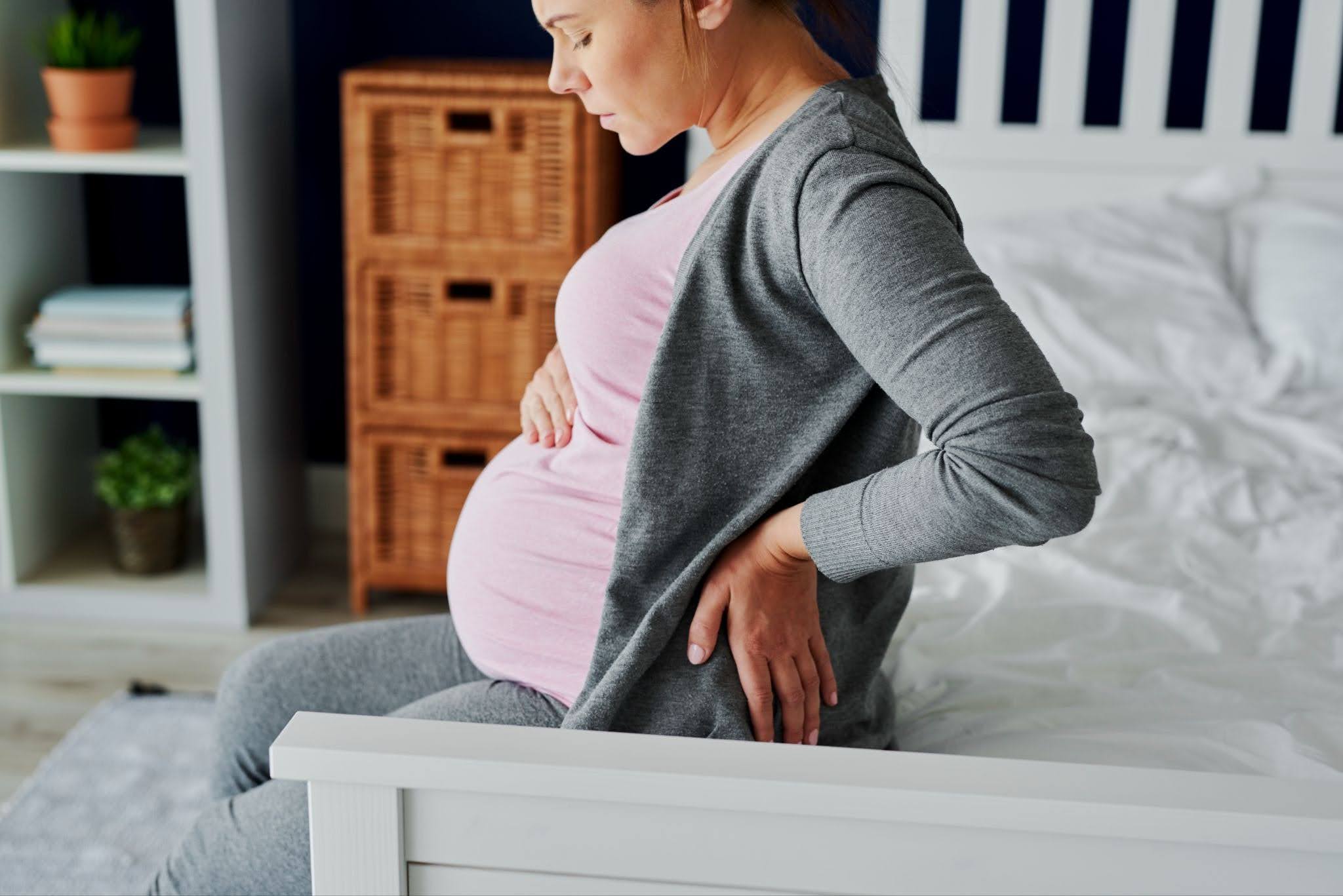
Pregnancy comes with plenty of changes, and while many are expected, some can catch you by surprise. Hemorrhoids are one of them. They commonly develop during pregnancy because of increased pressure on the veins around the anus from a growing uterus, constipation, higher blood volume, and hormonal changes that slow digestion.
While hemorrhoids during pregnancy can be uncomfortable, they're also very common and usually temporary. There are many safe ways to ease symptoms, prevent them from getting worse, and support healing — including gentle movement and pelvic floor exercises.
Ahead, learn what causes hemorrhoids during pregnancy, how to treat them safely, and gentle exercises Hinge Health physical therapists recommend to help you feel more comfortable.
Reviewed by our clinical and medical experts

Fully Covered Pelvic Care
Find relief from pelvic pain, leakage, muscle weakness, & more.
What are hemorrhoids?
A hemorrhoid is a swollen vein in or around the anus that develops when extra pressure causes the vein to enlarge. "It's similar to a varicose vein in your leg, but in or around the anus," says Holly Tipp, PT, DPT, a Hinge Health pelvic health physical therapist.
There are two main types of hemorrhoids:
Internal hemorrhoids develop inside the rectum. You may notice itching, discomfort, or bleeding during bowel movements, even if you can't see or feel them.
External hemorrhoids develop under the skin around the anus. They often cause swelling, tenderness, itching, or a painful lump you can feel.
Causes of hemorrhoids during pregnancy
Hemorrhoids during pregnancy usually aren't caused by one thing. Instead, several normal pregnancy changes can increase pressure on the veins around the anus, making hemorrhoids more likely.
Increased blood volume. During pregnancy, your body produces significantly more blood to support your growing baby. That extra blood can sometimes increase pressure within your veins, particularly around your pelvis and rectum.
Pressure from your growing uterus. As your baby grows, your uterus places more pressure on your pelvic floor and the veins around your rectum, increasing the likelihood of hemorrhoids.
Constipation. Pregnancy hormones, changing anatomy, and iron-containing prenatal vitamins can all make constipation more common. "Constipation increases pressure on the pelvic floor and anus, raising the risk of hemorrhoids," says Dr. Tipp.
Hormonal changes. Pregnancy hormones naturally slow digestion, which allows stool to spend more time in the intestines and, in some cases, can make it harder to pass.
Normal pregnancy weight gain. Weight gain during pregnancy is healthy and expected, but it also places additional pressure on the veins in your pelvis and lower body.
Symptoms of hemorrhoids during pregnancy
Symptoms can range from mild irritation to significant discomfort. Some people notice symptoms only during bowel movements, while others feel discomfort throughout the day. Remember that none of these common symptoms below are permanent:
Itching around the anus
Pain or tenderness
Swelling
A hard or tender lump around the anus
Minor bleeding after bowel movements
Difficulty cleaning the area after a bowel movement
Treatments for hemorrhoids during pregnancy
The goal of treatment is to reduce pressure on the hemorrhoids while making bowel movements easier and more comfortable. Most pregnancy hemorrhoids improve with simple, conservative treatments like these.
Keep moving. Gentle movement, including walking and stretching, helps keep your digestive system moving and reduces constipation. A pelvic floor physical therapist may also recommend breathing exercises and pelvic floor relaxation techniques that make bowel movements more comfortable and reduce pressure on hemorrhoids.
Take warm sitz baths. Sitting in a few inches of warm water for 10 to 15 minutes can help soothe pain, irritation, and swelling. "It's not necessarily treating the hemorrhoids themselves, but it can help relieve symptoms," says Dr. Tipp.
Stay hydrated. Drinking enough water helps soften stool, making bowel movements easier and reducing the need to strain.
Eat plenty of fiber. Fruits, vegetables, legumes, and whole grains help soften stool and support regular bowel movements. Just remember that fiber works best when you're also drinking enough water.
Apply over-the-counter creams and ointments. Common over-the-counter products such as Preparation H can help reduce inflammation that occurs when blood vessels in the anus or rectum are dilated.
Don't delay bowel movements. When you feel the urge to go, try not to wait. Delaying bowel movements allows stool to become harder and drier, increasing the need to strain.
Ease your stress levels. Stress doesn’t directly cause hemorrhoids, but it can increase muscle tension throughout your body, including in your pelvic floor, which can make bowel movements more difficult and uncomfortable to pass. Gentle activities like walking, diaphragmatic breathing, stretching, meditation, or prenatal yoga can help your body relax and make it easier to pass stool without straining.
Exercises to help alleviate pain from hemorrhoids
Deep belly breathing encourages your pelvic floor muscles to lengthen and relax. "You can even practice it during a bowel movement to help the muscles expand and relax," says Dr. Tipp.
Want expert care?
Check if you're covered for our free programTogether, these exercises help the pelvic floor relax, making bowel movements easier and requiring less straining. Diaphragmatic breathing and reverse kegels encourage healthy pelvic floor relaxation, while cat cow and seated back bends improve mobility and reduce muscle tension around the pelvis. Practicing these movements consistently can support more comfortable bowel movements throughout pregnancy.
The information contained in these videos is intended to be used for educational purposes only and does not constitute medical advice or treatment for any specific condition. Hinge Health is not your healthcare provider and is not responsible for any injury sustained or exacerbated by your use of or participation in these exercises. Please consult with your healthcare provider with any questions you may have about your medical condition or treatment.
💡Did you know?
Pelvic floor physical therapy is more than just kegel exercises. Various exercises tailored to your symptoms and needs are key to getting relief. Pelvic floor PT can relieve many different pelvic issues, such as pelvic pain, painful sex, and urinary incontinence.
Members of the Hinge Health pelvic health program experience an average 67% reduction in pelvic pain and 54% reduction in urinary incontinence within the first 12 weeks. Learn more*.
When to see a doctor
Hemorrhoids during pregnancy often improve with simple at-home treatments. But because rectal bleeding during pregnancy can have several causes, it's important to contact your healthcare provider if symptoms are severe, persistent, or you're unsure what's causing them.
It's also a good idea to seek medical care if you have:
Hemorrhoids that remain painful for more than a week despite treatment
Persistent or heavy bleeding, or black or tarry stools
Severe pain or swelling
A lump around the anus that doesn't improve
Fever or signs of infection
PT Tip: Use a small stool when using the restroom
Constipation is common during pregnancy, but bowel movements don't have to be uncomfortable. Dr. Tipp recommends placing your feet on a small stool, like a Squatty Potty, while using the toilet. "Positioning your knees above your hips helps your pelvic floor relax more easily, creating more room for stool to pass while reducing strain on the anus," she says.
How Hinge Health can help you
If you have pelvic pain, bladder, bowel, or other pelvic symptoms that are affecting your quality of life, you can get the relief you've been looking for with Hinge Health’s online exercise therapy program.
The best part: You don’t have to leave your home because our program is digital. That means you can easily get the care you need through our app, when and where it works for you. Through our program, you’ll have access to therapeutic exercises and stretches for your condition. Additionally, you’ll have a personal care team to guide, support, and tailor our program to you.
See if you qualify for Hinge Health and confirm free coverage through your employer or benefit plan here.
This article and its contents are provided for educational and informational purposes only and do not constitute medical advice or professional services specific to you or your medical condition.
Looking for pain relief? Check if your employer or health plan covers our program.
Join more than 1.2 million members and over 2,800 companies that trust Hinge Health to get relief.
Related articles
Learn about the benefits of incline walking, tips for getting started, and how to choose the right incline for you.
Read more
Learn about thumb arthritis and get tips to manage the pain, including simple exercises from physical therapists.
Read more
Learn about de Quervain's tenosynovitis and what can cause it, plus exercise tips for relief recommended by physical therapists.
Read more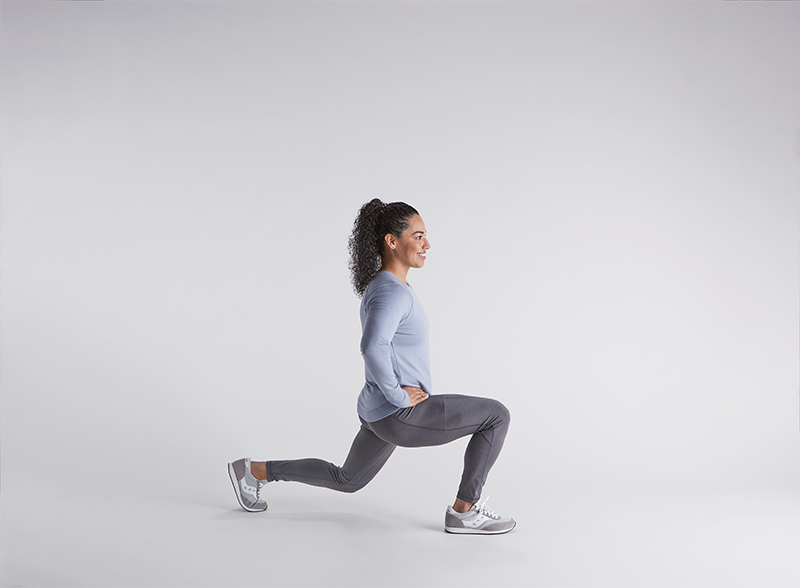
Learn how to do reverse lunges to improve lower body strength, flexibility and balance, plus modifications to make this exercise easier or harder.
Read more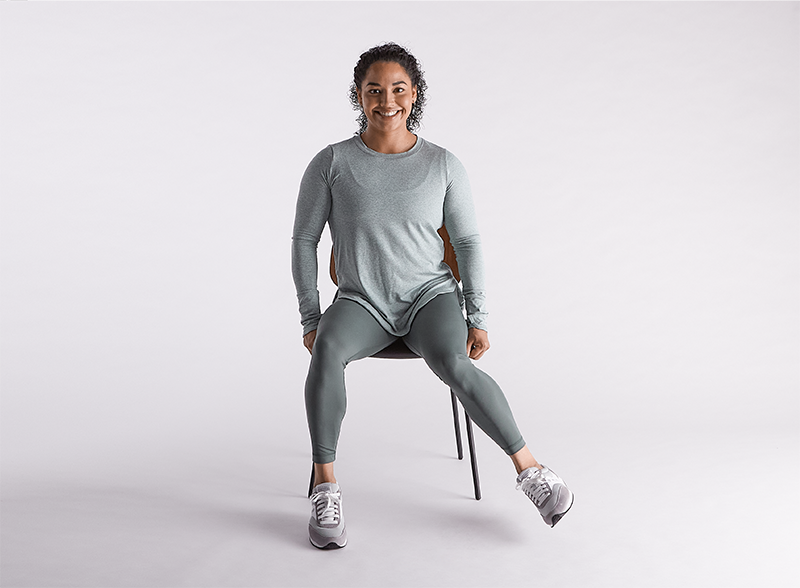
Learn which muscles control hip internal rotation, how to test your range, and physical therapist-recommended exercises to improve hip mobility and reduce knee or back pain.
Read moreReferences
- 1Boughton, R. S., Brophy, C., Corbett, G., Murphy, S., Clifford, J., Hanly, A., Fitzpatrick, M., & Laoise O'Brien. (2024). Haemorrhoids and Anal Fissures in Pregnancy: Predictive Factors and Effective Treatments. Cureus. doi:10.7759/cureus.53773
- 2Cui, J., Xie, F., Yue, H., Xie, C., Ma, J., Han, H., Fang, M., & Yao, F. (2024). Physical activity and constipation: A systematic review of cohort studies. Journal of Global Health, 14, 04197. doi:10.7189/jogh.14.04197
- 3Gao, R., Tao, Y., Zhou, C., Li, J., Wang, X., Chen, L., Li, F., & Guo, L. (2019). Exercise therapy in patients with constipation: a systematic review and meta-analysis of randomized controlled trials. Scandinavian Journal of Gastroenterology, 54(2), 169–177. doi:10.1080/00365521.2019.1568544
- 4Fontem, R. F., & Eyvazzadeh, D. (2023). Internal hemorrhoid. In StatPearls [Internet]. StatPearls Publishing. https://www.ncbi.nlm.nih.gov/books/NBK537182/
- 5Lawrence, A., & McLaren, E. R. (2025). External Hemorrhoid. In StatPearls. StatPearls Publishing. https://www.ncbi.nlm.nih.gov/books/NBK500009/