Over 1 Million members trust Hinge Health, a digital clinic that provides access to virtual physical therapy, to address their joint and muscle pain.
Reduction in member pain
of licensed physical therapists and health coaches
Average star rating of the Hinge Health mobile app
Bailey JF, et al. Digital Care for Chronic Musculoskeletal Pain: 10,000 Participant Longitudinal Cohort Study. J Med Internet Res 2020;22(5):e18250.
Wondering if you can exercise with plantar fasciitis? Learn safe exercises, smart modifications, and which activities to adjust from physical therapists.
Available at $0 cost to many members
Our feet are remarkably resilient, and in most cases, plantar fasciitis doesn't mean you have to stop exercising. The right type of movement can actually help reduce pain, build strength, and keep you doing the activities you enjoy. With a few modifications, many people are able to continue working out while their plantar fasciitis improves.
When the plantar fascia, a strong band of tissue on the bottom of your foot where your arch is, becomes irritated or inflamed, it often leads to heel pain, making running, walking, and even standing difficult. While it may feel counterintuitive, avoiding weight-bearing movements entirely isn’t the answer. “Instead, you will want to adjust and adapt your workouts to stay active while minimizing stress around the area,” says Britni Barber, PT, DPT, a physical therapist at Hinge Health.
Not moving your body can make the plantar fascia tighter, more painful, and less tolerant of daily activities. Movement, such as low-impact exercises for plantar fasciitis, improves circulation, reduces inflammation, increases mobility, and strengthens your foot, helping reduce pain and risk of future flare-ups.
Read on to learn more about working out with plantar fasciitis, including targeted exercises recommended by Hinge Health physical therapists.
Reviewed by our clinical and medical experts


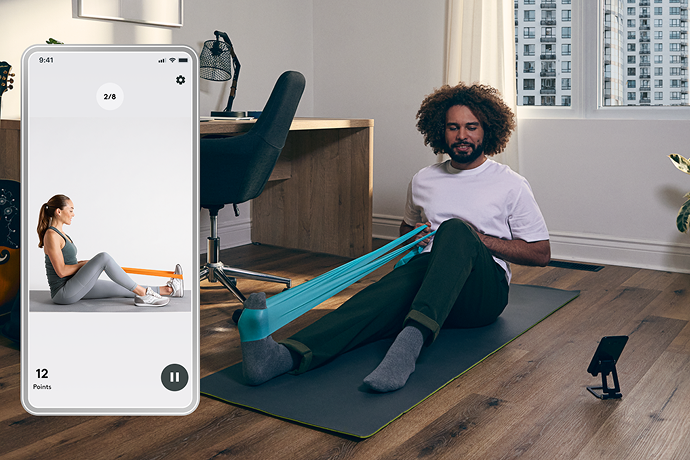
Fully covered foot or ankle pain relief
Find relief from foot pain, ankle pain, plantar fasciitis, & more.
Can you exercise with plantar fasciitis?
“You definitely can — and should — exercise with plantar fasciitis, but your workout might look a little different,” says Dr. Barber. The key is choosing exercises that don't aggravate your symptoms too much and making modifications as needed.
Movement supports healing by promoting blood flow and maintaining flexibility in the foot and calf. Targeted exercises for plantar fasciitis strengthen not just the affected area, but also the lower leg and even your hips. “The right exercises will ensure the whole system—the foot, ankle, leg, and hips—is working well together,” says Dr. Barber.
Even activities like running may still be on the table. You might just need to dial back on intensity (pace), duration (mileage), and frequency (how often you’re running each week) as your foot recovers and rebuilds strength. Many find it helps to start with lower-impact options, such as cycling or swimming, and gradually build back up.
Think of your recovery as an opportunity to expand your movement toolbox, not as a limitation. Cross-training and targeted plantar fasciitis exercises can help you come back stronger, so that you stay resilient against future injuries.
Exercises for plantar fasciitis relief
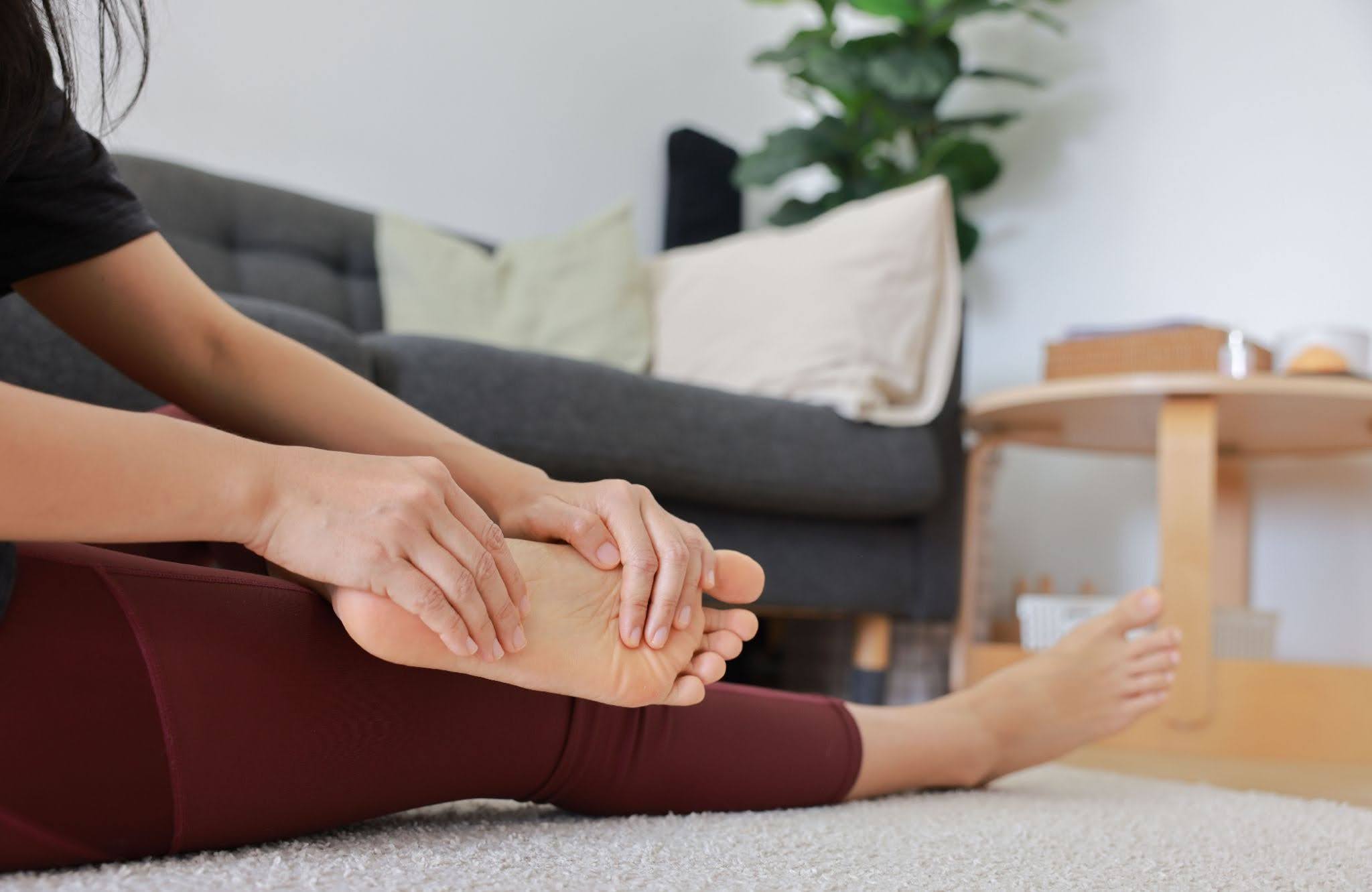
This gentle stretch helps ease tension in the bottom of your foot and improve mobility in the tissues that support your arch. It can also boost circulation and help your foot feel more comfortable during daily activities and workouts.
Want expert care?
Check if you're covered for our free programThese plantar fasciitis exercises help you build strength, mobility, and resilience throughout your lower body. Seated plantar fascia stretches and standing calf stretches improve flexibility and reduce stiffness, while arch raises and toe yoga strengthen the small muscles that support your foot. Side-lying leg raises and calf raises build strength in the hips and lower legs, helping your body move more efficiently and comfortably. Together, these exercises can help you stay active, support recovery, and build confidence in movement.
The information contained in these videos is intended to be used for educational purposes only and does not constitute medical advice or treatment for any specific condition. Hinge Health is not your healthcare provider and is not responsible for any injury sustained or exacerbated by your use of or participation in these exercises. Please consult with your healthcare provider with any questions you may have about your medical condition or treatment.
💡Did you know?
Physical therapy (PT) is for more than just recovering from surgery or injury. It’s one of the top treatments for joint and muscle pain. It helps build strength, improve mobility, and reduce pain. And it doesn't always need to be in person.
Hinge Health members can conveniently access customized plans or chat with their care team at home or on the go — and experience an average 68% reduction in pain* within the first 12 weeks of their program. Learn more*.
Low-impact workouts that are easier on your feet
Staying active can help maintain strength, mobility, and overall fitness as your foot recovers. The key is to find activities that motivate you to move without straining your plantar fasciitis.
“When you have plantar fasciitis, adapt the load and stress on your foot to match how you're feeling,” says Dr. Barber. “If running with plantar fasciitis is difficult, try a different form of cardio that doesn’t irritate the tender area as much.”
Many people find that lower-impact activities allow them to stay active comfortably while continuing to build endurance and confidence in movement. Examples include:
Walking. It’s lower impact than running but still a weight-bearing exercise. Wear supportive shoes and start with shorter distances.
Elliptical. This cardio machine mimics a running-like movement pattern while giving your foot a chance to recover from repeated impact.
Cycling or a stationary bike. These options make it easier to keep your cardiovascular fitness up while reducing stress on irritated tissues near your arch and heel.
Rowing. This cardio machine offers a full-body workout, engaging the upper body, core, and legs with minimal foot impact.
Swimming. The buoyancy of water supports your body weight, taking impact off your feet while providing a full-body cardio workout.
Water aerobics, water running, or water walking. Impact is significantly reduced. In the deep end with a flotation device, there’s no impact.
Yoga or Pilates. These low-impact exercises help you build both strength and flexibility. Some poses help strengthen the calves and plantar fascia, whereas others help ease tension from those areas.
How to keep training with plantar fasciitis
The key is to modify certain workouts as needed when managing plantar fasciitis. Here are some recommendations from Hinge Health physical therapists for exercising more comfortably as your foot heals.
Add calf and foot stretches to your warm-up. Targeted stretching before exercise can improve mobility and prepare the plantar fascia and calf muscles for activity.
Swap high-impact for lower-impact versions. If jumping or running aggravates your symptoms, try alternatives that keep you moving with less stress on your foot. For example, do step-ups instead of box jumps, or choose brisk walking, incline walking, cycling, or swimming instead of sprinting.
Adjust the challenge level. Shorter sessions, lighter loads, or fewer intervals can help you stay consistent as the muscles in your foot adapt and become stronger. Gradually increasing activity helps build your foot's resilience over time.
Modify your running approach. If you're a runner, consider shortening your runs, slowing your pace, incorporating walk-run intervals, or alternating running days with cross-training. You often don't need to stop running altogether.
Modify strength workouts as needed. You can usually continue exercises like squats and lunges by changing how challenging they are — for example, doing mini squats or mini lunges so you don’t go as deep, using lighter weights, doing fewer reps or sets, or choosing variations that feel easier on your arch and heel. “Modify the load and stress depending on how you're feeling,” says Dr. Barber. If standing is uncomfortable, try seated strength exercises such as leg extensions or hamstring curls.
Prioritize recovery after workouts. Gentle stretching, foot mobility exercises, or rolling your foot over a frozen water bottle or lacrosse ball can help ease soreness and keep tissues feeling mobile after activity.
Listen to your body. Use pain as information, not a stop sign. If an activity causes a significant increase in symptoms, try adjusting the intensity, duration, or frequency so you can keep moving comfortably.
Treatments for plantar fasciitis
Most people get significant improvement with simple at-home treatments, including regular exercise, making necessary movement modifications, and doing footwear adjustments. Pain-relieving strategies, such as ice or heat therapy, anti-inflammatory medication, and TENS therapy, can help make it easier to keep up with your exercise therapy. Here’s what Hinge Health physical therapists recommend:
Try physical therapy and targeted exercises. Targeted exercises, such as the ones above, can help strengthen and stretch the muscles in and around your foot, improving your daily comfort. You can do exercise therapy at home or work with a physical therapist who can guide you through movements tailored to your needs. You can see a physical therapist in person or use a program like Hinge Health, where you may access a PT via telehealth/video visit.
Stay active. Any type of movement — like walking, stretching, or even household chores — helps you improve blood flow, maintain flexibility, and support healing.
Try cold or heat therapy. Icing can help ease inflammation and pain after workouts and during pain flare-ups, whereas heat can help soothe tension and stiffness. Try both and see if one method helps more than the other.
Take over-the-counter (OTC) medication. Pain relievers such as ibuprofen (Advil, Motrin), naproxen (Aleve), and acetaminophen (Tylenol) can help ease pain so you can do your targeted exercises and stay active when you have foot or heel pain. Other options are topical NSAIDs or pain relief creams. If you have a medical condition or take other medications, check in with your provider to make sure these OTC options are safe to take.
Consider footwear adjustments. Shoes with good arch support, cushioning, and stability can reduce stress on the plantar fascia. Over-the-counter insoles, custom orthotics, or heel inserts may also help.
Try complementary treatments. Talk to your provider if you’re interested in trying alternative treatments for foot and heel pain relief, such as massage, acupuncture, or chiropractic care.
Ask about TENS therapy. TENS, or transcutaneous electrical nerve stimulation, uses gentle pulses to quiet your pain response and help reduce pain associated with conditions like plantar fasciitis. One option is the wearable device Enso, available through Hinge Health. It’s small, wireless, and portable.
Tips for working out with plantar fasciitis
The right habits before, during, and after your workouts can make exercising with plantar fasciitis more comfortable. Small adjustments—like wearing supportive shoes, stretching regularly, and gradually increasing activity—can help you stay active while giving your foot time to adapt and get stronger. Here are tips from Hinge Health physical therapists:
Prepare your feet for movement. A few minutes of calf and plantar fascia stretching before and after activity can help reduce muscle stiffness and improve your comfort.
Wear supportive shoes throughout the day. Shoes with good arch support and cushioning can reduce stress on the plantar fascia, making everyday activities and workouts feel more comfortable.
Replace worn-out shoes. The American Academy of Podiatric Sports Medicine recommends replacing running or walking shoes every 300 to 500 miles, and shoes used for activities like basketball, aerobics, or pickleball every 45 to 60 hours of use.
Find your movement sweet spot. “Find the amount and type of movement your foot can tolerate while it continues to get stronger," says Dr. Barber. Some discomfort is normal, but your symptoms shouldn't continue to worsen during or after exercise.
Stretch in the morning. "Stretching your plantar fascia when you wake up can help you get through your day and your workouts," says Dr. Barber. Stretching after long periods of sitting can also help reduce stiffness.
Build up gradually. Give your foot time to adapt by increasing your workout duration, intensity, or mileage a little at a time instead of jumping back to your previous routine.
Consider taping or orthotics. Athletic tape, supportive insoles, or silicone heel cups can reduce strain on the plantar fascia and provide extra comfort during activity. Your physical therapist can help you determine whether these options are right for you.
Mix up your routine. Alternating between high-impact and low-impact activities gives your feet time to recover while staying active. The variety also helps build strength, tolerance, and resilience to activities that tend to cause foot pain.
When to see a doctor
Plantar fasciitis often improves on its own with simple treatments. But if your heel pain is severe, worsening, or impacting your daily activities, see a healthcare provider. It’s also a good idea to get care if you have:
Pain that doesn’t improve after several weeks of stretching and self-care
Severe heel pain that limits walking or standing
Numbness or tingling in the foot
Sudden pain after an injury
Swelling or redness in the heel area
PT tip: Keep moving — just change the dose
Many people think they have to either push through the pain or stop exercising altogether. "Neither approach leads to long-term relief," says Dr. Barber. "Instead, think about adjusting the dose of activity. Modify the intensity, duration, or type of exercise so you can keep moving while your foot builds strength and tolerance. Small, consistent steps forward are what make the biggest difference."
How Hinge Health can help you
If you have joint or muscle pain that makes it hard to move, you can get the relief you’ve been looking for with Hinge Health’s online exercise therapy program.
The best part: You don’t have to leave your home because our program is digital. That means you can easily get the care you need through our app when and where it works for you.
Through our program, you’ll have access to therapeutic exercises and stretches for your condition. Additionally, you’ll have a personal care team to guide, support, and tailor our program to you.
See if you qualify for Hinge Health and confirm free coverage through your employer or benefit plan here.
This article and its contents are provided for educational and informational purposes only and do not constitute medical advice or professional services specific to you or your medical condition.
Looking for pain relief? Check if your employer or health plan covers our program.
Join more than 1.2 million members and over 2,800 companies that trust Hinge Health to get relief.
Related Articles

Learn if you should work out when your muscles are sore, based on expert-backed PT guidance. Plus, learn how to treat muscle soreness with active recovery.
Read more
Lower back pain after a workout? Learn common causes, how long it lasts, and effective remedies and stretches recommended by Hinge Health physical therapists.
Read more
Learn when to use ice or heat for neck pain, and get exercise recommendations from physical therapists that can provide long-term relief.
Read more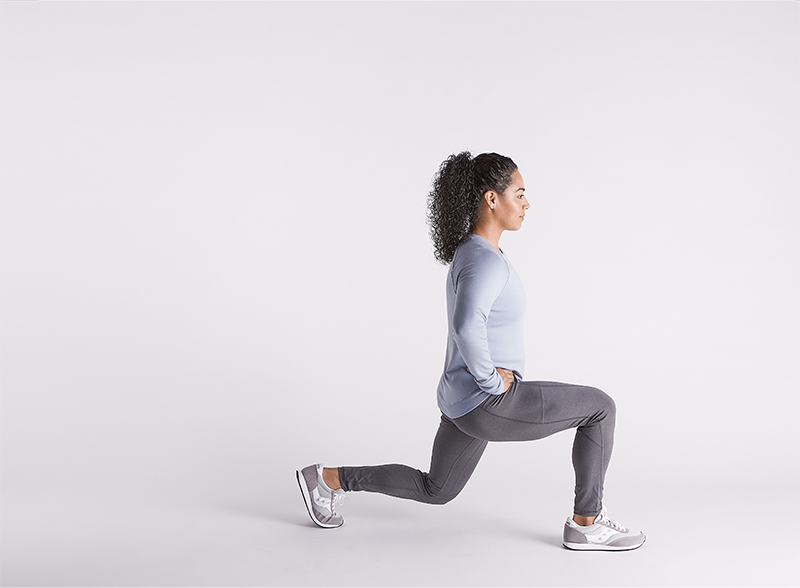
Learn how to do lunges to avoid injuries. Explore its benefits and discover lunge variations to make it easier or harder.
Read more
Calf pain doesn't have to derail your running routine. Learn what causes it and try expert stretches and tips for relief after your next run.
Read moreReferences
- 1Nweke, T. C. (2025). Comprehensive Review and Evidence-Based Treatment Framework for Optimizing Plantar Fasciitis Diagnosis and Management. Cureus. doi:10.7759/cureus.88745
- 2How Do I Know When It Is Time To Replace My Athletic Shoes. (n.d.). Www.aapsm.org. https://www.aapsm.org/replace_shoes.html
- 3Stachelski, R. A., B. Torrilhas, F. Foschiera Camboin, Ferrari, D., C. Buzanello Donin, G.R. Flor Bertolini, & M.R. Buzanello. (2024). Therapeutic Exercise in Plantar Fasciitis: A Systematic Review with Meta-Analysis. M.L.T.J. Muscles, Ligaments and Tendons Journal, 14(01), 29–29. doi:10.32098/mltj.01.2024.04
- 4Thong-On, S., Bovonsunthonchai, S., Vachalathiti, R., Intiravoranont, W., Suwannarat, S., & Smith, R. (2019). Effects of Strengthening and Stretching Exercises on the Temporospatial Gait Parameters in Patients with Plantar Fasciitis: A Randomized Controlled Trial. Annals of Rehabilitation Medicine, 43(6), 662–676. doi:10.5535/arm.2019.43.6.662
- 5Koc, T., Bise, C. G., Neville, C., Carreira, D. S., Martin, R. L., & McDonough, C. M. (2023). Heel Pain – Plantar Fasciitis: Revision 2023. Journal of Orthopaedic & Sports Physical Therapy, 53(12), CPG1–CPG39. doi:10.2519/jospt.2023.0303