
Over 1 Million members trust Hinge Health, a digital clinic that provides access to virtual physical therapy, to address their joint and muscle pain.
Reduction in member pain
of licensed physical therapists and health coaches
Average star rating of the Hinge Health mobile app
Bailey JF, et al. Digital Care for Chronic Musculoskeletal Pain: 10,000 Participant Longitudinal Cohort Study. J Med Internet Res 2020;22(5):e18250.
Learn what a SLAP tear is, what causes shoulder labrum tears, common symptoms, and treatment options including physical therapy and exercise.
Available at $0 cost to many members
Reaching overhead to put away groceries, washing your hair, or grabbing something from a shelf shouldn't make you wince. But if those everyday movements suddenly cause a sharp pain deep in your shoulder, a SLAP tear could be one possible reason.
A SLAP tear can sound intimidating, but it doesn't automatically mean you'll need surgery or have long-term shoulder problems. “Many people recover very well with physical therapy and targeted exercises,” says Britni Barber, PT, DPT, a physical therapist at Hinge Health.
Here, learn what a SLAP tear is, what causes it, and how targeted movements recommended by Hinge Health physical therapists can help you get back to using your shoulder with more confidence.
Reviewed by our clinical and medical experts


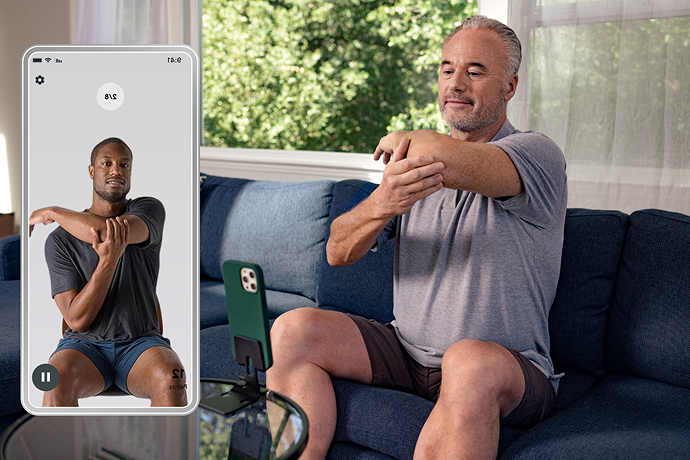
Fully covered arm or shoulder pain relief
Find relief from arm pain, shoulder pain, pinched nerves, & more.
What is a SLAP tear?
A SLAP tear is an injury to the shoulder labrum, a rubbery ring of cartilage that lines your shoulder socket and helps keep the joint in place while your arm moves in a wide range of motion.
SLAP stands for “superior labrum anterior to posterior,” which is medical shorthand for a tear at the top of this cartilage ring, near where your biceps tendon connects. SLAP tears are fairly common, especially in people who do a lot of overhead activities, like throwing, lifting, or certain work tasks.
Even though the name can sound serious, these tears are often not as scary as they sound, and many people do well with simple treatments at home — like targeted exercises and small activity tweaks — and are able to get back to the things they enjoy without needing surgery.
Causes of SLAP tears
SLAP tears can develop after a sudden injury or gradually over time when the shoulder is asked to do more than it's prepared for, Dr. Barber says. Often, several factors contribute rather than one single event. Some of the most common include:
Acute trauma. “We often see SLAP tears after someone falls on an outstretched hand,” says Dr. Barber. “That sudden force travels through the shoulder and can injure the labrum.”
Repetitive overhead movements. Repeated throwing, swimming, tennis, volleyball, or frequent overhead work can place repeated demands on the shoulder. “We also see them in people who work in construction or other jobs that require a lot of overhead reaching,” says Dr. Barber.
Age-related changes. As you get older, your labrum naturally changes over time. These normal age-related changes can make SLAP tears more likely, particularly in your 40s and 50s.
Heavy lifting. Your body is resilient and designed to lift heavy items. But, repeatedly lifting heavy loads, especially overhead or without correct technique, can overload the shoulder if it's asked to do more than it's ready for.
Previous shoulder injury. If you've injured your shoulder before, you may have weakness, stiffness, or changes in how the shoulder moves that place extra demand on surrounding tissues. “Building shoulder strength and mobility after an injury is one of the best ways to help your shoulder tolerate daily activities and exercise,” says Dr. Barber.
Symptoms of SLAP tears
Not everyone with a SLAP tear has the same symptoms. Some people notice discomfort only with certain movements, while others have pain during everyday activities like reaching into a cabinet or putting on a jacket.
Also, the size of a tear doesn't necessarily predict how much pain you'll have. “The degree of your tear doesn't always correlate with the amount of pain you're in, so it's important to get evaluated if you think you may have a SLAP tear,” says Dr. Barber. Possible symptoms include:
Deep, aching pain in the shoulder that's often difficult to pinpoint
Pain with overhead movements, such as reaching, throwing, or lifting
Pain when reaching behind your back
A feeling that your shoulder is unstable or may “give out”
Clicking, popping, catching, or grinding sensations
Reduced shoulder range of motion
Decreased shoulder strength
Difficulty sleeping on the affected shoulder
How movement can help SLAP tears
While it’s understandable to think complete rest is the best way for your shoulder to recover, it’s often not the answer. Gentle movement is medicine for a SLAP tear. Gradually strengthening the muscles that support your shoulder can improve stability, reduce pain, and help your shoulder better tolerate everyday activities like reaching, lifting, and carrying.
“A shoulder that lacks strength or mobility may be less prepared for the demands placed on it,” says Dr. Barber. “Targeted exercises don't just help relieve symptoms — they help build a stronger, more resilient shoulder so you can return to the activities you enjoy with more confidence.”
Physical therapy can also help improve the way your shoulder blade and rotator cuff muscles work together, making overhead movements feel more comfortable over time. Especially right after a SLAP tear, it’s okay to temporarily cut back on or take a short break from specific activities that sharply increase your pain, while you keep your shoulder gently moving in ways that feel manageable.
A physical therapist can help you gradually return to your usual activities and increase what you do only as your shoulder tolerates it. “The sooner you begin physical therapy, the sooner you can start rebuilding strength, improving mobility, and working back toward your normal activities at a pace that feels right for you,” says Dr. Barber. If your pain is severe, getting worse, or you’re worried about how serious the injury might be, check in with your healthcare provider to discuss the best next steps for you.
Exercises for SLAP tears
This exercise strengthens the rotator cuff muscles that help keep your shoulder steady during reaching, lifting, and other everyday movements.
Want expert care?
Check if you're covered for our free programThese exercises work together to improve shoulder strength, stability, and mobility. Resisted shoulder internal and external rotation, along with side-lying arm rotation, strengthen the rotator cuff muscles that support your shoulder joint. Band pull-aparts and bent-over Ts build strength through the upper back and shoulder blades, while wall slides improve overhead mobility. Shoulder taps on knees help your shoulder tolerate everyday weight-bearing movements, making daily activities feel easier over time.
The information contained in these videos is intended to be used for educational purposes only and does not constitute medical advice or treatment for any specific condition. Hinge Health is not your healthcare provider and is not responsible for any injury sustained or exacerbated by your use of or participation in these exercises. Please consult with your healthcare provider with any questions you may have about your medical condition or treatment.
💡Did you know?
Physical therapy (PT) is for more than just recovering from surgery or injury. It’s one of the top treatments for joint and muscle pain. It helps build strength, improve mobility, and reduce pain. And it doesn't always need to be in person.
Hinge Health members can conveniently access customized plans or chat with their care team at home or on the go — and experience an average 68% reduction in pain* within the first 12 weeks of their program. Learn more*.
Treatments for SLAP tears
Most people with a SLAP tear improve with simple treatments, especially when they combine targeted exercises with gradual activity. The goal is to reduce pain, restore shoulder strength and mobility, and help you get back to the activities you enjoy. Here are some treatments Hinge Health physical therapists recommend:
Try physical therapy and targeted exercises. Targeted exercises, such as the ones above, can help strengthen supporting muscle groups in your shoulder. This, in part, can ease pressure from your SLAP tear as it heals. You can do exercise therapy at home or work with a physical therapist who can guide you through movements tailored to your needs. You can see a physical therapist in person or use a program like Hinge Health, where you may access a PT via telehealth/video visit.
Stay active. Gentle movement helps keep your shoulder from becoming stiff while supporting recovery. “You don't have to stop exercising altogether,” says Dr. Barber. “The key is finding activities that keep you moving without significantly increasing your symptoms.” Walking, a recumbent bike, and lower-body strength training are often good options while your shoulder recovers. As your strength improves, your physical therapist can help you safely return to upper-body exercise and overhead activities.
Apply heat or cold therapy. If you have an acute injury, applying ice can help reduce inflammation and swelling. Heat can help ease tension by increasing blood flow to the torn labrum, all while soothing neighboring muscles.
Try over-the-counter (OTC) medication. Pain relievers such as ibuprofen (Advil, Motrin), naproxen (Aleve), and acetaminophen (Tylenol) can help ease pain so you can do your targeted exercises and stay active when you have shoulder pain. Other options are topical NSAIDs or pain relief creams. If you have a medical condition or take other medications, check in with your provider to make sure these OTC options are safe to take
Prioritize nutrition. Eating a balanced, nutrient-rich diet supports your body’s natural healing processes. Focus on foods like fruits, vegetables, fatty fish, nuts, seeds, and whole grains. These foods help reduce inflammation and offer nutrients that support tissue repair, such as omega-3 fatty acids and vitamins C and D. For individualized guidance, consider working with a registered dietitian.
Consider complementary treatments. Talk to your provider if you’re interested in trying alternative treatments for SLAP tear relief, such as massage, acupuncture, or chiropractic care. “When you have a labrum tear, the muscles around the area tense up — a phenomenon called muscle guarding,” explains Dr. Barber. “Massage can help to relieve tension in muscles and improve range of motion to keep your shoulder moving.”
Modify your activities. If certain movements consistently trigger your pain, adjust how you do these activities temporarily. “For example, if your shoulder hurts when you sleep, modify your position so that you don’t lie on your painful shoulder,” says Dr. Barber. “Your physical therapist can also work with you to modify positions where you need to reach overhead or side to side, so you have less discomfort while your SLAP tear heals.”
Ask about TENS therapy. TENS, or transcutaneous electrical nerve stimulation, uses gentle pulses to quiet your pain response and help reduce pain from a SLAP tear. One option is the wearable device Enso, available through Hinge Health. It’s small, wireless, and portable.
Explore surgical options if needed. Most people don't need surgery for a SLAP tear, especially if they improve with physical therapy and exercise. But if your symptoms don't improve after several months of consistent at-home treatments, or you have significant shoulder instability, your provider may recommend surgery. The most common procedure is an arthroscopic repair, which uses small instruments and a tiny camera inserted through small incisions around the shoulder.
How to prevent SLAP tears
You can't always prevent a SLAP tear, especially if it happens after a fall or other sudden injury. But building shoulder strength and gradually preparing your body for overhead activities can reduce your risk. Here are some strategies Hinge Health physical therapists recommend:
Maintain shoulder strength and mobility. Strong, mobile muscles help support your shoulder joint and reduce unnecessary stress on your labrum. "Keeping the muscles around your shoulder strong helps you handle daily activities and exercise with more confidence," says Dr. Barber. The exercises above are a great place to start.
Warm up before overhead activities. Before swimming, tennis, throwing, or other overhead sports, spend a few minutes doing gentle shoulder mobility exercises to prepare your muscles and joints for movement.
Use good lifting mechanics. When lifting something heavy, stand close to the object, bend through your hips and knees, and keep it close to your body as you lift. This helps distribute the load more efficiently throughout your body instead of placing unnecessary stress on your shoulder.
Build up gradually. Whether you're returning to the gym or increasing your training volume, give your shoulder time to adapt. “If your shoulder starts talking to you, it may be a sign you're doing more than it's ready for,” says Dr. Barber. Gradually increasing intensity, duration, or weight helps your shoulder build tolerance over time.
When to see a doctor
SLAP tear symptoms often improve with physical therapy and targeted exercises. But if your shoulder pain is severe, gets worse, or causes difficulty with daily activities, see a healthcare provider. It’s also a good idea to get care if you have:
Severe pain that doesn't improve with simple treatments
A noticeable deformity or significant shoulder swelling
An inability to move your shoulder
Numbness or tingling in your arm or hand
Fever, warmth, or redness around the shoulder
Shoulder instability that interferes with daily activities
SLAP tear diagnosis and testing
A healthcare provider or physical therapist can often suspect a SLAP tear based on your symptoms, medical history, and a physical exam. They'll assess your shoulder's range of motion, strength, stability, and the movements that reproduce your pain. “We'll also use a few different movement tests to help determine whether your labrum may be involved,” says Dr. Barber.
If your provider suspects a more significant injury or your symptoms aren't improving with conservative care, they may recommend imaging, such as an MRI, or refer you to an orthopedic specialist. But imaging doesn't always tell the whole story. "Some people have significant SLAP tears on an MRI but very little pain, while others have only a small tear and a lot of discomfort," says Dr. Barber.
That's why treatment decisions aren't based on imaging alone. Your symptoms, goals, and how your shoulder functions are just as important. Whether or not a tear appears on an MRI, many people improve with targeted exercises and physical therapy that strengthen and stabilize the shoulder.
Is SLAP tear surgery worth it?
Most people with a SLAP tear don't need surgery. In fact, physical therapy and targeted exercises are typically the first treatment recommended because they can reduce pain, restore strength, and improve shoulder function.
“We usually recommend trying physical therapy for several months before considering surgery, since so many people improve without an operation,” says Dr. Barber.
Surgery may be an option if you continue to have significant pain or shoulder instability despite consistent at-home treatments, or if you have certain types of larger tears. If surgery is recommended, your orthopedic surgeon will discuss which procedure is most appropriate for your situation and what recovery may look like.
Even if surgery is part of your treatment plan, physical therapy remains essential. Rehabilitation before and after surgery helps restore strength, improve shoulder movement, and support your return to daily activities, work, or sports.
PT tip: Think about your workstation, not just your workouts
“If you spend hours working at a computer, your office ergonomics matter," says Dr. Barber. "Keep your monitor at eye level so you aren't constantly looking down, and position your keyboard and mouse so your shoulders can stay relaxed by your sides." Small adjustments throughout the day can reduce unnecessary strain on your shoulder while it recovers.
How Hinge Health can help you
If you have pelvic pain or symptoms that are affecting your quality of life, you can get the relief you've been looking for with Hinge Health’s online exercise therapy program.
The best part: You don’t have to leave your home because our program is digital. That means you can easily get the care you need through our app, when and where it works for you.
Through our program, you’ll have access to therapeutic exercises and stretches for your condition. Additionally, you’ll have a personal care team to guide, support, and tailor our program to you.
See if you qualify for Hinge Health and confirm free coverage through your employer or benefit plan here.
This article and its contents are provided for educational and informational purposes only and do not constitute medical advice or professional services specific to you or your medical condition.
Looking for pain relief? Check if your employer or health plan covers our program.
Join more than 1.2 million members and over 2,800 companies that trust Hinge Health to get relief.
Related articles

Chronic pain and depression often go together. We can teach you why and movement-first strategies to find relief from Hinge Health physical therapists.
Read more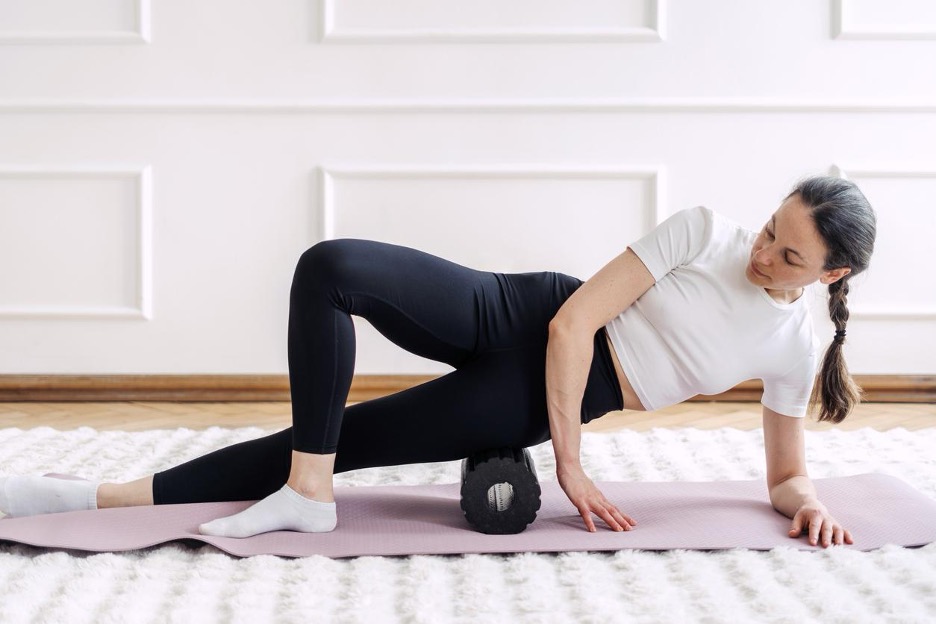
Relieve hip pain and stiffness with massage. Learn about benefits, techniques, and self-massage tips to improve mobility at home.
Read more
Learn how to use Kegel weights to strengthen your pelvic floor, relieve symptoms, and boost confidence.
Read more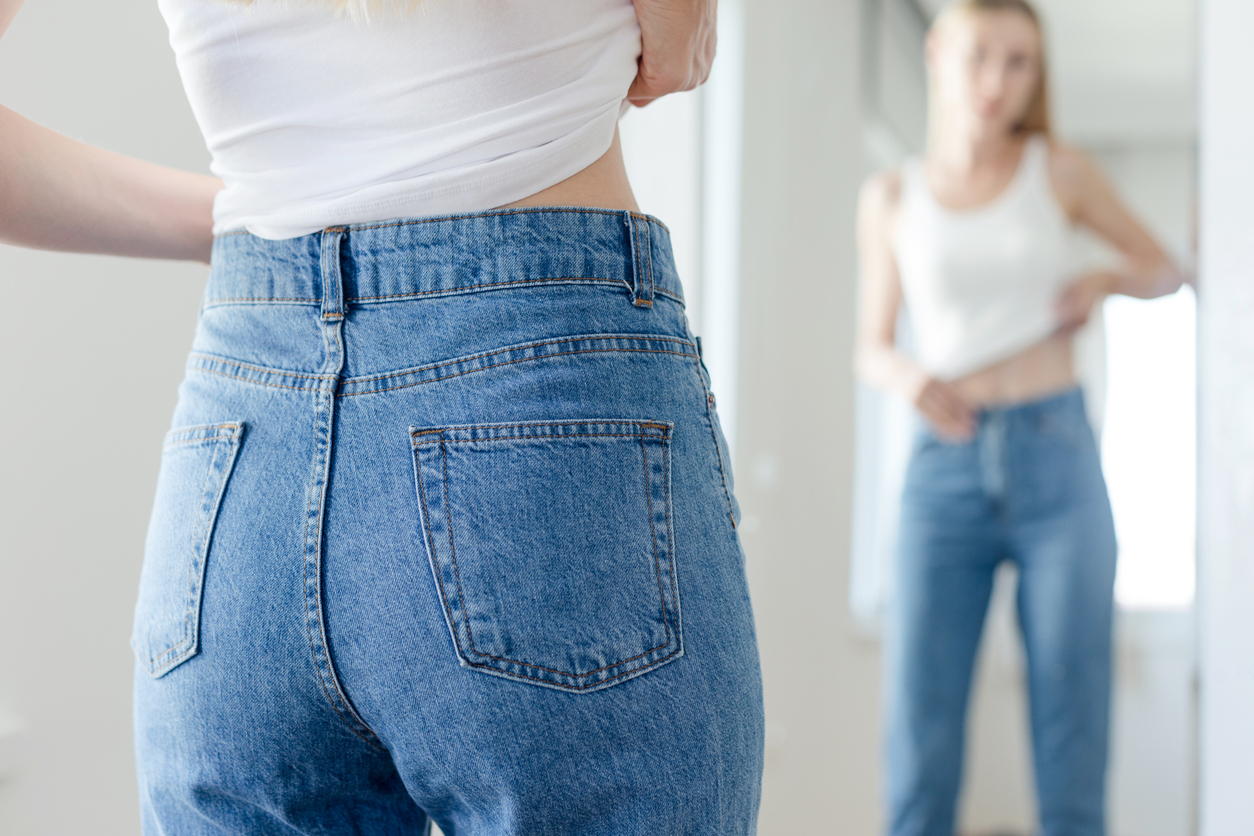
Ozempic butt can lead to a flatter, sagging appearance after weight loss. Learn what causes it and how to rebuild glute strength with expert tips.
Read moreReferences
- 1Weber, S. C., Martin, D. F., Seiler, J. G., & Harrast, J. J. (2012). Superior Labrum Anterior and Posterior Lesions of the Shoulder. The American Journal of Sports Medicine, 40(7), 1538–1543. doi:10.1177/0363546512447785
- 2Steinmetz, R. G., Guth, J. J., Matava, M. J., Brophy, R. H., & Smith, M. V. (2022). Return to Play Following Non-Surgical Management of Superior Labrum Anterior-Posterior Tears: A Systematic Review. Journal of Shoulder and Elbow Surgery, 31(6). doi:10.1016/j.jse.2021.12.022
- 3Giuseppe Della Rotonda, A. Guastafierro, Viglione, S., Cozzolino, A., Francesca Maria Russo, Polito, R., Daniele, A., Nigro, E., Ciccarelli, M., & Russo, R. (2023). Long-term results of arthroscopic repair of type II SLAP lesions in sports: Assessment of return to pre-injury playing level and critical risk factors for complication [Review of Long-term results of arthroscopic repair of type II SLAP lesions in sports: Assessment of return to pre-injury playing level and critical risk factors for complication]. European Journal of Orthopaedic Surgery and Traumatology. doi:10.1007/s00590-023-03677-w
- 4Lifting and bending the right way: MedlinePlus Medical Encyclopedia. (2015). Medlineplus.Gov. https://medlineplus.gov/ency/patientinstructions/000414.htm
- 5Page, M. J., Green, S., McBain, B., Surace, S. J., Deitch, J., Lyttle, N., Mrocki, M. A., & Buchbinder, R. (2016b). Manual therapy and exercise for rotator cuff disease [Review of Manual therapy and exercise for rotator cuff disease]. Cochrane Database of Systematic Reviews, 6. doi:10.1002/14651858.cd012224
- 6Schultz, K. A., & Nelson, R. (2021). Superior Labrum Lesions. PubMed; StatPearls Publishing. https://www.ncbi.nlm.nih.gov/books/NBK557662/
- 7Familiari, F., Huri, G., Simonetta, R., & McFarland, E. G. (2019a). SLAP lesions: Current controversies. EFORT Open Reviews, 4(1), 25–32. doi:10.1302/2058-5241.4.180033