
Over 1 Million members trust Hinge Health, a digital clinic that provides access to virtual physical therapy, to address their joint and muscle pain.
Reduction in member pain
of licensed physical therapists and health coaches
Average star rating of the Hinge Health mobile app
Bailey JF, et al. Digital Care for Chronic Musculoskeletal Pain: 10,000 Participant Longitudinal Cohort Study. J Med Internet Res 2020;22(5):e18250.
Learn why some urinary tract infections lead to back pain, when to seek medical care, and gentle exercises to ease muscle tension.
Available at $0 cost to many members
If you've ever had a urinary tract infection (UTI), you probably remember the frequent trips to the bathroom and burning when you peed. But there's another symptom that sometimes catches people off guard: back pain.
While most UTIs stay in the bladder, some infections can travel to the kidneys. When that happens, pain may develop in your back or sides (called your flanks), and it's important to get medical care ASAP. "The combination of UTI symptoms and back pain can be a sign that the infection has reached your kidneys," says Maria Fernandez Cuadrado, PT, DPT, a physical therapist with Hinge Health. "That's something you shouldn't ignore."
Once you've started antibiotic treatment, gentle movement and targeted exercises can also help ease muscle tension and stiffness that often develop when you're not feeling well.
Ahead, learn how UTIs can lead to back pain, plus how to find relief with targeted exercises recommended by Hinge Health physical therapists.
Reviewed by our clinical and medical experts


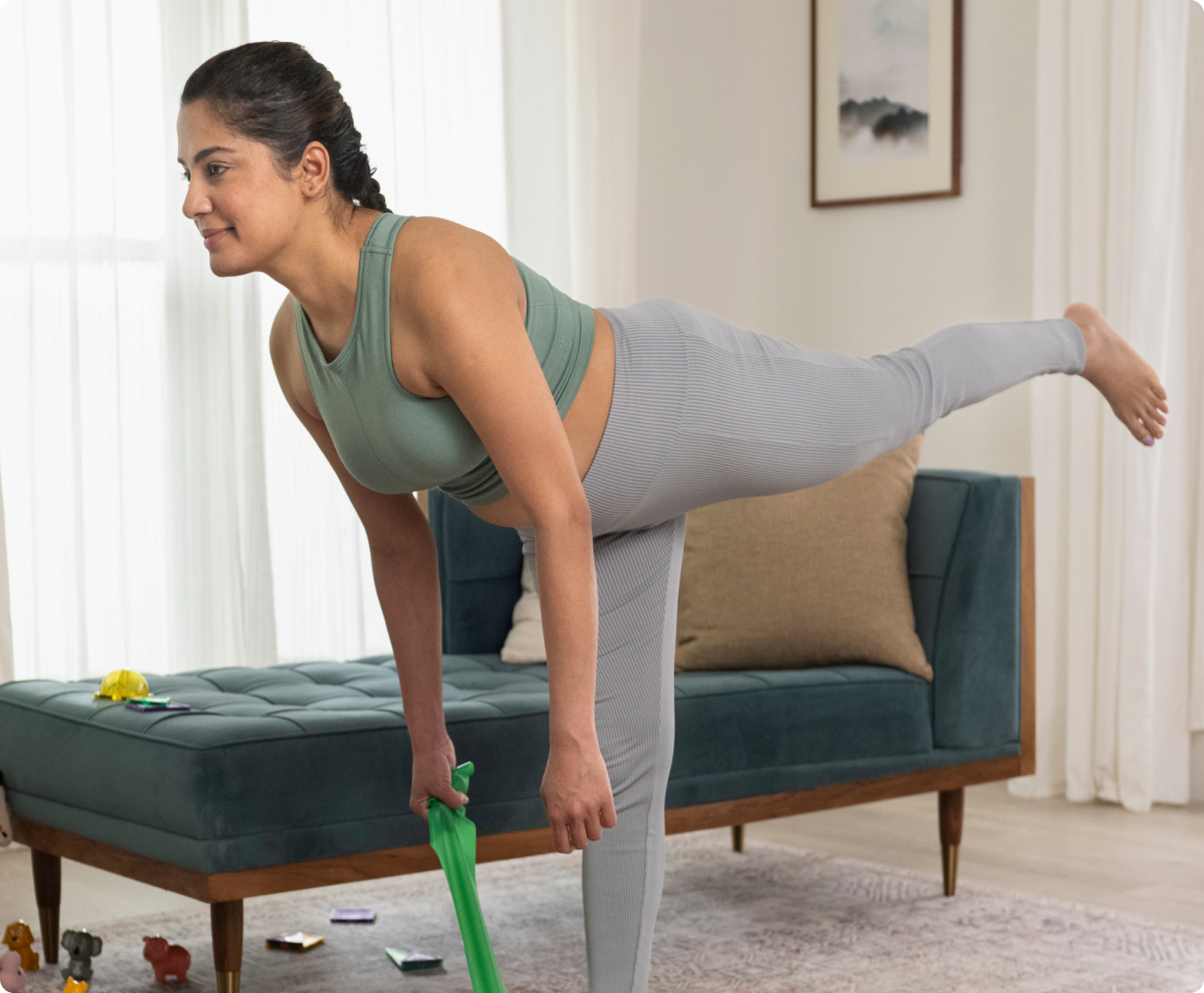
Fully Covered Pelvic Care
Find relief from pelvic pain, leakage, muscle weakness, & more.
What is a UTI?
A UTI is a bacterial infection that most often affects the bladder and urethra. “The urethra is the tube that carries urine from your bladder out of your body,” explains Dr. Fernandez Cuadrado.
UTIs are incredibly common, affecting as much as 60% of all women at least once in their lifetime.
If the infection stays in your bladder, it's considered a bladder infection (also called cystitis). But if bacteria travel up to one or both kidneys, it becomes a kidney infection, which requires prompt medical treatment.
Causes of UTI
UTIs develop when bacteria enter the urinary tract and begin to multiply. The most common culprit is E. coli, a type of bacteria that normally lives in the digestive tract and is excreted in stool. Several factors can increase your risk of developing a UTI, including:
Sexual activity. Sex can push bacteria closer to the urethra, making it easier for it to enter the bladder. One simple habit that may help reduce your risk of a UTI is peeing after sex, which can help flush bacteria from the urinary tract.
Diabetes. Diabetes can make it harder for your immune system to fight infections. Some people also have difficulty fully emptying their bladder, giving bacteria more opportunity to grow. “Over time, diabetes can affect the nerves that help your bladder work. This can make it harder to fully empty your bladder, and leftover urine can increase your chances of a urinary tract infection,” explains Dr. Fernandez Cuadrado.
Past UTIs. About half of women who develop one UTI will experience another within the following year. Researchers aren't entirely sure why some people are more prone to recurrent infections, but one theory is that some women may have shorter urethras than others, making it easier for bacteria to travel up into the bladder.
Menopause. Lower estrogen levels that occur in perimenopause and after menopause can make tissues around the bladder and urethra thinner and more vulnerable to infection. “Those tissues become drier, more fragile, and more sensitive, making it easier for bacteria to enter,” says Dr. Fernandez Cuadrado.
Not fully emptying your bladder. When urine stays in the bladder, bacteria have more time to multiply. Pelvic floor dysfunction and certain medical conditions can sometimes make complete emptying more difficult.
Catheter use. Temporary urinary catheters, such as those used after surgery, can introduce bacteria into the bladder and increase the risk of infection.
Can a UTI cause back pain?
Yes — but usually only if the infection has spread beyond the bladder.
Most bladder infections don't cause back pain. But if a UTI reaches one or both kidneys, you may develop pain in your lower back, upper back, or flanks. This pain is often accompanied by symptoms such as fever, chills, nausea, or vomiting.
“If you have UTI symptoms along with back pain, don't wait to get evaluated,” says Dr. Fernandez Cuadrado. “Kidney infections need prompt treatment to prevent complications.”
Other UTI Symptoms
The symptoms you experience often depend on where the infection is located.
Symptoms of a bladder infection may include:
Burning or pain when you pee
A frequent need to pee
A sudden, urgent need to pee
Blood in your urine
Pressure or discomfort in your lower abdomen
Symptoms that may suggest the infection has spread to your kidneys include:
Fever (100°F or higher)
Chills
Pain in your lower back or flanks
Nausea or vomiting
If you notice any signs of a kidney infection, seek medical care as soon as possible. Most UTIs are straightforward to treat, but delaying care can increase the risk of complications.
Treatments for UTI back pain
If you think you have a UTI, the first step is contacting your healthcare provider. UTIs require medical treatment, specifically antibiotics. Once treatment has started, strategies like staying hydrated, using heat therapy, and doing gentle movement can help ease muscle tension and help you stay more comfortable while your body recovers. Here are the treatments Hinge Health physical therapists recommend.
Antibiotics. The typical treatment is at least one round of antibiotics. Harder to treat UTIs may require additional rounds or two types of antibiotics. It’s important to take the full course of antibiotics; if you stop once you begin to feel better, the infection could return.
Take over-the-counter (OTC) medication as needed. Pain relievers such as ibuprofen (Advil, Motrin), naproxen (Aleve), and acetaminophen (Tylenol) can help ease pain so you can do your targeted exercises and stay active when you have back pain from a UTI. You can also consider oral urinary analgesics like phenazopyridine (AZO) and Cystex to help reduce urinary pain — but try to avoid taking these before providing a urine test, as they can interfere with the results. If you have a medical condition or take other medications, check in with your provider to make sure these OTC options are safe to take.
Drink plenty of fluids. Staying hydrated can help flush out bacteria from your urethra and bladder more quickly, says Dr. Fernandez Cuadrado. Consistent hydration can also prime your body to fight the infection.
Apply heat. Placing a heating pad on your back or lower abdomen may help to relieve any discomfort or muscle tension in these areas, says Dr. Fernandez Cuadrado.
Gentle stretches. While stretches won't treat the infection itself, gentle movements can help ease muscle tension, encourage comfortable movement, and promote blood flow to surrounding muscles while you recover, says Dr. Fernandez Cuadrado. The exercises below are a great place to start.
Exercises to help alleviate back pain from a UTI
Deep belly breathing helps relax the muscles in your lower back and pelvis while calming your nervous system. "When your body is tense because you're in pain, slowing your breathing can help those muscles relax," says Dr. Fernandez Cuadrado.
Want expert care?
Check if you're covered for our free programThese exercises work together to gently restore movement and reduce muscle tension while your body recovers. Diaphragmatic breathing helps calm your nervous system, while pelvic tilts, knee rocking, child's pose, and seated cat-cow all encourage gentle mobility in your lower back and hips. Once you've started treatment for your UTI, incorporating light movement like these exercises can help you stay comfortable without overdoing it.
The information contained in these videos is intended to be used for educational purposes only and does not constitute medical advice or treatment for any specific condition. Hinge Health is not your healthcare provider and is not responsible for any injury sustained or exacerbated by your use of or participation in these exercises. Please consult with your healthcare provider with any questions you may have about your medical condition or treatment.
Did you know?
Pelvic floor physical therapy is more than just kegel exercises. Various exercises tailored to your symptoms and needs are key to getting relief. Pelvic floor PT can relieve many different pelvic issues, such as pelvic pain, painful sex, and urinary incontinence.
Members of the Hinge Health pelvic health program experience an average 67% reduction in pelvic pain and 54% reduction in urinary incontinence within the first 12 weeks. Learn more*.
Ways to prevent future UTIs
While you can't always prevent a UTI, a few simple habits can help reduce your risk — especially if you've had recurring infections.
Talk with your provider about your birth control. Some forms of birth control, including diaphragms and spermicides, can increase the risk of UTIs. Your healthcare provider can discuss whether another option might be a better fit.
Consider cranberry products. Cranberry juice or cranberry supplements may help reduce recurrent UTIs for some women. Your healthcare provider can help you decide whether they're worth trying.
Pee after sexual activity. Urinating directly after sex may help flush bacteria from the urethra before it has a chance to reach the bladder.
Ask about vaginal estrogen. If you're perimenopausal or postmenopausal, vaginal estrogen may help restore the health of tissues around the urethra and reduce the risk of recurring UTIs. It comes as a cream, tablet, or ring that your healthcare provider can prescribe.
Consider pelvic floor physical therapy. Recurrent UTIs can sometimes be a clue that your bladder or pelvic floor isn’t working as smoothly as it could. A pelvic floor physical therapist can help you see whether you’re fully emptying your bladder and if any muscle or structural factors might be playing a role in your symptoms.
When to see a doctor
If you think you have a UTI, it's always a good idea to check in with a healthcare provider so you can start treatment right away. If you've already started antibiotics but your symptoms don't improve within 48 hours — or they get worse — contact your provider right away. You should also seek prompt medical care if you develop:
Fever or chills
Back or flank pain
Nausea or vomiting
Chest pain
Trouble breathing
Confusion
Blood in your urine that worsens or doesn't improve
“Sometimes the bacteria causing the infection aren't responding to the first antibiotic,” says Dr. Fernandez Cuadrado. “Your healthcare provider may need to switch you to a different medication.”
PT tip: Keep your body moving — even if it's just a little
When you have a UTI, it's completely understandable to want to stay in bed with a heating pad. While extra rest is important, spending all day in one position can make your muscles feel even stiffer.
"Taking a movement snack break every so often for a short walk or a few gentle stretches can help reduce muscular stiffness and keep your back from becoming even more uncomfortable," says Dr. Fernandez Cuadrado.
How Hinge Health can help you
If you have pelvic pain, bladder, bowel, or other pelvic symptoms that are affecting your quality of life, you can get the relief you've been looking for with Hinge Health’s online exercise therapy program.
The best part: You don’t have to leave your home because our program is digital. That means you can easily get the care you need through our app, when and where it works for you. Through our program, you’ll have access to therapeutic exercises and stretches for your condition. Additionally, you’ll have a personal care team to guide, support, and tailor our program to you.
See if you qualify for Hinge Health and confirm free coverage through your employer or benefit plan here.
This article and its contents are provided for educational and informational purposes only and do not constitute medical advice or professional services specific to you or your medical condition.
Looking for pain relief? Check if your employer or health plan covers our program.
Join more than 1.2 million members and over 2,800 companies that trust Hinge Health to get relief.
Related articles

Your nervous system controls everything you do. Learn how to keep your body’s command center healthy with tips from Hinge Health physical therapists.
Read more
Learn common causes of a hip bone spur and how to alleviate discomfort, especially with exercises from physical therapists.
Read more
Learn common causes of tight quads and how to relieve them, especially with exercises from physical therapists.
Read more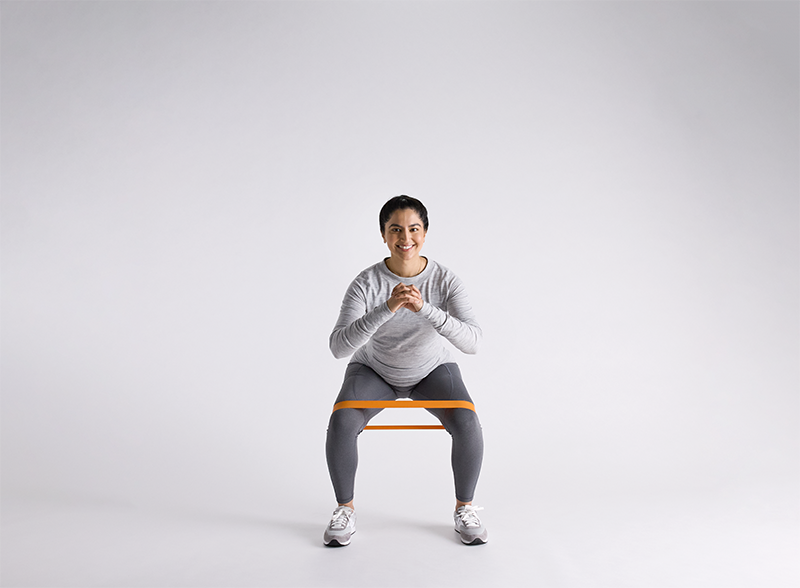
Learn how to do banded squats to improve leg and hip strength, plus modifications to make this exercise easier or harder.
Read more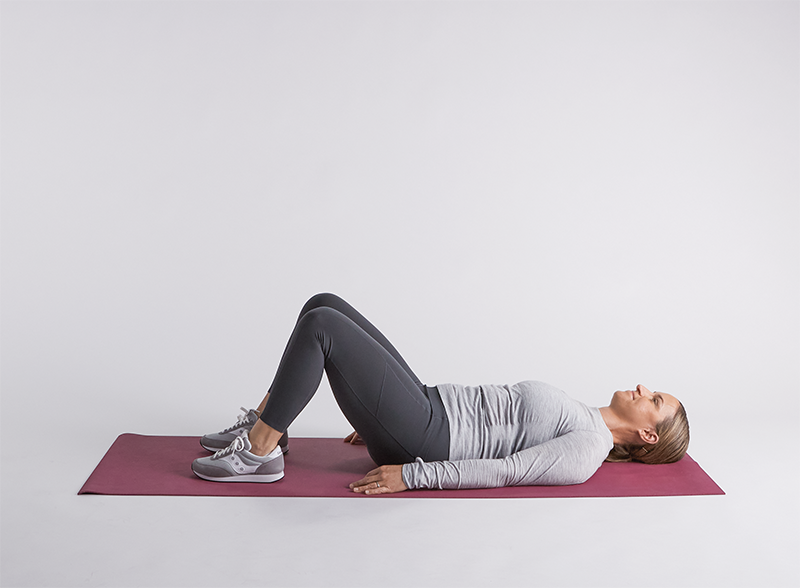
Learn how to do posterior pelvic tilts to improve mobility and strength in your core and hips, plus modifications to make this exercise easier or harder.
Read more
Fecal incontinence is the inability to control bowel movements. Discover the causes and treatment options for this common and challenging condition.
Read moreReferences
- 1Medina, M., & Castillo-Pino, E. (2019). An introduction to the epidemiology and burden of urinary tract infections. Therapeutic Advances in Urology, 11(1), 175628721983217. doi:10.1177/1756287219832172
- 2Zhou, Y., Zhou, Z., Zheng, L., Gong, Z., Li, Y., Jin, Y., Huang, Y., & Chi, M. (2023). Urinary Tract Infections Caused by Uropathogenic Escherichia coli: Mechanisms of Infection and Treatment Options. International Journal of Molecular Sciences, 24(13), 10537–10537. doi:10.3390/ijms241310537
- 3Sabra, R., Jihan Safwan, Dabbous, M., Rida, A., Malaeb, D., Akel, M., & Sakr, F. (2022). Assessment of knowledge, attitude and practice of Lebanese pharmacists in providing patient counseling on urinary tract infection and its treatment. Pharmacy Practice, 20(2), 01–10. doi:10.18549/pharmpract.2022.2.2653
- 4Yang, Y., Zhao, B., Wang, Y., Lan, H., Liu, X., Hu, Y., & Cao, P. (2025). Diabetic neuropathy: Cutting-edge research and future directions. Signal Transduction and Targeted Therapy, 10(1). doi:10.1038/s41392-025-02175-1
- 5Bono, M. J., Reygaert, W. C., & Leslie, S. W. (2025). Uncomplicated Urinary tract infections. National Library of Medicine; StatPearls Publishing. https://www.ncbi.nlm.nih.gov/books/NBK470195/
- 6Jung, C., & Brubaker, L. (2019). The etiology and management of recurrent urinary tract infections in postmenopausal women. Climacteric, 22(3), 242–249. doi:10.1080/13697137.2018.1551871