Vaginal atrophy and the pelvic floor: how movement and therapy ease symptoms
Nov 19, 2026
Over 1 Million members trust Hinge Health, a digital clinic that provides access to virtual physical therapy, to address their joint and muscle pain.
Reduction in member pain
of licensed physical therapists and health coaches
Average star rating of the Hinge Health mobile app
Bailey JF, et al. Digital Care for Chronic Musculoskeletal Pain: 10,000 Participant Longitudinal Cohort Study. J Med Internet Res 2020;22(5):e18250.
Learn what causes vaginal atrophy, how it connects to pelvic floor health, and the movement and therapy strategies that ease dryness, pain, and discomfort.
Available at $0 cost to many members
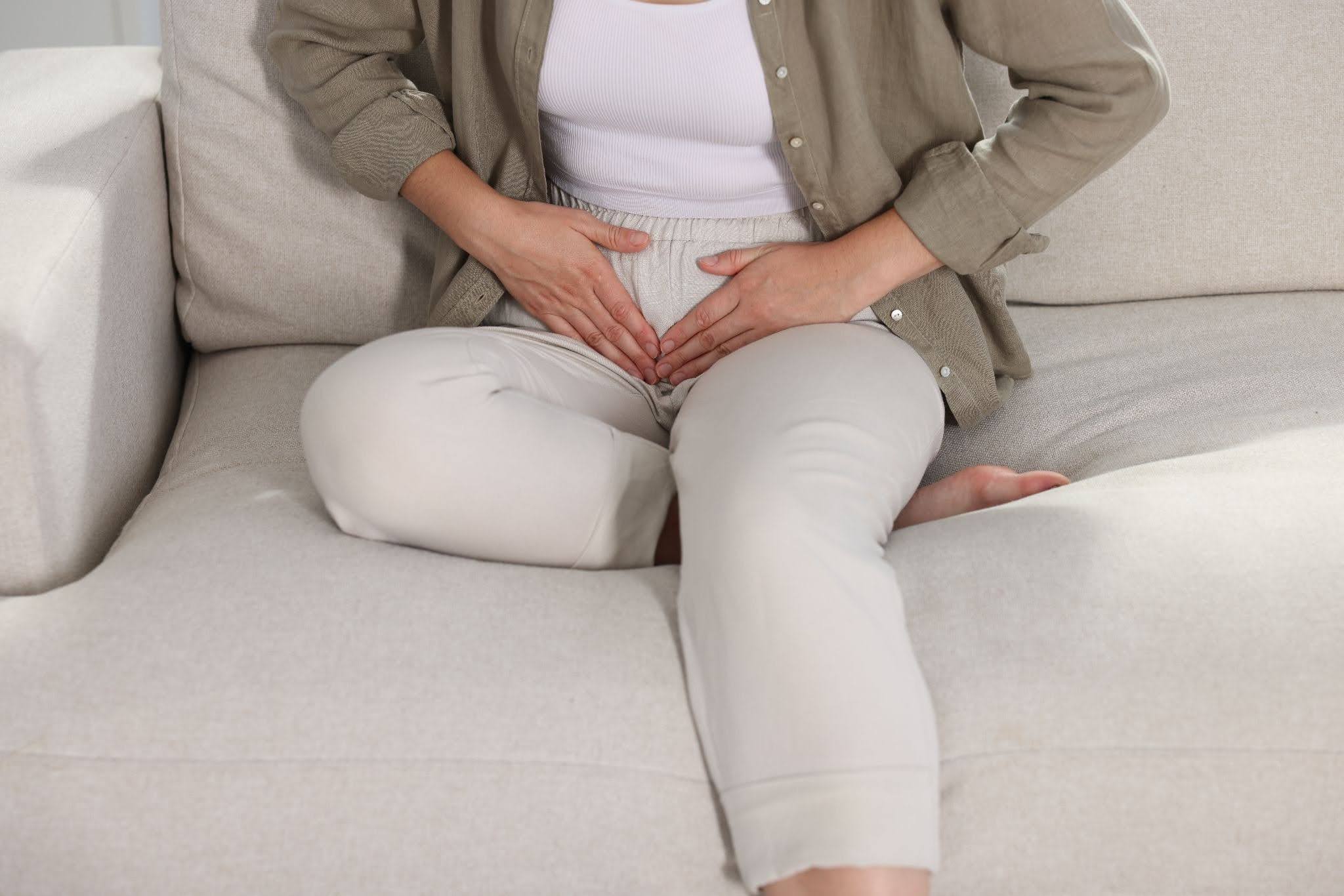
Maybe sex has started to feel uncomfortable, or even painful, when it never used to. You might notice vaginal dryness, itching, or burning during the day, or find yourself rushing to the bathroom more often than before. These are common signs of vaginal atrophy, also called genitourinary syndrome of menopause (GSM).
“Many of my patients assume dryness and pain during sex are just part of getting older, so they never bring them up,” says Jennifer Parker, PT, DPT, a physical therapist at Hinge Health.
But you don’t have to accept these changes as an inevitable part of aging. Vaginal atrophy is common, especially during and after menopause, and there are effective ways to manage symptoms.
“When estrogen naturally begins to drop during the menopausal transition, vaginal tissue can become thinner and drier, and your pelvic floor muscles may tighten in response, which can add to your discomfort,” says Dr. Parker.
Treatments like moisturizers, lubricants, and prescription treatments from your provider, and pelvic floor physical therapy can all help you feel more comfortable, including during sex.
Ahead, learn more about what causes vaginal atrophy, how it can affect your pelvic floor, and which treatments—including exercises recommended by Hinge Health physical therapists, can help you feel more comfortable, including during sex.
Reviewed by our clinical and medical experts

Dr. Parker is a Hinge Health physical therapist who specializes in pelvic health throughout life transitions including pregnancy/postpartum, menopause, and beyond.
Jennifer Parker, PT, DPT
Physical Therapist

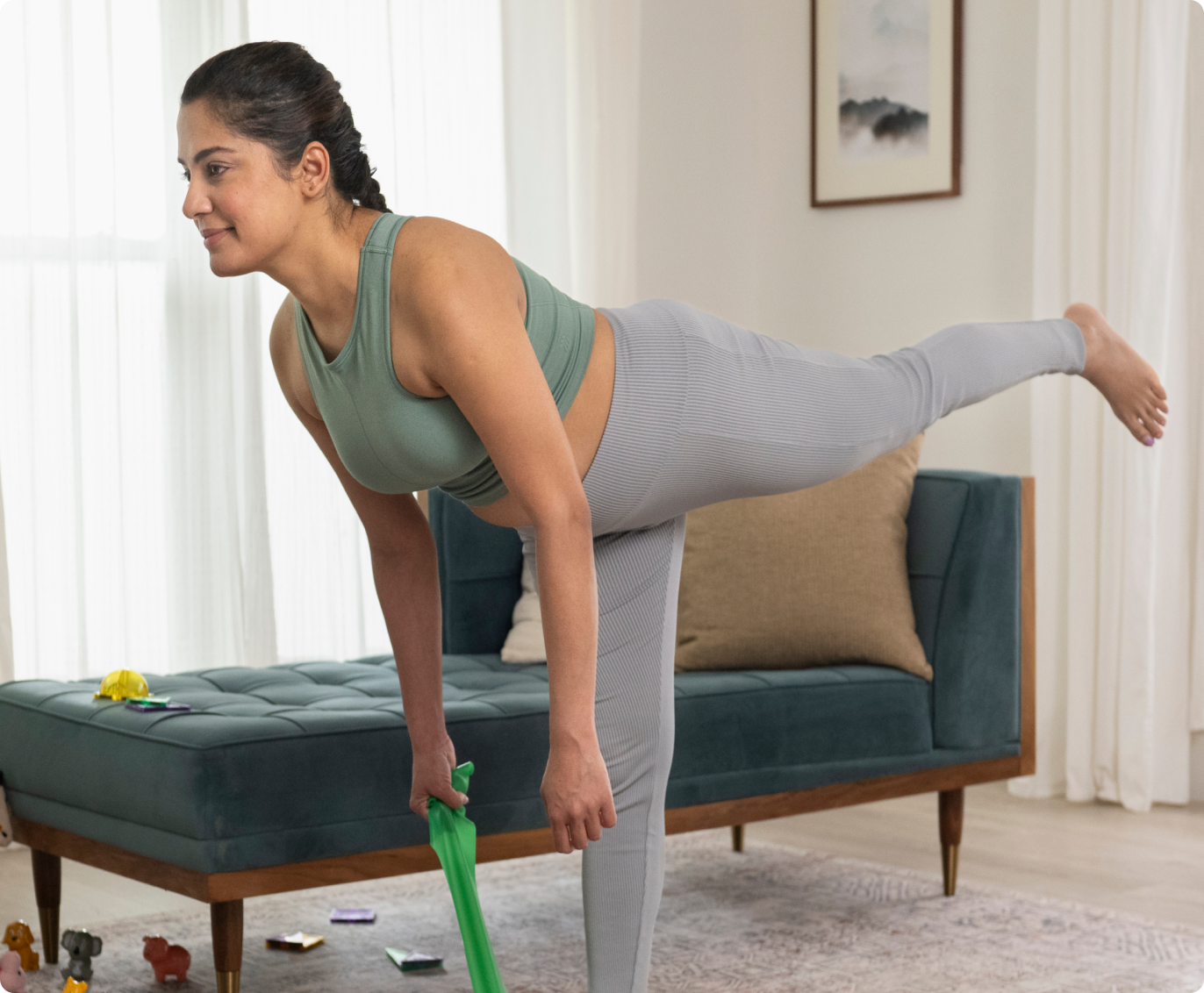
Fully Covered Pelvic Care
Find relief from pelvic pain, leakage, muscle weakness, & more.
What is vaginal atrophy?
Vaginal atrophy describes changes in the tissue of your vagina and your surrounding genital area (vulva) that occur when estrogen levels decline. Healthcare providers now often use the name GSM because these changes can also affect your bladder and urethra, the tube that carries urine out of your body. You may also see older names, such as atrophic vaginitis or vulvovaginal atrophy.
Estrogen helps keep your vaginal tissues healthy, elastic, and lubricated. Although vaginal atrophy is most common during and after menopause, it can also occur during other times when estrogen levels are low, such as while breastfeeding or after certain cancer treatments.
A healthcare provider can usually diagnose vaginal atrophy by discussing your symptoms and performing an exam, when appropriate. They may also recommend testing to rule out other conditions that can cause similar symptoms.
Symptoms of vaginal atrophy
Vaginal atrophy often feels like dryness, burning, or irritation in and around your vagina, and it can make sex uncomfortable. It can also change how often, or how urgently, you need to pee.
Vaginal and sexual symptoms
Common symptoms can include:
Vaginal dryness. Your vagina may feel dry, and you may notice less natural lubrication during sex.
Burning, itching, or irritation. The tissue in and around your vagina may feel sore, itchy, or easily irritated.
Pain during sex. Thinner, drier tissue can make sex uncomfortable or lead to painful intercourse.
Light bleeding after sex. More delicate vaginal tissues may bleed with friction, although any unexplained bleeding should be evaluated by a healthcare provider.
Urinary symptoms
Urinary changes can include:
Urgency and frequency. You may feel a sudden, strong need to pee or find yourself going more often than usual.
Burning when you pee. Peeing may sting or feel uncomfortable.
Bladder leaks. You may notice occasional urinary incontinence.
Recurring urinary tract infections (UTIs). Changes in vaginal and urinary tissues can increase the likelihood of UTIs, particularly after menopause.
Note: These symptoms can also have other causes, including infections and pelvic floor conditions. Your healthcare provider can help determine what's contributing to them.
What causes vaginal atrophy?
Vaginal atrophy is primarily associated with lower estrogen levels or treatments that block estrogen’s effects on vaginal tissues. Several factors can contribute:
Menopause and perimenopause. Estrogen levels fluctuate during perimenopause (the years leading up to your last period) and remain lower after menopause, which can lead to vaginal dryness and other changes.
Surgical menopause. Having both ovaries removed causes surgical menopause and lowers your estrogen. Symptoms may be more frequent and more severe after surgical menopause than after natural menopause.
Certain cancer treatments. Some chemotherapy treatments, pelvic radiation, and hormone-blocking therapies can lower your estrogen levels and contribute to vaginal dryness and irritation.
Breastfeeding. Your estrogen levels are lower while you’re breastfeeding, which can lead to vaginal changes, such as less natural lubrication and more discomfort.
Certain medications. Medicines that lower or block estrogen, such as aromatase inhibitors and GnRH antagonists (which are used to help manage endometriosis symptoms), are also linked to vaginal atrophy.
Vaginal atrophy isn't caused by doing something wrong, and it isn't necessarily related to how sexually active you are. These are hormone-related changes that can happen regardless of your lifestyle.
How vaginal atrophy can affect your pelvic floor
Your pelvic floor is a group of muscles at the base of your pelvis that supports your bladder and bowels and plays an important role in sexual function.
Like other muscles in your body, your pelvic floor needs to be able to contract, relax, and coordinate with surrounding muscles. When vaginal dryness or irritation makes sex uncomfortable, you may find yourself tensing your pelvic floor muscles without realizing it.
“A lot of my patients tell me they brace before sex or a pelvic exam without realizing it,” says Dr. Parker. “Bracing is your body’s way of protecting you, and it makes sense when something has hurt before.”
Over time, this protective tension can make penetration or pelvic exams feel even more uncomfortable.
“Part of my job is helping you notice that tension and practice letting it go with your breath,” says Dr. Parker. “As your muscles learn to relax, you may find penetration gets more comfortable over time.”
Not everyone with vaginal atrophy experiences pelvic floor muscle tension. But when it's contributing to symptoms, pelvic floor physical therapy can help you practice relaxing and coordinating these muscles.
It’s important to remember that pelvic floor exercises don't reverse the vaginal tissue changes caused by low estrogen. Instead, physical therapy can complement medical treatment by addressing associated muscle tension, pain, and functional symptoms.
Medical treatments for vaginal atrophy
Vaginal atrophy is treatable, and there are several options for easing dryness, irritation, and discomfort during sex.
Your OBGYN or a menopause specialist can help you choose an approach based on your symptoms, health history, and preferences. A 2024 review found that several treatments may help improve GSM symptoms. Your provider may recommend one or more of the following approaches:
Start with moisturizers and lubricants. Over-the-counter vaginal moisturizers can help with ongoing dryness, while lubricants reduce friction during sexual activity. These products can improve comfort but don't directly reverse estrogen-related tissue changes.
Ask about low-dose vaginal estrogen. Available as a cream, tablet, insert, or ring, vaginal estrogen can help improve dryness, irritation, and some urinary symptoms by acting directly on vaginal tissues. Very little estrogen is typically absorbed into the bloodstream. If you have a history of breast cancer, discuss the potential benefits and risks with your oncology and gynecology care teams.
Ask about vaginal DHEA (prasterone). This prescription vaginal insert may help relieve moderate to severe pain during sex associated with menopause.
Talk to your provider about ospemifene (Osphena). This pill isn’t a hormone, but it’s approved to treat GSM symptoms and may ease dryness and pain during sex. This prescription pill acts on estrogen receptors in certain tissues and is approved to treat moderate to severe vaginal dryness and pain during sex related to menopause.
Ask whether systemic hormone therapy fits your needs. Hormone therapy that works throughout the body may be appropriate if you also have symptoms like hot flashes or night sweats. Some people still need local vaginal treatment for persistent vaginal symptoms.
How pelvic floor physical therapy and movement help
When sex is painful, you might be tempted to avoid it altogether. But pelvic floor physical therapy can work alongside your medical treatment, using exercise, relaxation techniques, and more to help your pelvic floor muscles work well. Consider these approaches a pelvic floor physical therapist may use:
Practicing pelvic floor relaxation. If your muscles tend to tighten in response to discomfort, gentle breathing and relaxation exercises can help you become more aware of that tension and practice releasing it.
Trying manual therapy techniques. A pelvic floor physical therapist may use gentle hands-on techniques to help you notice and release tension in the muscles and tissues around your pelvic floor. They’ll explain what they’re doing, check in about your comfort, and adjust the approach based on your needs and preferences.
Improving pelvic floor coordination and strength. Your physical therapist may recommend exercises that help your muscles contract and relax more effectively. Strengthening isn’t always the first step, especially if muscle tension is contributing to pain, but it is possible to have both tight and weak pelvic floor muscles.
Trying vaginal dilators when appropriate. Vaginal dilator therapy involves using smooth devices to gradually become more comfortable with vaginal insertion or penetration. A pelvic floor physical therapist can help you determine whether dilators are appropriate and how to use them comfortably. “We practice breathing that lets your pelvic floor soften as you inhale, which you can use before sex or a dilator session,” says Dr. Parker.
Physical therapy can also help you find practical ways to make sexual activity more comfortable.
“We also talk about ways to make sex more comfortable, such as trying positions that let you control the depth and pace, using lubricant, and taking time to relax beforehand,” says Dr. Parker. “Talking with your partner about what feels okay can help you pause or change things whenever you need to.”
Tips to manage vaginal atrophy symptoms
Because vaginal atrophy is linked to changes in estrogen, it isn’t always preventable. But regular movement, pelvic floor relaxation, and using lubricants and moisturizers can all be part of your routine. Consider these tips:
Use lubricants and moisturizers as needed. Use a vaginal moisturizer regularly and a lubricant during sex to reduce friction. Both can make sex more comfortable, but they don’t change the tissue itself, so talk to your provider if symptoms continue.
Keep moving in ways you enjoy. Activities like walking, yoga, and gentle stretching can support your overall health and help you feel good in your body. “Movement doesn’t have to be intense to count, so pick something comfortable, like walking or gentle stretching, and do a little most days,” says Dr. Parker.
Learn to relax your pelvic floor. Relaxing your pelvic floor can help ease tension that builds when you’re stressed. Whenever you notice yourself tensing up, take a few slow, deep breaths and allow these muscles to soften.
Explore sexual activity at your own pace. If penetration is uncomfortable, you can focus on other forms of intimacy or sexual activity that feel good. There’s no need to force painful penetration.
Pay attention to what helps. Notice whether certain treatments, activities, or adjustments make everyday life or sex more comfortable. Small improvements can help you identify what's working.
Exercises for vaginal atrophy relief
This gentle breathing exercise encourages your diaphragm and pelvic floor muscles to move together. It can help you practice relaxing your pelvic floor, especially if you tend to tense these muscles when you're stressed or uncomfortable.
Want expert care?
Check if you're covered for our free programDid you know?
Pelvic floor physical therapy is more than just kegel exercises. Various exercises tailored to your symptoms and needs are key to getting relief. Pelvic floor PT can relieve many different pelvic issues, such as pelvic pain, painful sex, and urinary incontinence.
Members of the Hinge Health pelvic health program experience an average 67% reduction in pelvic pain and 54% reduction in urinary incontinence within the first 12 weeks. Learn more*.
Together, these moves help your pelvic floor muscles let go of tension, when necessary, build strength, and improve coordination. Start with movements that feel manageable, and remember that pelvic floor strengthening isn't always the right starting point if your muscles are already tense or painful. Consider working with a pelvic floor physical therapist to help identify which movements might be best for your symptoms.
The information contained in these videos is intended to be used for educational purposes only and does not constitute medical advice or treatment for any specific condition. Hinge Health is not your healthcare provider and is not responsible for any injury sustained or exacerbated by your use of or participation in these exercises. Please consult with your healthcare provider with any questions you may have about your medical condition or treatment.
When to see a doctor
Vaginal dryness, irritation, and other symptoms of vaginal atrophy are common, but that doesn't mean you have to live with discomfort. Talk to your healthcare provider if you experience:
Persistent vaginal dryness, itching, burning, or irritation
Pain during sex or pelvic exams
Urinary urgency, frequency, or bladder leaks
Recurring urinary tract infections
Symptoms that aren't improving with treatment.
Any unexplained vaginal bleeding or spotting after menopause should be evaluated promptly, even if you think it's related to vaginal dryness or irritation. Also, seek medical care ASAP for symptoms of a possible urinary tract infection, especially if you also have fever, chills, or pain in your back or side.
Your OBGYN or menopause specialist can help identify the cause of your symptoms and recommend treatment. A pelvic floor physical therapist may also be part of your care team if muscle tension, painful penetration, or bladder symptoms are contributing to discomfort.
PT tip: Bring a list of symptoms to your appointment
“Write down your symptoms before your appointment, including dryness, burning, pain during sex, or bladder changes,” says Dr. Parker. “Having a list makes it easier to bring up topics that can feel awkward to say out loud. Your provider may not ask about these symptoms, so naming them helps you get the care you need. Talking about vaginal and bladder symptoms is a normal part of menopause care.”
You can keep a note on your phone and add symptoms as you notice them in the days leading up to your visit. That way, you won't have to remember everything during your appointment, and you can focus on discussing treatment options that fit your needs.
How Hinge Health can help you
If you have pelvic pain, bladder, bowel, or other pelvic symptoms that are affecting your quality of life, you can get the relief you've been looking for with Hinge Health’s online exercise therapy program.
The best part: You don’t have to leave your home because our program is digital. That means you can easily get the care you need through our app, when and where it works for you. Through our program, you’ll have access to therapeutic exercises and stretches for your condition. Additionally, you’ll have a personal care team to guide, support, and tailor our program to you.
See if you qualify for Hinge Health and confirm free coverage through your employer or benefit plan here.
This article and its contents are provided for educational and informational purposes only and do not constitute medical advice or professional services specific to you or your medical condition.
Looking for pain relief? Check if your employer or health plan covers our program.
Join more than 1.2 million members and over 2,800 companies that trust Hinge Health to get relief.

Related articles
Overactive bladder is common and treatable. Learn what causes it and how pelvic floor exercises, bladder training, and other treatments can help.
Read more
Standing desks have become a popular way to counteract the harms of sitting too much. These PT-approved tips will make sure you’re using them properly.
Read more
Learn about ulnar tunnel syndrome and what can cause it, plus exercise tips for relief recommended by physical therapists.
Read more
Wonder why you have shoulder pain at night? Learn why you might have shoulder pain from sleeping, prevention tips, and exercises from physical therapists.
Read moreReferences
- 1Carlson, K., & Vadakekut, E. S. (2026). Genitourinary syndrome of menopause. In StatPearls. StatPearls Publishing. https://www.ncbi.nlm.nih.gov/books/NBK559297/
- 2Danan, E. R., Diem, S., Sowerby, C., Ullman, K., Ensrud, K., Landsteiner, A., Greer, N., Zerzan, N., Anthony, M., Kalinowski, C., Forte, M., Abdi, H. I., Friedman, J. K., Nardos, R., Fok, C., Dahm, P., Butler, M., & Wilt, T. J. (2024). Genitourinary syndrome of menopause: A systematic review (Comparative Effectiveness Review No. 272). Agency for Healthcare Research and Quality. doi:10.23970/AHRQEPCCER272
- 3Genitourinary syndrome of menopause. (2026, April 14). Johns Hopkins Medicine. https://www.hopkinsmedicine.org/health/conditions-and-diseases/genitourinary-syndrome-of-menopause
- 4Hormone therapy. (2026, July 29). The Menopause Society. https://menopause.org/patient-education/menopause-topics/hormone-therapy
- 5The Menopause Society. (2026, June 10). Surgical menopause causes more severe genitourinary syndrome of menopause phenotype [Press release]. https://menopause.org/press-releases/surgical-menopause-causes-more-severe-genitourinary-syndrome-of-menopause-phenotype
- 6Sex after menopause. (2025, December 17). Johns Hopkins Medicine. https://www.hopkinsmedicine.org/health/expert-qa/how-sex-changes-after-menopause
- 7Sexual health. (2025, June 5). The Menopause Society. https://menopause.org/patient-education/menopause-topics/sexual-health