
Over 1 Million members trust Hinge Health, a digital clinic that provides access to virtual physical therapy, to address their joint and muscle pain.
Reduction in member pain
of licensed physical therapists and health coaches
Average star rating of the Hinge Health mobile app
Bailey JF, et al. Digital Care for Chronic Musculoskeletal Pain: 10,000 Participant Longitudinal Cohort Study. J Med Internet Res 2020;22(5):e18250.
Perimenopause symptoms go far beyond hot flashes. Learn how to recognize the signs, like joint pain and bladder changes, and what can help you feel better.
Available at $0 cost to many members
Menopause is a natural life stage that every woman eventually experiences. Perimenopause is the transition leading up to menopause, and it can begin up to 10 years before your final period. During this time, estrogen and progesterone levels fluctuate. Symptoms are common, but what you notice — and how much it affects you — can vary from person to person.
Hot flashes and night sweats are well-known signs of perimenopause, but they aren’t the only ones. You may have more trouble sleeping, feel more tired than usual, notice changes in your mood, or find that your body feels different in ways you didn’t expect — including changes in how your clothes fit. Other common symptoms include joint stiffness, bladder and pelvic floor changes, and more. These changes can be easy to overlook or connect to perimenopause, especially when they develop gradually. While every woman goes through the menopause transition, that doesn’t mean you have to just deal with all of the unfavorable symptoms that can come with it.
“Staying consistent with exercise, making certain lifestyle changes, and exploring medical interventions when necessary can all help you manage symptoms and feel more in control of your health”, says Caitlin Warner, PT, DPT, PWCS, a physical therapist at Hinge Health. “A consistent exercise and movement routine can help manage joint pain, brain fog, and fatigue, while also helping to support muscle and bone health that both can be at risk during this life stage. Exercise is your secret weapon for supporting your body through this pivotal life stage,” she adds.
Ahead, learn when perimenopause symptoms can start, what changes to look for, and how consistent movement, especially targeted exercises recommended by Hinge Health physical therapists, and clinical treatments can help.
Reviewed by our clinical and medical experts


Fully Covered Pelvic Care
Find relief from pelvic pain, leakage, muscle weakness, & more.
When do perimenopause symptoms start?
For many women, perimenopause begins in their 40s, but some women can enter this transition as early as 35. It often lasts an average of four years, but there’s a wide range of normal. Some women experience symptoms for a decade leading up to menopause.
Similarly, some women notice irregular periods, some experience mood swings, while others don’t experience symptoms until later. The transition can last several years.
Perimenopause ends once you’ve gone 12 consecutive months without a period. At that point, you’ve reached menopause.
Symptoms of perimenopause
Symptoms can look very different from person to person. Some changes may be subtle, while others can interfere with sleep, work, exercise, or everyday life. Common perimenopause symptoms include:
Changes in your period. This is often one of the first signs of perimenopause. You might notice that your cycles become shorter or longer, bleeding may be lighter or heavier, and you may occasionally skip your period.
Hot flashes and night sweats. Also called vasomotor symptoms, hot flashes cause a sudden feeling of warmth, often in the face, neck, and upper body. Night sweats are hot flashes that happen while you sleep and can disrupt your rest.
Fatigue. Perimenopause fatigue often feels drastically different from simply being tired after a long day. You may feel drained, despite getting rest or notice that everyday activities (such as climbing stairs and doing dishes) require more effort than they used to. In a survey, 83% of those in perimenopause reported symptoms of fatigue and exhaustion
Mood and cognitive changes. Some women notice increased irritability, anxiety, low mood, forgetfulness, or trouble concentrating, often called brain fog. Research shows that during this transition, women are about 40% more likely to experience a mental health condition (such as depression) than premenopausal women. Note: If mood symptoms are persistent or affecting your quality of life, talk with your healthcare provider.
Sleep issues. Hormone fluctuations, night sweats, stress, and other symptoms can all make it harder to fall asleep, stay asleep, or wake feeling rested.
Joint and muscle changes. Estrogen plays a big role in your musculoskeletal health, supporting your muscle, bone, and connective tissues. As levels fluctuate and decline, some women notice more joint stiffness, aches, or changes in their strength and ability to recover from workouts or strenuous days.
Pelvic floor and bladder issues. Your pelvic floor is a group of muscles and tissues that stretch between your tailbone and pubic bone, supporting key organs including your bladder, bowel, uterus, and vagina. Your bladder sits on top of the pelvic floor, and the two are connected by fascia (connective tissue). Research shows that lower estrogen levels during perimenopause can weaken the pelvic floor muscles and lead to changes in the bladder and urethra, which can contribute to urinary problems, such as urinary incontinence.
Other changes. These may include weight changes, headaches, changes in libido, vaginal dryness, or differences in sexual comfort.
Many of these symptoms can also be caused by other health conditions, so it’s worth talking with your healthcare provider about what you’re experiencing. They can help determine whether perimenopause is contributing or whether something else needs attention.
How movement helps with perimenopause
If you’re exhausted, achy, or not sleeping well, exercise may be the last thing on your mind. But movement can be one of the most useful tools for feeling better during perimenopause.
“Exercise is key to managing many perimenopause symptoms, including joint pain, fatigue, and changes in mood and sleep,” says Dr. Warner.
Regular movement can help maintain muscle and bone strength, improve joint mobility, support cardiovascular health, and boost energy and mood. It can also help you feel more capable as your body changes.
The key is variety, not perfection. Strength training supports muscle and bone health, aerobic exercise supports heart health and endurance, mobility work can help ease (and prevent) stiffness, and balance exercises become increasingly valuable as you age.
“You don’t need to do a ton of every type of exercise,” says Dr. Warner. “The goal is to build a routine you can do consistently and gradually add from there.”
Exercises for perimenopause symptoms
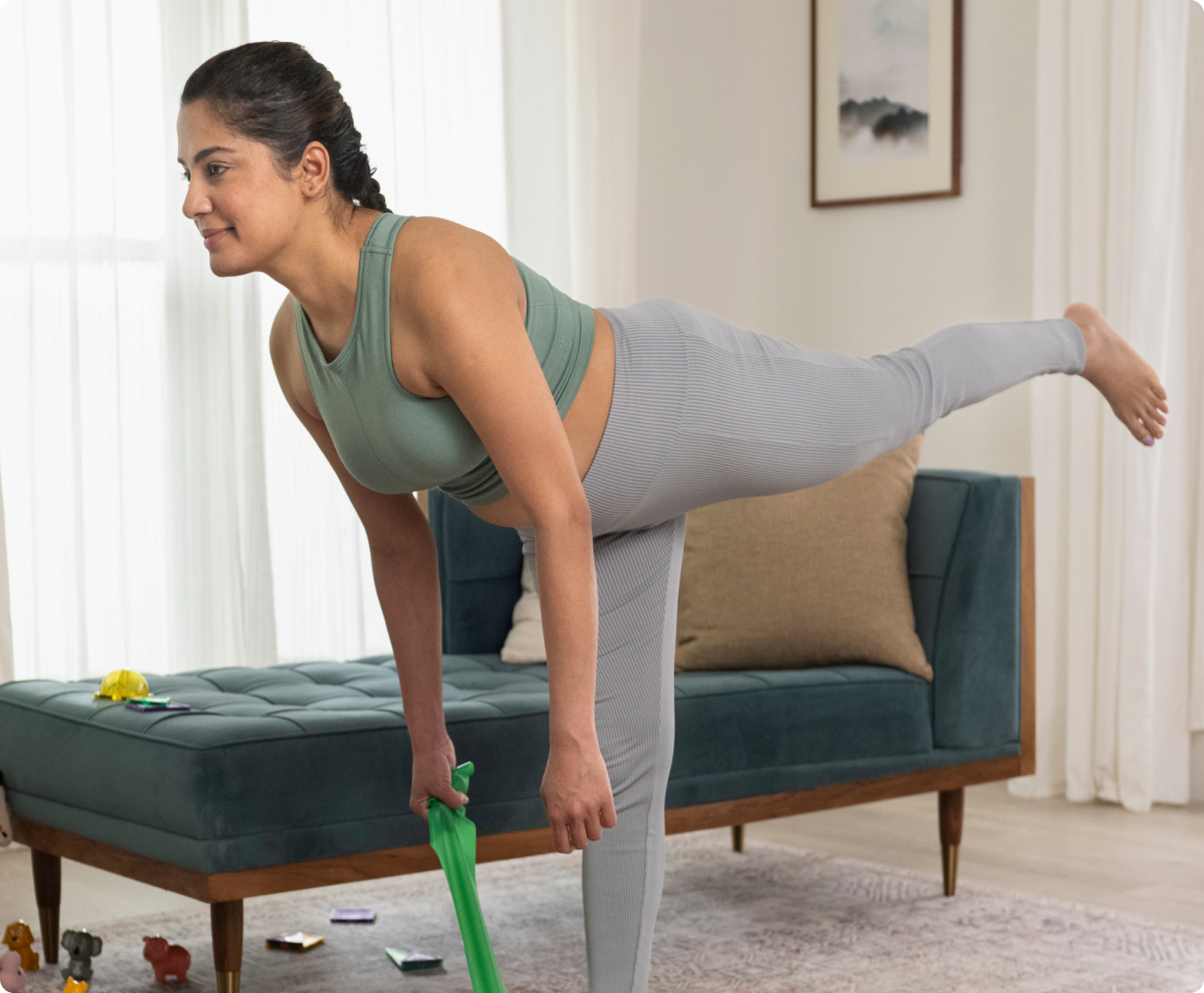
This move strengthens your hips, glutes, and legs all while helping you maintain mobility through your hips and knees, Dr, Warner says. Because this is a weight-bearing exercise, it also supports your bone health, which is critical as estrogen levels decline.
Want expert care?
Check if you're covered for our free programTogether, these exercises address several common needs during perimenopause. Squats and bent over row build strength, planks support core control, single-leg stance challenges balance, the hip flexor stretch promotes mobility, and diaphragmatic breathing supports relaxation and pelvic floor coordination.
You don’t need to do all of them at once. Even a few minutes of strength, balance, or mobility work can be a great place to start.
The information contained in these videos is intended to be used for educational purposes only and does not constitute medical advice or treatment for any specific condition. Hinge Health is not your healthcare provider and is not responsible for any injury sustained or exacerbated by your use of or participation in these exercises. Please consult with your healthcare provider with any questions you may have about your medical condition or treatment.
Did you know?
Pelvic floor physical therapy is more than just kegel exercises. Various exercises tailored to your symptoms and needs are key to getting relief. Pelvic floor PT can relieve many different pelvic issues, such as pelvic pain, painful sex, and urinary incontinence.
Members of the Hinge Health pelvic health program experience an average 67% reduction in pelvic pain and 54% reduction in urinary incontinence within the first 12 weeks. Learn more*.
Treatment for perimenopause symptoms
Not all perimenopause symptoms require the same treatments. Depending on which symptoms are most disruptive and how severe they are. Treatment options may include simple lifestyle changes, nonhormonal medications, and hormones. Your healthcare provider can help determine the approach that’s right for you.
Try physical therapy and targeted exercises. Targeted exercises can help you maintain muscle mass, protect bone density, reduce joint pain, and support your pelvic floor health during perimenopause. You can do exercise therapy at home or work with a physical therapist who can guide you through movements tailored to your needs. You can see a physical therapist in person or use a program like Hinge Health, where you may access a PT via telehealth/video visit.
Stay active. Any type of movement — walking, swimming, strength training, yoga — supports mood, sleep, metabolism, and musculoskeletal health during the perimenopause transition.
Consult your doctor about menopause hormone therapy (MHT). Hormone treatment is one of the most effective options for managing hot flashes, sleep problems, mood and cognitive changes, and musculoskeletal symptoms. Talk to a healthcare provider to determine if MHT is appropriate for you and what type may work best.
Support sleep, stress, and nutrition. These factors can all affect how you feel from day to day. Tracking symptoms may help you identify patterns and give your care team more useful information. Prioritizing sleep, eating a balanced diet, and getting enough calcium and vitamin D can also support overall health during the menopause transition.
Take over-the-counter (OTC) medication as needed. Pain relievers such as ibuprofen (Advil, Motrin), naproxen (Aleve), and acetaminophen (Tylenol) can help ease pain so you can do your targeted exercises and stay active when you have joint pain. Other options are topical NSAIDs or pain relief creams. If you have a medical condition or take other medications, check in with your provider to make sure these OTC options are safe to take.
Ask about prescription options. Depending on your symptoms, your healthcare provider may discuss nonhormonal medications for hot flashes, treatments for mood or sleep symptoms, or vaginal therapies for dryness and discomfort.
Consider complementary treatments. Talk to your provider if you’re interested in trying complementary approaches for perimenopause relief, such as massage, acupuncture, or mindfulness-based stress reduction.
When to see a doctor
Perimenopause symptoms are common, but you don’t have to wait until they become severe to ask for help. If your symptoms are disrupting your sleep, ability to work and exercise, relationships, or daily life, talk with a healthcare provider. It’s especially important to get care if you have:
Very heavy bleeding, bleeding that lasts longer than usual, or periods occurring unusually close together
Bleeding between periods or after sex
Mood changes that feel persistent or difficult to manage
New or worsening joint, bladder, or pelvic symptoms
A healthcare provider can help determine whether perimenopause is responsible and talk through treatment options based on your symptoms and goals.
PT tip: Prioritize strength training
Strength training is especially valuable during perimenopause because you naturally lose muscle mass and bone density as you age and estrogen levels decline. Resistance-based exercises can include free weights, resistance bands, weight machines, or bodyweight movements.
Aim to work major muscle groups regularly and include some balance training, too. “You don’t have to start with heavy weights,” says Dr. Warner. “The important thing is to build a routine you can stick with and gradually challenge yourself over time.”
Remember, building strong muscles and bones through functional targeted exercises can help you stay active and independent as you age. If you don’t know where to start, consider working alongside a licensed physical therapist or a certified personal trainer.
How Hinge Health can help you
If you have pelvic pain, bladder, bowel, or other pelvic symptoms that are affecting your quality of life, you can get the relief you've been looking for with Hinge Health’s online exercise therapy program.
The best part: You don’t have to leave your home because our program is digital. That means you can easily get the care you need through our app, when and where it works for you. Through our program, you’ll have access to therapeutic exercises and stretches for your condition. Additionally, you’ll have a personal care team to guide, support, and tailor our program to you.
See if you qualify for Hinge Health and confirm free coverage through your employer or benefit plan here.
This article and its contents are provided for educational and informational purposes only and do not constitute medical advice or professional services specific to you or your medical condition.
Looking for pain relief? Check if your employer or health plan covers our program.
Join more than 1.2 million members and over 2,800 companies that trust Hinge Health to get relief.
Related Articles
Learn why you don’t have to be injured or recovering from surgery to reap the benefits of physical therapy exercises.
Read more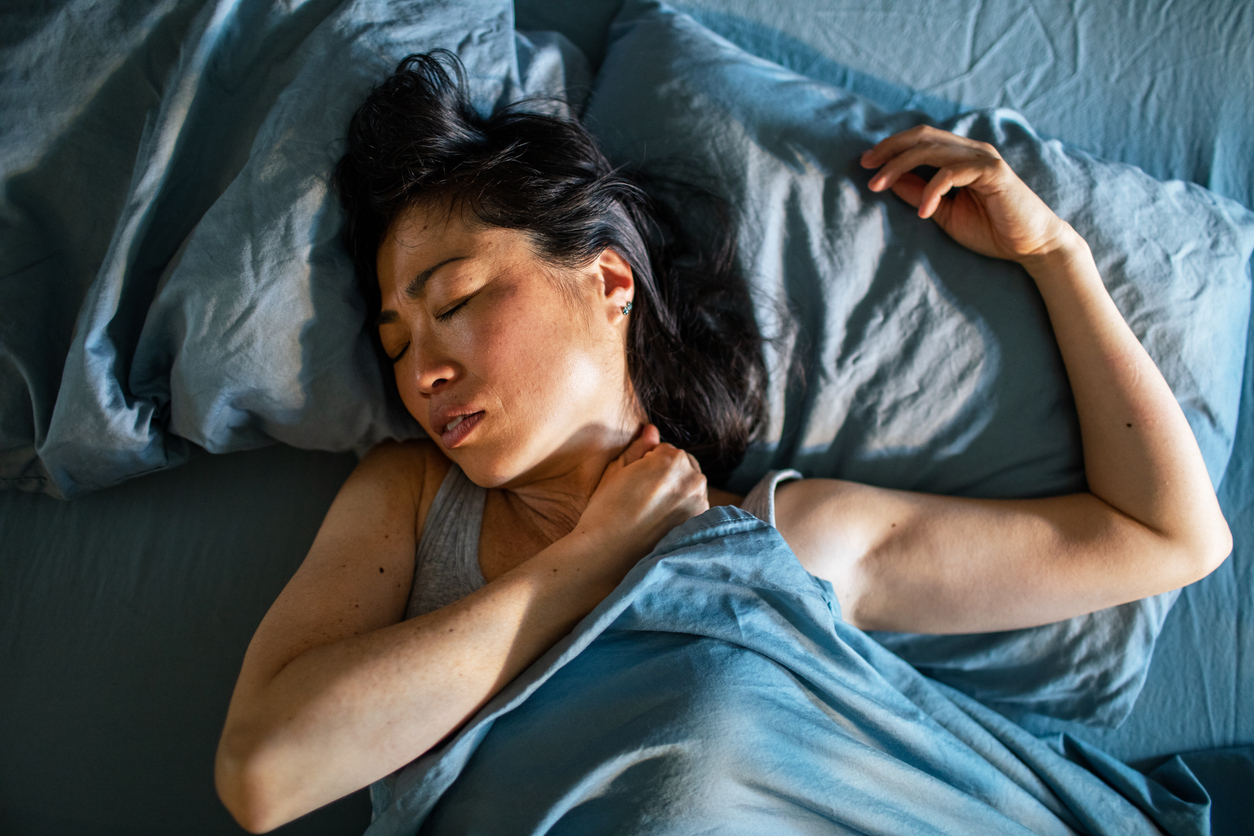
Waking up sore every morning? Learn the most common causes of morning body aches and what physical therapists recommend to feel better fast.
Read more
Changes in hand function may be caused by arthritis. Follow these PT-approved treatment tips and hand arthritis exercises to improve your dexterity.
Read moreReferences
- 1Badawy, Y., Spector, A., Lee, Z., & Desai, R. (2024). The risk of depression in the menopausal stages: A systematic review and meta-analysis. Journal of Affective Disorders, 357, 126–133. doi:10.1016/j.jad.2024.04.041
- 2Chen, W., Chen, M.-Z., Tang, H., Wei, W., Shao, P., Dou, S., Jia Rong Wu, Lu, B., Shi, R., & Chen, J. (2023). Advances in diagnosis and treatment of perimenopausal syndrome. Central European Journal of Biology, 18(1). doi:10.1515/biol-2022-0754
- 3Hedges, M. S., Hewings-Martin, Y., Karam, J., Castaneda, R., Cunningham, A. C., Xu, Y., Zhaunova, L., Faubion, S. S., & Shufelt, C. L. (2026). Global perspectives on perimenopause: a digital survey of knowledge and symptoms using the Flo application. Menopause. doi:10.1097/gme.0000000000002730
- 4Magraith, K., & Jang, C. (2023). Management of menopause. Australian Prescriber, 46(3), 48–53. doi:10.18773/austprescr.2023.014
- 5Menopause basics | Office on Women’s Health. (2025). OASH | Office on Women’s Health. https://womenshealth.gov/menopause/menopause-basics
- 6National Institute on Aging. (2021). What is menopause? National Institute on Aging; National Institute of Health. https://www.nia.nih.gov/health/menopause/what-menopause
- 7Wasnik, V. B., Acharya, N., & Mohammad, S. (2023). Genitourinary Syndrome of Menopause: A Narrative Review Focusing on Its Effects on the Sexual Health and Quality of Life of Women. Cureus, 15(11). doi:10.7759/cureus.48143
- 8Wegrzynowicz, A. K., Walls, A. C., Godfrey, M., & Beckley, A. (2025). Insights into Perimenopause: A Survey of Perceptions, Opinions on Treatment, and Potential Approaches. Women, 5(1), 4–4. doi:10.3390/women5010004