
Over 1 Million members trust Hinge Health, a digital clinic that provides access to virtual physical therapy, to address their joint and muscle pain.
Reduction in member pain
of licensed physical therapists and health coaches
Average star rating of the Hinge Health mobile app
Bailey JF, et al. Digital Care for Chronic Musculoskeletal Pain: 10,000 Participant Longitudinal Cohort Study. J Med Internet Res 2020;22(5):e18250.
An annular tear is a common spinal disc change that often improves with movement and exercise. Learn causes, symptoms, and treatments to feel better.
Available at $0 cost to many members
Our spines are strong, adaptable, and designed to support us through a lifetime of movement. If you've been told you have an annular tear, it's helpful to know that this finding doesn't define what you're capable of. With the right approach, many people are able to manage their symptoms, keep moving, and get back to the activities they enjoy.
So, what is an annular tear? Your spinal discs have a tough outer layer that helps hold everything together. Sometimes, a small tear can develop in that outer layer, explains Marcus Ainsworth, PT, DPT, a physical therapist at Hinge Health.
These tears are extremely common. Many are discovered on MRIs in people who don't have any back or neck pain at all. And if an annular tear is contributing to your symptoms, most people improve with simple annular tear treatment, including staying active, targeted exercise, and physical therapy.
Read on to learn what causes annular tears, what symptoms they may cause, and how movement, especially targeted exercises recommended by Hinge Health physical therapists, can help you recover.
Reviewed by our clinical and medical experts


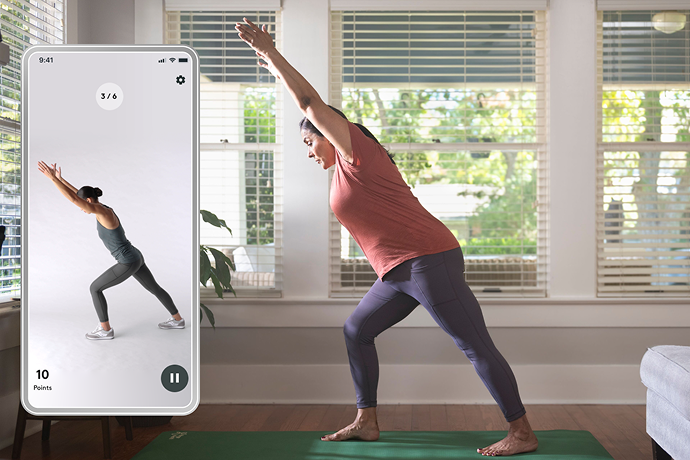
Fully covered back pain relief
Find relief from lower back pain, a thrown out back, sciatica, & more.
Causes of annular tears
Annular tears are often part of the normal changes that occur in the spine over time. In fact, as many as half of adults may have one. Rather than one single cause, several factors may contribute.
Age-related spinal changes. As you age, your spinal discs naturally become a little less hydrated and flexible, which is a normal part of aging. These changes may make small tears in the outer disc more likely.
Repetitive movements. Frequently bending, twisting, or lifting without gradually building strength can sometimes contribute to an annular tear. But remember that your back is resilient and is designed to handle all of these everyday movements. One of the best ways to protect your spine is by strengthening the muscles and structures that support it.
Sudden trauma or injury. Falls, sports injuries, or car accidents may contribute to an annular tear, particularly when the spine is exposed to forces it wasn't prepared for.
Excess body weight. Carrying additional body weight increases the load your spine manages each day, although many factors — including genetics, activity level, and overall health — also influence disc health.
Sedentary habits. Long periods of sitting can lead to weaker core and back muscles. These muscles help share the workload with your spine, and strengthening them can improve support for everyday movement.
Symptoms of annular tears
Many people with an annular tear don't have any symptoms. But for those who do have symptoms, these typically include:
Localized neck or back pain that’s often deep and achy
Pain that changes with certain positions, like sitting, bending, or lifting
Pain that radiates into your arms or legs, due to an irritated nerve
Numbness or tingling
Muscle stiffness or spasms near the affected area
How movement can help annular tears
When you have one or several of the above symptoms, it may seem like the best thing you can do is rest, but the opposite is usually true. Movement is one of the most effective tools for helping your back recover from an annular tear.
"Staying active helps your spine become stronger and more resilient over time," says Dr. Ainsworth. Gentle movement improves circulation to the surrounding tissues, strengthens the muscles that support your spine, and helps maintain flexibility so everyday activities become easier.
Rather than protecting your back by avoiding movement, targeted exercise helps your body adapt. As your core, back, and hips become stronger and more coordinated, your spine becomes better supported, helping you move with greater confidence.
Exercises for annular tears
This exercise strengthens the muscles in your back and deep core that work together to support your spine. It also improves balance and coordination, helping you move with greater stability during everyday activities.
Want expert care?
Check if you're covered for our free programThese exercises work together to strengthen your core, back, and hips so they can better support your spine during everyday activities. Bird dog and superman strengthen the muscles along your back, while dead bug, plank, and L-sit oblique twists improve deep core stability. Hip thrusts strengthen your glutes, another important source of support for your spine.
The information contained in these videos is intended to be used for educational purposes only and does not constitute medical advice or treatment for any specific condition. Hinge Health is not your healthcare provider and is not responsible for any injury sustained or exacerbated by your use of or participation in these exercises. Please consult with your healthcare provider with any questions you may have about your medical condition or treatment.
💡Did you know?
Physical therapy (PT) is for more than just recovering from surgery or injury. It’s one of the top treatments for joint and muscle pain. It helps build strength, improve mobility, and reduce pain. And it doesn't always need to be in person.
Hinge Health members can conveniently access customized plans or chat with their care team at home or on the go — and experience an average 68% reduction in pain* within the first 12 weeks of their program. Learn more*.
Treatments for annular tears
Most annular tears improve without surgery. Simple treatments that focus on reducing pain, improving movement, and helping your body become stronger and more resilient over time can help a lot. Here’s what Hinge Health physical therapists recommend:
Try physical therapy and targeted exercises. This is the first-line treatment for pain due to an annular tear. These will help to strengthen the core and back muscles that support your spine, to reduce strain on the affected disc and help you move more comfortably. “A physical therapist can also work with you to teach you the best positions to adopt and avoid so you can continue to do things like lift,” adds Dr. Ainsworth. You can see a physical therapist in person or use a program like Hinge Health, where you may access a PT via telehealth/video visit.
Stay active. Any type of movement, including walking, stretching, or even doing household chores, can improve blood flow to spinal tissues and support healing. “Starting with a simple daily walking program can help strengthen your back and core muscles and increase blood flow to the tender area,” says Dr. Ainsworth.
Apply heat or ice. Ice can help tame swelling and inflammation after a tweak or pain flare-up, whereas a heating pad can help ease muscle stiffness and tightness. Use either or both methods depending on what works best for you.
Take over-the-counter (OTC) medication. Pain relievers such as ibuprofen (Advil, Motrin), naproxen (Aleve), and acetaminophen (Tylenol) can help ease pain so you can do your targeted exercises and stay active when you have back pain. Other options are topical NSAIDs or pain relief creams. If you have a medical condition or take other medications, check in with your provider to make sure these OTC options are safe to take.
Consider lifestyle modifications. Factors like sleep, stress, nutrition, and certain activities can all play a role in how you feel. In fact, many people are surprised to learn that pain isn’t just about what’s happening physically — your daily habits and overall well-being can have a real impact, too. Staying curious about how your routines affect your muscles and joints can help you identify where small changes might help reduce pain. For example, you might notice your pain is less noticeable on low-stress days.
Consider complementary treatments. Talk to your provider if you’re interested in trying alternative treatments for back pain relief, such as massage, acupuncture, or chiropractic care.
Ask about TENS therapy. TENS, or transcutaneous electrical nerve stimulation, uses gentle pulses to quiet your pain response and help reduce back pain. One option is the wearable device Enso, available through Hinge Health. It's small, wireless, and portable.
Annular tear recovery time
Annular tear recovery time varies from person to person. Smaller tears may improve within weeks to months, while larger tears or symptoms involving irritated nerves may take longer.
Again, staying active and following a consistent exercise program helps build strength, improve movement, and support your body's natural healing process.
Recovery is rarely linear — some weeks you'll notice bigger improvements than others, and that’s okay. But every walk, every exercise therapy session, and every gradual return to your favorite activities helps your body become stronger and more resilient over time.
How to prevent annular tears
While some annular tears are part of the normal changes that occur with age, healthy movement habits can help support your spine over the long term. These include:
Regular exercise. “Targeted exercises for your back and core will help to keep the area strong,” explains Dr. Ainsworth.
Vary your posture and movement throughout the day. “It helps ease pressure on discs that can build up by sitting for long periods of time,” says Dr. Ainsworth. Try to take small movement snack breaks every 30 to 60 minutes if you can, whether that’s getting up to refill your water bottle or doing some desk-friendly stretches.
Maintain a healthy weight for you. It supports your overall musculoskeletal health and can help you move with more ease.
Increase physical activity slowly. Gradually building up to more demanding activities instead of doing too much too soon can help protect your back from strain.
Tips to manage annular tear pain
Small adjustments to your daily routine can make a big difference in how you feel while your back continues to recover. These strategies can help you stay active comfortably:
Change positions frequently. “Your next position is your best position to help prevent stiffness and strain on your annular tear,” says Dr. Ainsworth. Consider setting a timer every hour or so to remind you.
Use supportive pillows when you sleep. Place a pillow between your knees if you’re a side sleeper, and place one under your knees if you’re a back sleeper.
Listen to your body. If you notice subtle changes, such as more soreness, adjust your activities.
When to see a doctor
An annular tear often improves on its own with at-home simple treatments. But if your pain is severe, getting worse, or causing difficulty with daily activities, see a healthcare provider. It’s also a good idea to get care if you have:
Numbness, tingling or weakness in your arms or legs
Loss of bladder or bowel control
Pain that doesn’t improve after several weeks of conservative care
Pain after a significant injury or trauma
PT tip: Let your whole body share the work
"When you're bending or lifting, don't rely only on your back," says Dr. Ainsworth. "Use your hips and legs to share the work. Squatting to pick something up or pivoting your feet before twisting spreads the load across your whole body.” It's a helpful strategy for everyone — not just people recovering from an annular tear.
How Hinge Health can help you
If you have pelvic pain or symptoms that are affecting your quality of life, you can get the relief you've been looking for with Hinge Health’s online exercise therapy program.
The best part: You don’t have to leave your home because our program is digital. That means you can easily get the care you need through our app, when and where it works for you.
Through our program, you’ll have access to therapeutic exercises and stretches for your condition. Additionally, you’ll have a personal care team to guide, support, and tailor our program to you.
See if you qualify for Hinge Health and confirm free coverage through your employer or benefit plan here.
This article and its contents are provided for educational and informational purposes only and do not constitute medical advice or professional services specific to you or your medical condition.
Looking for pain relief? Check if your employer or health plan covers our program.
Join more than 1.2 million members and over 2,800 companies that trust Hinge Health to get relief.

Related Articles

Learn what causes pelvic instability, recognize the symptoms, and discover exercises and treatments that can help you move comfortably again.
Read more
Exercise helps manage multiple sclerosis symptoms like fatigue and balance issues. Learn heat management tips and how to build strength with MS.
Read more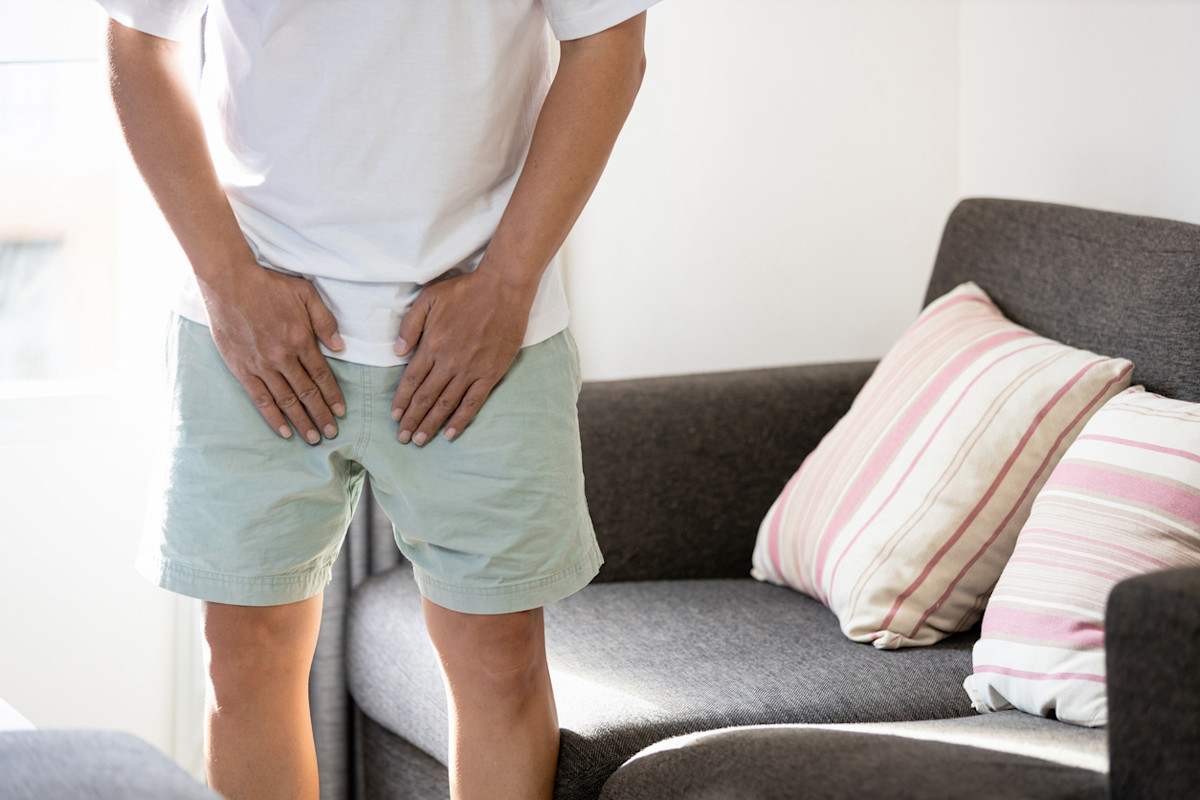
Understand what groin pain feels like, how it happens, and which movements can help treat it, so you can get back to doing what you love.
Read more
Learn about what causes stiff joints and how to feel better with tips and exercises from physical therapists.
Read more
Learn how to do seated marches to help with hip mobility and strength, plus modifications to make this exercise easier or harder.
Read moreReferences
- 1Tenny, S., & Gillis, C. C. (2020). Annular Disc Tear. PubMed; StatPearls Publishing. https://www.ncbi.nlm.nih.gov/books/NBK459235/
- 2Low Back Pain - OrthoInfo - AAOS. (n.d.). Www.orthoinfo.org. https://orthoinfo.aaos.org/en/diseases--conditions/low-back-pain/
- 3Du, S., Cui, Z., Peng, S., Wu, J., Xu, J., Mo, W., & Ye, J. (2025). Clinical efficacy of exercise therapy for lumbar disc herniation: a systematic review and meta-analysis of randomized controlled trials. Frontiers in Medicine, 12, 1531637. doi:10.3389/fmed.2025.1531637
- 4Gugliotta, M., da Costa, B. R., Dabis, E., Theiler, R., Jüni, P., Reichenbach, S., Landolt, H., & Hasler, P. (2016). Surgical versus conservative treatment for lumbar disc herniation: a prospective cohort study. BMJ Open, 6(12), e012938. doi:10.1136/bmjopen-2016-012938
- 5Li, Y.-H., Chai, C. L., & Tsuang, F.-Y. (2026). Annular repair method in lumbar disc herniation: A systematic review and network meta-analysis. Asian Journal of Surgery. doi:10.1016/j.asjsur.2026.01.190