PCOS and exercise: best workouts and how movement helps manage symptoms
August 20, 2026

Over 1 Million members trust Hinge Health, a digital clinic that provides access to virtual physical therapy, to address their joint and muscle pain.
Reduction in member pain
of licensed physical therapists and health coaches
Average star rating of the Hinge Health mobile app
Bailey JF, et al. Digital Care for Chronic Musculoskeletal Pain: 10,000 Participant Longitudinal Cohort Study. J Med Internet Res 2020;22(5):e18250.
Learn how exercise can help you manage PCOS symptoms, from insulin resistance to hormonal balance.
Available at $0 cost to many members
Hormonal conditions like polycystic ovary syndrome (PCOS) can affect everything from your periods and energy levels to fertility, skin, hair, and mental well-being. In May 2026, the condition was renamed polyendocrine metabolic ovarian syndrome (PMOS) to more accurately reflect what it is: an endocrine and metabolic disorder.
The name PCOS suggested that ovarian cysts were a defining feature, when in reality, many women with the condition don’t have that. Instead, symptoms can show up in dozens of ways, from midday energy crashes and excess facial or body hair to irregular periods and unexplained weight gain.
The condition is also more common than many people realize, affecting an estimated 11-13% of women worldwide. With a name that better reflects the full spectrum of the condition, more women may ultimately recognize their symptoms and receive an accurate diagnosis.
While there’s no cure for PCOS, or PMOS, there are many ways to manage symptoms, and regular movement can play an important role.
“Exercise can help level out some of the hormonal imbalances associated with PCOS,” says Lori Walter, PT, DPT, a physical therapist at Hinge Health. Regular physical activity can support insulin sensitivity, mood, sleep, energy, and weight management, among other benefits.
And you don’t need to follow a rigid workout plan to see benefits. Ahead, learn more about PCOS and exercise, including what types of movement may be especially helpful, plus tips from Hinge Health physical therapists for finding a routine that works for you.
Reviewed by our clinical and medical experts


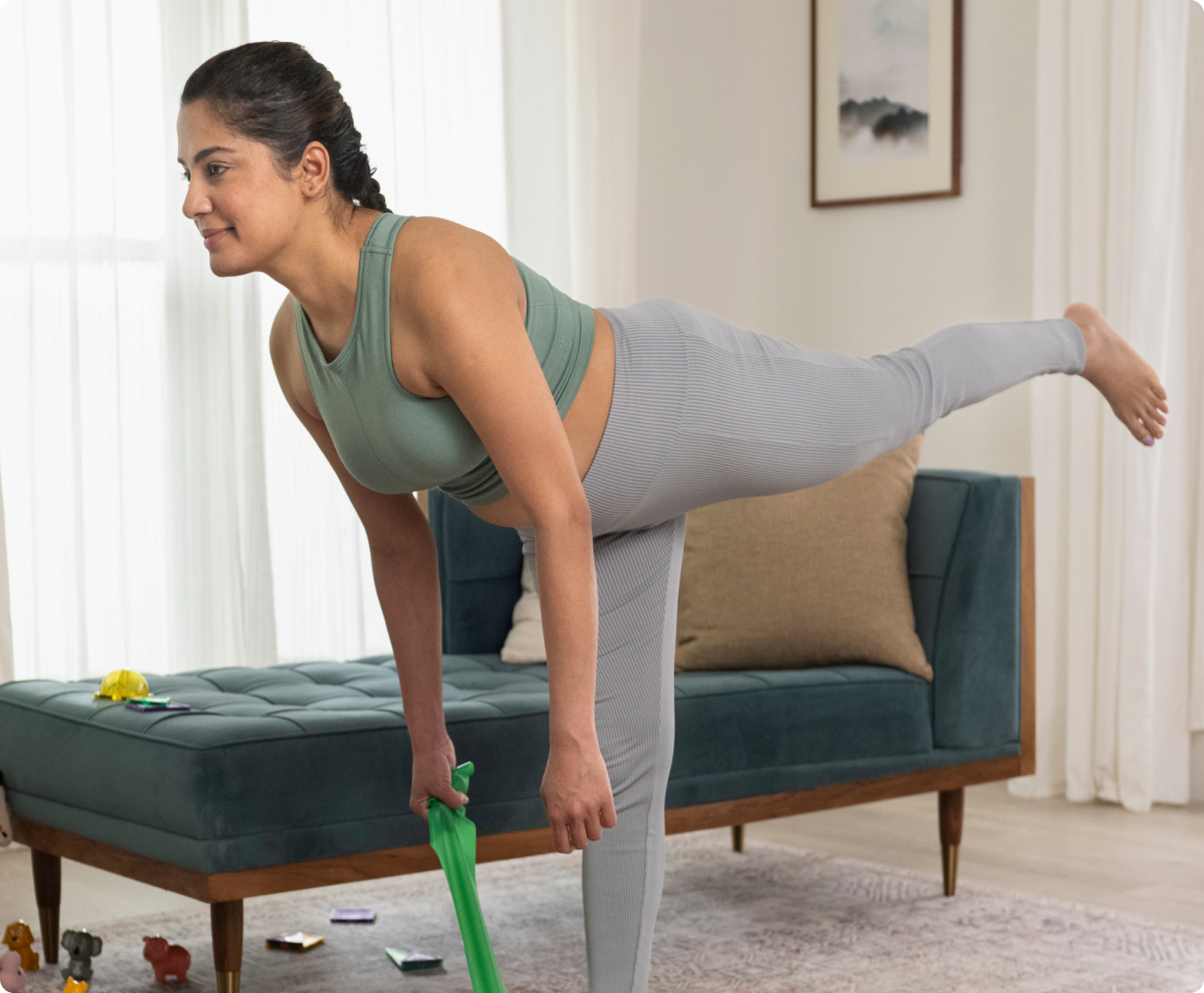
Fully Covered Pelvic Care
Find relief from pelvic pain, leakage, muscle weakness, & more.
What is polycystic ovary syndrome (PCOS)?
PCOS is a hormonal and metabolic condition that can affect people of any age who have ovaries. It can affect hormone regulation, metabolism, and reproductive health. It may involve higher levels of androgens, such as testosterone, and changes in ovulation that may affect fertility during the reproductive years.
Another possible feature of PCOS is insulin resistance. This means your cells don’t respond to insulin as effectively, so your body may produce more insulin to help manage blood sugar. Insulin resistance may increase the risk of type 2 diabetes.
Symptoms vary widely and may include irregular or missed periods, acne, increased facial or body hair, hair thinning, weight or mood changes, changes in energy, and difficulty getting pregnant. Some people with PCOS also develop ovarian cysts, which may contribute to pelvic pain or pressure.
Movement can support insulin sensitivity and is one helpful part of managing PCOS.
How movement helps PCOS management
Exercise addresses multiple PCOS-related challenges at once. Moving your body often can help improve insulin sensitivity, reduce stress, and increase your energy levels. Walking, strength training, yoga, and other activities you enjoy can all be beneficial.
Here are some of the ways regular exercise may help you manage your PCOS:
Improves insulin sensitivity. Insulin resistance is common with PCOS and can contribute to higher insulin and androgen levels. Exercise helps your muscles use glucose more efficiently. “Exercise reduces the amount of insulin circulating your bloodstream,” says Dr. Walter. “This can also reduce androgen production by the ovaries and improve your hormonal balance.”
Supports stress management. Living with a chronic condition can be stressful, and regular movement can help regulate your body’s stress response. “Exercise relieves stress, calms your nervous system, and turns down that hormonal cascade,” says Dr. Walter.
Supports pelvic health. Regular movement can improve circulation and mobility throughout your hips and pelvis. This may be particularly helpful if pelvic discomfort or muscle tension is part of your experience with PCOS.
Boosts mood and energy. Exercise can support mental well-being, sleep, and energy, all of which may be affected by PCOS.
Over time, regular movement may also support more predictable menstrual cycles, weight management, and other PCOS symptoms. You don’t need to address every symptom at once. Finding exercises you can do consistently is a good place to start.
Does exercise make PCOS worse?
There aren’t any exercises that are inherently “bad” for PCOS.
“Nothing is off limits,” says Dr. Walter. “It’s more about finding your movement sweet spot, or enough activity to see benefits without pushing past your body’s capacity, rather than having a list of things you can’t do.”
How much exercise your body tolerates can vary, so pay attention to intensity, recovery, and how you feel afterward. Try to keep the following in mind as you structure your weekly workouts:
Build high-intensity exercise gradually. High-intensity workouts can be part of your routine if your body is prepared for them. Focus on proper form and technique, and gradually increase the intensity, frequency, or duration over time. If you’re repeatedly finishing workouts exhausted or noticing that your symptoms are harder to manage, adjust one of these factors and see how you feel.
Give yourself time to recover. Alternate between hard workouts and low-intensity movements to give your muscle groups time to recover between rigorous sessions. Getting adequate sleep and refueling properly with lean protein, complex carbohydrates, and healthy fats are also important parts of recovery.
Over-exercising isn’t the goal. If your routine consistently leaves you feeling exhausted, interferes with your sleep, or causes persistent muscle soreness, you might benefit from adjusting the intensity, frequency, or type of activity you’re doing. Doing excessive high-intensity exercises without enough rest or with severe calorie restriction can elevate your cortisol (stress hormone) levels and potentially worsen insulin resistance and hormonal imbalances.
Best exercises for PCOS
There isn’t one workout that’s best for everyone with PCOS. “The best exercise is something you’ll actually want to keep doing,” says Dr. Walter. A well-rounded routine might include cardio, strength training, mind-body movement, pelvic floor exercises, or gentle mobility. Choose the activities that feel manageable and enjoyable, and build gradually as your body adapts.
Aerobic exercise (cardio). Walking, running, cycling, swimming, and dancing can improve cardiovascular health and insulin sensitivity. If it feels right for you, you can gradually work toward 150–300 minutes of moderate-intensity aerobic activity per week. Shorter sessions count too.
Low-impact cardio. If you’re dealing with fatigue, joint pain, or simply want a gentler workout, walking, swimming, water aerobics, cycling, and elliptical workouts can provide cardiovascular benefits without putting as much stress on your joints.
Strength training. Using weights, resistance bands, or your own body weight two to three times per week can help build muscle and support metabolic health. “The more muscle you have, the more efficiently your muscles can use glucose for energy,” says Dr. Walter.
Mind-body movement. Yoga, Pilates, and tai chi combine movement with breathing and body awareness, making them good options for managing stress while improving strength, balance, and mobility.
Pelvic floor exercises. This includes mobility and strengthening exercises, such as hip flexor stretch, hip extension, and diaphragmatic breathing. “They help release pelvic tension and improve blood flow to the reproductive organs, helping manage pain and support the nervous system,” says Dr. Walter. Pelvic floor physical therapy can also be beneficial.
Moves such as hip flexor stretches, hip extensions, and diaphragmatic breathing can promote mobility and relaxation in and around your pelvis. Pelvic floor physical therapy may also be helpful if you're experiencing pelvic pain, tension, or other pelvic floor symptoms.
A well-rounded routine can include moderate cardio throughout the week, strength training two or three times a week, and mind-body movement, pelvic floor exercises, or gentle mobility. You can spread these activities across the week, and shorter sessions count too — even a five- or 10-minute movement snack can be a helpful way to build a routine you enjoy and can stick with.
Remember that these are general guidelines, not requirements. You can always adjust the intensity, frequency, or duration based on your energy, symptoms, and recovery.
Tips for a successful PCOS exercise routine
Small adjustments to your workout routine can make a big difference in your PCOS management. Consider the following tips:
Meet your body where it’s at now. “If it’s been a while since you exercised or you’re dealing with a pain flare-up, start with just five or ten minutes,” says Dr. Walter. “You don't have to do 30 minutes right away.” You can gradually add more as your body adapts.
Don’t skip a warm up. A few minutes of gentle, dynamic movements can help prepare your muscles and joints for your workout, which can mitigate cortisol spikes and improve insulin sensitivity.
Balance cardio with strength training workouts. Both offer important benefits for PCOS and overall health. You don’t have to fit everything into one workout. If you lift weights on Monday, consider jogging or swimming on Tuesday. Alternating between these different types of movement can help you develop a balanced exercise routine.
Prioritize consistency over intensity. “Aim to do something every day, even if it’s just some pelvic mobility and breathing exercises,” says Dr. Walter. “Consistency is more important than intensity.” Recovery days and gentler movement are an important part of a balanced routine.
Pay attention to how you feel. Energy, sleep, stress, and symptoms can fluctuate. Give yourself permission to modify a workout when you need to. Scaling back on intensity or frequency on a low-energy day doesn’t erase the progress you’ve made.
Fuel your activity. Your body needs adequate nutrition to support exercise and recovery. Pairing strenuous exercise with significant calorie restriction can make it harder to feel and perform your best.
Choose forms of movement you enjoy. Walking with a friend, dancing, swimming, lifting weights, or doing yoga all count. Enjoying what you do makes it much easier to sustain.
Get support if you need it. If you’re not sure where to start, a physical therapist who understands PCOS or PMOS can help you build a personalized routine that meets you where you are and progresses as you get stronger.
💡Did you know?
Pelvic floor physical therapy is more than just kegel exercises. Various exercises tailored to your symptoms and needs are key to getting relief. Pelvic floor PT can relieve many different pelvic issues, such as pelvic pain, painful sex, and urinary incontinence.
Members of the Hinge Health pelvic health program experience an average 67% reduction in pelvic pain and 54% reduction in urinary incontinence within the first 12 weeks. Learn more*.
When to see a doctor
If you’re experiencing possible PCOS symptoms, such as irregular or missed periods, excess facial or body hair, acne, hair thinning, or difficulty getting pregnant, talk to a healthcare provider. PCOS symptoms can overlap with other conditions, so getting an accurate diagnosis is an important first step.
It’s also a good idea to seek care if you experience:
Severe or persistent pelvic pain
Heavy or unusual bleeding
Symptoms of high blood sugar, such as increased thirst or frequent urination
Significant or persistent mood changes
New or worsening symptoms
Working with a healthcare provider, such as an OB-GYN or endocrinologist, as well as a registered dietitian who specializes in endocrine conditions like PCOS, can help you find strategies to manage hormone and metabolic changes and get relief from symptoms.
Your care team can also help you determine whether any modifications are appropriate before starting a new exercise program, especially if you have other health conditions.
PT tip: Focus on today
PCOS symptoms and energy levels are rarely the same each day. Because of that, following a strict exercise routine can be challenging and not realistic.
“Hormones are so variable,” says Dr. Walter. “It’s better to ask, ‘How is my body doing today?’ instead of focusing on what you did yesterday or last week. Meet yourself where you are each day because it fluctuates.”
If you’re new to exercise, start with something manageable, whether that’s five minutes of breathing, a short walk, or a few bodyweight squats. If you feel good, you can always do more. If that’s enough for today, that’s great.
“PMOS management isn’t a linear path,” says Dr. Walter. “Listening to your body is what will set you up for long-term success.”
How Hinge Health can help you
If you have pelvic pain, bladder, bowel, or other pelvic symptoms that are affecting your quality of life, you can get the relief you've been looking for with Hinge Health’s online exercise therapy program.
The best part: You don’t have to leave your home because our program is digital. That means you can easily get the care you need through our app, when and where it works for you. Through our program, you’ll have access to therapeutic exercises and stretches for your condition. Additionally, you’ll have a personal care team to guide, support, and tailor our program to you.
See if you qualify for Hinge Health and confirm free coverage through your employer or benefit plan here.
This article and its contents are provided for educational and informational purposes only and do not constitute medical advice or professional services specific to you or your medical condition.
Looking for pain relief? Check if your employer or health plan covers our program.
Join more than 1.2 million members and over 2,800 companies that trust Hinge Health to get relief.
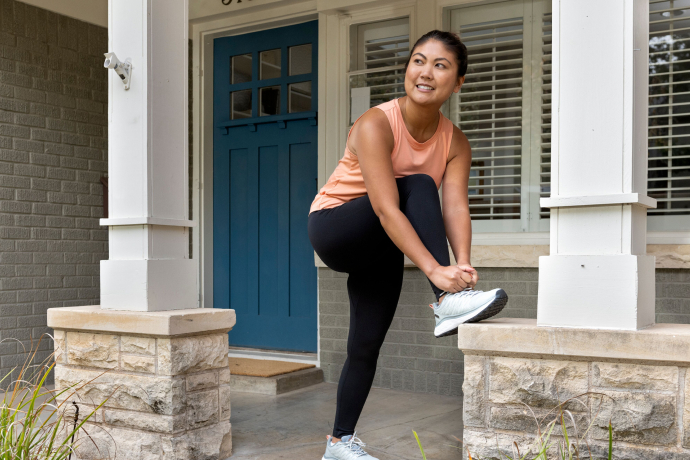
Related Articles
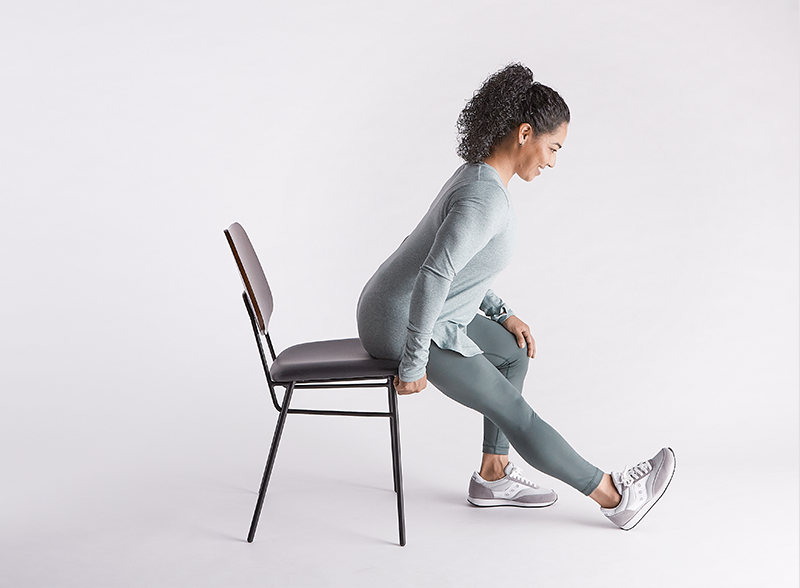
Ease discomfort and move better with these gentle Achilles tendon stretches and strengthening exercises recommended by Hinge Health physical therapists.
Read more
An abdominal strain is a common injury, and one that you can heal with conservative treatments such as mobility exercises and stretches.
Read more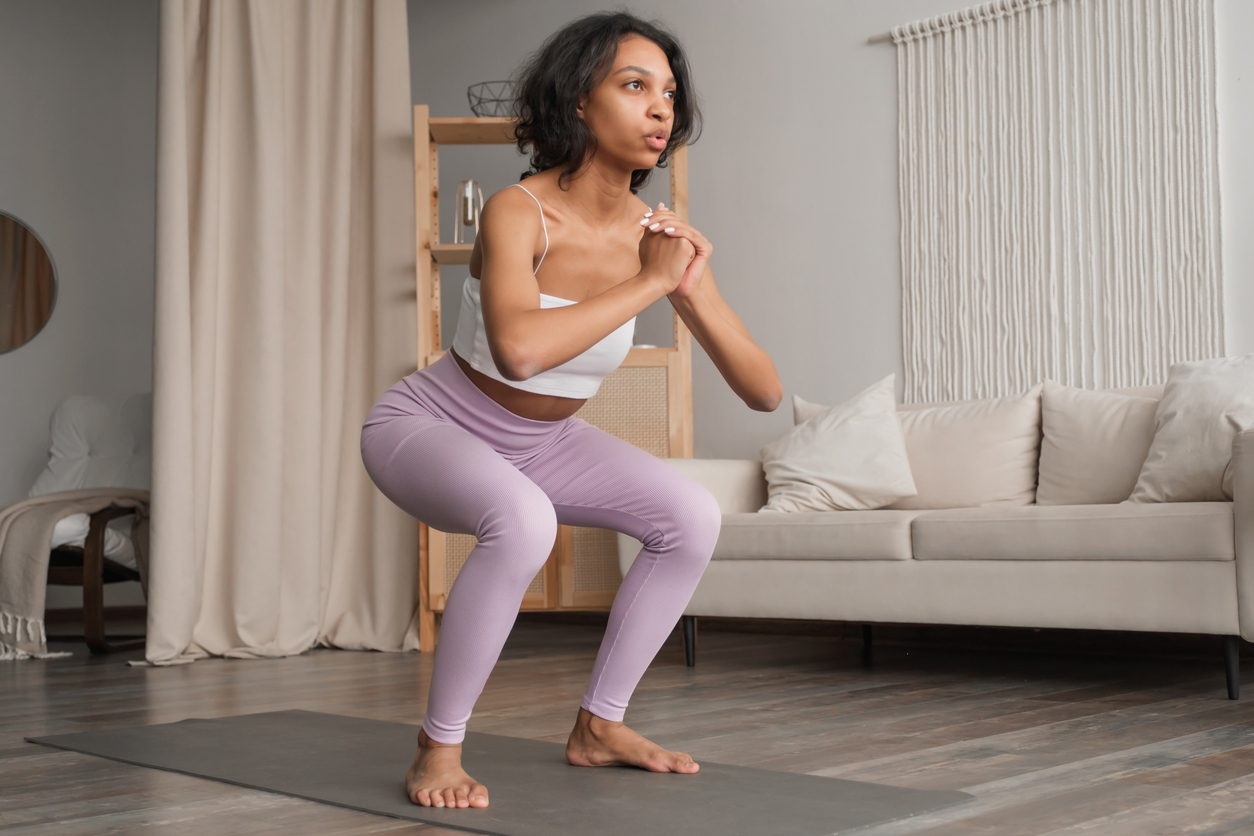
Discover effective ways to handle lower back pain when squatting with expert tips and recommended exercises from physical therapists.
Read more
Learn about wrist tendinitis and possible causes. Get tips to manage pain from wrist tendinitis and simple exercises from physical therapists to feel better.
Read more
Learn the truth behind myths about sitting cross-legged, plus ways to manage pain from sitting, including at-home exercises from physical therapists.
Read moreReferences
- 1Teede, H. J., Mahnaz Bahri Khomami, Morman, R., Laven, J. S. E., Joham, A. E., Costello, M. F., Patil, M., Rees, D. A., Berry, L., Cree, M. G., Zhao, H., Norman, R. J., Anuja Dokras, & Terhi Piltonen. (2026). Polyendocrine metabolic ovarian syndrome, the new name for polycystic ovary syndrome: A multistep global consensus process. The Lancet, 0(0). doi:10.1016/S0140-6736(26)00717-8
- 2Wang, J., Wang, B., Li, C., Meng, T., Liu, C., Chen, J., & Guo, Y. (2025). Evolving global trends in PCOS burden: A three-decade analysis (1990–2021) with projections to 2036 among adolescents and young adults. Frontiers in Endocrinology, 16. doi:10.3389/fendo.2025.1569694
- 3Piltonen, T. T., Kuusiniemi, E., & Teede, H. (2026). Ovarian cysts in polycystic ovary syndrome. JAMA Internal Medicine. doi:10.1001/jamainternmed.2026.1370
- 4Ghafari, A., Maftoohi, M., Samarin, M. E., Barani, S., Banimohammad, M., & Samie, R. (2025). The last update on polycystic ovary syndrome(PCOS), diagnosis criteria, and novel treatment. Endocrine and Metabolic Science, 17, 100228. doi:10.1016/j.endmts.2025.100228
- 5Sabag, A., Patten, R. K., Moreno-Asso, A., Colombo, G. E., Bouzo, X. D., Moran, L. J., Harrison, C., Kazemi, M., Mousa, A., Tay, C. T., Hirschberg, A. L., Redman, L. M., & Teede, H. J. (2024). Exercise in the Management of Polycystic Ovary Syndrome: a position statement from exercise and sport science Australia. Journal of Science and Medicine in Sport, 27(10). doi:10.1016/j.jsams.2024.05.015
- 6Teede, H. J., Mahnaz Bahri Khomami, Morman, R., Laven, J. S. E., Joham, A. E., Costello, M. F., Patil, M., Rees, D. A., Berry, L., Cree, M. G., Zhao, H., Norman, R. J., Anuja Dokras, & Terhi Piltonen. (2026). Polyendocrine metabolic ovarian syndrome, the new name for polycystic ovary syndrome: a multistep global consensus process. The Lancet, 0(0). doi:10.1016/S0140-6736(26)00717-8
- 7World Health Organization. (2025). Polycystic ovary syndrome. World Health Organization. https://www.who.int/news-room/fact-sheets/detail/polycystic-ovary-syndrome