
Over 1 Million members trust Hinge Health, a digital clinic that provides access to virtual physical therapy, to address their joint and muscle pain.
Reducción del dolor del usuario
de fisioterapeuta titulado y coach de salud
Valoración media de estrellas de la Aplicación móvil Hinge Health
Bailey JF, entre otros. Atención digital para el dolor musculoesquelético crónico: estudio de cohorte longitudinal con 10.000 participantes. J Med Internet Res 2020; 22(5):e18250.
Suddenly running to the bathroom all the time? Dealing with leaks when you cough or sneeze? Low estrogen may be contributing to your bladder symptoms.
Available at $0 cost to many members
Constantly feel like you need to pee? Leak a little when you cough, sneeze, or exercise? If you’ve recently had a baby and are breastfeeding — or you’re going through perimenopause or menopause — low estrogen may be playing a role.
Estrogen is best known for its role in reproductive health, but it also helps support your bladder, urinary tract, and pelvic floor muscles. When estrogen levels drop, those tissues can become weaker, thinner, and less supportive, leading to frustrating bladder symptoms. “It’s a common contributing factor to bladder symptoms among women,” says Amy Bock, PT, DPT, a pelvic health physical therapist at Hinge Health.
But just because your estrogen levels are in flux doesn’t mean you have to put up with these symptoms. There are many interventions, both holistic and medical ones, you can take to help ease discomfort. For example, pelvic floor physical therapy and targeted exercises can help strengthen and ease tension in your pelvic floor muscles so that you don’t experience as much urinary urgency or leakage.
Here’s a closer look at the connection between low estrogen and bladder symptoms, plus treatments and exercises recommended by Hinge Health physical therapists.
Reviewed by our clinical and medical experts


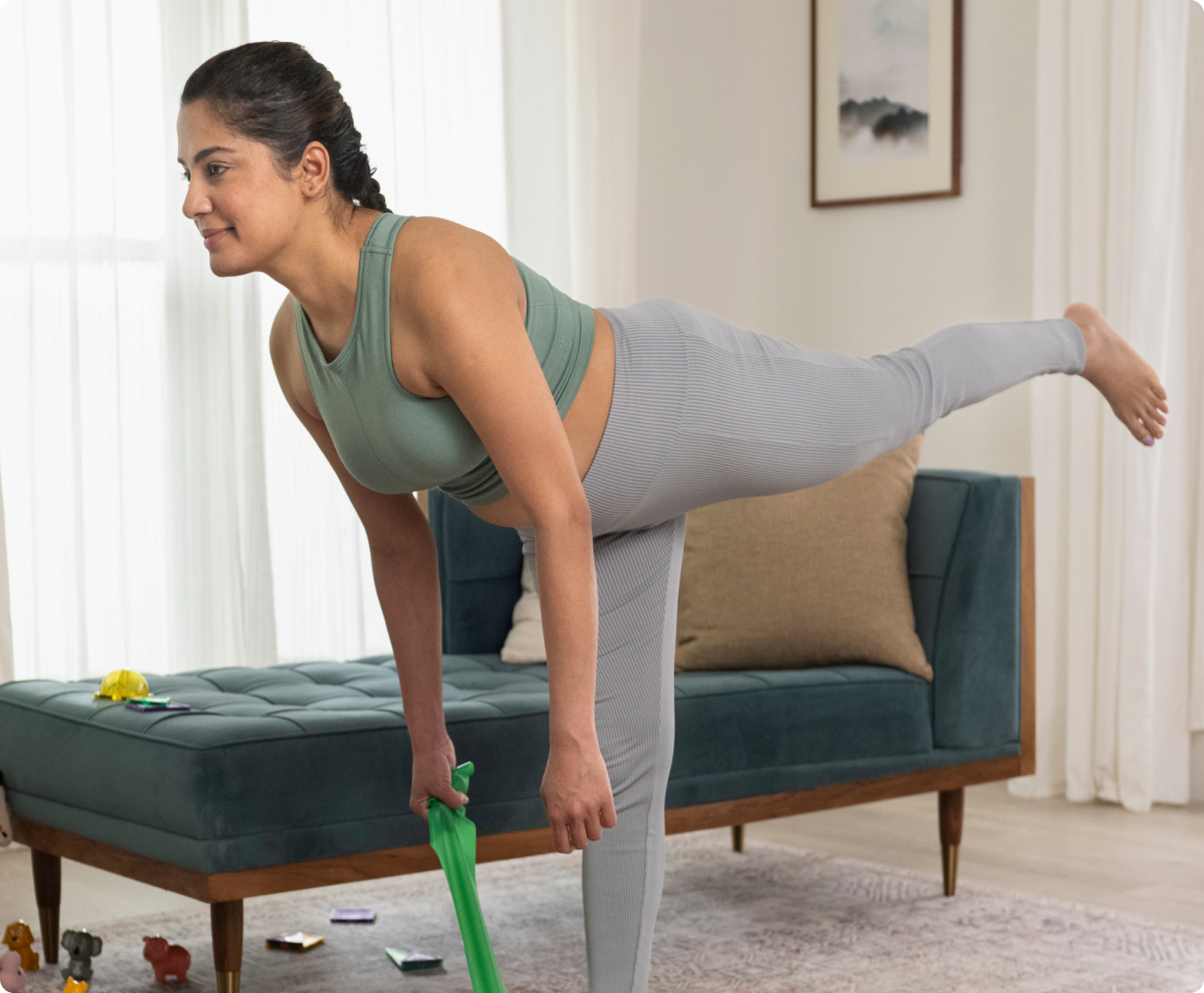
Fully Covered Pelvic Care
Find relief from pelvic pain, leakage, muscle weakness, & more.
The connection between estrogen and your bladder
Estrogen is a hormone that plays a key role in reproductive health, including puberty, menstruation, pregnancy, and menopause. But it also affects many other systems in the body — including your bladder and pelvic floor.
“Estrogen is an important hormone that supports bladder health,” says Dr. Bock. “It helps preserve the elasticity and thickness of the bladder lining.”
When estrogen levels drop, the tissues around the bladder and urethra can become thinner, drier, and less elastic. This can make it harder to hold in urine and may increase bladder sensitivity and irritation. Low estrogen can also contribute to bladder atrophy, or shrinking of the bladder tissues.
Estrogen also helps support the pelvic floor muscles — the group of muscles that support your bladder, bowel, and reproductive organs. “Estrogen increases blood flow to the pelvic region, which improves pelvic floor muscle tone and coordination,” explains Dr. Bock.
When estrogen levels decline, the pelvic floor muscles may weaken as well. The result? More urinary urgency, frequent bathroom trips, and leakage.
Low estrogen may also increase the risk of urinary tract infections (UTIs), especially during menopause. Changes in hormone levels can alter the tissues and bacteria around the urinary tract, making infections more possible. In addition, many women gain weight around menopause due to hormone-related metabolic changes, which can place even more pressure on the bladder.
Low estrogen bladder symptoms
Not everyone will experience the same symptoms; however, there are a few that are more common than others. These include:
Frequent urination. If you suddenly find yourself going to the bathroom much more often, low estrogen could be a factor. “Ideally you should empty your bladder every two to four hours, or up to eight times per day,” says Dr. Bock.
A sudden urge to pee. You may feel an intense urge to pee that comes on quickly, even if your bladder isn’t very full.
Urine leakage. Some women leak urine when they cough, sneeze, laugh, exercise, or can’t make it to the bathroom in time.
Waking up at night to pee. Frequent nighttime bathroom trips can be another sign of bladder irritation or pelvic floor dysfunction related to low estrogen.
Burning or discomfort with urination. Low estrogen can thin and dry the tissues around the vagina and urethra, making urination feel uncomfortable.
Frequent UTIs. Recurrent urinary tract infections — usually defined as two or more in six months — can become more common when estrogen levels are low.
Causes of low estrogen bladder symptoms
There are a few reasons why you may have low estrogen that causes bladder symptoms. Sometimes, it’s due to a couple issues occurring at once, says Dr. Bock. Here’s a quick look at some key culprits:
Perimenopause and menopause. Bladder symptoms often become more noticeable during perimenopause and menopause, when estrogen levels naturally fluctuate and decline. Hormonal shifts can begin during perimenopause, which can occur anywhere up to eight to 10 years leading up to menopause.
Hormonal changes linked with breastfeeding. When you breastfeed, your body produces prolactin, the hormone responsible for making breast milk. “As prolactin levels rise, estrogen levels decrease,” explains Dr. Bock. Once breastfeeding reduces in frequency and stops, estrogen levels typically return to normal.
Total hysterectomy. If you have a total hysterectomy — where your ovaries are removed, along with your uterus — you’ll immediately enter into menopause, where estrogen levels abruptly drop.
Certain medications. Some medications, such as aromatase inhibitors used during breast cancer treatment, intentionally lower estrogen levels and can contribute to urinary symptoms.
Chronic stress. “High cortisol levels over time can disrupt hormone production,” says Dr. Bock. Chronic stress can affect hormone balance throughout the body.
Treatments for low estrogen-related bladder symptoms
Treatment often involves a combination of pelvic floor therapy, lifestyle changes, bladder retraining, and medications when needed. Potential treatment options include:
Vaginal estrogen. Vaginal estrogen helps restore moisture, thickness, and elasticity to vaginal and urinary tissues. Research shows it can help improve symptoms such as urinary urgency, frequent urination, burning with urination, and recurrent UTIs. It’s available as prescription creams, tablets, or vaginal rings. Because the estrogen stays mostly localized to the vaginal tissues, it carries a much lower risk of side effects than oral hormone therapy. Talk to your doctor and see if this topical form of hormone replacement therapy might work for you.
Pelvic floor physical therapy. “It’s key to improve pelvic floor function and mobility,” says Dr. Bock. Physical therapy can help improve blood flow to the pelvic region, strengthen supportive muscles, and improve bladder control. Studies show pelvic floor physical therapy can help reduce symptoms such as urinary frequency, urgency, and leakage.
Bladder training. Bladder retraining techniques help teach your bladder to hold urine longer and reduce urgency. “The goal is to teach your bladder how to function in a more normal way,” explains Dr. Bock. Your pelvic floor physical therapist may recommend:
Set an interval goal (e.g., two hours between trips to the bathroom)
Gradually increasing the time between bathroom trips
Using urge suppression techniques
Avoiding “just in case” bathroom visits
Stay hydrated. Many people drink less water because they worry it will worsen symptoms. But dehydration can actually irritate the bladder more. “The less hydrated you are, the more concentrated your urine becomes, which can irritate your bladder even more,” says Dr. Bock. She recommends drinking roughly half your body weight in ounces of water daily and sipping fluids steadily throughout the day instead of drinking large amounts all at once.
Consider taking a probiotic. Some research suggests probiotics may help support urinary tract health and reduce recurrent UTIs. One commonly studied strain is lactobacillus rhamnosus GG (LGG), which is available over the counter as Culturelle. Always consult with your doctor before starting any new supplement routine.
Ask your doctor about prescription medications. Some people benefit from medications that calm an overactive bladder, such as anticholinergic or beta-adrenergic medications. However, these medications can have side effects, which is why simple at-home treatments like pelvic floor PT are often recommended first. “Physical therapy is considered low risk and high reward,” says Dr. Bock.
Why movement can help low estrogen bladder symptoms
When bladder symptoms flare up, it may feel like movement is the last thing you want to do — especially if you’re worried about leaking urine or feeling uncomfortable. But gentle movement and targeted exercises can actually help improve bladder control and reduce symptoms over time.
Movement helps improve circulation to the pelvic region, which supports the muscles and tissues around the bladder and pelvic floor. “Exercise also helps improve coordination and awareness of the pelvic floor muscles,” says Dr. Bock. “That can make it easier for those muscles to properly support the bladder.”
Targeted movement can also help reduce muscle tension. While some people develop weakness in the pelvic floor with low estrogen, others experience tightness and guarding in the muscles around the pelvis and hips, which can contribute to urgency and discomfort. Gentle stretching, breathing exercises, and mobility work can help those muscles relax and function more normally.
Movement also supports overall bladder health by helping regulate the nervous system, improve sleep, reduce stress, and maintain a healthy weight — all factors that can affect urinary symptoms.
The key is consistency, not intensity. Walking, stretching, breathing exercises, and gentle strength training can all help support your pelvic floor and bladder health without overloading your body.
Exercises to help manage low estrogen bladder symptoms
Deep belly breathing helps relax the pelvic floor muscles, improve mobility in the pelvic region, and calm the nervous system, which may reduce urinary urgency and muscle tension.
Want expert care?
Check if you're covered for our free programThese exercises are designed to improve pelvic floor mobility, increase circulation to the pelvic region, and strengthen the muscles that support the bladder. Deep breathing and gentle mobility exercises can help relax tension around the pelvic floor, while strengthening movements like bridges improve pelvic support and bladder control over time.
The information contained in these videos is intended to be used for educational purposes only and does not constitute medical advice or treatment for any specific condition. Hinge Health is not your healthcare provider and is not responsible for any injury sustained or exacerbated by your use of or participation in these exercises. Please consult with your healthcare provider with any questions you may have about your medical condition or treatment.
Did you know?
Pelvic floor physical therapy is more than just kegel exercises. Various exercises tailored to your symptoms and needs are key to getting relief. Pelvic floor PT can relieve many different pelvic issues, such as pelvic pain, painful sex, and urinary incontinence.
Members of the Hinge Health pelvic health program experience an average 67% reduction in pelvic pain and 54% reduction in urinary incontinence within the first 12 weeks. Learn more*.
PT tip: Avoid “just in case” bathroom trips
If bladder symptoms flare up, it may feel tempting to use the bathroom before every errand, meeting, or car ride — “just in case.” But that habit can actually train your bladder to signal urgency more often. “These behaviors can worsen urinary urgency and frequency,” says Dr. Bock. Instead, try gradually increasing the time between bathroom trips so your bladder doesn’t become conditioned to empty too often.
How Hinge Health can help you
If you have pelvic pain, bladder, bowel, or other pelvic symptoms that are affecting your quality of life, you can get the relief you've been looking for with Hinge Health’s online exercise therapy program.
The best part: You don’t have to leave your home because our program is digital. That means you can easily get the care you need through our app, when and where it works for you. Through our program, you’ll have access to therapeutic exercises and stretches for your condition. Additionally, you’ll have a personal care team to guide, support, and tailor our program to you.
See if you qualify for Hinge Health and confirm free coverage through your employer or benefit plan here.
This article and its contents are provided for educational and informational purposes only and do not constitute medical advice or professional services specific to you or your medical condition.
Looking for pain relief? Check if your employer or health plan covers our program.
Join more than 1.2 million members and over 2,800 companies that trust Hinge Health to get relief.
Related articles
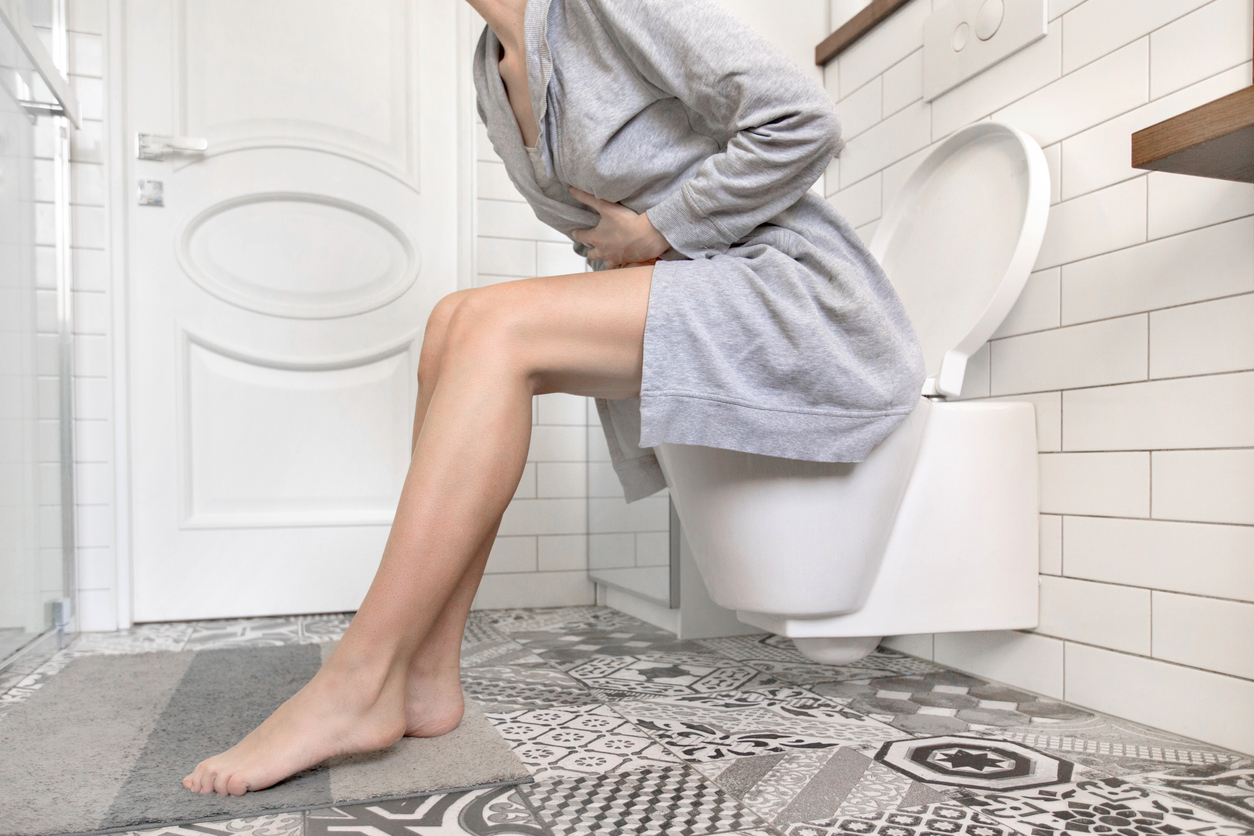
Burning or pain when you pee can be uncomfortable and concerning. Learn the possible causes — from UTIs to pelvic floor tension — and what can help.
Read more
Frustrated by recurrent UTIs? Learn common causes, how to distinguish infection from muscle tension, and strategies to treat and prevent them.
Read more
Discover why vaginal dryness happens during perimenopause and menopause, top treatment options, and tips to restore comfort.
Read more
Learn how perimenopause and menopause affect sex drive, comfort, and intimacy, plus tips to maintain pleasure and address challenges.
Read more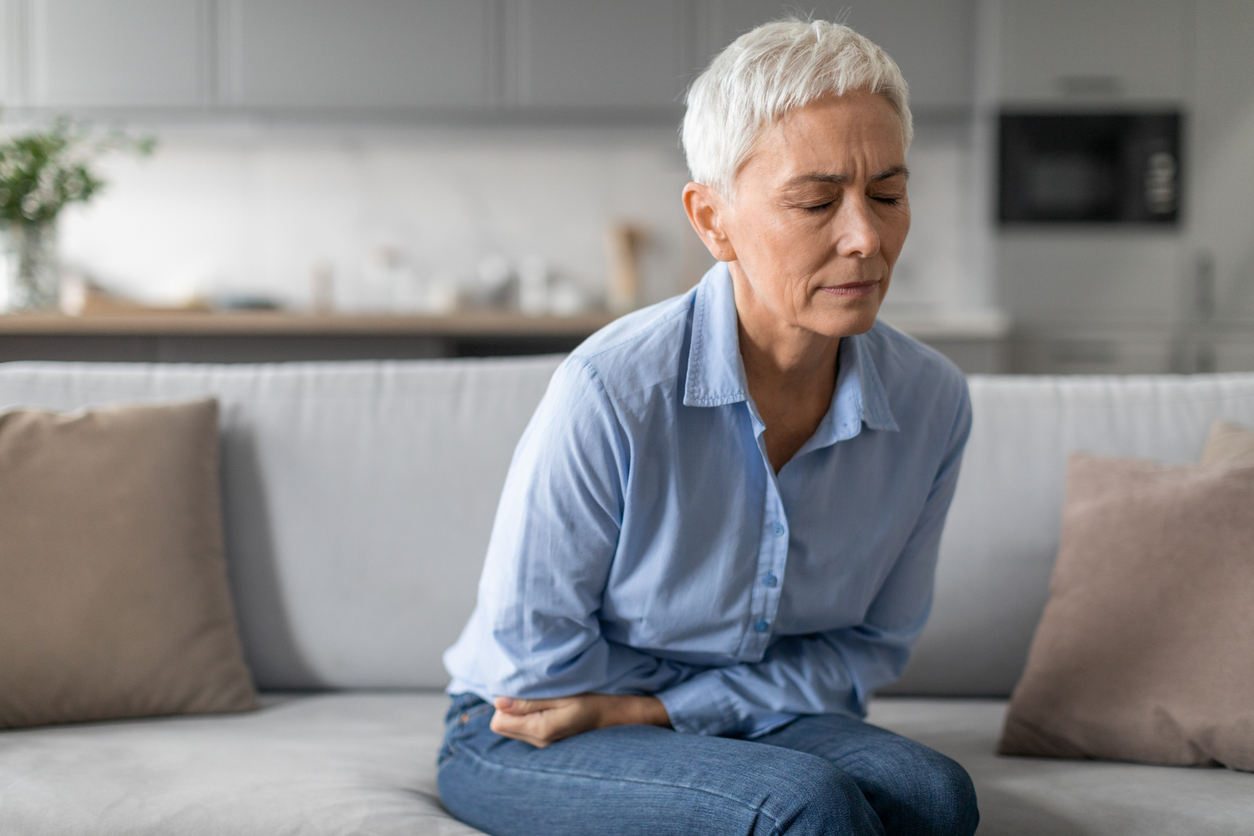
Discover symptoms, causes, and treatments for interstitial cystitis/bladder pain in women, plus how exercise and lifestyle changes can offer relief.
Read more
Joint hypermobility allows joints to move beyond their typical range. Learn its causes, symptoms, and expert-backed tips to strengthen and support them.
Read moreReferences
- 1Meister, M. R., Sutcliffe, S., Ghetti, C., Chu, C. M., Spitznagle, T. M., & Lowder, J. L. (2022). A pilot trial of movement-based pelvic floor physical therapy to address pelvic floor myofascial pain and lower urinary tract symptoms. International Urogynecology Journal. https://doi.org/10.1007/s00192-022-05353-9
- 2Leaks & Incontinence. (2026). Letstalkmenopause.org. https://www.letstalkmenopause.org/our-articles/leaks-incontinence
- 3Roney, J. R., & Simmons, Z. L. (2014). Elevated Psychological Stress Predicts Reduced Estradiol Concentrations in Young Women. Adaptive Human Behavior and Physiology, 1(1), 30–40. doi:10.1007/s40750-014-0004-2
- 4American Cancer Society. (2023, January 31). Hormone Therapy for Breast Cancer. Www.cancer.org. https://www.cancer.org/cancer/types/breast-cancer/treatment/hormone-therapy-for-breast-cancer.html
- 5STUENKEL, C. A. (2018). Vasomotor and Related Menopause Symptoms. Clinical Obstetrics & Gynecology, 61(3), 433–446. doi:10.1097/grf.0000000000000385
- 6McKinney, J. L., Keyser, L. E., Pulliam, S. J., & Ferzandi, T. R. (2022). Female Urinary Incontinence Evidence-Based Treatment Pathway: An Infographic for Shared Decision-Making. Journal of Women’s Health, 31(3), 341–346. doi:10.1089/jwh.2021.0266