Vaginal pessary for prolapse: how it works and how pelvic floor physical therapy can help
Nov 25, 2026

Over 1 Million members trust Hinge Health, a digital clinic that provides access to virtual physical therapy, to address their joint and muscle pain.
Reduction in member pain
of licensed physical therapists and health coaches
Average star rating of the Hinge Health mobile app
Bailey JF, et al. Digital Care for Chronic Musculoskeletal Pain: 10,000 Participant Longitudinal Cohort Study. J Med Internet Res 2020;22(5):e18250.
Learn how a vaginal pessary works for pelvic organ prolapse, what to expect from fitting, and how pelvic floor physical therapy can help.
Available at $0 cost to many members
If you’ve been experiencing pelvic pressure or a feeling of heaviness, your healthcare provider may have diagnosed you with pelvic organ prolapse and suggested trying a vaginal pessary. While the idea of wearing a device inside your vagina may make you feel uneasy, a pessary is a common, nonsurgical way to manage prolapse symptoms.
A vaginal pessary is a removable device, usually made of medical-grade silicone, that supports your pelvic organs from inside your vagina. It can help ease symptoms like pressure or a bulge, making everyday activities, such as walking and driving, feel more comfortable.
Using a vaginal pessary can also work alongside pelvic floor physical therapy to help you feel stronger and more confident during everyday activities. “Pelvic floor physical therapy helps the muscles around your pelvic organs get stronger and learn to fully relax when they need to,” says Jennifer Parker, PT, DPT, a physical therapist at Hinge Health. “Together, a pessary and pelvic floor PT can help you get back to doing what you love.”
Here, learn how vaginal pessaries work, what to expect from a fitting, and how targeted exercises recommended by Hinge Health physical therapists and pelvic floor therapy can help you manage prolapse symptoms.
Reviewed by our clinical and medical experts

Dr. Parker is a Hinge Health physical therapist who specializes in pelvic health throughout life transitions including pregnancy/postpartum, menopause, and beyond.
Jennifer Parker, PT, DPT
Physical Therapist

Fully Covered Pelvic Care
Find relief from pelvic pain, leakage, muscle weakness, & more.
What is a vaginal pessary?
A vaginal pessary is a flexible device that fits inside your vagina to support your pelvic organs. It’s commonly used to manage pelvic organ prolapse, which happens when organs like your bladder, uterus, or rectum shift downward and press into the vaginal walls. Vaginal birth, especially multiple births, prolonged pushing, assisted delivery, or birth of a larger baby, and aging-related changes around menopause can increase the chance of prolapse, though it can also occur in people who have never given birth or have had a C-section.
A pessary helps support these organs, easing symptoms like pelvic pressure, heaviness, or a vaginal bulge. Certain pessaries can also help you manage urinary leakage.
Pessaries come in different shapes and sizes, and a healthcare provider helps you find one that fits comfortably. Depending on the type, you may be able to remove and clean it yourself or have your provider handle routine care.
A properly fitted pessary will feel comfortable during everyday activities like sitting, walking, and exercising.
Who can benefit from a vaginal pessary?
Your healthcare provider may recommend a pessary depending on your symptoms, overall health, and personal preferences. Common reasons to consider one include:
Pelvic organ prolapse. A pessary can help support organs affected by prolapse, including uterine prolapse, bladder prolapse, and posterior vaginal prolapse, which involves the rectum pressing into the back wall of the vagina. This device can be used for mild or more advanced prolapse.
Bladder leaks. Certain pessaries can help manage stress urinary incontinence, or urine leakage that happens when you cough, laugh, sneeze, or exercise.
A nonsurgical treatment option. If you'd prefer to avoid surgery or aren’t a good candidate for it, a pessary may help you manage symptoms without a procedure.
Support while considering surgery. A pessary can help ease symptoms while you decide whether surgery is right for you or wait for a scheduled procedure.
Additional support alongside pelvic floor therapy. If pelvic floor exercises alone aren’t providing enough relief, adding a pessary into your treatment plan may help you feel more comfortable.
Note: Not everyone with prolapse needs treatment. Some people with prolapse don’t have symptoms that interfere with their quality of life, in which case, your care team may just recommend monitoring it instead.
Common types of pessaries
There’s no single pessary that works best for everyone. Your healthcare provider will recommend a type based on your specific anatomy, symptoms, and preferences, including whether you’d like to remove and clean the device yourself. Finding the right type and size can take a little trial and error. Your provider can make adjustments to help you find a comfortable fit. Some of the most common types include:
Ring pessary. One of the most commonly used types, this flexible ring is often tried first because it’s relatively easy to insert and remove.
Gellhorn pessary. This type provides additional support and is often used for more advanced prolapse. It may be more difficult to remove yourself.
Cube pessary. This cube-shaped device uses gentle suction to stay in place. It needs to be removed and cleaned daily to prevent irritation and give your vaginal tissue a break. You’ll also need to remove it before penetrative vaginal sex.
Other shapes. Donut, Shaatz, Gehrung, and inflatable pessaries are additional options your provider may recommend based on your needs.
What to expect from a pessary fitting
A pessary fitting is an appointment where your healthcare provider helps you find a device that fits comfortably and moves with you. Here’s what typically happens:
Pelvic exam. Your provider examines your pelvic organs and vaginal anatomy to determine which pessary type and size may work best.
Placement. Your provider gently inserts the pessary and checks how it fits while you’re lying down and standing.
Movement testing. You may be asked to sit, walk around, or use the bathroom to make sure the pessary stays in place and doesn’t interfere with urination.
Adjustments. If the pessary slips, feels uncomfortable, or makes it difficult to empty your bladder, your provider can try another size or style.
A well-fitting pessary should provide support without causing pain. In one study, more than 90% of participants who had a successful fitting experienced relief from vaginal bulge and pressure symptoms. If your pessary doesn't feel right, let your provider know.
How to care for a vaginal pessary
Once you’ve found a comfortable fit, caring for your pessary can become a manageable part of your routine. Here’s what to know:
Cleaning. Some pessaries can be removed, cleaned, and reinserted at home, while others are cleaned during regular appointments. If you clean yours at home, wash your hands first, then use warm water and mild, fragrance-free soap to clean the pessary. Rinse thoroughly to remove any soap residue. Your provider will recommend a cleaning schedule based on your pessary type and needs. For example, cube pessaries generally require daily cleaning.
Follow-up visits. Regular checkups allow your provider to examine your vaginal tissue, check the fit, and address any concerns. The timing depends on your pessary type and whether you manage cleaning yourself.
Sex. A pessary doesn’t necessarily interfere with your sex life. Some types can remain in place during vaginal intercourse, while others need to be removed. Your provider can explain what’s appropriate for you.
Long-term use. Many people continue using a pessary for years, making it a practical long-term option for managing symptoms.
Are there side effects?
Pessaries are generally safe, but some people experience increased vaginal discharge, odor, irritation, spotting, or discomfort. Occasionally, a pessary may slip out or make urinary leakage more noticeable, but these issues can often be addressed by adjusting the fit or changing your routine.
Changes in your vaginal tissue during perimenopause or postmenopause can also affect your comfort with a vaginal pessary. Lower estrogen levels can contribute to vaginal dryness and irritation.
If you’re experiencing these symptoms, ask your provider whether vaginal estrogen might help. Research suggests it may reduce certain pessary-related complications, including discharge, bleeding, and vaginal sores in some postmenopausal women.
Contact your healthcare provider if you notice pain, bleeding, foul-smelling discharge, or problems with your pessary staying in place. And always seek prompt medical care if you cannot urinate.
How pelvic floor PT works alongside a pessary
A pessary and pelvic floor physical therapy support your body in different ways, which is why both can be beneficial. Remember, a pessary provides physical support to your pelvic organs, whereas pelvic floor physical therapy focuses on helping the muscles around those organs function more comfortably and effectively.
Pelvic floor muscle training is an important nonsurgical treatment for symptomatic prolapse as it may help ease pelvic heaviness, improve bladder control, and support your ability to participate in everyday activities.
But pelvic floor therapy isn’t just about doing Kegels. Your pelvic floor muscles need to be able to contract and fully relax. Depending on your symptoms, a pelvic floor physical therapist (PT) may recommend strengthening movements, relaxation exercises, breathing techniques, or a combination of these approaches.
If pelvic floor exercises alone aren’t providing enough relief, adding a pessary may help. In one randomized controlled trial, women who combined a pessary with pelvic floor muscle training experienced greater improvements in prolapse symptoms and quality of life than those who did pelvic floor exercises alone.
“When someone comes to me while still deciding about a pessary, we start by talking through their symptoms and their goals. Pelvic floor PT and a pessary can work together,” says Dr. Parker. “A pessary can be a helpful tool that supports the work we do in physical therapy.”
You can see a physical therapist in person or use a program like Hinge Health to access a PT through a telehealth or video visit.
Tips for managing pelvic organ prolapse
Small adjustments to your daily routine can help you feel more comfortable and confident. Consider these strategies:
Learn to engage and relax your pelvic floor. Your pelvic floor muscles need strength, the ability to fully relax, and coordination to support everyday movements. Pelvic floor exercises can help you practice these skills during activities that matter to you, like lifting kids or participating in your favorite recreational activities. The right approach depends on your symptoms, muscle function, and goals.
Keep moving. You don’t have to give up activities you enjoy because of prolapse. Gradually building strength and finding a comfortable level of activity can help you stay active. “If you notice more pressure or a bulge after a workout, treat it as a cue to scale back a little next time, not a reason to stop moving,” says Dr. Parker.
Find comfortable ways to lift. Lifting is part of everyday life, and having prolapse doesn’t automatically mean you need to avoid it. Try exhaling during the effort of lifting rather than holding your breath and straining. A PT can help you practice lifting strategies that feel comfortable and support your goals.
Manage constipation. Straining during bowel movements can increase pressure on your pelvic floor. Eating fiber-rich foods, staying hydrated, and allowing yourself enough time in the bathroom may help make bowel movements easier.
Exercises that support prolapse care
This exercise involves gently contracting and fully relaxing your pelvic floor muscles while lying on your back with your knees bent. It can be a comfortable starting position for practicing pelvic floor muscle control.
Want expert care?
Check if you're covered for our free programDid you know?
Pelvic floor physical therapy is more than just kegel exercises. Various exercises tailored to your symptoms and needs are key to getting relief. Pelvic floor PT can relieve many different pelvic issues, such as pelvic pain, painful sex, and urinary incontinence.
Members of the Hinge Health pelvic health program experience an average 67% reduction in pelvic pain and 54% reduction in urinary incontinence within the first 12 weeks. Learn more*.
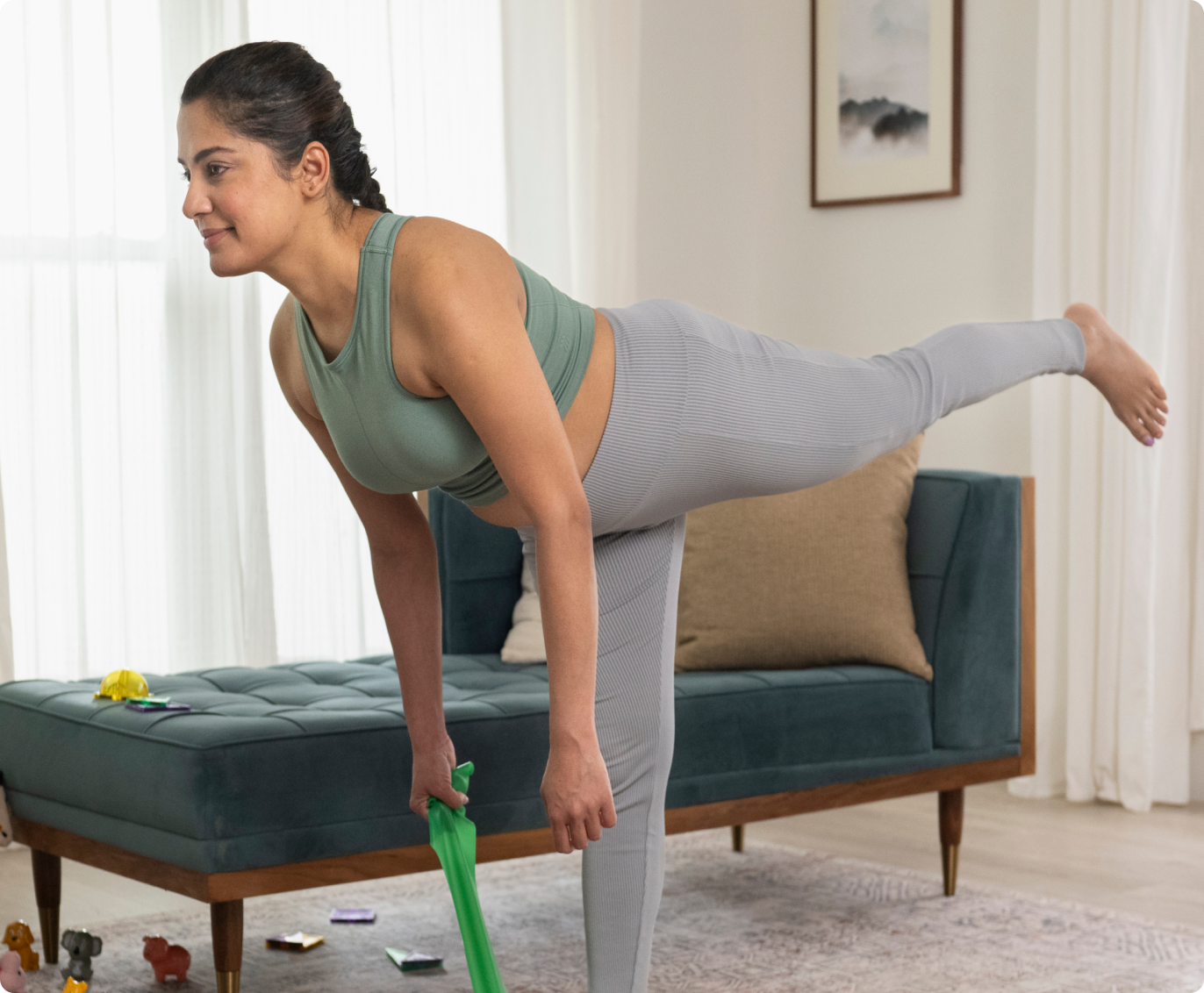
Targeted exercises can complement the support a pessary provides by helping your pelvic floor and surrounding muscles work together. Depending on your needs, your PT may recommend strengthening, relaxation, or gentle core exercises. Not every movement is right for everyone, so a pelvic floor PT can help you find the best approach for your symptoms and goals. There are plenty of exercises for pelvic organ prolapse you can try.
The information contained in these videos is intended to be used for educational purposes only and does not constitute medical advice or treatment for any specific condition. Hinge Health is not your healthcare provider and is not responsible for any injury sustained or exacerbated by your use of or participation in these exercises. Please consult with your healthcare provider with any questions you may have about your medical condition or treatment.
Pessary vs. surgery: Which is right for you?
A vaginal pessary offers a nonsurgical, removable way to manage pelvic organ prolapse, while surgery aims to repair or support the prolapsed tissues. Both can help relieve symptoms, but they have different benefits and considerations. Prolapse severity is one factor, but it doesn’t determine the treatment by itself. A pessary may suit someone looking for nonsurgical support or hoping to avoid or delay surgery, while surgery may be considered when symptoms significantly affect daily life and the person is a good candidate and prefers a repair.
In one randomized clinical trial, 76% of women initially assigned to pessary treatment and 82% assigned to surgery reported improvement after two years. However, more than half of those who started with a pessary eventually underwent surgery. Your healthcare provider can help you weigh your options based on your symptoms, preferences, and goals.
PT tip: Keep bowel movements easy and comfortable
“One way to support your comfort and confidence with a pessary is to make easy, regular bowel movements a priority,” says Dr. Parker. “Straining during bowel movements puts extra pressure on your pelvic floor, so aim for relaxed, unhurried bowel movements when you can. If you’re struggling to fully empty your bowels or avoid straining, your pelvic floor PT can help you find strategies that work for you.”
How Hinge Health can help you
If you have pelvic pain, bladder, bowel, or other pelvic symptoms that are affecting your quality of life, you can get the relief you've been looking for with Hinge Health’s online exercise therapy program.
The best part: You don’t have to leave your home because our program is digital. That means you can easily get the care you need through our app, when and where it works for you. Through our program, you’ll have access to therapeutic exercises and stretches for your condition. Additionally, you’ll have a personal care team to guide, support, and tailor our program to you.
See if you qualify for Hinge Health and confirm free coverage through your employer or benefit plan here.
This article and its contents are provided for educational and informational purposes only and do not constitute medical advice or professional services specific to you or your medical condition.
Looking for pain relief? Check if your employer or health plan covers our program.
Join more than 1.2 million members and over 2,800 companies that trust Hinge Health to get relief.

References
- 1Bø, K., Anglès-Acedo, S., Batra, A., Brækken, I. H., Chan, Y. L., Jorge, C. H., Kruger, J., Yadav, M., & Dumoulin, C. (2022). International urogynecology consultation chapter 3 committee 2; conservative treatment of patient with pelvic organ prolapse: Pelvic floor muscle training. International Urogynecology Journal, 33(10), 2633–2667. doi:10.1007/s00192-022-05324-0
- 2Bugge, C., Adams, E. J., Gopinath, D., Stewart, F., Dembinsky, M., Sobiesuo, P., & Kearney, R. (2020). Pessaries (mechanical devices) for managing pelvic organ prolapse in women. Cochrane Database of Systematic Reviews, 11(11), CD004010. doi:10.1002/14651858.CD004010.pub4
- 3Bugge, C., Hagen, S., Elders, A., Mason, H., Goodman, K., Dembinsky, M., Melone, L., Best, C., Manoukian, S., Dwyer, L., Khunda, A., Graham, M., Agur, W., Breeman, S., Culverhouse, J., Forrest, A., Forrest, M., Guerrero, K., Hemming, C., . . . Kearney, R. (2024). Clinical and cost-effectiveness of pessary self-management versus clinic-based care for pelvic organ prolapse in women: The TOPSY RCT with process evaluation. Health Technology Assessment, 28(23), 1–121. doi:10.3310/NWTB5403
- 4Kuo, C. H., Martingano, D. J., & Mikes, B. A. (2025). Pelvic organ prolapse. In StatPearls. StatPearls Publishing. https://www.ncbi.nlm.nih.gov/books/NBK563229/
- 5Lugo, T., Leslie, S. W., Mikes, B. A., & Riggs, J. (2024). Stress urinary incontinence. In StatPearls. StatPearls Publishing. https://www.ncbi.nlm.nih.gov/books/NBK539769/
- 6Manchana, T. (2024). Long-term continuations rate of ring pessary use for symptomatic pelvic organ prolapse. Archives of Gynecology and Obstetrics, 309(5), 2203–2209. doi:10.1007/s00404-023-07299-9
- 7Mayo Clinic Staff. (2024, April 26). Pelvic organ prolapse - Diagnosis and treatment. Mayo Clinic. https://www.mayoclinic.org/diseases-conditions/pelvic-organ-prolapse/diagnosis-treatment/drc-20562951
- 8Mayo Clinic Staff. (2025, December 23). Uterine prolapse - Symptoms and causes. Mayo Clinic. https://www.mayoclinic.org/diseases-conditions/uterine-prolapse/symptoms-causes/syc-20353458
- 9Nemeth, Z., Vida, P., Markovic, P., Gubas, P., Kovacs, K., & Farkas, B. (2024). Long-term self-management of vaginal cube pessaries can improve sexual life in patients with pelvic organ prolapse, results from a secondary analysis. International Urogynecology Journal, 35(12), 2329–2334. doi:10.1007/s00192-024-05882-5
- 10Pizzoferrato, A. C., Thuillier, C., Vénara, A., Bornsztein, N., Bouquet, S., Cayrac, M., Cornillet-Bernard, M., Cotelle, O., Cour, F., Cretinon, S., De Reilhac, P., Loriau, J., Pellet, F., Perrouin-Verbe, M. A., Pourcelot, A. G., Revel-Delhom, C., Steenstrup, B., Vogel, T., Le Normand, L., & Fritel, X. (2023). Management of female pelvic organ prolapse-Summary of the 2021 HAS guidelines. Journal of Gynecology Obstetrics and Human Reproduction, 52(3), 102535. doi:10.1016/j.jogoh.2023.102535
- 11Raju, R., & Linder, B. J. (2021). Evaluation and management of pelvic organ prolapse. Mayo Clinic Proceedings, 96(12), 3122–3129. doi:10.1016/j.mayocp.2021.09.005
- 12Rantell, A., Abdool, Z., Fullerton, M. E., Gedefaw, A., Lough, K., Miotla, P., Mukhtarova, N., Neumann, P., Spencer, J., Warner, K. J., & Brown, H. W. (2025). International Urogynecology Consultation chapter 3 committee 1 - Pessary management. International Urogynecology Journal, 36(3), 533–550. doi:10.1007/s00192-024-06020-x
- 13van der Vaart, L. R., Vollebregt, A., Milani, A. L., Lagro-Janssen, A. L., Duijnhoven, R. G., Roovers, J. W. R., & van der Vaart, C. H. (2022). Effect of pessary vs surgery on patient-reported improvement in patients with symptomatic pelvic organ prolapse: A randomized clinical trial. JAMA, 328(23), 2312–2323. doi:10.1001/jama.2022.22385
- 14Xu, H., Wu, W., Wang, X., & Xia, Z. (2021). A predictive model of choosing pessary type for women with symptomatic pelvic organ prolapse. Menopause, 28(11), 1279–1286. doi:10.1097/GME.0000000000001849
- 15Zhou, Y., Yin, R., Zhang, Y., Wang, X., Jin, F., Li, X., Peng, C., Wang, P., Shen, H., Weng, Q., Xie, H., Wang, H., Jiang, B., Zhou, K., Liang, N., He, Y., Dai, Y., Fang, Z., Liang, S., . . . Zhu, L. (2025). Effects of intravaginal conjugated oestrogen on pessary continuation for pelvic organ prolapse: Multicentre, randomised, double blind, placebo controlled trial. BMJ, 389, e084418. doi:10.1136/bmj-2025-084418