Over 1 Million members trust Hinge Health, a digital clinic that provides access to virtual physical therapy, to address their joint and muscle pain.
Reduction in member pain
of licensed physical therapists and health coaches
Average star rating of the Hinge Health mobile app
Bailey JF, et al. Digital Care for Chronic Musculoskeletal Pain: 10,000 Participant Longitudinal Cohort Study. J Med Internet Res 2020;22(5):e18250.
Learn the symptoms, causes, and treatments for uterine prolapse, including pelvic floor exercises and lifestyle changes that can help reduce symptoms.
Available at $0 cost to many members
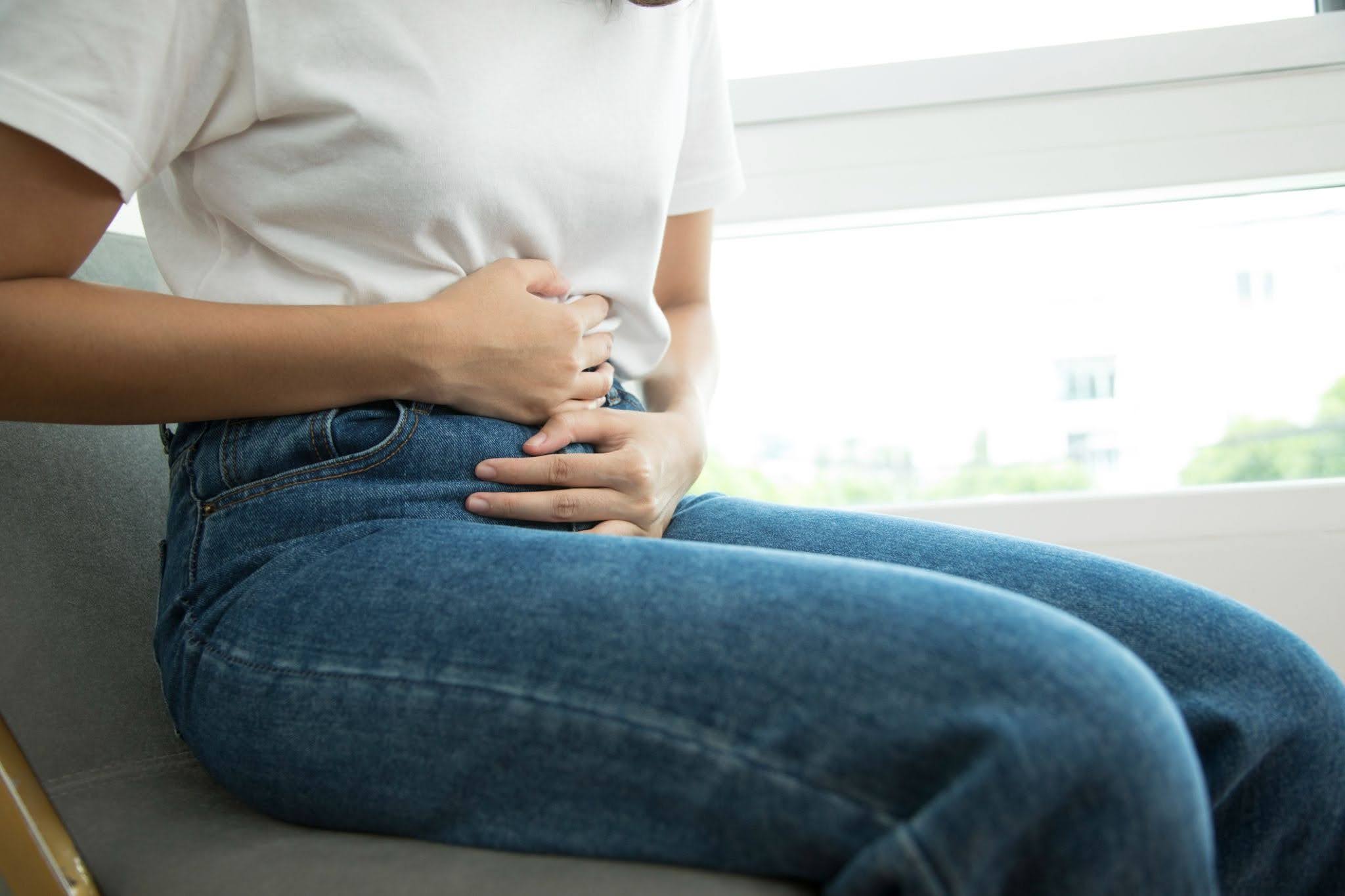
If you’re experiencing uterine prolapse, it might feel overwhelming — but this condition is very manageable with the right understanding, approach, and support. Uterine prolapse can feel like something is “falling out” of your vagina. Maybe you notice a heaviness in your pelvis at the end of the day or a bulge that wasn't there before. It's an unsettling sensation — and one that many people hesitate to bring up.
Uterine prolapse occurs when the muscles and connective tissues that support your uterus become less supportive, allowing the uterus to shift downward into the vagina. It happens to more women than you may think, with research suggesting it affects about 40% of women ages 50 to 79. It’s especially common after pregnancy and as you get older.
While these sensations can feel alarming, uterine prolapse is highly manageable. Many people find significant relief with pelvic floor physical therapy, targeted exercises, and simple lifestyle adjustments. Some people may need to explore surgical options depending on the severity of their condition.
Ahead, learn more about uterine prolapse, including what causes it, common symptoms, and the gentle exercises recommended by Hinge Health pelvic floor therapists that can help you feel stronger and more confident.
Reviewed by our clinical and medical experts


Fully Covered Pelvic Care
Find relief from pelvic pain, leakage, muscle weakness, & more.
What is uterine prolapse?
Uterine prolapse is a type of pelvic organ prolapse, which happens when the muscles and connective tissues of your pelvic floor no longer provide enough support for your pelvic organs.
Think of your pelvic floor as a supportive hammock stretching from your pubic bone to your tailbone. It helps hold your bladder, uterus, and rectum in their normal positions. When those muscles and tissues become stretched or weakened, one or more of those organs can shift downward.
When the uterus is the organ that drops, it's called uterine prolapse. In milder cases, the uterus drops only slightly into the vaginal canal. In more advanced cases, it may protrude through your vaginal opening.
Healthcare providers generally describe uterine prolapse in four stages:
Stage 1: The uterus drops into the upper vagina.
Stage 2: The uterus reaches the lower vagina.
Stage 3: The uterus protrudes through the vaginal opening.
Stage 4: The uterus slips completely outside the vagina.
You can also have other types of pelvic organ prolapse at the same time, including:
Cystocele, when the bladder bulges into the front wall of the vagina.
Rectocele, when the rectum bulges into the back wall of the vagina.
“The grade of a prolapse doesn't always predict how someone feels,” says Brittney Sellers, PT, DPT, a physical therapist with Hinge Health. “Some people have a more advanced prolapse with very few symptoms, while others have a milder prolapse that's more bothersome.”
Causes of uterine prolapse
Uterine prolapse happens when the pelvic floor muscles and connective tissues that support your pelvic organs become less able to hold the uterus in its usual position. This can happen for many reasons, and often it's a combination of factors rather than one single cause. Common contributors include:
Pregnancy and vaginal delivery. Pregnancy places extra demand on your pelvic floor, and vaginal delivery can stretch these muscles and connective tissues. Multiple births, prolonged pushing, delivering a larger baby, or an assisted delivery with forceps or vacuum can all increase the likelihood of prolapse. That said, uterine prolapse can also happen if you've never been pregnant or if you delivered by C-section.
Aging and menopause. As we age, connective tissues naturally become less resilient. Declining estrogen levels during and after menopause may also affect the tissues that support your pelvic organs.
Higher body weight. Carrying more weight increases pressure throughout the abdomen and pelvic floor, which may contribute to prolapse over time.
Repeated increases in abdominal pressure. Chronic constipation, persistent coughing, frequent heavy lifting, or repeatedly holding your breath during lifting can all place extra stress on the pelvic floor.
Symptoms of uterine prolapse
Some people with uterine prolapse don't notice any symptoms at all. Others find that symptoms become more noticeable as the day goes on or after spending a long time standing, lifting, or exercising. Common uterine prolapse symptoms include:
A feeling that something is falling out of your vagina, or like you're sitting on a protruding tampon
Pelvic heaviness, pressure, or fullness
A bulge you can feel or see in the vagina
Constipation or difficulty having bowel movements
Bladder symptoms, including leaking urine, urinary urgency, or needing to pee more often
Lower back pain or pressure
“It's common for your symptoms to fluctuate,” says Dr. Sellers. “Many people notice they're more aware of their prolapse after being on their feet for a long time or doing activities that increase abdominal pressure.”
Your symptoms may get worse throughout the day, or when you cough, sneeze, or stand for too long.
Treatments for uterine prolapse
Treating uterine prolapse depends on the severity of your symptoms. Your healthcare provider may recommend pelvic floor physical therapy and targeted exercises, vaginal pessary, strategies to reduce abdominal pressure, diet changes to manage constipation, and in some cases, surgery. Here’s a closer look at treatments for uterine prolapse:
Try physical therapy and targeted exercises. Pelvic floor physical therapy is often one of the first treatments recommended for uterine prolapse. A physical therapist (PT) can assess whether your pelvic floor muscles need strengthening, relaxation, or better coordination and create a plan tailored to your symptoms and goals. Kegels may be part of that plan, but they aren’t the only option. Exercises that strengthen your hips, glutes, and core and improve breathing coordination can also help you manage pressure and feel more supported during everyday activities. A PT can also help you modify movements without unnecessarily avoiding exercise. You can do exercise therapy at home or work with a physical therapist who can guide you through movements tailored to your needs. You can see a physical therapist in person or use a program like Hinge Health, where you may access a PT via telehealth/video visit.
Vaginal pessary. This is a removable silicone device you insert in your vagina to help hold organs in place. Your doctor can fit you for a pessary or you can get one over the counter at a drugstore or online. Some people use a pessary all the time and some use them only during exercise or activities that worsen symptoms.
Learn to manage abdominal pressure. You don’t necessarily need to stop lifting, pushing, or exercising. Instead, focus on breathing through the most challenging part of the movement rather than holding your breath. For example, exhale as you lift a suitcase, stand from a squat, or push a heavy door. “Improving how you manage pressure during everyday movement can reduce prolapse symptoms and help you stay active with more confidence,” says Dr. Sellers. Treating a persistent cough may also help reduce repeated pressure on the pelvic floor.
Manage constipation. Straining during bowel movements can make prolapse symptoms more noticeable. Drinking enough water, eating fiber-rich foods such as fruits, vegetables, beans, and whole grains, and staying active can help keep stool easier to pass.
Explore surgery if needed. Surgery may be an option if prolapse symptoms continue to interfere with your daily life despite simple treatments. Procedures may repair and support weakened pelvic floor tissues. In some cases, a hysterectomy may be considered, while another less common approach narrows or closes part of the vagina. Your healthcare provider can explain the options and help you choose an approach based on your symptoms, health, and personal goals.
Gentle exercises for uterine prolapse
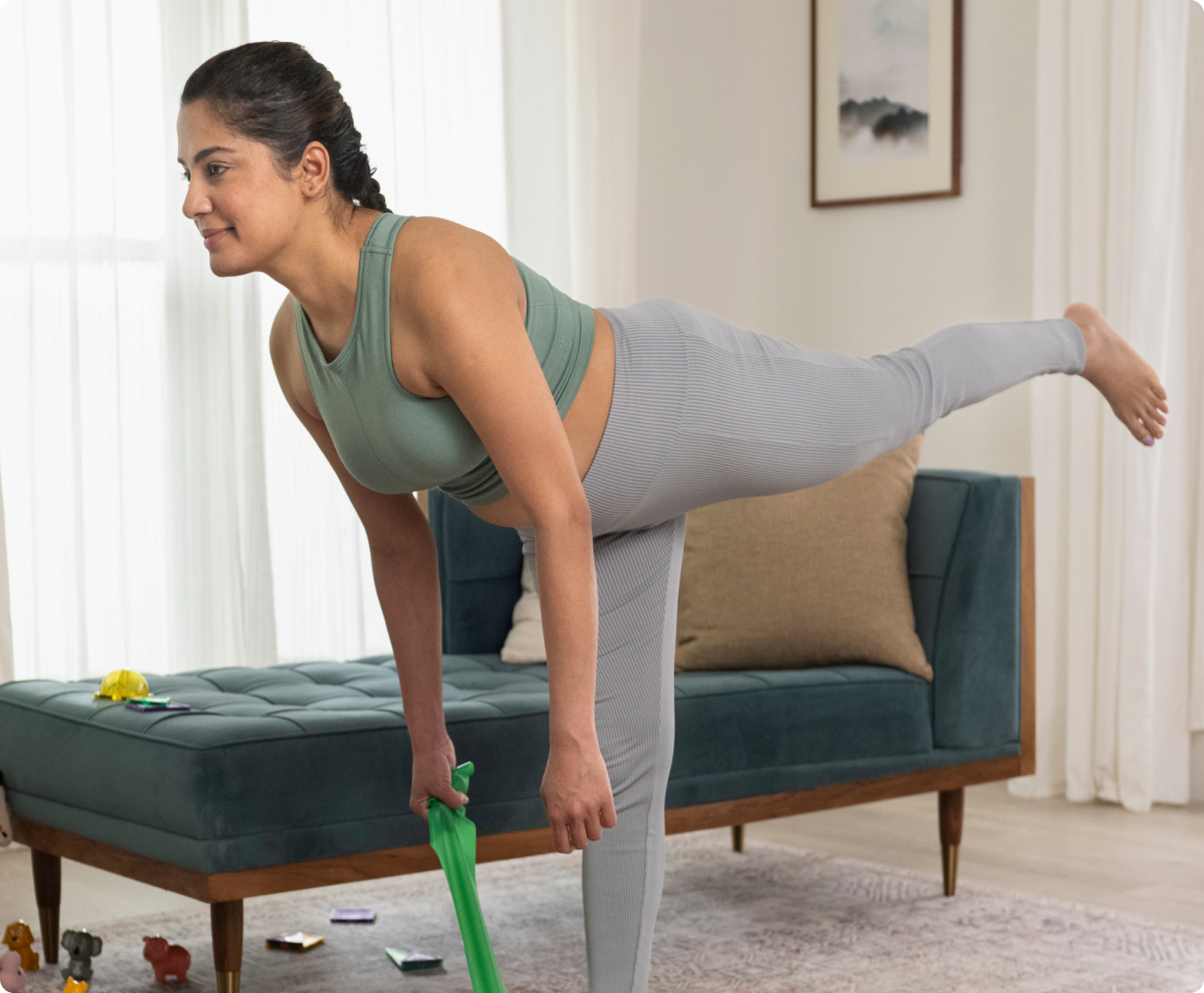
Deep belly breathing helps coordinate your diaphragm and pelvic floor while teaching you how to better manage pressure inside your abdomen. "Proper breathing mechanics — including full inhales and complete exhales — are important for managing prolapse," says Dr. Sellers. "You can even try this exercise with your legs resting up a wall if you're feeling heaviness."
Want expert care?
Check if you're covered for our free programTogether, these exercises help improve the strength and coordination of the muscles that support your pelvic organs. Diaphragmatic breathing teaches pressure management, while hooklying Kegels strengthen the pelvic floor directly. Bridge, bridge march, and single-leg RDL build strength throughout your hips and core, and open book rotations improve mobility to support more efficient movement. Practicing these exercises consistently can help reduce symptoms and make everyday activities feel more comfortable.
The information contained in these videos is intended to be used for educational purposes only and does not constitute medical advice or treatment for any specific condition. Hinge Health is not your healthcare provider and is not responsible for any injury sustained or exacerbated by your use of or participation in these exercises. Please consult with your healthcare provider with any questions you may have about your medical condition or treatment.
Did you know?
Pelvic floor physical therapy is more than just kegel exercises. Various exercises tailored to your symptoms and needs are key to getting relief. Pelvic floor PT can relieve many different pelvic issues, such as pelvic pain, painful sex, and urinary incontinence.
Members of the Hinge Health pelvic health program experience an average 67% reduction in pelvic pain and 54% reduction in urinary incontinence within the first 12 weeks. Learn more*.
Can you live normally with a prolapse?
Many people with uterine prolapse continue to live full, active lives. Again, not everyone with prolapse has symptoms. “The presence of prolapse doesn't always translate to dysfunction,” says Dr. Sellers. “Many people may not experience any symptoms at all.”
If you do have symptoms, they don't mean you have to stop exercising or give up activities you enjoy. Pelvic floor physical therapy, targeted exercises, and small changes to how you move can often reduce feelings of heaviness, pressure, and discomfort. “Don't fixate on the grade of the prolapse,” says Dr. Sellers. “Instead, focus on your body mechanics, breathing mechanics, and lifestyle changes that can help improve overall function, even if the prolapse remains.”
Being sexually active is also usually safe with uterine prolapse. Many people continue to have comfortable, satisfying sex lives, and, in most cases, penetrative sex is safe and will not worsen the prolapse. You may notice feelings of pressure or fullness during sex, but small adjustments — like trying different positions, using more lubrication, or taking breaks as needed — can make a big difference.
Decisions about sexual activity are often best guided by your comfort and symptoms. If you have pain that doesn’t improve, new bleeding, or other changes that worry you, it’s a good idea to check in with your healthcare provider.
PT Tip: Keep breathing
How you breathe during everyday activities can make a big difference in how your pelvic floor feels. “When you're doing anything that increases pressure in your abdomen — like lifting something heavy, exercising, or having a bowel movement — try not to hold your breath,” says Dr. Sellers. Instead, exhale during the effort. This helps better manage pressure through your abdomen and pelvic floor, which may reduce prolapse symptoms and make everyday movement feel more comfortable.
How Hinge Health can help you
If you have pelvic pain, bladder, bowel, or other pelvic symptoms that are affecting your quality of life, you can get the relief you've been looking for with Hinge Health’s online exercise therapy program.
The best part: You don’t have to leave your home because our program is digital. That means you can easily get the care you need through our app, when and where it works for you. Through our program, you’ll have access to therapeutic exercises and stretches for your condition. Additionally, you’ll have a personal care team to guide, support, and tailor our program to you.
See if you qualify for Hinge Health and confirm free coverage through your employer or benefit plan here.
This article and its contents are provided for educational and informational purposes only and do not constitute medical advice or professional services specific to you or your medical condition.
Looking for pain relief? Check if your employer or health plan covers our program.
Join more than 1.2 million members and over 2,800 companies that trust Hinge Health to get relief.
Related articles
Try these ACL rehab exercises recommended by physical therapists after ACL reconstruction surgery to recover smoothly.
Read more
Learn about round ligament pain during pregnancy and how to relieve it with tips and gentle exercises from Hinge Health physical therapists.
Read more
Spend most of your work day sitting at a desk? Here’s how to make your office setup work for you to minimize pain and discomfort while you’re on the job.
Read more
Learn what the science of behavior change can tell you about how to build a successful exercise habit
Read more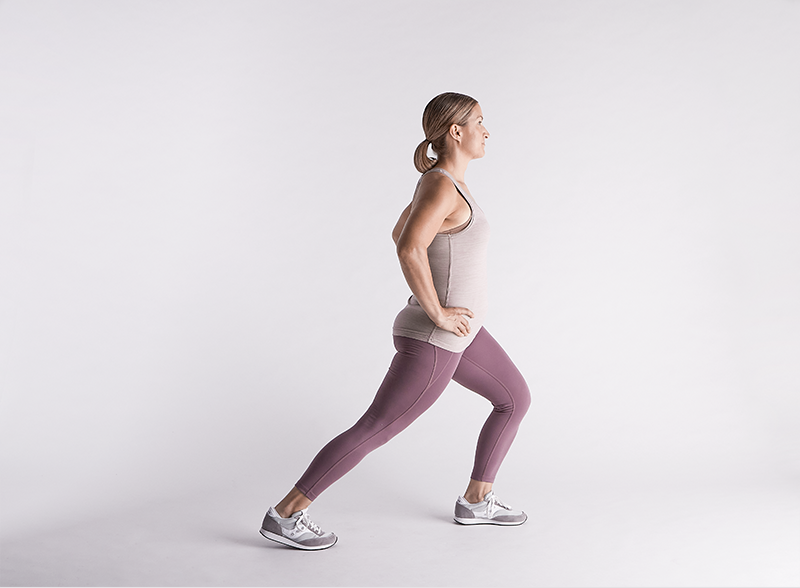
Learn how to do a hip flexor stretch to help with hip pain and mobility, plus modifications to make it easier or harder.
Read moreReferences
- 1Aboseif, C., & Liu, P. (2022, October 3). Pelvic organ prolapse. PubMed; StatPearls Publishing. https://www.ncbi.nlm.nih.gov/books/NBK563229/
- 2Chen, C. J., & Thompson, H. (2021). Uterine Prolapse. PubMed; StatPearls Publishing. https://www.ncbi.nlm.nih.gov/books/NBK564429/
- 3Iglesia, C. B., & Smithling, K. R. (2017). Pelvic Organ Prolapse. American Family Physician, 96(3), 179–185. https://www.aafp.org/pubs/afp/issues/2017/0801/p179.html
- 4NHS. (2019). Overview – Pelvic organ prolapse. NHS. https://www.nhs.uk/conditions/pelvic-organ-prolapse/
- 5Pelvic organ prolapse | Office on Women’s Health. (2019). OASH | Office on Women’s Health. https://womenshealth.gov/a-z-topics/pelvic-organ-prolapse
- 6Pelvic Organ Prolapse Causes And Treatments - National Association For Continence. (2022, August 17). National Association For Continence. https://nafc.org/pelvic-organ-prolapse
- 7Voelker, R. (2024). What Is Uterine Prolapse? JAMA, 331(7), 624–624. doi:10.1001/jama.2023.22744
- 8Wallace, S. L., Miller, L. D., & Mishra, K. (2019). Pelvic floor physical therapy in the treatment of pelvic floor dysfunction in women. Current Opinion in Obstetrics and Gynecology, 31(6), 485–493. doi:10.1097/gco.0000000000000584