Over 1 Million members trust Hinge Health, a digital clinic that provides access to virtual physical therapy, to address their joint and muscle pain.
Reduction in member pain
of licensed physical therapists and health coaches
Average star rating of the Hinge Health mobile app
Bailey JF, et al. Digital Care for Chronic Musculoskeletal Pain: 10,000 Participant Longitudinal Cohort Study. J Med Internet Res 2020;22(5):e18250.
Learn about myofascial pelvic pain, a muscle-based condition causing chronic pelvic discomfort. Discover how PT and treatment can provide relief.
Available at $0 cost to many members
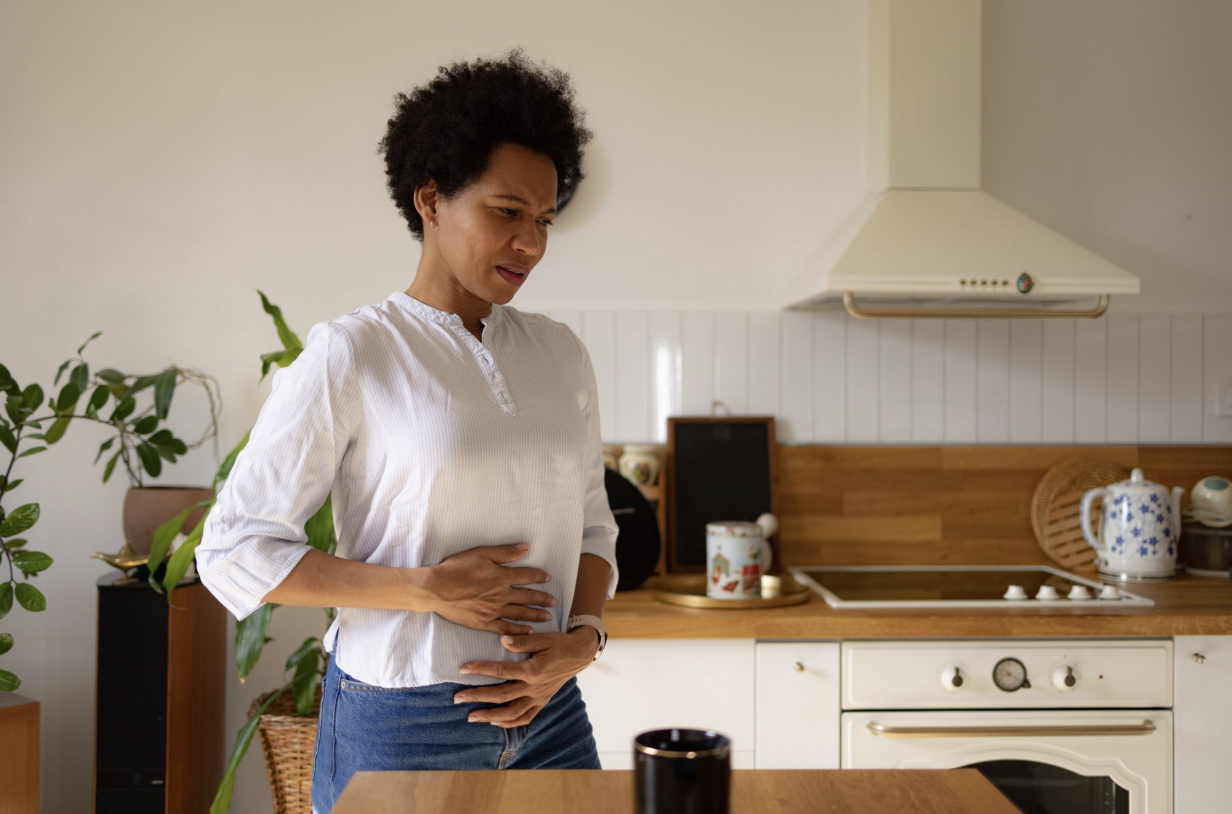
Chronic pelvic pain can be frustrating, especially when all your medical tests come back “normal” but your pain persists. One explanation is muscle tension and trigger points (also known as muscle knots) in your pelvic floor muscles.
“While this is a common experience, it often goes under the radar and doesn't get addressed until someone has been struggling for a while,” says Brea Rhein, PT, DPT, a pelvic health physical therapist at Hinge Health. “This is just one reason why letting your care team know you’re experiencing discomfort is so important.”
But you don’t have to just deal with myofascial pain for life – it’s very treatable. Pelvic floor physical therapy, gentle movement, and relaxation strategies can all help your muscles fully relax.
Ahead, learn more about what causes myofascial pelvic pain, classic symptoms, and treatments, especially targeted exercises recommended by Hinge Health physical therapists.
Reviewed by our clinical and medical experts

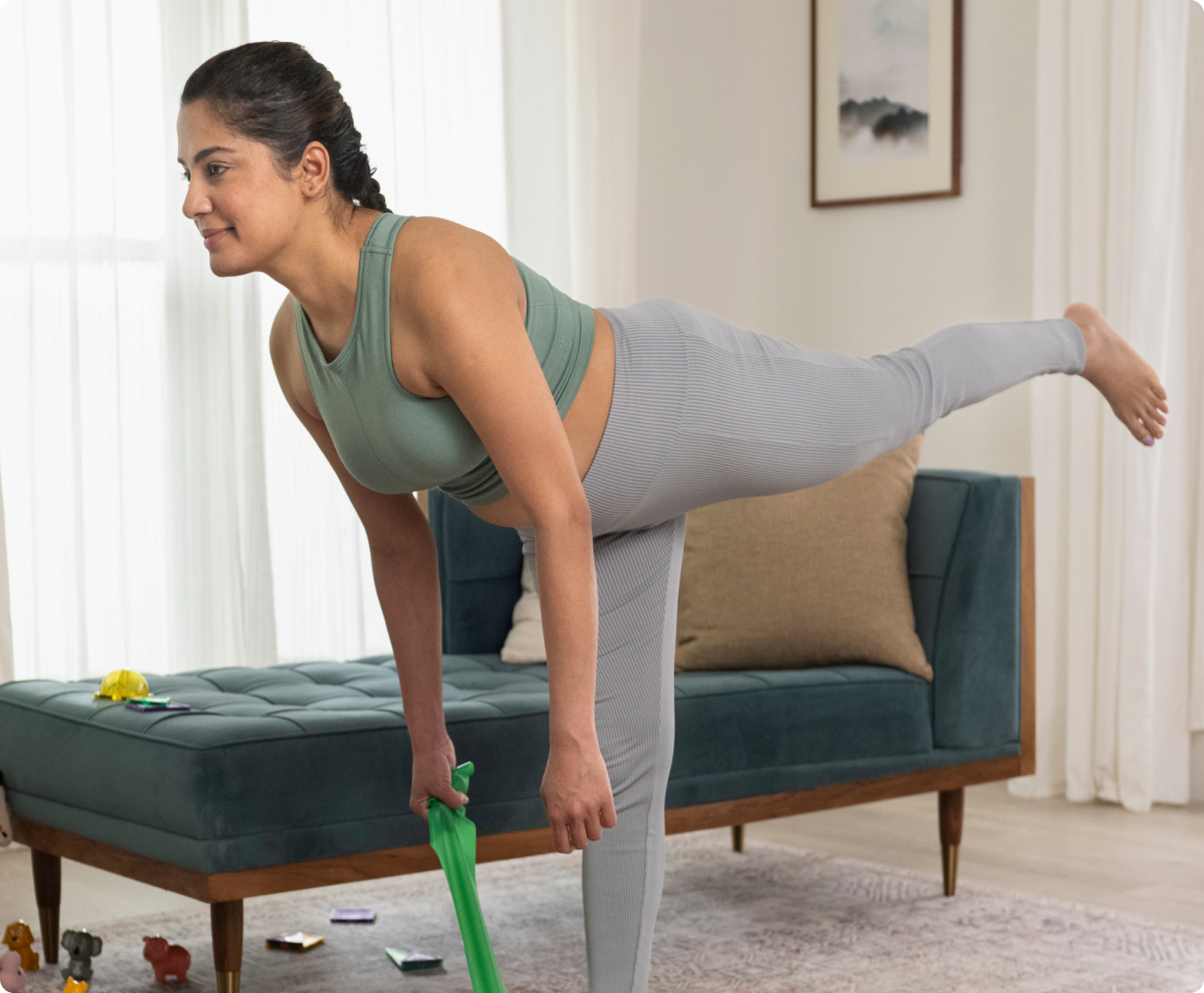
Fully Covered Pelvic Care
Find relief from pelvic pain, leakage, muscle weakness, & more.
What is myofascial pelvic pain?
Your pelvic floor is a group of muscles that supports your pelvic organs and helps control bladder, bowel, and sexual function. Myofascial pelvic pain is pain that originates in the muscles or connective tissue (fascia) in the pelvic floor rather than in the organs or other nearby structures.
“Muscles in the pelvic floor can become tight from a variety of factors and develop sensitive knots called trigger points, leading to pain and pelvic floor dysfunction,” says Dr. Rhein.
While that may sound intimidating, these muscles often respond well to simple, movement-based treatments, such as pelvic floor physical therapy and targeted exercises.
Causes of myofascial pelvic pain
Many factors can contribute to pelvic floor pain. Some of the most common causes of myofascial pelvic pain include:
Previous pelvic trauma or injury. Events like pregnancy and vaginal delivery, pelvic or abdominal surgery, or falls onto your tailbone can temporarily change how your pelvic floor muscles function. For example, depending on the size of your pelvis and baby, how labor progressed, whether the perineum tore, and whether forceps or vacuum assistance were needed, the pelvic floor muscles may become tight and painful after giving birth, says Dr. Rhein. Similarly, after non-pregnancy-related injuries — like a fall or surgery in the pelvic area — your pelvic floor muscles may tighten up to protect the area, which can feel uncomfortable at first. But remember, your pelvic floor muscles are resilient and designed to heal and adapt after injury or trauma.
Chronic stress and muscle tension. Many people carry stress in their neck, shoulders, or jaw. Others may hold it in their pelvic floor or hips. Over time, constantly tightening these muscles can contribute to ongoing pain, Dr. Rhein says. That’s why it’s important to keep stress levels in check and learn how to relax your pelvic floor muscles.
Prolonged sitting. Spending long periods in one position can increase tension in the muscles around your pelvis. “Tight hip flexors or glutes (butt muscles) from prolonged sitting can directly affect the pelvic floor muscles, contributing to myofascial pelvic pain,” says Dr. Rhein.
Other pelvic conditions and pain experiences. Conditions such as endometriosis or pelvic congestion syndrome can lead to muscle guarding, a protective response that causes the pelvic floor muscles to tighten, which may contribute to myofascial pelvic pain.
Lack of movement variety. Staying in the same positions for much of the day can contribute to muscle stiffness and tension. Engaging in regular movement helps keep the pelvic floor and surrounding muscles working comfortably together.
Symptoms of myofascial pelvic pain
Myofascial pelvic pain can show up in different ways depending on which muscles are affected. Common symptoms include:
Pelvic pain that feels aching, burning, stabbing, or like pressure
Pain in one area or throughout the pelvis
Tenderness around the pelvis, hips, or lower abdomen
Pain that spreads into the hips, lower back, thighs, or abdomen
Urinary urgency, frequency, discomfort, or incomplete emptying
Constipation, painful bowel movements, or difficulty emptying your bowels
Pain that's worse after prolonged sitting or certain positions
How movement can help myofascial pelvic pain
Physical activity is one of the best ways to calm tight pelvic floor muscles. Sure, the pelvic floor itself doesn't move very much, but the muscles around it — including your hips, glutes, core, and diaphragm — all work together.
“We don't expect the pelvic floor muscles themselves to move a lot because of how they sit in the pelvis, but they should be able to fully contract and fully relax on their own,” says Dr. Rhein.
Gentle movement helps improve mobility in the surrounding muscles, encourages healthy blood flow, and teaches the pelvic floor to let go of unnecessary tension. Over time, this can reduce trigger points, improve muscle coordination, and make everyday activities, such as walking, intimacy, and even using the bathroom, feel more comfortable.
Exercises for myofascial pelvic pain
Deep belly breathing encourages your diaphragm and pelvic floor to move together, helping to relax tight muscles all while calming your nervous system. As your breath deepens, the pelvic floor gently releases tension, which can ease discomfort in the area.
Want expert care?
Check if you're covered for our free programThese exercises work together to reduce tension and improve how your pelvic floor functions. Reverse kegels and diaphragmatic breathing help your pelvic floor fully relax, while happy baby, the hip flexor stretch, and the figure four stretch improve mobility in the surrounding muscles. Practicing them consistently can help reduce pain, improve pelvic floor coordination, and make everyday activities and even moments of intimacy feel more comfortable.
The information contained in these videos is intended to be used for educational purposes only and does not constitute medical advice or treatment for any specific condition. Hinge Health is not your healthcare provider and is not responsible for any injury sustained or exacerbated by your use of or participation in these exercises. Please consult with your healthcare provider with any questions you may have about your medical condition or treatment.
Did you know?
Pelvic floor physical therapy is more than just kegel exercises. Various exercises tailored to your symptoms and needs are key to getting relief. Pelvic floor PT can relieve many different pelvic issues, such as pelvic pain, painful sex, and urinary incontinence.
Members of the Hinge Health pelvic health program experience an average 67% reduction in pelvic pain and 54% reduction in urinary incontinence within the first 12 weeks. Learn more*.
Treatments for myofascial pelvic pain
Myofascial pelvic pain often responds well to simple, at-home treatments. The goal is to reduce muscle tension, improve how your pelvic floor functions, and help you get back to the activities you enjoy. These approaches include:
Try physical therapy and targeted exercises. Targeted exercises, such as the ones above, can help release tension in your pelvic floor and surrounding muscles and ease myofascial pain. You can do exercise therapy at home or work with a physical therapist who can guide you through movements tailored to your needs. You can see a physical therapist in person or use a program like Hinge Health, where you may access a PT via telehealth/video visit.
Try trigger point release techniques. Your pelvic floor physical therapist may recommend gentle external trigger point release using a lacrosse ball or internal techniques with a pelvic wand, depending on your symptoms and comfort level.
Support your overall well-being. Stress can contribute to muscle tension throughout your body, including your pelvic floor. Managing stress with relaxation techniques, staying physically active, getting enough sleep, eating a nutritious diet, and staying hydrated can all support your recovery.
Apply heat. While it's difficult to apply heat directly to your pelvic floor, using a heating pad on nearby muscles like your hips, glutes, or lower back may help them relax and ease overall pelvic tension.
Consider over-the-counter (OTC) medication. Pain relievers such as ibuprofen (Advil, Motrin), naproxen (Aleve), and acetaminophen (Tylenol) can help ease pain so you can do your targeted exercises and stay active when you have myofascial pelvic pain. Other options are topical NSAIDs or pain relief creams. If you have a medical condition or take other medications, check in with your provider to make sure these OTC options are safe to take.
Consider complementary treatments. Talk to your provider if you’re interested in trying alternative treatments for myofascial pelvic pain relief, such as massage, acupuncture, or chiropractic care.
Ask about TENS therapy. TENS, or transcutaneous electrical nerve stimulation, uses gentle pulses to quiet your pain response and help reduce pain in your pelvis by addressing muscle tension in surrounding areas like your hips and low back. One option is the wearable device Enso, available through Hinge Health. It’s small, wireless, and portable.
How to prevent myofascial pelvic pain from worsening
Many of the same habits that help relieve myofascial pelvic pain can also reduce the chances of symptoms returning. Here are a few ways to keep your pelvic floor feeling its best, according to Hinge Health physical therapists.
Continue pelvic floor relaxation practices. Regular pelvic floor relaxation exercises, such as reverse kegels or diaphragmatic breathing, can prevent tension and painful trigger points from developing in your pelvic floor muscles.
Take movement snacks. Avoid sitting or staying in static positions for long periods of time when possible. “Try to move and stretch regularly throughout the day, even if you just get up from your desk chair every hour or so,” says Dr. Rhein.
Monitor and manage stress. Stress affects both your mind and your muscles. Activities like mindfulness, journaling, therapy, or meditation may help reduce tension throughout your body, including your pelvic floor.
Keep moving. Regular physical activity helps your muscles stay strong, flexible, and coordinated. Doing a variety of movements throughout the day is often better than staying in one position for long periods.
Increase activity gradually. If you’re starting a new workout or returning to physical activity after taking some time off, it’s important to build up gradually. Giving your body time to adapt can help prevent unnecessary muscle tension around your hips and pelvis.
When to see a doctor
Myofascial pelvic pain typically improves with simple management, such as pelvic floor physical therapy and targeted exercises. But if your pain is severe, getting worse, or causing difficulty with daily activities, see a healthcare provider. It’s also a good idea to get care if you have:
Chronic pelvic pain lasting more than a few months
Pain that significantly interferes with daily activities, work, or relationships
New urinary or bowel symptoms
Unexplained vaginal bleeding or discharge (for women)
Pain accompanied by fever or signs of infection
Living with myofascial pelvic pain
Recovery looks different for everyone, but many people begin noticing meaningful improvement within a few months of consistent pelvic floor physical therapy, says Dr. Rhein.
Your muscles are highly adaptable and can learn to relax, which can ease trigger point formation and pain. Some people experience complete symptom resolution, while others learn strategies to keep occasional flares from keeping you from doing what you love. Setting up semi-regular pelvic physical therapy appointments can help address recurrent or chronic trigger points.
PT tip: Advocate for yourself
Myofascial pelvic pain is common, but it isn’t normal. If one treatment isn't helping, talk with your physical therapist or healthcare provider about other options. “We can help create a plan that addresses your pain and helps you get back to living your life comfortably and confidently,” says Dr. Rhein.
How Hinge Health can help you
If you have pelvic pain, bladder, bowel, or other pelvic symptoms that are affecting your quality of life, you can get the relief you've been looking for with Hinge Health’s online exercise therapy program.
The best part: You don’t have to leave your home because our program is digital. That means you can easily get the care you need through our app, when and where it works for you. Through our program, you’ll have access to therapeutic exercises and stretches for your condition. Additionally, you’ll have a personal care team to guide, support, and tailor our program to you.
See if you qualify for Hinge Health and confirm free coverage through your employer or benefit plan here.
This article and its contents are provided for educational and informational purposes only and do not constitute medical advice or professional services specific to you or your medical condition.
Looking for pain relief? Check if your employer or health plan covers our program.
Join more than 1.2 million members and over 2,800 companies that trust Hinge Health to get relief.
Related articles

Learn about vertebrogenic low back pain, its symptoms, and how targeted exercises and at-home treatments can help you manage discomfort.
Read more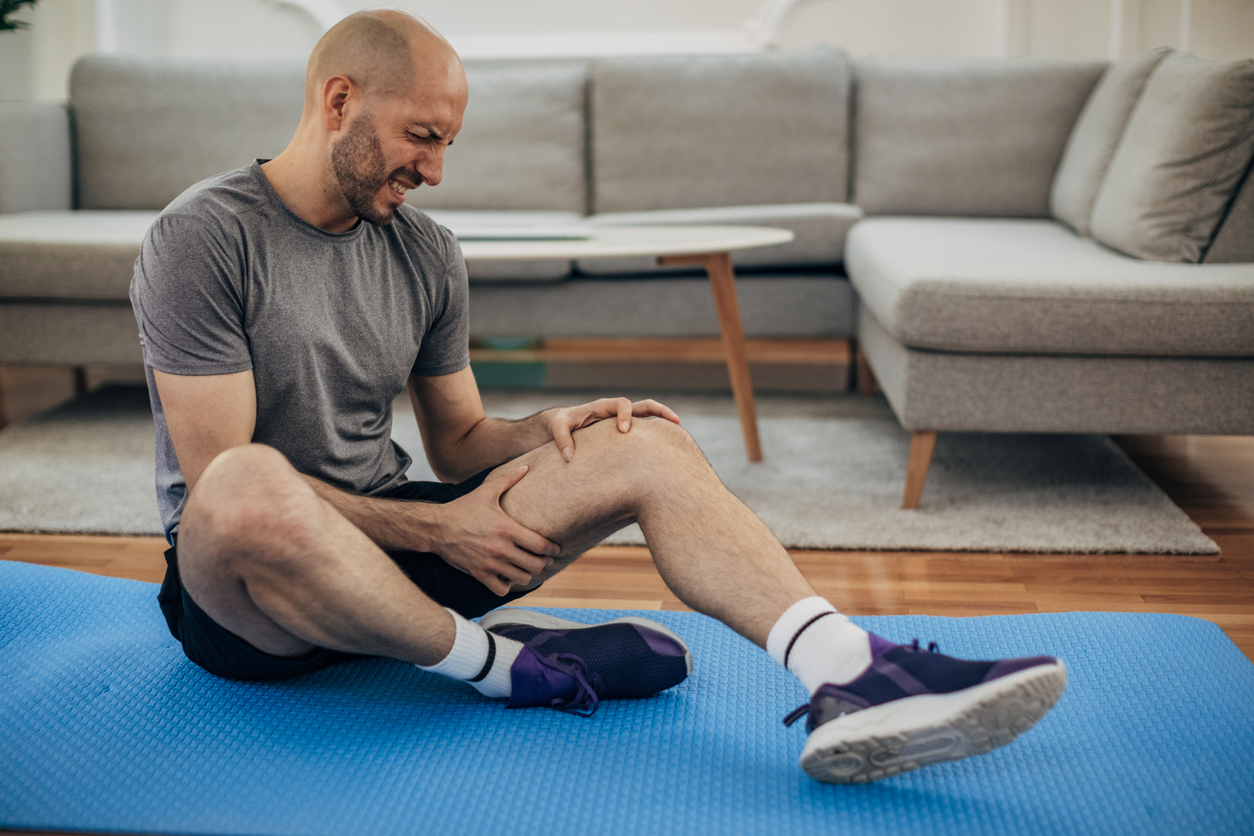
Discover what causes inner thigh pain and how to relieve it — with expert-approved stretches, exercises, and tips from Hinge Health.
Read more
Learn about the importance of knee strengthening exercises and which ones are recommended by physical therapists.
Read more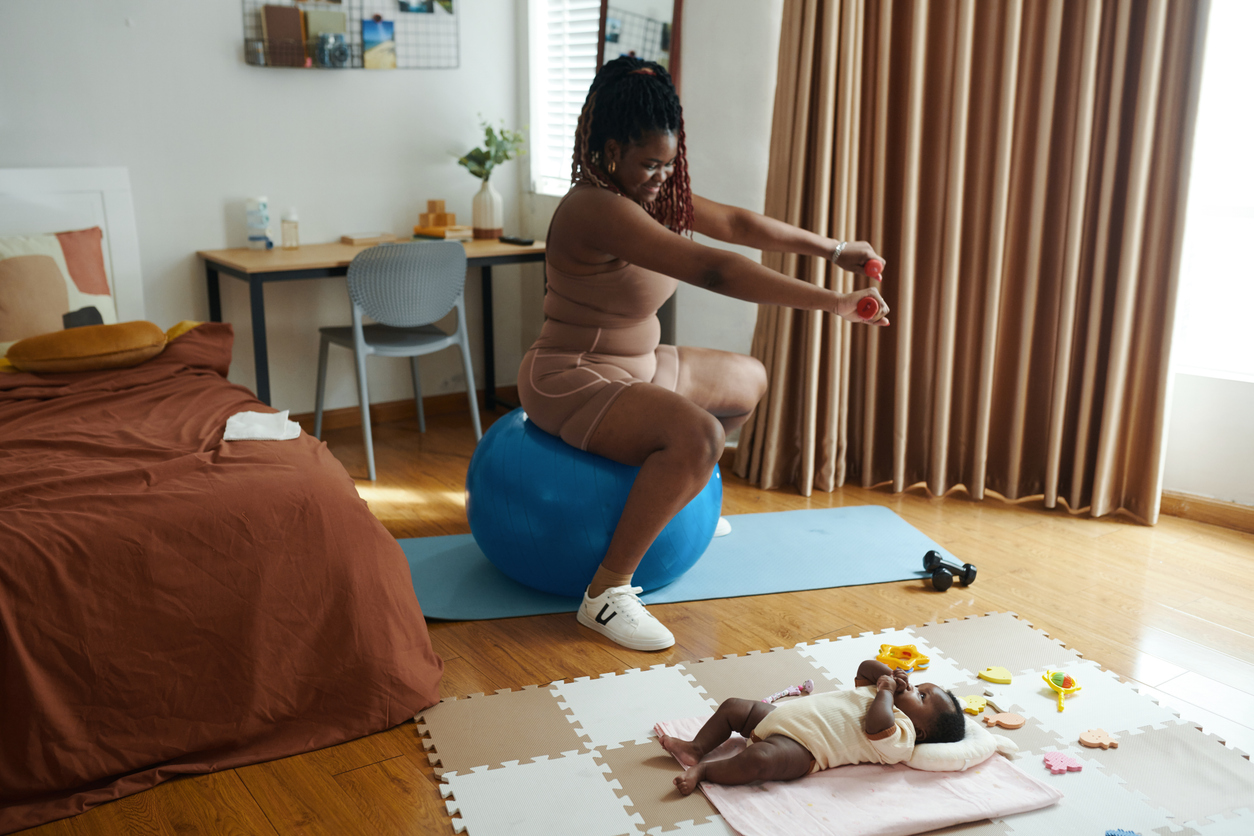
Learn about the benefits of postpartum exercise, when you can start working out, and the best postpartum exercises recommended by PTs.
Read more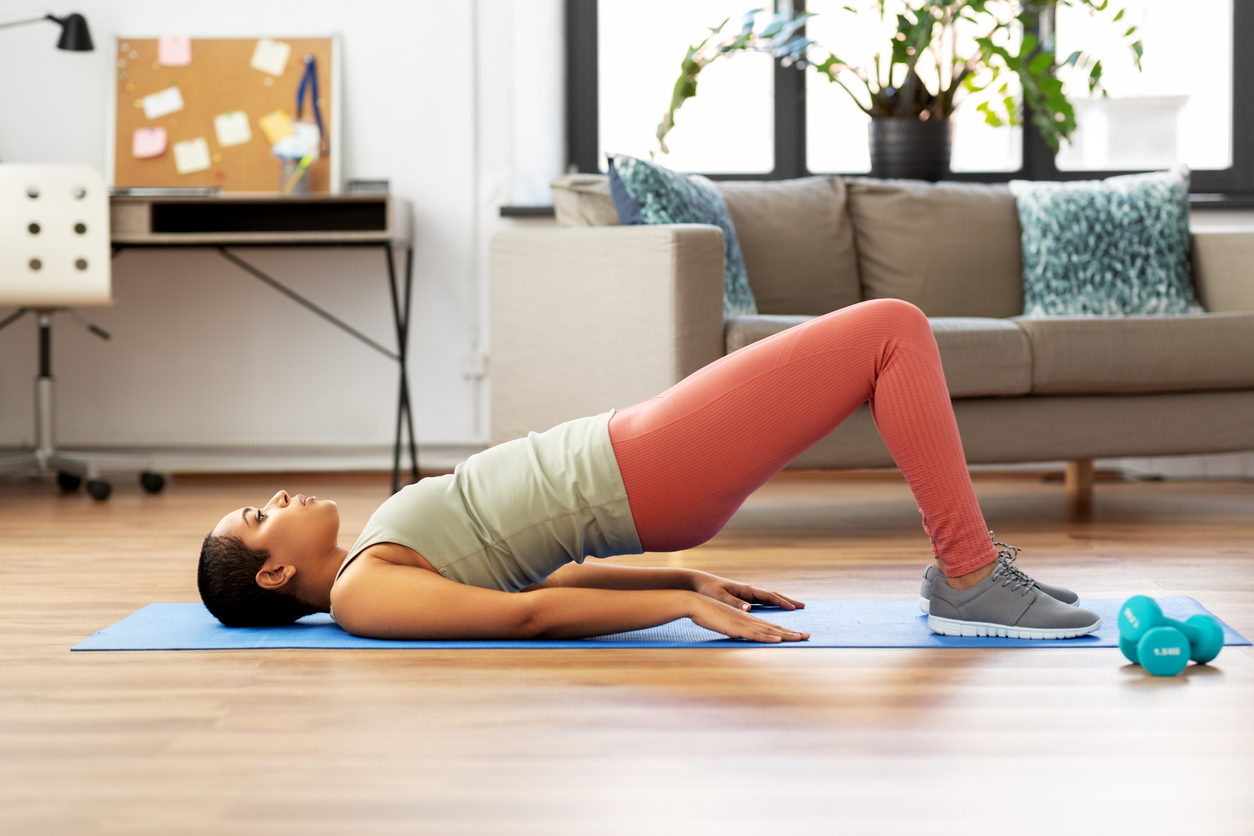
Learn what you can do to promote spine health, and get tips to strengthen the structures in and around your back with simple exercises from physical therapists.
Read more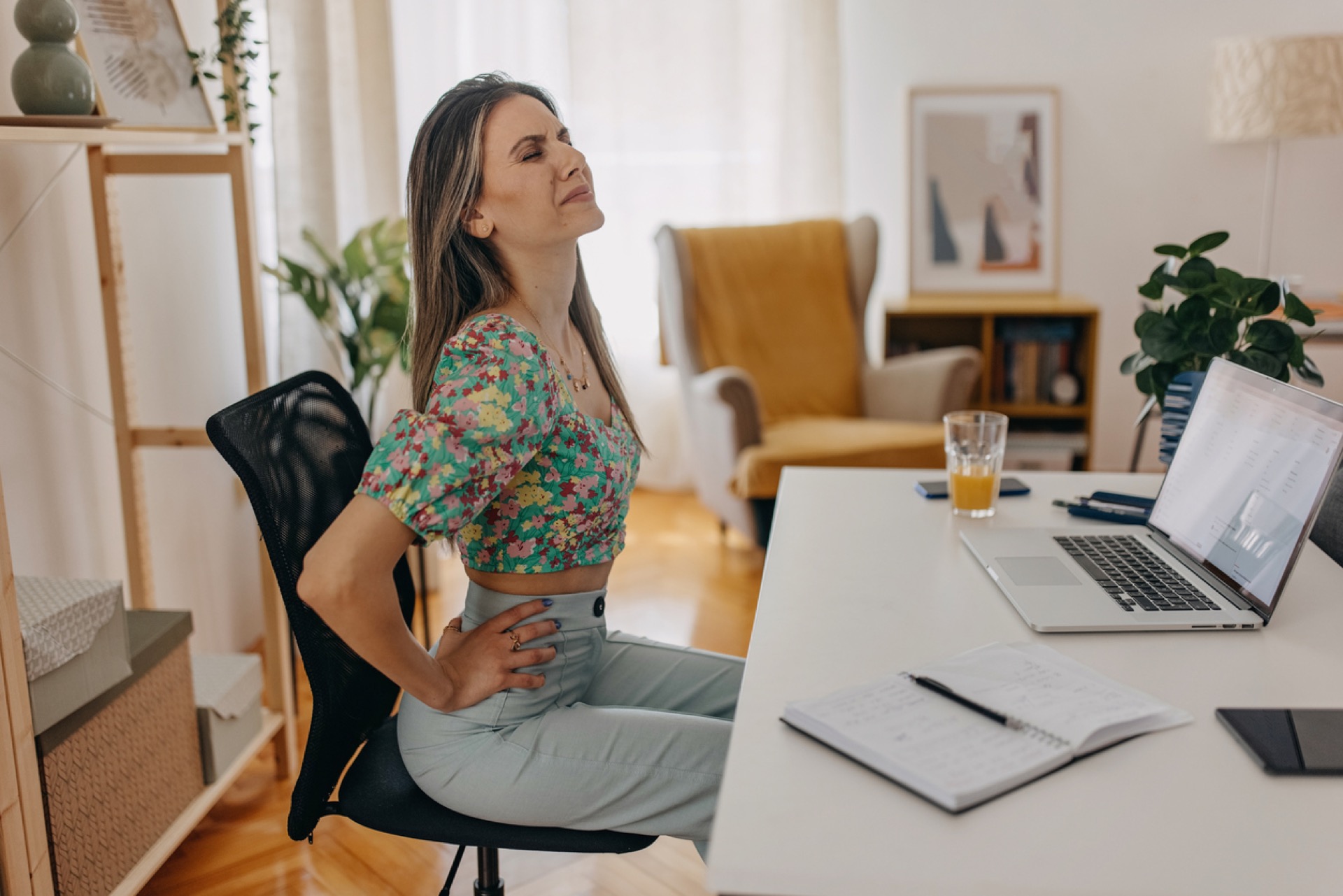
If your back pain radiates to your pelvic area, learn what’s causing this and how to treat it, especially with exercises from physical therapists.
Read moreReferences
- 1Bradley, M. H., Rawlins, A., & Brinker, C. A. (2017). Physical Therapy Treatment of Pelvic Pain. Physical medicine and rehabilitation clinics of North America, 28(3), 589–601. doi:10.1016/j.pmr.2017.03.009
- 2van Reijn-Baggen, D. A., Han-Geurts, I., Voorham-van der Zalm, P. J., Pelger, R., Hagenaars-van Miert, C., & Laan, E. (2022). Pelvic Floor Physical Therapy for Pelvic Floor Hypertonicity: A Systematic Review of Treatment Efficacy. Sexual medicine reviews, 10(2), 209–230. doi:10.1016/j.sxmr.2021.03.002
- 3Dydyk, A. M., & Gupta, N. (2020). Chronic Pelvic Pain. PubMed; StatPearls Publishing. https://www.ncbi.nlm.nih.gov/books/NBK554585/
- 4Grimes, W. R., & Stratton, M. (2021). Pelvic Floor Dysfunction. PubMed; StatPearls Publishing. https://www.ncbi.nlm.nih.gov/books/NBK559246/
- 5Hong, M., Kirk, R. F., Bijal Toprani, Sweet, C. C., Pan, C., Krauss, J., & Grisales, T. (2025). Clinical outcomes of a digital musculoskeletal women’s pelvic health program: an observational, longitudinal study with comparison group. BMC Women’s Health, 25(1). doi:10.1186/s12905-024-03475-4