Menopause at work: managing symptoms, performance, and getting support
Nov 10, 2026

Reviewed by our clinical and medical experts


Over 1 Million members trust Hinge Health, a digital clinic that provides access to virtual physical therapy, to address their joint and muscle pain.
Reduction in member pain
of licensed physical therapists and health coaches
Average star rating of the Hinge Health mobile app
Bailey JF, et al. Digital Care for Chronic Musculoskeletal Pain: 10,000 Participant Longitudinal Cohort Study. J Med Internet Res 2020;22(5):e18250.
Menopause symptoms can affect your workday. Learn practical ways to manage hot flashes, brain fog, and fatigue at work, plus how to get support
Available at $0 cost to many members
If you’ve ever been mid-meeting when, out of the blue, a rush of heat rises from your chest to your face, you know firsthand how distracting and unsettling hot flashes can be. You try to keep talking, hoping no one notices. Soon after, you read and reread an email, but the words just don’t seem to stick, leaving you feeling frustrated and less confident in your ability to manage menopause symptoms at work.
The truth is, when no one talks about it, you start to wonder if you’re the only one struggling to keep pace during midlife. But you’re not—approximately 1.3 million women enter menopause each year in the United States, and more than 80% experience one or more menopause-related symptoms, such as hot flashes, brain fog, and sleep disturbances. These symptoms can affect your concentration, energy, and overall well-being. In fact, research suggests that two in five women have considered changing jobs or have done so because of their symptoms.
But menopause symptoms don’t have to interfere with your workday on a regular basis. “Movement, practical workplace changes, medical care, physical therapy, and supportive conversations can all be part of your treatment plan,” says Morgan Dunn, PT, DPT, a physical therapist at Hinge Health.
Here, learn how menopause symptoms can affect your workday and discover movement-based tips from Hinge Health physical therapists to help you feel your best.

Fully covered pain relief
Find relief from muscle and joint pain.
How menopause symptoms can affect your workday
As a refresher, perimenopause is the transition leading up to menopause, and it usually begins in your 40s and lasts an average of about four years, though for some it can last much longer. You’ve officially reached menopause once you’ve gone 12 consecutive months without a menstrual period.
During this transition, fluctuating levels of estrogen and other hormones can contribute to physical, cognitive, and emotional changes, including hot flashes, fatigue, and difficulty concentrating.
“Menopause looks different for everyone, and symptoms can change over time,” says Dr. Dunn.
Some women experience few or no symptoms, while others have symptoms that interfere with everyday activities, including work. In one survey of more than 4,000 women, about 15% reported missing work or reducing their hours because of their menopause symptoms.
Common symptoms that may affect your workday include:
Hot flashes and night sweats
Sleep problems or insomnia
Brain fog, including trouble concentrating, forgetfulness, or difficulty finding words
Pelvic floor and bladder symptoms, such as urinary incontinence, urinary urgency and frequency, or pelvic discomfort
Mood changes and irritability
Joint pain and stiffness
Keep in mind that menopause isn’t the only possible cause of these symptoms. A healthcare provider can help determine what’s contributing to how you feel and recommend appropriate treatment options.
How movement can help with menopause at work
Movement is one of the most effective tools for managing menopause symptoms and improving productivity, focus, and well-being at work. Regular physical activity can help improve mood, boost energy, and support better sleep. It may also support your cognitive health, while targeted exercise can help ease joint pain and stiffness. Pelvic floor physical therapy and appropriate exercises may also help you manage certain bladder and pelvic symptoms.
A well-rounded movement routine might include strength training, aerobic exercise, balance and flexibility exercises, and relaxation techniques. Depending on your symptoms, pelvic floor strengthening or relaxation exercises may also be helpful.
And you don’t have to squeeze in a long workout to benefit from movement. Small opportunities to move throughout the day count, too. “Even short movement snack breaks during your workday can make a meaningful difference — especially to help improve joint stiffness, alertness, and mood,” says Dr. Dunn. “Gentle stretches, a brief walk, or even a few sit-to-stand exercises between meetings can be a practical starting point.”
A physical therapist (PT) can help you manage movement-related symptoms, such as joint pain, stiffness, or pelvic floor concerns, and create an exercise program that fits your needs and goals. They can also suggest ways to incorporate movement into your workday and make your workspace more comfortable.
You can see a physical therapist in person or use a program like Hinge Health to access a PT via telehealth/video visit.
Did you know?
Physical therapy (PT) is for more than just recovering from surgery or injury. It’s one of the top treatments for joint and muscle pain. It helps build strength, improve mobility, and reduce pain. And it doesn't always need to be in person.
Hinge Health members can conveniently access customized plans or chat with their care team at home or on the go — and experience an average 68% reduction in pain* within the first 12 weeks of their program. Learn more*.
Tips for managing menopause at work
Menopause symptoms don't have to interfere with your workday. Small adjustments to your routine and environment, from what you wear to how you organize your day, can help you feel more comfortable, focused, and in control. Consider these strategies:
Dress in breathable layers. Choose clothing you can easily adjust during a hot flash. Keeping a fan or cold water nearby may also help you cool down and stay comfortable.
Build movement snacks into your day. A five-minute stretch, a quick walk, or simply changing positions can help ease stiffness and give you a mental reset, says Dr. Dunn.
Practice deep breathing to manage stress. Try a few slow, comfortable breaths or a short meditation before a demanding meeting. While breathing exercises like diaphragmatic breathing won’t necessarily stop a hot flash, they may help you feel calmer and better equipped to handle stressful moments.
Plan your workload around your energy levels. If possible, schedule demanding tasks for times when you tend to feel most alert. Dr. Dunn also suggests using a quiet space for focused work. Planners, reminders, and to-do lists can help you stay organized when brain fog makes concentration more difficult.
Prioritize your well-being outside of work. Make time for healthy sleep habits, nourishing meals, and movement you enjoy, whether that’s yoga, strength training, or walking. These habits can support your overall health, even if they don't eliminate every menopause symptom.
Always remember that you don’t have to manage menopause symptoms through lifestyle changes alone. Medical treatments, including menopausal hormone therapy (MHT) and nonhormonal options, may help with certain symptoms. Talk to your healthcare provider about what’s appropriate for you.
How to talk to your manager about menopause
Talking to your manager about menopause may understandably feel uncomfortable, especially if your workplace doesn’t openly discuss it. But you deserve to feel supported, and you don’t have to share every personal detail to ask for changes that would make your workday easier. “Seeking care and accommodations in the workplace is not a sign of weakness,” says Dr. Dunn.
If you decide to start a conversation, focus on the challenges you're experiencing at work and what might help you do your job more comfortably.
Some ways to prepare include:
Identify your needs. Think about which symptoms affect your workday and what situations tend to make them more challenging.
Consider what’s already helping. Maybe short movement breaks ease stiffness, or working in a cooler space helps you manage hot flashes.
Suggest practical solutions. Come prepared with adjustments that could make a difference, such as flexible scheduling, easier restroom access, or a quieter workspace.
Ask about available resources. Your manager or human resources department may be able to explain workplace policies, employee wellness benefits, or processes for requesting accommodations.
You can also discuss your needs with HR rather than your direct manager, depending on what feels most comfortable. Workplace accommodation rights and procedures vary based on individual circumstances and applicable laws.
Workplace adjustments that can help with menopause at work
There’s no one-size-fits-all approach to menopause support at work. What helps someone who works at a desk may look different from what helps someone who spends their day standing, traveling, or working outdoors. Depending on your role and workplace environment, helpful adjustments may include:
More frequent or flexible breaks
Flexible hours or remote work options when symptoms are particularly disruptive
Access to cold drinking water, fans, or temperature controls
Reliable access to restrooms
Quiet workspaces for tasks that require concentration
Flexibility around meeting times or schedules
Organizational tools, such as reminders, task lists, or shared calendars
When to see a doctor
Menopause symptoms are common, but that doesn’t mean they have to be your new normal. If your symptoms are persistent, worsening, or affecting your daily quality of life, talk to a healthcare provider. They can help identify possible causes and discuss treatment options. It’s especially important to seek medical advice if you experience:
Periods that are unusually heavy, last longer than a week, or occur more frequently than every 21 days
Bleeding between periods, after sex, or after menopause
Persistent anxiety, depression, or other mood changes that interfere with daily life
New or worsening joint pain, bladder symptoms, or pelvic discomfort
Sleep problems that regularly affect your ability to function
Any new or concerning symptom you're unsure about
PT tip: Create a “movement snack” menu
If you spend a majority of your workday sitting, finding small opportunities to move can help you feel more comfortable and energized. Dr. Dunn suggests creating a personal “movement snack menu.” Think of this as a list of quick, simple activities you can choose from throughout the day based on how you’re feeling.
Your menu might include gently reaching overhead, doing five shoulder blade squeezes or calf raises, taking a few slow breaths, or walking to refill your water bottle.
“On a higher symptom day, you might choose breathing exercises between meetings; on a better day, you might opt for a short walk at lunch,” explains Dr. Dunn. “The menu offers quick and simple ways to support your body and clear some mental space.”
How Hinge Health can help you
If you have joint or muscle pain that makes it hard to move, you can get the relief you’ve been looking for with Hinge Health’s online exercise therapy program.
The best part: You don’t have to leave your home because our program is digital. That means you can easily get the care you need through our app, when and where it works for you.
Through our program, you’ll have access to therapeutic exercises and stretches for your condition. Additionally, you’ll have a personal care team to guide, support, and tailor our program to you.
See if you qualify for Hinge Health and confirm free coverage through your employer or benefit plan here.
This article and its contents are provided for educational and informational purposes only and do not constitute medical advice or professional services specific to you or your medical condition.
Looking for pain relief? Check if your employer or health plan covers our program.
Join more than 1.2 million members and over 2,800 companies that trust Hinge Health to get relief.
Related articles

Feeling stressed or anxious? Explore simple self-soothing techniques to help you feel calm, build resilience, and support your overall well-being.
Read more
Learn how to treat knee pain after a hip replacement, especially with exercises from Hinge Health physical therapists.
Read more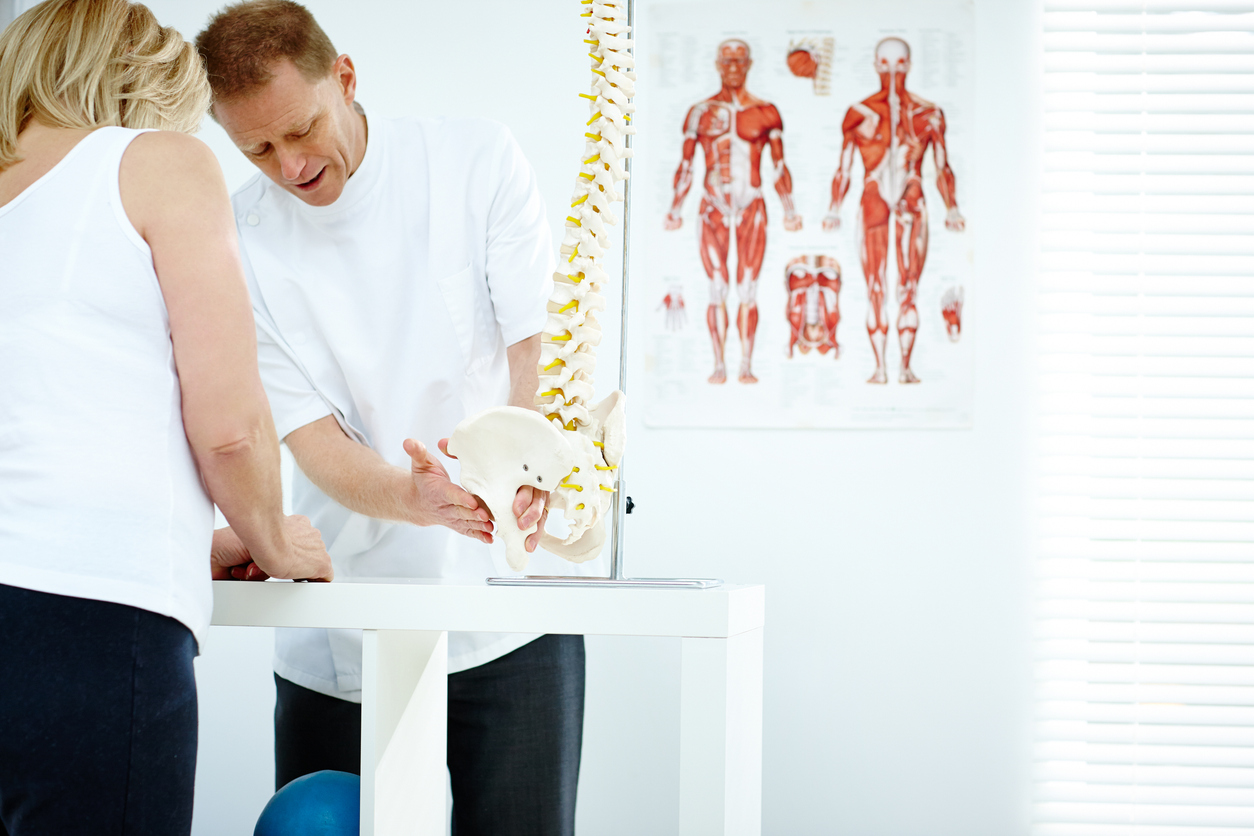
Hip injuries are common and can affect people of all ages. Learn about some of the most common hip injuries and what you can do to prevent and manage them.
Read more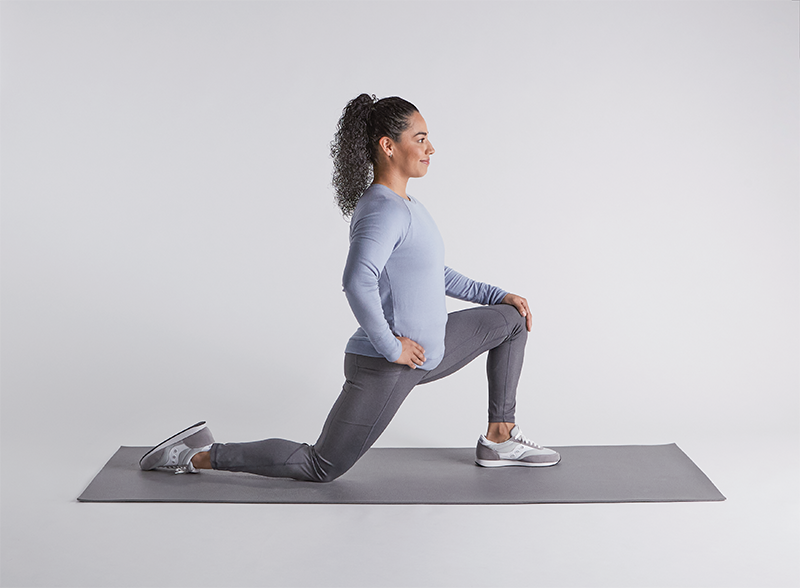
Learn how to do a kneeling hip flexor stretch to improve hip mobility and flexibility, plus modifications to make this exercise easier or harder.
Read more
Get wrist strengthening exercises from physical therapists to relieve wrist pain and improve mobility and grip strength.
Read more
Learn how to do an external hip rotation exercise to help with hip pain and mobility, plus modifications to make it easier or harder.
Read moreReferences
- 1Kapoor, E., Safwan, N., Chaudhry, R., Griffin, J. M., Kling, J. M., Shufelt, C. L., Cole, K. C., Enders, F. T., & Faubion, S. S. (2025). Addressing Menopause Symptoms: Barriers and Opportunities for Improvement. Mayo Clinic Proceedings, 100(11), 1897–1907. doi:10.1016/j.mayocp.2025.02.018
- 2Menopause and the workplace: Consensus recommendations from the menopause society. (2024). Menopause, 31(9), 741–749. doi:10.1097/gme.0000000000002415
- 3Menopause symptoms and relief | Office on Women’s Health. (2016). OASH | Office on Women’s Health. https://womenshealth.gov/menopause/menopause-symptoms-and-relief
- 4Menopause workplace resource guide for women. (n.d.). Retrieved September 3, 2026, from https://swhr.org/wp-content/uploads/2024/04/New-SWHR-Menopause-Workplace-Guide-for-Women-2024Apr.pdf
- 5Money, A., MacKenzie, A., Norman, G., Eost-Telling, C., Harris, D., McDermott, J., & Todd, C. (2024). The impact of physical activity and exercise interventions on symptoms for women experiencing menopause: Overview of reviews. BMC Women’s Health, 24(1). doi:10.1186/s12905-024-03243-4
- 6Peacock, K., & Ketvertis, K. M. (2023). Menopause. StatPearls Publishing. National Library of Medicine. https://www.ncbi.nlm.nih.gov/books/NBK507826/