Over 1 Million members trust Hinge Health, a digital clinic that provides access to virtual physical therapy, to address their joint and muscle pain.
Reduction in member pain
of licensed physical therapists and health coaches
Average star rating of the Hinge Health mobile app
Bailey JF, et al. Digital Care for Chronic Musculoskeletal Pain: 10,000 Participant Longitudinal Cohort Study. J Med Internet Res 2020;22(5):e18250.
Perimenopause symptoms go far beyond hot flashes. Learn how to recognize the signs, like joint pain and bladder changes, and what can help you feel better.
Available at $0 cost to many members
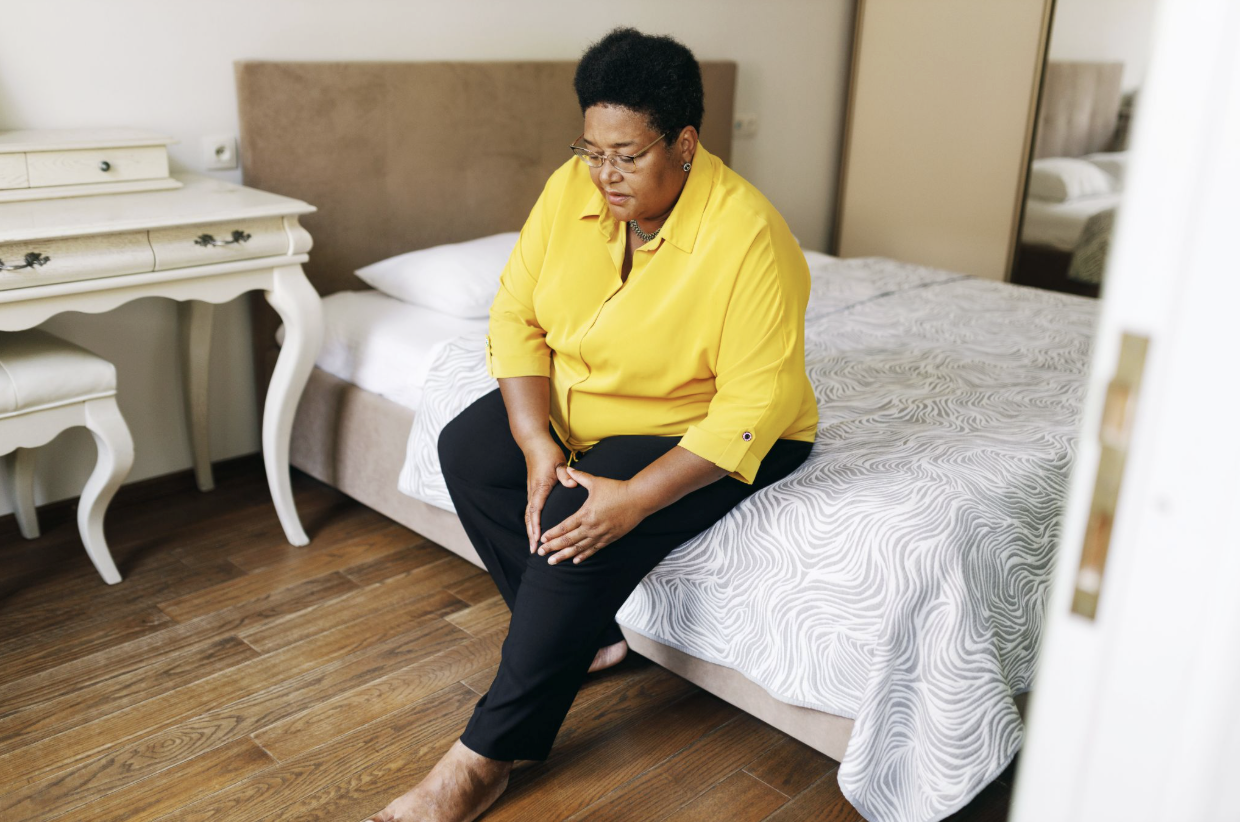
Noticing more stiffness in your knees or aches in your hands? Joint pain can have many causes, but one you may not immediately think of is perimenopause, or the two to 10 year transition leading up to menopause.
During perimenopause, the hormones estrogen and progesterone fluctuate, contributing to classic menopause symptoms like irregular periods and hot flashes. These hormonal changes may also affect other systems and play a role in the muscle and joint aches that many people notice during this stage of life.
In fact, one study found that roughly 71% of people in perimenopause experience some kind of musculoskeletal pain. Symptoms can show up in many areas of the body, including your hands, knees, hips, back, shoulders, neck, elbows, and feet.
“If you’re noticing new aches or stiffness during perimenopause, you’re not imagining it, and you don’t have to simply live with it,” says Morgan Dunn, PT, DPT, a physical therapist at Hinge Health. “Exercise and other strategies can help you stay active, build strength, and manage discomfort during perimenopause. Understanding what’s happening and finding ways to keep moving can help you feel more comfortable and confident in your body.”
Ahead, learn why joint pain can become more noticeable during perimenopause and what you can do to feel better, including targeted exercises recommended by Hinge Health physical therapists.
Reviewed by our clinical and medical experts


Fully Covered Pelvic Care
Find relief from pelvic pain, leakage, muscle weakness, & more.
When does perimenopause joint pain start?
Perimenopause is the transition leading up to menopause, which is marked by 12 consecutive months without a period. It typically begins in your 40s, although some people notice changes earlier and some may even enter perimenopause in their 50s. This hormonal transition often lasts several years, and symptoms can come and go as hormone levels fluctuate.
Not everyone will experience joint pain during perimenopause, and it can feel different from person to person. You may notice symptoms such as:
Joint aches or stiffness, including stiffness that feels more noticeable after periods of rest
Pain that varies in location or intensity
Changes in range of motion
Because joint pain has many possible causes, symptoms alone can’t tell you whether hormonal changes are responsible. Paying attention to when and where your symptoms occur can give you useful information to discuss with your healthcare provider.
Why can perimenopause contribute to joint pain?
Your shifting hormones — specifically estrogen — likely play a role. Estrogen is a sex hormone that affects many body systems, including your musculoskeletal system.
Estrogen does so much more than regulate your menstrual cycle during your reproductive years. It also helps to maintain bone structure, improve muscle mass and strength, and increase the collagen content of connective tissues in your joints. It also plays an important role in controlling and preventing inflammation. Research shows estrogen can decrease stiffness in muscles, tendons, and ligaments, which can help make movement feel easier and help you stay strong. During perimenopause, estrogen levels fluctuate before eventually declining, which may contribute to changes in how your muscles and joints feel. “Lower levels of estrogen can lead to increased inflammation in the joint,” says Dr. Dunn. Plus with fluctuations, cartilage and other joint tissues may lose some of their protection, which can contribute to increased stiffness, friction, and joint pain during perimenopause.
Hormones aren’t necessarily acting alone, though. Sleep changes, stress, activity levels, and other physical and emotional changes during midlife can all influence how you experience pain.
And perimenopause isn’t the only possible explanation for new joint symptoms. Other conditions that can cause pain, stiffness, or swelling include:
Osteoarthritis (OA). This most common type of arthritis occurs when the protective cartilage that cushions the ends of bones changes over time. OA can happen in any joint, leading to symptoms such as pain and stiffness that tends to amplify after physical activity.
Rheumatoid arthritis. This autoimmune condition causes the immune system to attack healthy tissue in the joints, which can lead to inflammation, pain, stiffness, and swelling.
Fractures due to osteoporosis. Osteoporosis reduces bone strength and increases the risk of fractures.
Fibromyalgia. This chronic condition can cause widespread musculoskeletal pain and tenderness, along with symptoms such as fatigue, sleep problems, and cognitive difficulties.
How movement can help ease perimenopause joint pain
When your joints ache, you may feel hesitant to exercise. But pain doesn’t necessarily mean movement is harming your joints. In fact, staying active is one of the most useful things you can do to support your muscles, joints, and bones during perimenopause.
“Movement and exercise are key for preventing and managing joint pain during perimenopause,” says Dr. Dunn. Regular movement helps your joints move through their available range of motion and builds the muscles that support everyday activities. Your joints also contain synovial fluid, which helps lubricate joint surfaces. Movement helps circulate this fluid, explains Dr. Dunn.
“Regular activity also strengthens muscles around joints, improving support and stability and taking some load off painful areas,” she adds.
Weight-bearing exercise is particularly important during and after the menopause transition because it helps maintain bone strength. Strength training can help preserve and build muscle, while mobility exercises can help you stay comfortable moving through everyday activities.
Movement has benefits beyond your joints, too. Regular physical activity can support sleep, energy, mood, and overall well-being, all of which can influence how you experience and cope with pain.
Exercises for perimenopause joint pain
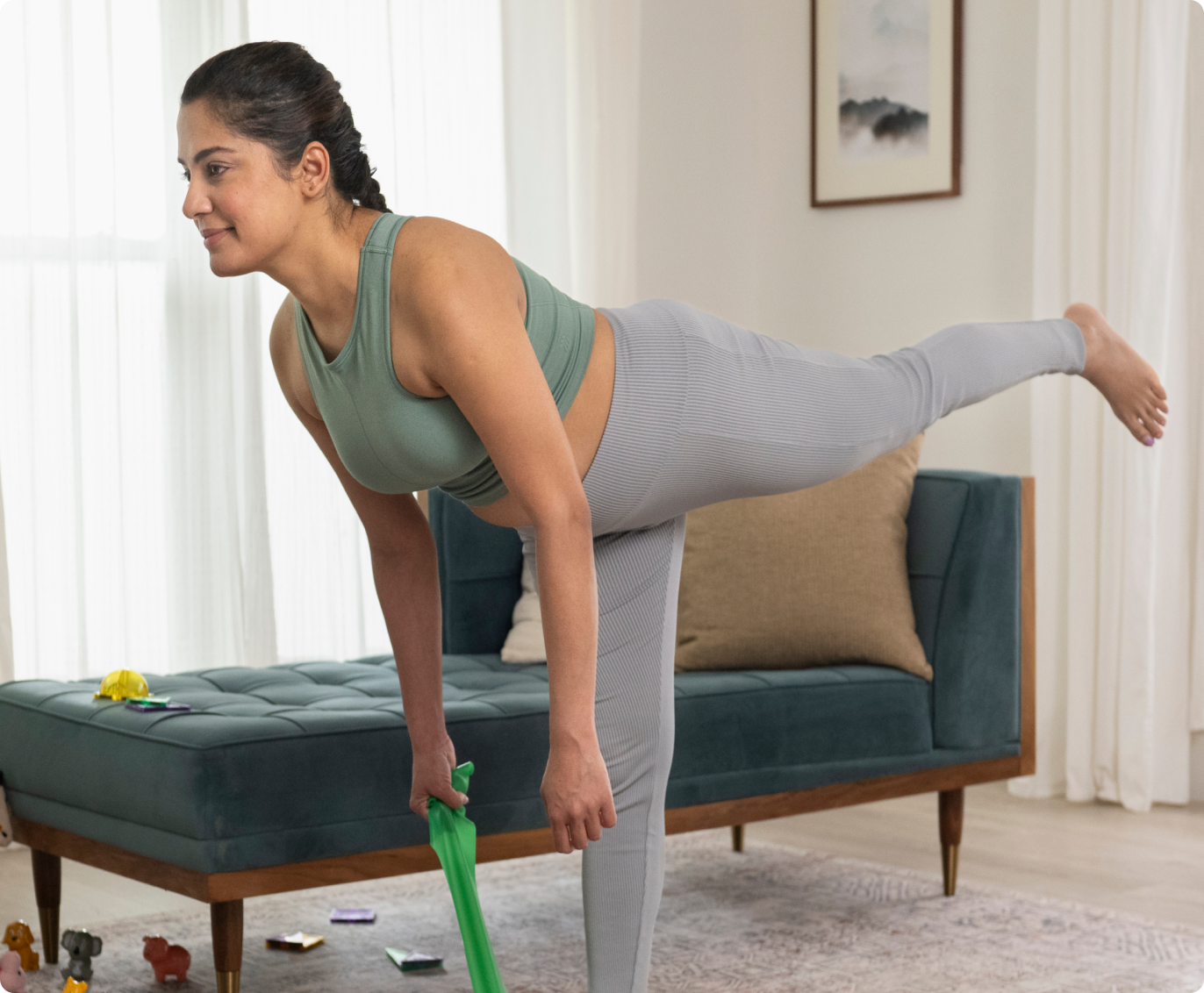
This functional movement strengthens your hips, glutes (butt muscles), and thighs while practicing a movement you use throughout the day. Building lower-body strength can make activities like getting out of a chair and climbing stairs feel easier.
Want expert care?
Check if you're covered for our free programDid you know?
Pelvic floor physical therapy is more than just kegel exercises. Various exercises tailored to your symptoms and needs are key to getting relief. Pelvic floor PT can relieve many different pelvic issues, such as pelvic pain, painful sex, and urinary incontinence.
Members of the Hinge Health pelvic health program experience an average 67% reduction in pelvic pain and 54% reduction in urinary incontinence within the first 12 weeks. Learn more*.
Together, these exercises provide movement and strengthening for several areas where people may notice aches or stiffness during perimenopause. You don’t have to do them all at once. Start with movements that feel comfortable and gradually build from there. The information contained in these videos is intended to be used for educational purposes only and does not constitute medical advice or treatment for any specific condition. Hinge Health is not your healthcare provider and is not responsible for any injury sustained or exacerbated by your use of or participation in these exercises. Please consult with your healthcare provider with any questions you may have about your medical condition or treatment.
Treatment options for perimenopause joint pain
There’s no single treatment for joint pain during perimenopause. What helps may depend on your symptoms, overall health, and what’s contributing to your pain. Exercise and physical therapy can play an important role, while other strategies may help you manage symptoms and stay active.
Try physical therapy and targeted exercises. Targeted exercises and strengthening moves can help reduce stiffness, build supporting muscle and maintain mobility to ease hormone-related joint pain and discomfort and prevent it from getting worse. You can do exercise therapy at home or work with a physical therapist who can guide you through movements tailored to your needs. You can see a physical therapist in person or use a program like Hinge Health, where you may access a PT via telehealth/video visit.
Stay active. Walking, stretching, strength training, and even household activities all count as movement. If an activity causes an unacceptable increase in pain, you don’t necessarily need to stop it altogether. Try adjusting the intensity, duration, range of motion, or frequency so you can keep moving comfortably.
Try cold or heat therapy. Heat or cold can provide temporary symptom relief, so use whichever feels best to you. Heat may feel soothing when an area feels stiff or achy, while some people prefer cold when a joint feels particularly sore.
Take over-the-counter (OTC) medication. Pain relievers such as ibuprofen (Advil, Motrin), naproxen (Aleve), and acetaminophen (Tylenol) can help ease stiffness and discomfort so you can do your targeted exercises and stay active when you have joint pain. If you have a medical condition or take other medications, check in with your provider to make sure these OTC options are safe to take.
Consider lifestyle modifications. Factors like sleep, stress, nutrition, and certain activities can all play a role in how you feel during perimenopause. In fact, many people are surprised to learn that joint pain isn’t just about what’s happening physically — your daily habits and overall well-being can have a real impact, too. Staying curious about how your routines affect your muscles and joints can help you identify where small changes might help reduce pain. For example, you might notice your pain is less noticeable on low-stress days.
Consult your doctor about menopause hormone therapy (MHT). MHT is used primarily to treat bothersome menopause symptoms such as hot flashes and night sweats. Some research suggests it may also influence musculoskeletal symptoms, but it isn’t considered a stand-alone treatment for joint pain. Your healthcare provider can help you decide whether MHT is appropriate based on your overall menopause symptoms, medical history, and individual risks and benefits.
Try complementary treatments. Talk to your provider if you’re interested in trying alternative treatments for perimenopause joint pain relief, such as massage, acupuncture, or chiropractic care.
When to see a doctor
Joint pain during perimenopause can often be managed with movement and other simple at-home treatments. But not every new ache is necessarily caused by hormonal changes. See a healthcare provider if your pain is severe, getting worse, interfering with everyday activities, or simply concerns you. It’s also a good idea to seek care for:
Sudden or significant swelling, redness, or warmth in a joint
Pain in multiple joints that appears suddenly or occurs alongside other new symptoms
New weakness, numbness, or other concerning symptoms
Any joint symptom you’re unsure about
PT tip: Build a well-rounded movement routine
Different types of exercise offer different benefits during perimenopause. Strength training helps build and maintain muscle, while weight-bearing aerobic activity supports bone health. Mobility and balance exercises can help you stay comfortable and confident with everyday movement, too. When in doubt, aim for a mix of activities you enjoy and can do consistently. A physical therapist can help you build and progress a routine based on your current abilities, symptoms, and goals.
How Hinge Health can help you
If you have pelvic pain, bladder, bowel, or other pelvic symptoms that are affecting your quality of life, you can get the relief you've been looking for with Hinge Health’s online exercise therapy program.
The best part: You don’t have to leave your home because our program is digital. That means you can easily get the care you need through our app, when and where it works for you. Through our program, you’ll have access to therapeutic exercises and stretches for your condition. Additionally, you’ll have a personal care team to guide, support, and tailor our program to you.
See if you qualify for Hinge Health and confirm free coverage through your employer or benefit plan here.
This article and its contents are provided for educational and informational purposes only and do not constitute medical advice or professional services specific to you or your medical condition.
Looking for pain relief? Check if your employer or health plan covers our program.
Join more than 1.2 million members and over 2,800 companies that trust Hinge Health to get relief.
Related articles

Stress doesn’t directly cause hemorrhoids, but it can disrupt digestion and trigger them. Learn how stress affects your body and how to break the cycle.
Read more
Burning or pain when you pee can be uncomfortable and concerning. Learn the possible causes — from UTIs to pelvic floor tension — and what can help.
Read more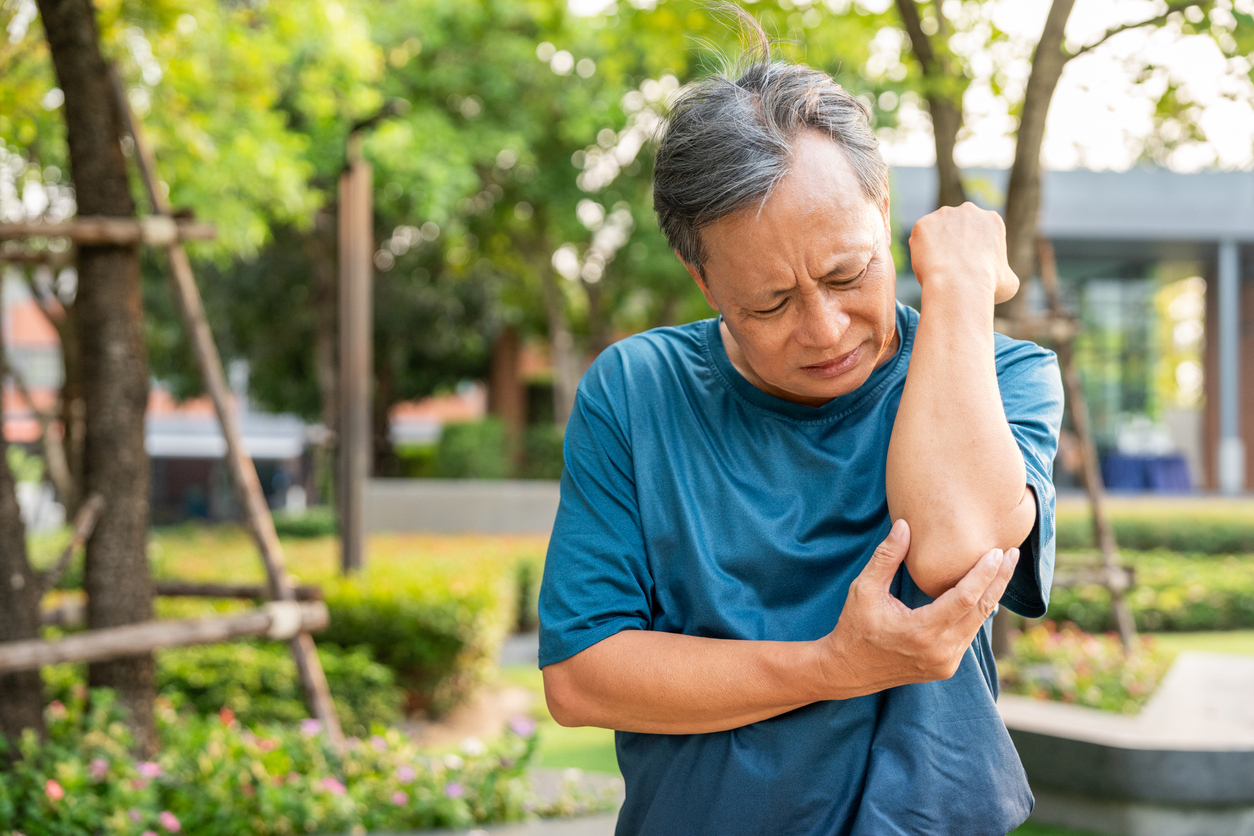
Learn common causes of an elbow bone spur and how to alleviate discomfort, especially with exercises from physical therapists.
Read more
Learn how stress can contribute to neck pain and how to prevent and relieve it, especially with exercises from Hinge Health physical therapists.
Read more
Learn about the effects of getting too much exercise, how to tell if you’re over-exercising, and how to find the right amount of movement for you.
Read more- 1Chidi-Ogbolu, N., & Baar, K. (2019). Effect of Estrogen on Musculoskeletal Performance and Injury Risk. Frontiers in Physiology, 9(1). doi:10.3389/fphys.2018.01834
- 2Gulati, M., Dursun, E., Vincent, K., & Watt, F. E. (2023). The influence of sex hormones on musculoskeletal pain and osteoarthritis. The Lancet Rheumatology, 5(4), e225–e238. doi:10.1016/s2665-9913(23)00060-7
- 3Hedges, M. S., Hewings-Martin, Y., Karam, J., Castaneda, R., Cunningham, A. C., Xu, Y., Zhaunova, L., Faubion, S. S., & Shufelt, C. L. (2026). Global perspectives on perimenopause: a digital survey of knowledge and symptoms using the Flo application. Menopause. doi:10.1097/gme.0000000000002730
- 4Lu, C., Liu, P., Zhou, Y., Meng, F., Qiao, T., Yang, X., Li, X., Xue, Q., Xu, H., Liu, Y., Han, Y., & Zhang, Y. (2020). Musculoskeletal Pain during the Menopausal Transition: A Systematic Review and Meta-Analysis. Neural Plasticity, 2020(1), 1–10. doi:10.1155/2020/8842110
- 5Manno, R. L. (2026). Joint pain and menopause. Menopause, 33(3), 358–360. doi:10.1097/gme.0000000000002756
- 6Minkin, M. J. (n.d.). Symptom Spotlight: Joint Pain. Www.letstalkmenopause.org. https://www.letstalkmenopause.org/our-articles/symptom-spotlight-joint-pain
- 7National Institute on Aging. (2021). What is menopause? National Institute on Aging; National Institute of Health. https://www.nia.nih.gov/health/menopause/what-menopause
- 8Philip, A. E., Singh, H., Nanjundiah, S. Y., Samudrala, P. C., Theunissen, D. W., Robinson, J., & Banerjee, I. (2025). Impact of Exercise on Perimenopausal Syndrome: A Systematic Review of Randomized Controlled Trials. Cureus. doi:10.7759/cureus.80862