
Over 1 Million members trust Hinge Health, a digital clinic that provides access to virtual physical therapy, to address their joint and muscle pain.
Reduction in member pain
of licensed physical therapists and health coaches
Average star rating of the Hinge Health mobile app
Bailey JF, et al. Digital Care for Chronic Musculoskeletal Pain: 10,000 Participant Longitudinal Cohort Study. J Med Internet Res 2020;22(5):e18250.
Curious how physical therapy for migraines works online? Here’s what to expect from the assessment for your first virtual physical therapy session.
Available at $0 cost to many members
When chronic migraine keeps interrupting your workdays, workouts, plans, and sleep, you probably know to talk to your doctor or neurologist about treatment. But did you know a physical therapist (PT) can also play an important role in your migraine management plan?
Migraine is a neurological condition, but symptoms can overlap with neck tension, limited mobility, muscle tension, and a nervous system that’s become more sensitive to pain. Physical therapy for migraines focuses on these contributing factors while helping you build movement and lifestyle strategies that make symptoms easier to tolerate.
You don’t always have to travel to a clinic to get this kind of support. Virtual headache physical therapy allows a PT to learn about your migraines, assess how your neck and upper body move, develop a personalized exercise plan, and monitor your progress from home.
“Physical therapy is a really beneficial tool that can be amazing for so many people with migraines, especially those who don’t know that this is an option,” says Whitney Rogers, PT, DPT, a physical therapist at Hinge Health who has chronic migraines.
Ahead, learn how virtual physical therapy for migraines works, what to expect during your first visit, and how Hinge Health physical therapists can help you feel more in control of your symptoms.
Fully covered migraine care
Find relief from migraine pain and more
What is physical therapy for migraine?
Physical therapy doesn’t treat migraine as if it were simply a neck or posture problem. It’s generally used alongside medical care, such as treatment from a primary care provider or neurologist. “What we look at are musculoskeletal contributors like neck tension, posture, muscle guarding, movement limitations, and pain sensitivity,” says Dr. Rogers.
A PT may help you improve your neck and upper-back mobility, build strength, become more comfortable with movement, and find strategies for reducing muscle tension.
Physical therapy can also support healthy habits that help make migraine more manageable. One common framework is SEEDS, which stands for sleep, eating, exercise, drinking, and stress. That means keeping sleep and meal times relatively consistent, staying hydrated, moving regularly, and finding ways to manage stress.
A PT can help you figure out how movement fits into that bigger picture, especially if you’re unsure how much activity feels right. Research suggests regular physical activity can help some people reduce migraine frequency or severity, although what feels best during or after an attack varies from person to person.
How virtual physical therapy for migraine works
Virtual physical therapy has similar, if not identical, foundations to in-person PT, but the assessment, exercise guidance, and follow-up happen through video visits and digital tools. Here’s what the process may look like with Hinge Health.
Initial assessment
Your first PT visit is largely a conversation. Your physical therapist will ask about:
Your migraine history
How often your symptoms occur
Migraine triggers or patterns you’ve noticed
Treatments you’ve tried
Medications or other treatments you use daily or as needed
Other healthcare providers you’re working with
A PT will likely also ask if your migraines are holding you back from living your life. For instance, maybe your migraines make you miss work several times a month. Perhaps turning your head while driving feels difficult because your neck is stiff. Or maybe your symptoms are making it harder to reliably commit to social activities or even a consistent exercise plan.
Your PT may then watch you perform a few simple movements over video, such as turning or tilting your head, to see how your neck moves and whether certain positions affect your symptoms. “You don’t need to be in workout clothes,” says Dr. Rogers. “You can typically sit in a chair in front of your phone while we watch how your neck is moving.”
Personalized treatment plan
Next, your PT connects what they saw during the movement assessment with your symptoms and goals.
Your plan may include gentle neck and upper-back exercises, breathing or relaxation techniques, movement snacks, and strategies for pacing your physical activity. While there is no such thing as the “perfect posture,” your PT may encourage small position changes that can improve your posture and help prevent migraine attacks.
Goals are personal, too. If you currently miss three workdays each month because of chronic migraines, progress might mean missing one. If you have four migraine attacks a month, perhaps your goal is to have fewer or less intense episodes moving forward. Or maybe progress means getting back to an activity that brings you joy, such as starting a walking program.
As Dr. Rogers puts it, the goal doesn’t necessarily have to be “getting rid of every migraine ever, forever.” Improvements in frequency, intensity, and your ability to participate in everyday life are better goalposts to target.
Ongoing virtual support
Your plan continues outside of video appointments. With Hinge Health, exercises can be delivered through the app, where you can also track your symptoms and lifestyle factors such as sleep, eating patterns, hydration, stress, caffeine, and medication use. Those patterns can give you and your care team additional context about what may be driving your migraine attacks.
Another advantage of virtual PT is that your therapist can see you in your own space, or work environment. “If you’re sitting at your desk at work, I can see how you’re sitting and how your desk is set up,” says Dr. Rogers. “That’s not an opportunity we would have in an in-person clinic.”
Enso for Migraine
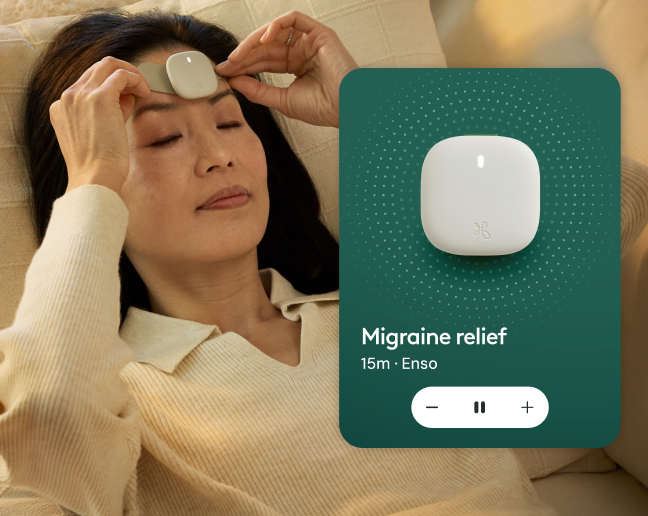
Hinge Health’s Migraine Care Program may also include Enso for Migraine, an FDA-cleared wearable device that delivers gentle electrical pulses and is designed to provide migraine pain relief. It’s one part of the broader program, alongside exercise therapy, trigger tracking, and support from your care team.
Enso for Migraine is specifically designed and cleared for acute migraine treatment. Don’t place a standard Enso device intended for musculoskeletal pain on your head.
What to expect in your first virtual physical therapy session
A first virtual PT visit with Hinge Health typically lasts about 30 minutes. Much of that time is spent talking, because understanding your migraine experience is just as important as watching how you move.
You won’t need exercise equipment or a complicated setup wherever you’re taking your call from. Your PT may simply ask you to sit where they can see your upper body and perform a few neck movements.
You can also begin app-guided exercises before your first PT appointment once you’re enrolled in the migraine program. If you go this route, be sure to let your PT know which movements felt good and if you noticed any changes in your symptoms. Your PT can use that feedback to adjust your program.
Exercises you may do in physical therapy for migraines
This move gently increases mobility and strengthens the muscles that support your head and neck, which can make turning your head and moving positions easier.
The goal of migraine exercise isn’t to force stiff muscles into a particular position or push through symptoms. It’s to gradually improve your mobility, strength, and confidence with movement. What feels comfortable may vary from day to day, so you can adjust your activity based on how you’re feeling.
The information contained in these videos is intended to be used for educational purposes only and does not constitute medical advice or treatment for any specific condition. Hinge Health is not your healthcare provider and is not responsible for any injury sustained or exacerbated by your use of or participation in these exercises. Please consult with your healthcare provider with any questions you may have about your medical condition or treatment.
Did you know?
Physical therapy (PT) is for more than just recovering from surgery or injury. It’s one of the top treatments for joint and muscle pain. It helps build strength, improve mobility, and reduce pain. And it doesn't always need to be in person.
Hinge Health members can conveniently access customized plans or chat with their care team at home or on the go — and experience an average 68% reduction in pain* within the first 12 weeks of their program. Learn more*.
Is virtual physical therapy for migraine right for you?
Virtual PT may be especially appealing if getting to regular in-person appointments is difficult because of your migraine symptoms, time, transportation, cost, or limited access to a physical therapist familiar with headache care.
It also allows your PT to see your real-life environment and focus heavily on education, exercise, symptoms, and function. In-person PT does have its own advantages, though, including hands-on examination and manual treatment when appropriate.
So is virtual physical therapy as effective as in-person treatment for migraine? Research specifically comparing the two is still limited. But a recent randomized trial found that people who completed an eight-week cervical exercise program through telerehabilitation alongside standard migraine treatment experienced greater improvements in migraine frequency, intensity, duration, disability, and quality of life than those receiving standard treatment alone.
Virtual PT also isn’t meant to replace your neurologist or other migraine treatment. It’s designed to work alongside your medical care as another way to help you manage your symptoms and everyday function.
Tips for getting the most out of virtual PT for migraine
A few habits can help your PT understand your migraines and make your program more useful. Consider these tips:
Track patterns. Log migraine frequency, severity, sleep, hydration, meals, stress, medications, and anything else your care team recommends. Patterns become much easier to recognize when you have this information to review.
Tell your PT what’s working. If a movement feels great, say so. If something consistently increases symptoms, share that with them. Your program should adapt as you do.
Stay consistent on better days. Exercises for migraine relief aren’t something you exclusively do when you have a headache or feel one coming on. Regular practice between attacks helps you build tolerance over time.
Adjust rather than quit. On higher-symptom days, your usual exercise session may not feel right, and that’s okay. That doesn’t erase your progress. Your PT can help you scale the intensity, range, or duration to match what your body can handle that day.
PT tip: Pay attention to the small wins
When you’re living with chronic migraine, it’s natural to want symptoms to disappear completely. But that can make gradual progress easy to miss. “Pay attention to decreases in migraine intensity and frequency,” Dr. Rogers says. “Once you start noticing those small wins, it’s easier to understand that you’re improving, even though it takes time.”
How Hinge Health can help you
If migraine is affecting your quality of life, you can get the relief you’ve been looking for with access to migraine care, virtual physical therapy, and more with Hinge Health.
We offer a comprehensive program that helps you manage symptoms and delivers rapid relief of migraine pain in minutes with Enso for Migraine, an FDA-cleared wearable pain relief device. You’ll also have access to therapeutic exercises that help relieve migraine pain and personalized support from our care team designed to help you feel more in control of your symptoms.
The best part: You don’t have to leave your home because our program is digital. That means you can easily get the care you need through our app, when and where it works for you. See if you qualify for Hinge Health and confirm free coverage through your employer or benefit plan here.
This article and its contents are provided for educational and informational purposes only and do not constitute medical advice or professional services specific to you or your medical condition.
Looking for pain relief? Check if your employer or health plan covers our program.
Join more than 1.2 million members and over 2,800 companies that trust Hinge Health to get relief.

Related articles

Symphysis pubis dysfunction (SPD) can cause pelvic pain in pregnancy. Learn symptoms, relief strategies, and exercises to improve your comfort.
Read more
Find out how swimming can relieve back pain and strengthen your muscles, making movement more comfortable, according to Hinge Health physical therapists.
Read more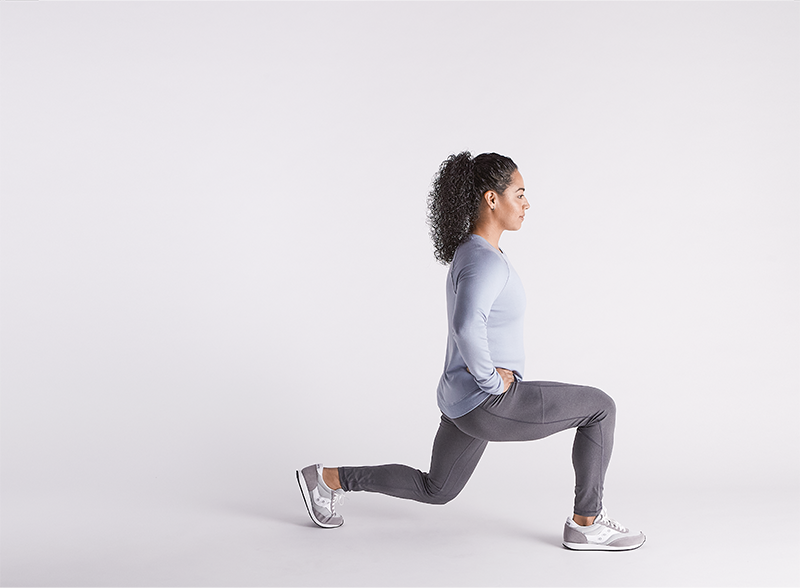
Learn how to do lunges to avoid injuries. Explore its benefits and discover lunge variations to make it easier or harder.
Read more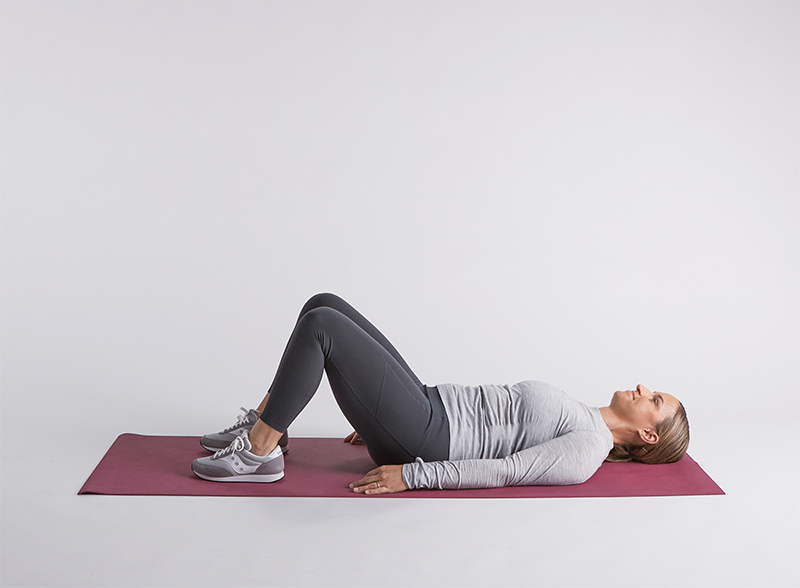
Learn how to do the pelvic tilt exercise to strengthen your core and ease lower back pain, with modifications for any level and video demos.
Read more
If your back pain radiates to your pelvic area, learn what’s causing this and how to treat it, especially with exercises from physical therapists.
Read moreReferences
- 1Cohen, F., Brooks, C. V., Sun, D., Buse, D. C., Reed, M. L., Fanning, K. M., & Lipton, R. B. (2024). Prevalence and burden of migraine in the United States: A systematic review. Headache, 64(5). doi:10.1111/head.14709
- 2National Institute of Neurological Disorders and Stroke. (2023, January 20). Migraine. Www.Ninds.Nih.Gov. https://www.ninds.nih.gov/health-information/disorders/migraine
- 3Amin, F. M., Aristeidou, S., Baraldi, C., Czapinska-Ciepiela, E. K., Ariadni, D. D., Di Lenola, D., Fenech, C., Kampouris, K., Karagiorgis, G., Braschinsky, M., & Linde, M. (2018). The association between migraine and physical exercise. The Journal of Headache and Pain, 19(1). doi:10.1186/s10194-018-0902-y
- 4Dusgun, E. S., Karahan, N., & Celenay, S. T. (2026). A randomized trial of cervical stabilization exercise training via telerehabilitation for migraine. Pain Management Nursing: Official Journal of the American Society of Pain Management Nurses, 27(2), e162–e171. PubMed. doi:10.1016/j.pmn.2025.08.001
- 5Wang, Y., Zhu, X., & Liang, Y. (2025). Which exercise patterns are most effective for reducing severe headache/migraine in adults? Evidence from a nationally representative U.S. sample. American Journal of Lifestyle Medicine. doi:10.1177/15598276251341206