Lumbar facet arthropathy: understanding facet joint pain and the movement that helps
Nov 26, 2026

Over 1 Million members trust Hinge Health, a digital clinic that provides access to virtual physical therapy, to address their joint and muscle pain.
Reduction in member pain
of licensed physical therapists and health coaches
Average star rating of the Hinge Health mobile app
Bailey JF, et al. Digital Care for Chronic Musculoskeletal Pain: 10,000 Participant Longitudinal Cohort Study. J Med Internet Res 2020;22(5):e18250.
Lumbar facet arthropathy is a common cause of lower back pain. Learn the symptoms, treatments, and physical therapist-recommended exercises that can help.
Available at $0 cost to many members
You recently got an MRI of your spine because of lower back pain, and you’ve learned you have something called lumbar facet arthropathy. Hearing that you have any changes in your spine can sound concerning, especially if you’re already dealing with pain or joint stiffness. But discovering that you have it isn’t necessarily a cause for concern.
“Lumbar facet arthropathy is like gray hair or wrinkles: it’s a normal part of aging,” says Marcus Ainsworth, PT, DPT, a physical therapist at Hinge Health. In fact, research suggests it’s found on imaging in many adults over age 40, including people who don’t have back pain. And if you do have symptoms, there’s plenty you can do to feel better, including regular movement and targeted exercises.
Here, learn more about lumbar facet arthropathy, what may contribute to lower back pain, and how to manage symptoms, especially with exercises from Hinge Health physical therapists.
Reviewed by our clinical and medical experts


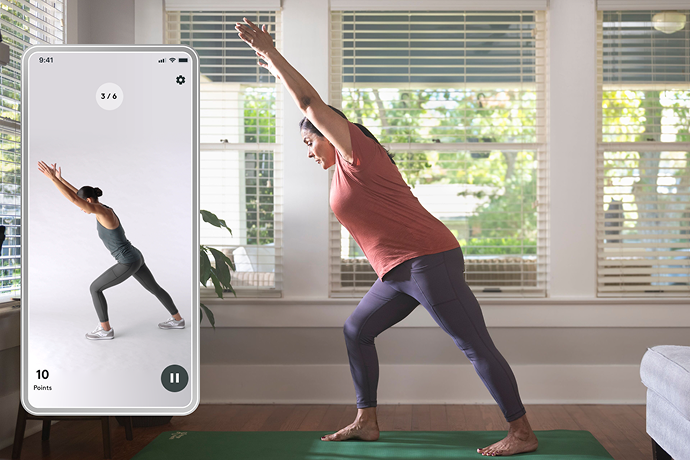
Fully covered back pain relief
Find relief from lower back pain, a thrown out back, sciatica, & more.
What is lumbar facet arthropathy?
Lumbar facet arthropathy is a form of arthritis. Specifically, it can lead to changes in the small facet joints in your spine that help guide movement in your lower back.
If you read your radiology report, you may come across unfamiliar terms, including an ICD-10 code for lumbar facet arthropathy. That’s simply a diagnostic code used for medical records and billing.
Your imaging report may also describe the severity of your lumbar facet arthropathy. Dr. Ainsworth explains that these changes can be classified into four grades:
Grade 1: No visible changes to the facet joints
Grade 2: Mild facet joint changes
Grade 3: Moderate facet joint changes
Grade 4: Severe facet joint changes
These grades don’t necessarily reflect how much pain you’ll experience. “Some people will have moderate to severe lumbar facet arthropathy, but have little or no pain,” says Dr. Ainsworth. In fact, many people with facet joint changes have no symptoms.
Causes of lumbar facet arthropathy
Lumbar facet arthropathy isn’t linked to one specific cause. Instead, several factors may play a role, including age-related joint changes and a history of back injury. These changes are a common part of aging and don’t necessarily mean your spine is damaged or that you need to limit everyday activities.
Age. Facet joint changes can begin in early adulthood and become more common with age, and oftentimes, you may not even notice any discomfort.
Activity patterns. Both repetitive high-strain movements (like arching backward, twisting, and heavy lifting) and prolonged inactivity (which weakens spine-supporting muscles and reduces joint nourishment) may contribute to lumbar facet arthropathy.
Previous back injuries. Past back injuries may contribute to changes in the facet joints over time, although that doesn’t mean you’ll develop pain.
Degenerative disc changes. These occur when the discs between your spinal vertebrae naturally change with age. “As these discs get smaller, the bones above them put more pressure on the bones below, which pushes more on your facet joints,” says Dr. Ainsworth.
Symptoms of lumbar facet arthropathy
Many people with lumbar facet arthropathy live their entire lives without symptoms. When facet joint changes are associated with lower back pain, you may notice:
A dull ache in your lower back, sometimes more noticeable on one side
Discomfort with certain movements, such as leaning backward or twisting, or after standing for long periods
Morning stiffness
Localized pain on one side of your lower back
Pain that spreads into your buttock or upper thigh
“The pain causes lower back muscles to tighten up, which causes a cascade effect,” explains Dr. Ainsworth.
These symptoms can have several possible causes, so imaging findings alone can't confirm that your facet joints are responsible for your pain.
How movement can help lumbar facet arthropathy
Movement can help you build a stronger, more mobile back so everyday activities feel more comfortable.
“When you do physical activity like walking, the joints in your spine that span from your neck all the way down to your lower back open and close,” says Dr. Ainsworth. “This helps to relieve pain and pressure, and encourages blood flow to sore lumbar facet joints. That’s why we say motion is lotion.”
Research suggests that exercise can help people manage chronic lower back pain by improving strength, mobility, and function. While exercise can’t reverse age-related facet joint changes, it can help you move more comfortably and confidently.
If pain or stiffness makes it hard to move, a physical therapist (PT) can help you find an appropriate starting point and gradually build strength and mobility. They can also help you modify activities during flare-ups so you can continue doing the things you enjoy.
Exercises for lumbar facet arthropathy
This gentle stretch encourages movement through your lower back and hips and may help ease stiffness, explains Dr. Ainsworth.
Want expert care?
Check if you're covered for our free programDid you know?
Physical therapy (PT) is for more than just recovering from surgery or injury. It’s one of the top treatments for joint and muscle pain. It helps build strength, improve mobility, and reduce pain. And it doesn't always need to be in person.
Hinge Health members can conveniently access customized plans or chat with their care team at home or on the go — and experience an average 68% reduction in pain* within the first 12 weeks of their program. Learn more*.
Together, these exercises can help improve your lower back mobility and strength while giving you different ways to move comfortably. Child’s pose, knee rocking, knee hugs, prone press-ups, and back rotation stretches encourage movement through your back and hips, while dead bugs build core strength. You don’t need to force any movement or push through significant pain to benefit.
The information contained in these videos is intended to be used for educational purposes only and does not constitute medical advice or treatment for any specific condition. Hinge Health is not your healthcare provider and is not responsible for any injury sustained or exacerbated by your use of or participation in these exercises. Please consult with your healthcare provider with any questions you may have about your medical condition or treatment.
Treatments for lumbar facet arthropathy
If your lumbar facet arthropathy is associated with back pain, treatment generally focuses on helping you manage symptoms and stay active. Physical therapy, targeted exercise, and other self-care strategies are often good places to start. Here’s what Hinge Health physical therapists recommend:
Try physical therapy and targeted exercises. Targeted exercises, such as the ones above, can help you strengthen your lower back and core muscles to better support your lumbar facet joints. You can do exercise therapy at home or work with a physical therapist who can guide you through movements tailored to your needs. You can see a physical therapist in person or use a program like Hinge Health, where you may access a PT via telehealth/video visit.
Stay active. Targeted exercises can help with symptom management, but everyday movement matters, too. Activities like walking, stretching, or even household chores can help you stay mobile and may ease lower back discomfort.
Apply heat or ice. It’s a personal preference, but many people with lumbar facet arthropathy prefer heat to loosen tight muscles and reduce stiffness, says Dr. Ainsworth. You can try both to see which one works best for you.
Take over-the-counter (OTC) medication as needed. Pain relievers such as ibuprofen (Advil, Motrin), naproxen (Aleve), and acetaminophen (Tylenol) can help ease back pain so you can do your targeted exercises and stay active when you have back pain from lumbar facet arthropathy. If you have a medical condition or take other medications, check in with your provider to make sure these OTC options are safe to take.
Consider lifestyle modifications. Factors like sleep, stress, nutrition, and certain activities can all play a role in how you feel. In fact, many people are surprised to learn that pain isn’t just about what’s happening physically — your daily habits and overall well-being can have a real impact, too. Staying curious about how your routines affect your muscles and joints can help you identify where small changes might help reduce pain. For example, you might notice your pain is less noticeable on low-stress days.
Consider complementary treatments. Talk to your provider if you’re interested in trying alternative treatments for back pain relief, such as massage, acupuncture, or chiropractic care.
TENS therapy. TENS, or transcutaneous electrical nerve stimulation, uses gentle pulses to quiet your pain response and help reduce pain associated with conditions like lumbar facet arthropathy. One option is the wearable device Enso, available through Hinge Health. It’s small, wireless, and portable.
If simple at-home treatments aren’t enough, your healthcare provider may discuss other options, such as facet joint injections, diagnostic nerve blocks or radiofrequency ablation, depending on your symptoms and evaluation.
Tips to manage lumbar facet arthropathy
You don’t have to avoid movement because of facet joint changes. In fact, finding ways to stay active, taking movement breaks, and gradually building strength can help you manage discomfort and keep doing the activities you enjoy.
Take frequent movement snacks. “If you are sitting in one position for a long period of time, try to get up every 20-30 minutes, or do one of the above stretches,” recommends Dr. Ainsworth.
Try a morning stretch routine. “Many people notice their back pain is worse when they first wake up, especially if they’re feeling stiff,” says Dr. Ainsworth. Gentle movements, such as knee hugs or knee rocking, may help you feel more comfortable as you start your day.
Support your overall health. Habits such as regular movement, adequate sleep, and balanced nutrition can support your overall well-being and may help with back pain management.
Keep moving. “It’s best to remain active even with lumbar facet arthropathy pain, to keep your lower back and core muscles both flexible and strong,” says Dr. Ainsworth. You may need to scale back on exercise during a flare, and return gradually to full movement as it eases.
When to see a doctor
Lumbar facet arthropathy doesn’t always cause symptoms, and many episodes of lower back pain improve with time and conservative care. But if your pain is severe, getting worse, or making daily activities difficult, see a healthcare provider.
Seek urgent medical attention if you experience:
New or worsening leg weakness
New loss of bowel or bladder control
Severe back pain accompanied by fever or chills
Severe pain that prevents you from doing normal daily activities
Note: Loss of bowel or bladder control, especially with numbness around the groin or saddle area, requires emergency medical evaluation.
PT tip: Sleep strategically
If your lower back pain makes it difficult to sleep, a few simple adjustments may help you find a more comfortable position. “Put a pillow under your knees if you sleep on your back, or one between your knees if you sleep on your side,” says Dr. Ainsworth.
There’s no single best sleeping position for everyone. Choose the one that feels most comfortable for you.
How Hinge Health can help you
If you have joint or muscle pain that makes it hard to move, you can get the relief you’ve been looking for with Hinge Health’s online exercise therapy program.
The best part: You don’t have to leave your home because our program is digital. That means you can easily get the care you need through our app when and where it works for you.
Through our program, you’ll have access to therapeutic exercises and stretches for your condition. Additionally, you’ll have a personal care team to guide, support, and tailor our program to you.
See if you qualify for Hinge Health and confirm free coverage through your employer or benefit plan here.
This article and its contents are provided for educational and informational purposes only and do not constitute medical advice or professional services specific to you or your medical condition.
Looking for pain relief? Check if your employer or health plan covers our program.
Join more than 1.2 million members and over 2,800 companies that trust Hinge Health to get relief.

References
- 1Kim, J. H., Sharan, A., Cho, W., Emam, M., Hagen, M., & Kim, S. Y. (2019). The prevalence of asymptomatic cervical and lumbar facet arthropathy: A computed tomography study. Asian Spine Journal, 13(3), 417–422. doi:10.31616/asj.2018.0235
- 2Mann, S. J., Viswanath, O., & Singh, P. (2023, July 4). Lumbar facet arthropathy. Ncbibooks; StatPearls Publishing. https://www.ncbi.nlm.nih.gov/books/NBK538228/
- 3Eubanks, J. D., Lee, M. J., Cassinelli, E., & Ahn, N. U. (2007). Prevalence of lumbar facet arthrosis and its relationship to age, sex, and race. Spine, 32(19), 2058–2062. doi:10.1097/brs.0b013e318145a3a9
- 4Wout Van Oosterwyck, Pieter Vander Cruyssen, Castille, F., Van, E., & Decaigny, V. (2024). Lumbar facet joint disease: What, why, and when? Life, 14(11), 1480–1480. doi:10.3390/life14111480
- 5Chambers, H. (2013). Physiotherapy and lumbar facet joint injections as a combination treatment for chronic low back pain. A narrative review of lumbar facet joint injections, lumbar spinal mobilizations, soft tissue massage and lower back mobility exercises. Musculoskeletal Care, 11(2), 106–120. doi:10.1002/msc.1045
- 6Facet arthropathy: What it is, symptoms, treatment & types. (2025, November 18). Cleveland Clinic. https://my.clevelandclinic.org/health/diseases/facet-arthropathy