Reviewed by our clinical and medical experts


Over 1 Million members trust Hinge Health, a digital clinic that provides access to virtual physical therapy, to address their joint and muscle pain.
Reduction in member pain
of licensed physical therapists and health coaches
Average star rating of the Hinge Health mobile app
Bailey JF, et al. Digital Care for Chronic Musculoskeletal Pain: 10,000 Participant Longitudinal Cohort Study. J Med Internet Res 2020;22(5):e18250.
Hip pain after a fall is common but treatable. Learn what causes it, when to see a doctor, and the best exercises to help you recover.
Available at $0 cost to many members
A fall can happen in an instant, whether you slip on a wet floor, miss a step, or lose your balance. If you land on your hip, you might notice soreness, bruising, or stiffness shortly afterward. You may also wonder whether the pain is something that will improve on its own or needs medical attention.
Hip pain after a fall can have several causes, ranging from a bruise or muscle strain to a more serious injury, such as a fracture. How you feel and what you should do next depend on the injury. But severe pain, difficulty bearing weight, or other concerning symptoms should be evaluated by a healthcare professional promptly.
For less serious injuries, gentle movement and simple at-home strategies can often help you feel more comfortable as you recover. “Hip pain after a fall often resolves on its own with a combination of gentle movement, at-home remedies, and time,” says Renee Bullis, PT, DPT, a Hinge Health physical therapist.
Ahead, learn what can cause hip pain after a fall, when to seek care, and how to support your recovery with movement—especially with exercises recommended by Hinge Health physical therapists.

Fully covered hip pain relief
Find relief from hip pain, buttock pain, hip tendonitis, & more.
Causes of hip pain after a fall
Falling onto your hip or twisting your leg as you try to catch yourself can leave the area sore. The cause depends on how you fell, where you’re experiencing pain, and whether other symptoms are present. Some potential causes include:
Soft tissue injury (bruise or contusion). Landing directly on your hip can lead to bruising, tenderness, and swelling in the surrounding tissues. “The word ‘contusion’ can sound scary, but it’s essentially damage to the blood vessels that causes bruising,” says Dr. Bullis. You may notice discoloration or tenderness when touching the area.
Muscle strain. A sudden movement during a fall can strain muscles around your hip, such as your hip flexors (front of hip muscles) and glutes (butt muscles), leading to soreness, stiffness, or discomfort when you move. “Hip flexor strains from falls can happen if you quickly jerk your leg to catch yourself, while glute strains can happen if you fall directly on those muscles,” says Dr. Bullis.
Hip bursitis. Bursae are small, fluid-filled sacs that help reduce friction between tissues. A direct impact can irritate a bursa near your hip, sometimes causing tenderness or discomfort when you lie on the affected side. “If you land on the bursa, it can get irritated,” says Dr. Bullis.
Sacroiliac (SI) joint irritation. Your SI joints connect your pelvis and lower spine. A fall may contribute to pain around your lower back or butt, particularly during activities like standing up, getting out of a car, or rolling over in bed. “It can mimic sciatica, but the pain or tingling shouldn’t go down past your knee,” says Dr. Bullis.
Hip fracture. A fall can sometimes cause a break in the upper part of the thighbone or pelvis. Symptoms may include significant hip or groin pain, difficulty walking, or an inability to bear weight. However, some people with fractures can still walk. A suspected fracture requires prompt medical evaluation, usually including imaging.
Labral tear. The labrum is a ring of cartilage around your hip socket. A forceful fall or twisting injury can sometimes injure it. “People typically experience deep groin pain, clicking deep in the hip, and general instability,” says Dr. Bullis.
Symptoms of hip pain after a fall
Hip pain after a fall can feel different depending on how you fell and made contact with the ground. You might notice discomfort immediately, but sometimes symptoms manifest hours later or even the next day. Common symptoms include:
Pain or tenderness around your hip, groin, buttocks, or outer thigh
Bruising or swelling where you landed
Stiffness, especially after sitting or lying down
Discomfort when walking, climbing stairs, or standing up from a chair
Pain when lying on the affected side
Difficulty putting weight on the affected leg
Some of these symptoms can occur with relatively minor injuries, but others may signal something more serious. Severe pain, an inability to bear weight, or significant difficulty walking after a fall warrants prompt medical evaluation.
After a serious injury has been ruled out, a physical therapist can help you understand your symptoms and find comfortable ways to return to your usual activities. “By better understanding the cause, we can recommend exercises and lifestyle modifications most likely to promote healing,” says Dr. Bullis.
How movement can help hip pain after a fall
After a fall, it’s natural to want to rest your sore hip. Sure, there’s some merit to taking it easy immediately following a fall, especially if the area is painful or swollen. But once a fracture or other serious injury has been ruled out and you’re cleared to move by a health professional, gentle activity becomes a key part of your recovery.
Movement can help ease stiffness, maintain mobility, and gradually rebuild confidence in your hip. You don’t need to jump back into your usual exercise routine right away. Short walks, comfortable stretches, and gentle hip strengthening exercises may be good starting points.
“I like to tell people that moving early after an injury triggers several different biological healing processes by increasing the circulation of oxygen and other healing nutrients to the tissue,” says Dr. Bullis.
The goal is to find a balance between rest and activity. If something feels uncomfortable, you can shorten the activity, reduce the intensity, or try a different movement. A physical therapist can help you gradually build back toward activities that matter to you.
Exercises for hip pain after a fall
This stretch gently targets the front of your hip and may help ease stiffness, particularly if you’ve been sitting or resting more than usual. “No matter the hip injury, people tend to get tight in the hip flexors, and this stretch can quickly reduce tension and improve discomfort in the process,” says Dr. Bullis.
Want expert care?
Check if you're covered for our free programThese gentle movements can ease hip pain after a fall by reducing tension, improving mobility, and keeping the muscles around the hip engaged and active. Hip flexor and standing groin stretches reduce tightness in the front and inner hip, while knee rocking gently encourages hip and lower back mobility and circulation. Glute squeezes activate and strengthen the muscles that support your hips, and a supine glute stretch can help relieve tightness and discomfort along the outside of the hip.
You also don’t need to do all these exercises at once. Try a few that feel manageable and see how your hip responds. As your comfort and confidence improve, you can gradually increase the amount of movement you do. (But avoid starting these exercises before medical evaluation if a fracture or significant injury is possible.)
The information contained in these videos is intended to be used for educational purposes only and does not constitute medical advice or treatment for any specific condition. Hinge Health is not your healthcare provider and is not responsible for any injury sustained or exacerbated by your use of or participation in these exercises. Please consult with your healthcare provider with any questions you may have about your medical condition or treatment.
Did you know?
Physical therapy (PT) is for more than just recovering from surgery or injury. It’s one of the top treatments for joint and muscle pain. It helps build strength, improve mobility, and reduce pain. And it doesn't always need to be in person.
Hinge Health members can conveniently access customized plans or chat with their care team at home or on the go — and experience an average 68% reduction in pain* within the first 12 weeks of their program. Learn more*.
Treatments for hip pain after a fall
Treatment depends on the cause and severity of your injury. Some minor bruises and strains respond well to simple home care, while fractures and other significant injuries need medical treatment. If you’ve been evaluated and you’ve been greenlit to manage your symptoms at home, these strategies may help:
Try physical therapy and targeted exercises. A physical therapist (PT) can help identify the cause of your hip pain after a fall and recommend an exercise program designed to stretch and strengthen the affected area. “PTs are also a great resource for learning how to prevent future injury,” says Dr. Bullis. You can do exercise therapy at home or work with a physical therapist who can guide you through movements tailored to your needs. You can see a physical therapist in person or use a program like Hinge Health, where you may access a PT via telehealth/video visit.
Stay active. Any type of gentle movement can improve circulation to the injured area, prevent stiffness, and speed your recovery. Exercise doesn’t have to be complicated, either. A short walk, some gentle stretching, or even chores around the house can help support your recovery.
Apply heat or ice. Cold therapy can be especially helpful right after an injury, especially if you have any bruising or swelling. Heat, on the other hand, can help ease stiffness. “I generally recommend whatever feels best for you, but you can also alternate between the two,” says Dr. Bullis.
Take over-the-counter (OTC) medication as needed. Pain relievers such as ibuprofen (Advil, Motrin), naproxen (Aleve), and acetaminophen (Tylenol) can help ease pain so you can do your targeted exercises and stay active when you have hip pain. Other options are topical NSAIDs or pain relief creams. If you have a medical condition or take other medications, check in with your provider to make sure these OTC options are safe to take.
Consider complementary treatments. Talk to your provider if you’re interested in trying alternative treatments for hip pain relief, such as massage, acupuncture, or chiropractic care.
Ask about TENS therapy. TENS, or transcutaneous electrical nerve stimulation, uses gentle pulses to quiet your pain response and help reduce hip pain. One option is the wearable device Enso, available through Hinge Health. It’s small, wireless, and portable.
What to expect during hip pain recovery
How long hip pain lasts varies for every person and largely depends on the severity of the injury. A mild bruise or muscle strain may start feeling better over days to weeks, while more significant injuries can take longer and may require a structured rehabilitation plan.
Recovery also isn’t linear. You may feel better one day and notice more soreness after a particularly active day, and that doesn’t necessarily mean you’ve undone your progress.
“If your goal is to improve pain and daily functioning, exercise is one of the best ways to speed up healing,” says Dr. Bullis. Once you’re cleared for activity, gradually returning to comfortable movement can help you rebuild strength and confidence. If an activity causes a significant or lasting increase in pain, try modifying it or taking a break.
If your pain isn’t improving as expected, or you’re having more difficulty walking or bearing weight on your hip, check in with your healthcare provider rather than simply pushing through.
Tips to manage hip pain after a fall
Small adjustments to your daily routine, including modifying your activities and sleep position, can help make your recovery more comfortable. As you progress, you can focus more closely on strength- and balance-based movements to support your mobility going forward.
Adjust your sleep position. If lying on your sore hip is uncomfortable, try sleeping on the opposite side with a pillow between your knees or lying on your back. “It should go from your knees to your ankles to limit rotation happening at the hip,” says Dr. Bullis.
Pace your activities. You don’t have to return to everything at once. Break longer activities into shorter sessions, take breaks as needed, and gradually increase how much you do as your hip feels better.
Choose supportive footwear. Shoes that feel stable and comfortable can make walking easier as you recover. You don’t need a particular type of shoe, but avoid footwear that makes you feel unsteady.
Ease into movement. If your hip feels stiff after resting, try a few gentle stretches or mobility exercises before getting up and walking around. Start slowly and give yourself time to get comfortable.
Work on balance when you’re ready. Balance exercises can help reduce the risk of future falls. Once you’ve recovered enough to practice safely, start with simple activities near a sturdy surface you can hold for support. “I often recommend incorporating small periods of balance challenges throughout the day, such as standing on one foot while brushing your teeth or standing with one foot in front of the other,” says Dr. Bullis.
When to see a doctor
Not all hip pain after a fall is a minor injury. A hip fracture can sometimes be difficult to recognize, and being able to walk doesn't completely rule one out. Seek urgent medical evaluation after a fall if you experience:
Severe hip or groin pain, especially if you have difficulty standing or walking
An inability to bear weight on the affected leg
An obvious change in the position or appearance of your leg or hip
Significant swelling or worsening pain following the injury
New numbness, weakness, or loss of sensation in your leg
Call emergency services if you cannot get up after the fall, have a suspected serious hip injury, or have symptoms suggesting a medical emergency. General rule of thumb: Avoid trying to walk on a potentially fractured hip.
If you’re an older adult, have osteoporosis, or are at increased risk of fracture, seek prompt medical advice for new hip pain after a fall, even if you can still walk.
Also seek medical evaluation if you hit your head during the fall, particularly if you take blood thinners or develop symptoms such as confusion, vomiting, or a worsening headache.
For less severe pain, make an appointment if symptoms aren’t improving, are getting worse, or continue to interfere with daily activities.
PT tip: Find your movement sweet spot
“I like to explain finding your movement sweet spot with a traffic light analogy,” says Dr. Bullis. If you feel a slight ache or gentle stretch during a certain movement, you have a green light to keep going. If you feel more discomfort that stops when you change position, keep going, but modify the range of motion as needed. Stop the movement if you feel sharp, stabbing pain that gets worse with movement, regardless of modification. The goal here is to find the level of activity that challenges you without straining tender areas.
How Hinge Health can help you
If you have joint or muscle pain that makes it hard to move, you can get the relief you’ve been looking for with Hinge Health’s online exercise therapy program.
The best part: You don’t have to leave your home because our program is digital. That means you can easily get the care you need through our app when and where it works for you.
Through our program, you’ll have access to therapeutic exercises and stretches for your condition. Additionally, you’ll have a personal care team to guide, support, and tailor our program to you.
See if you qualify for Hinge Health and confirm free coverage through your employer or benefit plan here.
This article and its contents are provided for educational and informational purposes only and do not constitute medical advice or professional services specific to you or your medical condition.
Looking for pain relief? Check if your employer or health plan covers our program.
Join more than 1.2 million members and over 2,800 companies that trust Hinge Health to get relief.
Related articles

Discover spondylolisthesis exercises and stretches that can relieve low back pain by strengthening and releasing tension from key muscle groups.
Read more
Experiencing neck pain after running? Learn common causes, symptoms, and expert-backed exercises to relieve and prevent neck discomfort.
Read more
Get warm-up exercises, cool-down stretches, and expert tips from physical therapists to prepare for spring cleaning and feel better afterward.
Read more
Learn more about what causes shoulder blade pain and how to treat it with exercises from physical therapists.
Read more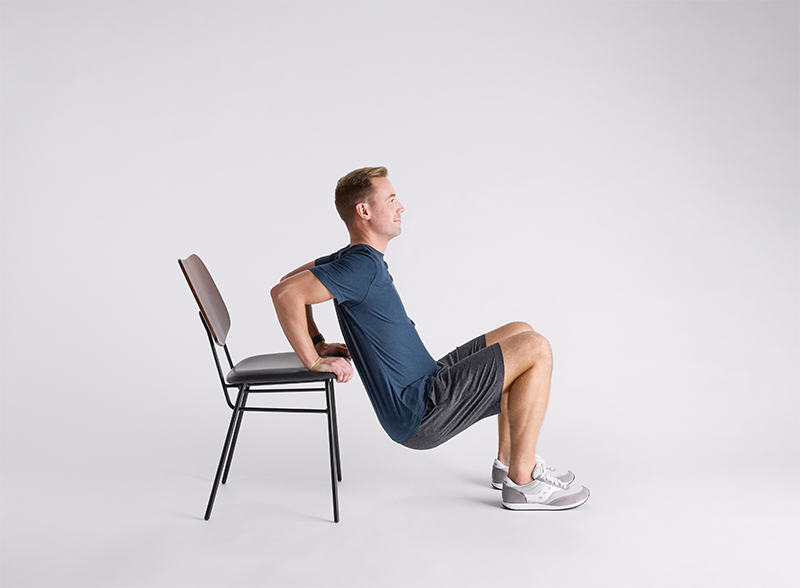
Learn how to do tricep dips to improve upper arm strength, plus modifications to make this exercise easier or harder.
Read more
Learn what might be making your neck tense and stiff — and get some simple stretches and exercises to prevent and treat it.
Read moreReferences
- 1Chamberlain, R. (2021). Hip Pain in Adults: Evaluation and Differential Diagnosis. American Family Physician, 103(2), 81-89.
- 2Berthelot, J.-M., Brulefert, K., Arnolfo, P., Le Goff, B., & Darrieutort-Laffite, C. (2023). Update on contribution of hip labral tears to hip pain: A narrative review. Joint Bone Spine, 90(1), 105465. doi:10.1016/j.jbspin.2022.105465
- 3Enseki, K. R., Bloom, N. J., Harris-Hayes, M., Cibulka, M. T., Disantis, A., Stephanie Di Stasi, Malloy, P., Clohisy, J. C., Martin, R. L., Takla, A., Lueders, D., Dauber, J. A., Kaplan, S. L., Paulseth, S., & Beattie, P. F. (2023). Hip Pain and Movement Dysfunction Associated With Nonarthritic Hip Joint Pain: A Revision. JOSPT, 53(7), CPG1–CPG70. doi:10.2519/jospt.2023.0302
- 4Hoshino, H. (2023). Hip injuries in young athletes: intra-articular hip pathologies and treatments. Journal of Joint Surgery and Research, 1(1), 41–45. doi:10.1016/j.jjoisr.2023.01.004
- 5Tyler, T. F., Fukunaga, T., & Gellert, J. (2014). REHABILITATION OF SOFT TISSUE INJURIES OF THE HIP AND PELVIS. International Journal of Sports Physical Therapy, 9(6), 785. https://pmc.ncbi.nlm.nih.gov/articles/PMC4223288/