Building muscle after menopause: how to prevent muscle loss and get stronger
Sep 9, 2026
Over 1 Million members trust Hinge Health, a digital clinic that provides access to virtual physical therapy, to address their joint and muscle pain.
Reduction in member pain
of licensed physical therapists and health coaches
Average star rating of the Hinge Health mobile app
Bailey JF, et al. Digital Care for Chronic Musculoskeletal Pain: 10,000 Participant Longitudinal Cohort Study. J Med Internet Res 2020;22(5):e18250.
Yes, you can build muscle after menopause. Learn the most effective strength training strategies — and why it's never too late to start.
Available at $0 cost to many members
Your body goes through many changes during menopause. Maybe you’ve noticed it takes more effort to lift your suitcase into an overhead bin or carry a full laundry basket up the stairs than it used to. At the same time, you may also notice more belly fat accumulating, even though your diet and exercise routine haven’t changed.
These shifts are common during the menopausal transition, as declining estrogen levels affect how your body builds and maintains your muscle mass. But that doesn’t mean you can’t build or hold onto muscle mass once you enter this life stage. Building muscle after menopause isn’t just possible — it's one of the best things you can do for your long-term health.
"You don't have to overhaul everything or train like an athlete to see progress. Start where you are, lean on support when you need it, and let your strength build gradually. I've watched so many women rediscover what their bodies can do, and that confidence tends to carry into the rest of their lives," says Jennifer Parker, PT, DPT, a physical therapist at Hinge Health.
Menopause changes your starting point, but it doesn't change your body's ability to get stronger. Your body stays remarkably adaptable, and it responds to strength training at any age. Whether you're picking up weights for the first time or returning after a break, resistance training can help you rebuild strength, support your metabolism, and make everyday activities feel easier.
Here’s what to know about why building strength and maintaining your muscle mass can become more challenging after menopause, plus the exercises and strategies Hinge Health physical therapists recommend to help you get stronger.
Reviewed by our clinical and medical experts

Dr. Parker is a Hinge Health physical therapist who specializes in pelvic health throughout life transitions including pregnancy/postpartum, menopause, and beyond.
Jennifer Parker, PT, DPT
Physical Therapist

Fully Covered Pelvic Care
Find relief from pelvic pain, leakage, muscle weakness, & more.
Why building muscle changes during perimenopause
Estrogen helps support both muscle and bone health, so as estrogen levels decline during perimenopause, it becomes easier to lose muscle and harder to maintain it. These normal changes can also affect your metabolism, strength, and joint health.
Some muscle loss (sarcopenia) is a normal part of aging. Research suggests that adults lose roughly 3% to 8% of their muscle mass each decade starting around age 30, and the pace can pick up around perimenopause.
Here's what matters most: your muscles still grow when you challenge them. Strength training stimulates muscle growth at any age, so menopause isn't the end of your strength story. With consistent training, you can continue building muscle and getting stronger.
Benefits of building muscle after menopause
Building muscle after menopause does more than help you feel stronger in the gym. It supports your health, independence, and ability to do the things you enjoy every day. Some of the top benefits include:
Daily tasks can become easier. Stronger muscles make everyday tasks, like carrying groceries, climbing stairs, or lifting objects or small children off the floor feel easier.
Support bone health. Strength training places healthy stress on your bones, encouraging them to stay strong. That's especially important after menopause, when declining estrogen accelerates bone loss, which can increase the risk of osteoporosis.
Support a healthy metabolism. Muscle is metabolically active tissue, so maintaining it helps support your metabolism and can make it easier to manage changes in body composition that often occur after menopause.
Reduce strain on your joints. Strong muscles help support and stabilize your joints, making movement feel easier and helping reduce everyday aches and pains.
Boost your mood, energy, and sleep. Regular strength training has been shown to improve mood, increase energy, promote better sleep, and may even help ease some menopause symptoms.
How to build strength after menopause
A good menopause workout doesn't need to be complicated. These strategies, recommended by Hinge Health physical therapists, can help you improve your strength at any life stage.
Prioritize resistance training. Aim for at least two strengthening sessions a week that work your major muscle groups. "I tell patients that the last two or three reps of a set should feel genuinely hard while your form still holds. If you could easily do five more, that's a sign to add more resistance." says Jennifer Parker, PT, DPT, a physical therapist at Hinge Health.
Build up gradually. As certain exercises begin to feel easier, add a little more weight, or increase your reps, or add another set. These small, steady increases are what keep your muscles adapting over time.
Focus on compound movements. Exercises that work several muscles at once, like squats, lunges, rows, and presses, enhance functional fitness so your whole body can handle the demands of various everyday activities as you age.
Eat plenty of protein. Protein gives your muscles the building blocks they need to recover and grow. Research suggests women in perimenopause or postmenopause may benefit from consuming about 1.2 to 2 grams of protein per kilogram of body weight each day, spread across meals.
Bake recovery into your workout routine. When you strength train, your muscles develop microtears, which is a normal part of muscle adaptation. Your muscles need active recovery workouts, such as swimming, jogging, walking, and more, between strength sessions to repair these tissues and grow stronger. Consider doing light cardio in between your strength training days and make sure to get plenty of sleep throughout the week to support muscle repair and growth.
Physical therapy for building muscle after menopause
Physical therapy is a key treatment for muscle loss and related symptoms during menopause, focusing on movement, targeted exercises, and stretches to help relieve discomfort and support your changing body.
The goal is to strengthen muscles that support your bones, make everyday movement easier, and help you stay strong and confident. A physical therapist (PT) can assess your movement patterns to customize an exercise program that's right for you.
They can also suggest ways to modify your everyday activities to minimize symptoms and empower you with tools and tips to help reduce pain. Recommendations may include progressive resistance training, gradual loading, and incorporating recovery into your routine.
You can see a physical therapist in person or use a program like Hinge Health to access a PT via telehealth/video visit. Some exercises they may recommend can be found below.
Exercises for building muscle after menopause
Build strength in the quads, glutes, and hips to make activities such as sitting down, standing up, and climbing stairs easier.
Want expert care?
Check if you're covered for our free programTogether, these movements build lower-body power, upper-body strength, and a stable core, the foundations for everyday activities like lifting, climbing stairs, and staying steady on your feet. Once you've built a base, a simple maintenance routine a couple of times a week helps protect your progress for the long run.
The information contained in these videos is intended to be used for educational purposes only and does not constitute medical advice or treatment for any specific condition. Hinge Health is not your healthcare provider and is not responsible for any injury sustained or exacerbated by your use of or participation in these exercises. Please consult with your healthcare provider with any questions you may have about your medical condition or treatment.
Did you know?
Pelvic floor physical therapy is more than just kegel exercises. Various exercises tailored to your symptoms and needs are key to getting relief. Pelvic floor PT can relieve many different pelvic issues, such as pelvic pain, painful sex, and urinary incontinence.
Members of the Hinge Health pelvic health program experience an average 67% reduction in pelvic pain and 54% reduction in urinary incontinence within the first 12 weeks. Learn more*.
Tips for building strength during and after menopause
Maintaining muscle mass and improving strength doesn’t happen overnight. These simple habits can help you stay consistent and continue getting stronger over time.
Start where you are. Whether you're using your body weight, resistance bands, or dumbbells, begin at a level that feels manageable and build from there. Progress matters more than perfection.
Stay consistent. Two or three strength-training sessions each week will do more for your muscles than an occasional intense workout. Small, regular efforts add up over time.
Track small wins. Notice when everyday tasks feel easier, you lift a little more weight, or complete an extra rep. These are all signs that you're getting stronger.
Prioritize recovery. Prioritize sleep, protein, and stress management, since your muscles do their rebuilding between sessions.
Modify, don't quit. If a movement feels off, adjust it rather than stopping altogether. "I always remind people that modifying isn't quitting, it's problem-solving,” says Dr. Parker. “We might change the range, the load, or the speed until the movement feels supportive instead of cranky. The point is to find a version that feels good today rather than pushing through discomfort. Almost every movement can be adjusted to meet you where you are."
Address menopause symptoms with your doctor. If hot flashes, poor sleep, or other menopause symptoms are making it harder to exercise consistently, talk with your healthcare provider about treatment options, including whether hormone replacement therapy (HRT) might be right for you. Feeling better overall can make it easier to stick with a strength-training routine.
Is it too late to build muscle and strength after menopause?
No, it's never too late. Research shows women in their 50s, 60s, and beyond build meaningful muscle and strength with regular resistance training. While menopause changes how your body responds to muscle building, it doesn't take away your ability to get stronger. Your muscles remain adaptable when you challenge them consistently and get the support you need to manage hormonal shifts.
PT tip: You're probably stronger than you think
"So many women I work with underestimate how much they can lift until they actually try, and then they're thrilled. My rule of thumb is simple: if you can finish all your reps with good form and feel like you had two or three more in you, it's probably time to go a little heavier. Adding weight gradually like this is exactly what keeps your muscles adapting," says Dr. Parker.
How Hinge Health can help you
If you have pelvic pain, bladder, bowel, or other pelvic symptoms that are affecting your quality of life, you can get the relief you've been looking for with Hinge Health’s online exercise therapy program.
The best part: You don’t have to leave your home because our program is digital. That means you can easily get the care you need through our app, when and where it works for you. Through our program, you’ll have access to therapeutic exercises and stretches for your condition. Additionally, you’ll have a personal care team to guide, support, and tailor our program to you.
See if you qualify for Hinge Health and confirm free coverage through your employer or benefit plan here.
This article and its contents are provided for educational and informational purposes only and do not constitute medical advice or professional services specific to you or your medical condition.
Looking for pain relief? Check if your employer or health plan covers our program.
Join more than 1.2 million members and over 2,800 companies that trust Hinge Health to get relief.
Related articles

Perimenopause symptoms go far beyond hot flashes. Learn how to recognize the signs, like joint pain and bladder changes, and what can help you feel better.
Read more
Learn how menopause can lead to osteoporosis, what symptoms to watch for, and simple, effective ways to protect your bones and stay active.
Read more
Learn about the best exercises for menopause, the importance of strength training in menopause, and menopause workout tips from physical therapists.
Read more
Menopause causing hip pain? Learn why hormonal changes affect your joints & discover exercises recommended by physical therapists to get relief.
Read more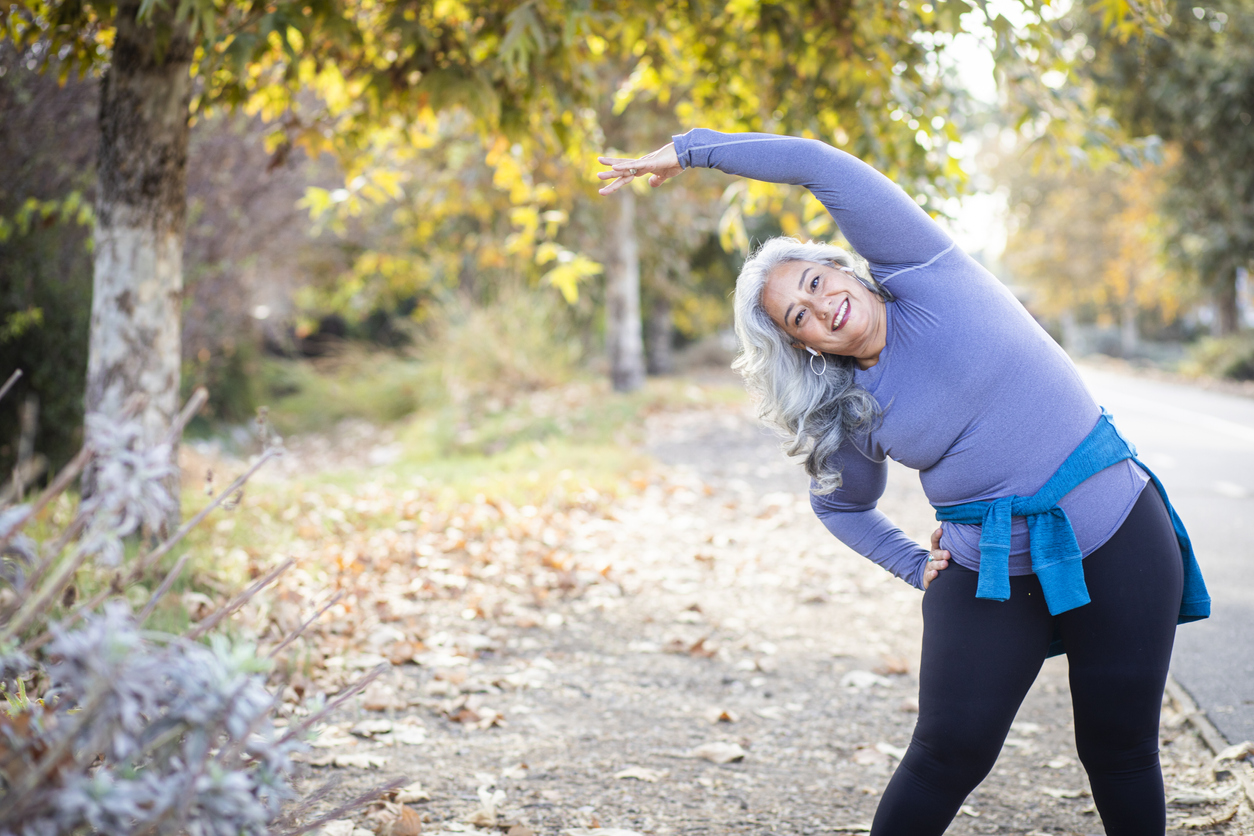
Joint pain, bone density changes, muscle weakness: These are part of musculoskeletal syndrome of menopause. Learn how to manage them with exercise and other treatments.
Read more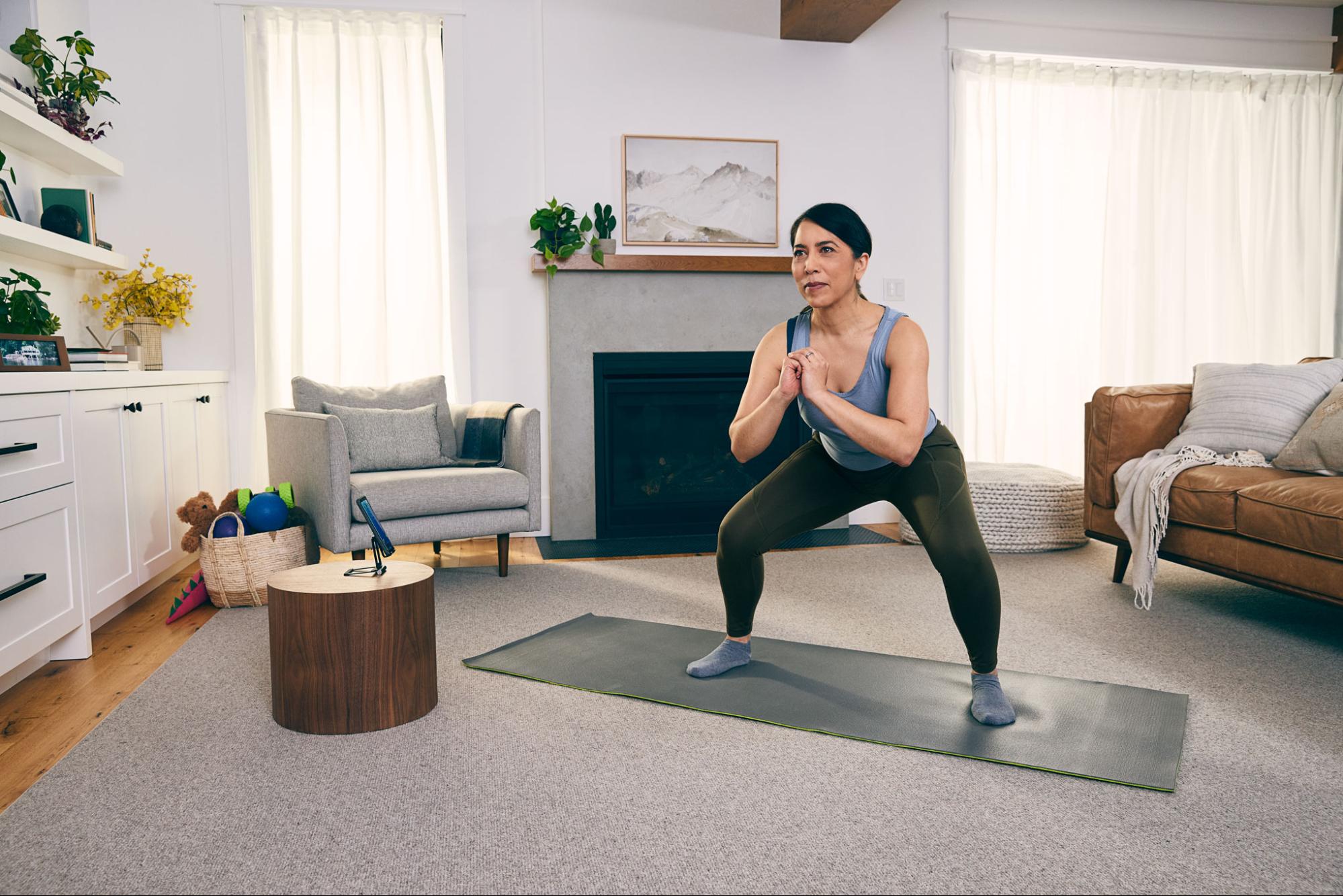
Learn about what exercise therapy is and how it can benefit women’s musculoskeletal health.
Read moreReferences
- 1Volpi, E., Nazemi, R., & Fujita, S. (2004). Muscle tissue changes with aging. Current Opinion in Clinical Nutrition and Metabolic Care, 7(4), 405–410. doi:10.1097/01.mco.0000134362.76653.b2
- 2Pollock, J. R., Haglin, J. M., Bingham, J. S., & Moore, M. L. (2020). Declining orthopaedic shoulder and elbow surgery Medicare reimbursement rates from 2000 to 2019. Orthopaedic Journal of Sports Medicine, 8(7_suppl6), 2325967120S00410. doi:10.1177/2325967120S00410
- 3National Institute on Aging. (2023). How exercise can help manage menopause symptoms. National Institute on Aging. https://www.nia.nih.gov/health/exercise-and-physical-activity/how-exercise-can-help-manage-menopause-symptoms
- 4Centers for Disease Control and Prevention. (2025, December 3). Physical activity basics and your health. Centers for Disease Control and Prevention. https://www.cdc.gov/physicalactivity/basics/pa-health/index.htm
- 5Baum, J. I., Kim, I.-Y., & Wolfe, R. R. (2016). Protein consumption and the elderly: What is the optimal level of intake? Nutrients, 8(6), 359. doi:10.3390/nu8060359
- 6Krzysztofik, M., Wilk, M., Wojdała, G., & Gołaś, A. (2019). Maximizing muscle hypertrophy: A systematic review of advanced resistance training techniques and methods. International Journal of Environmental Research and Public Health, 16(24), 4897. doi:10.3390/ijerph16244897
- 7American Academy of Orthopaedic Surgeons. (n.d.-a). Exercise and bone health. OrthoInfo. https://orthoinfo.aaos.org/en/staying-healthy/exercise-and-bone-health
- 8American Academy of Orthopaedic Surgeons. (n.d.-b). Starting a strength training program. OrthoInfo. https://orthoinfo.aaos.org/en/staying-healthy/starting-a-strength-training-program/
- 9Zhang, C., Feng, X., Zhang, X., Chen, Y., Kong, J., & Lou, Y. (2024). Research progress on the correlation between estrogen and estrogen receptor on postmenopausal sarcopenia. Frontiers in Endocrinology, 15, 1494972. doi:10.3389/fendo.2024.1494972
- 10Erdélyi, A., Pálfi, E., Tűű, L., Nász, K., Szűcs, Z., Török, M., Jakab, A., & Várbíró, S. (2023). The importance of nutrition in menopause and perimenopause—A review. Nutrients, 16(1), 27. doi:10.3390/nu16010027
- 11Zittermann, A., Schmidt, A., Haardt, J., Kalotai, N., Lehmann, A., Egert, S., Ellinger, S., Kroke, A., Lorkowski, S., Louis, S., Schulze, M. B., Schwingshackl, L., Siener, R., Stangl, G. I., Volkert, D., Watzl, B., & Bischoff-Ferrari, H. A. (2023). Protein intake and bone health: An umbrella review of systematic reviews for the evidence-based guideline of the German Nutrition Society. Osteoporosis International, 34(8), 1335–1353. doi:10.1007/s00198-023-06709-7