Second trimester exercise: how to stay active and move comfortably during pregnancy
August 18, 2026
Over 1 Million members trust Hinge Health, a digital clinic that provides access to virtual physical therapy, to address their joint and muscle pain.
Reduction in member pain
of licensed physical therapists and health coaches
Average star rating of the Hinge Health mobile app
Bailey JF, et al. Digital Care for Chronic Musculoskeletal Pain: 10,000 Participant Longitudinal Cohort Study. J Med Internet Res 2020;22(5):e18250.
Safe, effective second-trimester exercises to stay strong and comfortable. Learn what to do, what to modify, and how to keep moving with confidence.
Available at $0 cost to many members
As you enter the second trimester of pregnancy, you may start to turn a corner on first-trimester symptoms like nausea and fatigue. If your energy is beginning to return, you may also be wondering what that means for exercise: Can you resume your usual workouts? Should you change anything now that your belly is growing?
For most people with healthy pregnancies, staying active is both safe and encouraged. “The second trimester is often an ideal window to build and maintain strength and endurance, which can help prepare you for the third trimester and delivery,” says Dulce Bhatt, PT, DPT, a physical therapist at Hinge Health.
The goal isn’t to push yourself to your limits. It’s to keep moving in ways that feel good and adapt your routine as your body changes.
Ahead, learn why movement matters during the second trimester, plus exercises recommended by Hinge Health physical therapists that can help you stay strong and comfortable throughout pregnancy.
Reviewed by our clinical and medical experts

Dr. Bhatt is a Hinge Health physical therapist and board-certified geriatric clinical specialist with a passion for optimizing healthy aging. She brings expertise across multiple areas including chronic musculoskeletal conditions, women's pelvic health, and balance and fall prevention.
Dulce Bhatt PT, DPT
Physical Therapist

Fully Covered Pelvic Care
Find relief from pelvic pain, leakage, muscle weakness, & more.
Why exercise during the second trimester matters
Your body continues to adapt to some big changes during the second trimester. Your belly grows, your center of gravity begins to shift, and your muscles and joints adjust to support your changing body. Staying active can help you build the strength and mobility you need to navigate these changes comfortably.
Compared with the first and third trimesters, many people find the second trimester more manageable for physical activity. “A lot of people experience a return of energy and feel like they can move again, so you’ll want to take advantage of that by supporting your own health and the baby’s growth,” says Dr. Bhatt.
Regular movement during pregnancy can support your mood and sleep, may ease some common aches and pains, and can support your overall health. But you don’t need to dramatically ramp up your workouts to reap these benefits. Consistent movement that meets you where you are is what matters most.
Second-trimester exercises to focus on
There’s no single best workout to do during the second trimester. If your pregnancy is progressing normally, you can generally continue many of the activities you already enjoy, modifying them as your body changes. It’s usually best to stick with forms of exercise your body is already familiar with. If you want to try a new activity, ease into it with shorter or easier sessions, then gradually build up as your body adjusts.
For a well-rounded routine, consider incorporating a mix of these types of movement:
Low-impact cardio. Activities like walking, swimming, and stationary cycling can build cardiovascular endurance while being gentle on your joints. They can be especially comfortable as your belly grows and your center of gravity shifts.
Strength training. Maintaining strength can help your muscles support your changing body and prepare you for the physical demands of later pregnancy and postpartum life. Everyone tolerates different amounts of weight and intensity, so focus on what feels appropriately challenging for you rather than maximum effort.
Pelvic floor exercises. Pelvic floor exercises during pregnancy can help you build strength while also learning how to coordinate, lengthen, and relax these muscles. This can support bladder control during pregnancy and help prepare your pelvic floor for labor and delivery.
Core and breathing exercises. Your core remains active and important throughout pregnancy. Deep core exercises and diaphragmatic breathing can help your abdominal and pelvic floor muscles work together as your belly grows.
Flexibility and mobility exercises. Gentle stretching, prenatal yoga, and other mobility work can help relieve muscle tension and keep everyday movements comfortable as your body changes.
You don’t have to fit all of these into every workout. A varied routine over the course of the week can give your body plenty of opportunities to build strength, endurance, and mobility.
Second-trimester workout plan: What a week can look like
Your second-trimester workout routine will depend on factors like how active you were before pregnancy, how you’re feeling now, plus any relevant guidance from your healthcare provider.
Generally speaking, experts recommend at least 150 minutes of moderate-intensity aerobic activity each week during pregnancy. You can break that up however it works best for you, such as 30 minutes, five days of the week or shorter bouts throughout your day. Strengthening activities can also be incorporated a couple of days each week.
And remember: You don’t have to hit a specific workout duration for movement to count. A short walk, a few strengthening exercises, or some gentle mobility work can all be meaningful, especially on days when your energy is lower.
“The ideal intensity level should feel challenging but not painful, and you should be able to talk throughout the activity,” says Dr. Bhatt.
Exercises for the second trimester
Deep squats help build lower-body strength while promoting mobility through your hips and pelvis. “It also helps you practice relaxing and lengthening the pelvic floor, which is an important skill during labor and delivery,” says Dr. Bhatt. Move only as deeply into the squat as feels comfortable for you. Holding onto a sturdy surface for support is always an option.
Want expert care?
Check if you're covered for our free programTogether, these exercises support several areas that work especially hard during pregnancy. Squat variations build lower-body strength and pelvic mobility, while cat-cow and standing child’s pose encourage comfortable movement through your spine. The seated glute stretch helps maintain hip mobility. Practicing a variety of strengthening and mobility exercises can help your body continue adapting as your pregnancy progresses.
The information contained in these videos is intended to be used for educational purposes only and does not constitute medical advice or treatment for any specific condition. Hinge Health is not your healthcare provider and is not responsible for any injury sustained or exacerbated by your use of or participation in these exercises. Please consult with your healthcare provider with any questions you may have about your medical condition or treatment.
💡Did you know?
Pelvic floor physical therapy is more than just kegel exercises. Various exercises tailored to your symptoms and needs are key to getting relief. Pelvic floor PT can relieve many different pelvic issues, such as pelvic pain, painful sex, and urinary incontinence.
Members of the Hinge Health pelvic health program experience an average 67% reduction in pelvic pain and 54% reduction in urinary incontinence within the first 12 weeks. Learn more*.
How to modify your second trimester workouts as your belly grows
You don’t necessarily need an entirely new workout routine once you reach the second trimester. Instead, you may find that small modifications help familiar movements continue to feel comfortable.
Modify, don’t automatically stop. As your body changes, certain movements may start to feel different. “If something feels off, adjust the range of motion, load, or position rather than stopping movement altogether,” says Dr. Bhatt. You might use a lighter weight, shorten your range of motion, or hold onto something for support.
Adjust exercises on your back as needed. As pregnancy progresses, lying flat on your back for extended periods can make some people feel lightheaded or uncomfortable because the growing uterus can put pressure on a major blood vessel. If that happens, change positions. Side-lying, seated, standing, or elevated versions of an exercise can be good alternatives.
Listen to your body’s new signals. It’s normal to experience different sensations as your body changes — for example, you may notice your heart rate increases as blood volume does, and that your muscles feel more relaxed due to hormonal changes. If you experience dizziness, shortness of breath, chest pain, vaginal bleeding, or painful cramping during exercise, stop and talk to your doctor.
Pay attention to new signals from your body. Pregnancy changes how your body responds to exercise. You may become tired more quickly, feel warmer, or notice that movements you used to do easily now require some modification. That’s not a reason to stop moving — it’s feedback you can use to adapt your workout.
Give yourself more stability when you need it. Your center of gravity shifts as your belly grows, which can make balance feel different. Supportive shoes, stable surfaces, and holding onto a wall, counter, or chair during certain exercises can help you continue moving with confidence.
When to see a doctor
Exercise is safe and beneficial for most healthy pregnancies, but certain symptoms are a reason to stop exercising and contact your healthcare provider. These include:
Vaginal bleeding
Fluid leaking from the vagina
Chest pain
Dizziness or feeling faint
Shortness of breath before exertion
Calf pain or swelling
Regular, painful contractions
It’s also a good idea to talk to your healthcare provider about exercise if you have pregnancy complications or have been advised to modify your activity. They can help you determine which types of movement are appropriate for you.
PT tip: Use your energy when you have it
If some of your first-trimester fatigue and nausea have eased, you may find yourself wanting to move more again. Take advantage of that energy, but remember that you don’t have to push yourself to make up for less-active days earlier in pregnancy.
“Use this newfound energy as fuel to continue exercising so you can prepare your body as best as possible for all the changes ahead,” says Dr. Bhatt.
Some days that may mean a full workout. Other days, a walk or a few minutes of mobility work may be what feels best. Let how you feel today guide how you move today.
How Hinge Health can help you
If you have pelvic pain, bladder, bowel, or other pelvic symptoms that are affecting your quality of life, you can get the relief you've been looking for with Hinge Health’s online exercise therapy program.
The best part: You don’t have to leave your home because our program is digital. That means you can easily get the care you need through our app, when and where it works for you. Through our program, you’ll have access to therapeutic exercises and stretches for your condition. Additionally, you’ll have a personal care team to guide, support, and tailor our program to you.
See if you qualify for Hinge Health and confirm free coverage through your employer or benefit plan here.
This article and its contents are provided for educational and informational purposes only and do not constitute medical advice or professional services specific to you or your medical condition.
Looking for pain relief? Check if your employer or health plan covers our program.
Join more than 1.2 million members and over 2,800 companies that trust Hinge Health to get relief.
Related Articles

Levator ani syndrome causes pelvic pain from muscle spasms. Learn symptoms, what triggers it, and how physical therapy exercises can help you heal.
Read more
Learn how perimenopause and menopause affect sex drive, comfort, and intimacy, plus tips to maintain pleasure and address challenges.
Read more
Learn how to do a happy baby exercise to relieve tension in your hips and lower back, plus modifications to make this exercise easier or harder.
Read more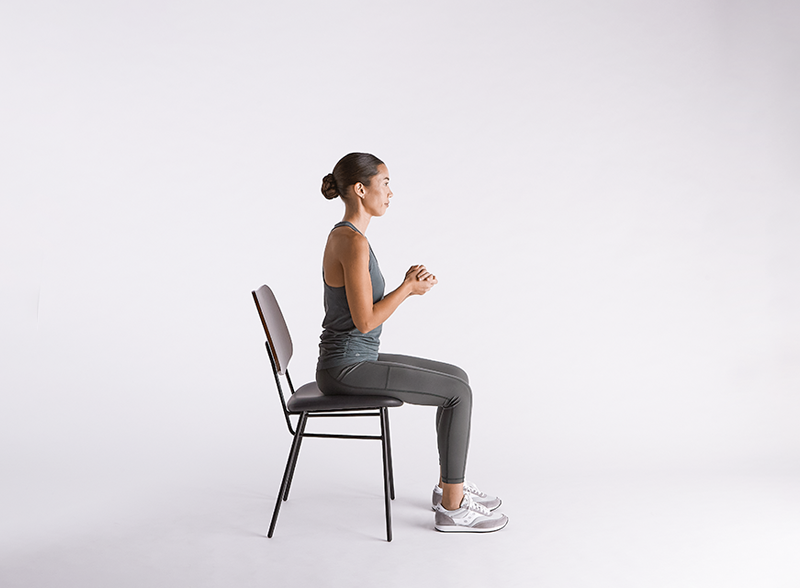
Learn how to do a sit to stand exercise to build lower-body strength, improve balance, and move with confidence. Physical-therapist-approved modifications inside.
Read more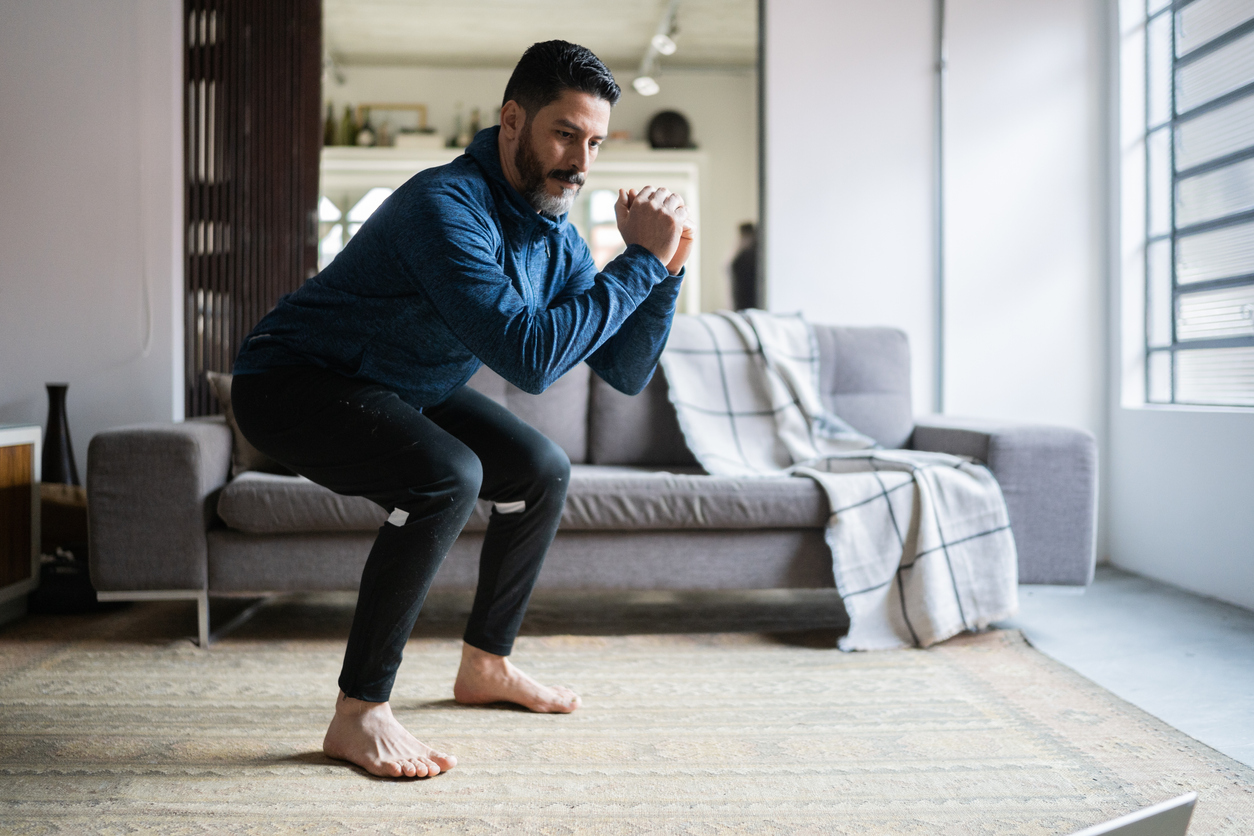
Learn what a pinched nerve in the low back is and how to treat it, especially with exercises from physical therapists.
Read moreReferences
- 1Body changes and discomforts | Office on Women’s Health. (2021). OASH | Office on Women’s Health. https://womenshealth.gov/pregnancy/youre-pregnant-now-what/body-changes-and-discomforts
- 2Kesikburun, S., Güzelküçük, Ü., Fidan, U., Demir, Y., Ergün, A., & Tan, A. K. (2018). Musculoskeletal pain and symptoms in pregnancy: a descriptive study. Therapeutic Advances in Musculoskeletal Disease, 10(12), 229–234. doi: 10.1177/1759720x18812449
- 3NHS. (2023, March 15). Exercise in Pregnancy. Nhs.uk. https://www.nhs.uk/pregnancy/keeping-well/exercise/
- 4The American College of Obstetricians and Gynecologists. (2019, July). Exercise During Pregnancy. Www.acog.org. https://www.acog.org/womens-health/faqs/exercise-during-pregnancy
- 5Zhang, D., Bo, K., Montejo, R., Sánchez‐Polán, M., Silva‐José, C., Palacio, M., & Barakat, R. (2023). Influence of pelvic floor muscle training alone or as part of a general physical activity program during pregnancy on urinary incontinence, episiotomy and third‐ or fourth‐degree perineal tear: Systematic review and meta‐analysis of randomized clinical trials. Acta Obstetricia et Gynecologica Scandinavica, 103(6). doi: 10.1111/aogs.14744