Scoliosis, lordosis, and kyphosis: what's the difference and how to care for your spine
August 18, 2026
Over 1 Million members trust Hinge Health, a digital clinic that provides access to virtual physical therapy, to address their joint and muscle pain.
Reduction in member pain
of licensed physical therapists and health coaches
Average star rating of the Hinge Health mobile app
Bailey JF, et al. Digital Care for Chronic Musculoskeletal Pain: 10,000 Participant Longitudinal Cohort Study. J Med Internet Res 2020;22(5):e18250.
Lordosis, kyphosis, and scoliosis all involve changes to the spinal curvature, but they're not the same. Learn how they differ and how movement can help.
Available at $0 cost to many members
Scoliosis, kyphosis, and lordosis are all terms that describe different types of spinal curvature, and if you’ve recently learned you have one, it’s understandable to feel a little confused or even concerned.
But it’s important to remember this: Your spine isn’t supposed to be perfectly straight. “Your spine naturally has curves that help it support your body and move in different directions,” says Matthew Turner, PT, DPT, a physical therapist at Hinge Health.
Lordosis and kyphosis actually describe two of those normal curves. Scoliosis refers to a sideways curvature of the spine. Sometimes these curves become more pronounced, but that doesn’t automatically mean something is wrong or that you need to avoid physical activity.
“With regular movement and physical therapy, there’s a lot you can do to support your spine, reduce pain, and improve your overall mobility,” reassures Dr. Turner.
Ahead, learn the differences between lordosis vs. kyphosis vs. scoliosis, plus targeted exercises recommended by Hinge Health physical therapists to help keep your spine resilient and mobile.
Reviewed by our clinical and medical experts
Dr. Turner is a Hinge Health physical therapist with a background in orthopedics and manual therapy. His interests include orthopedic care, sports medicine, and the applications of technology to healthcare.
Matt Turner, PT, DPT
Physical Therapist

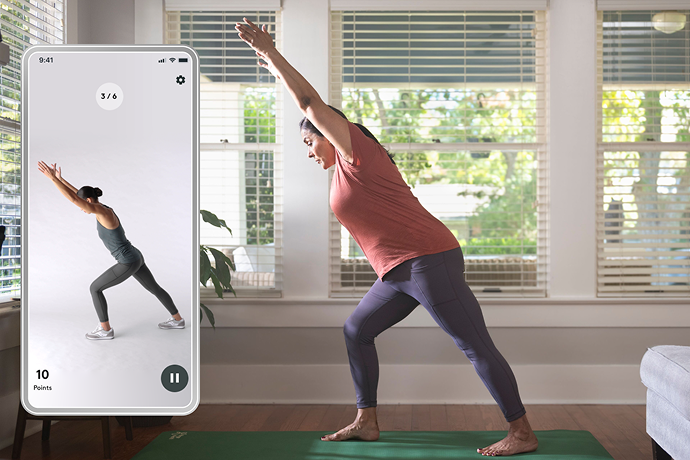
Fully covered back pain relief
Find relief from lower back pain, a thrown out back, sciatica, & more.
What is scoliosis?
Scoliosis is a sideways curvature of the spine that typically forms an S- or C-shape when viewed from behind. While it’s most often diagnosed during an adolescent growth spurt, it can develop or be diagnosed later in life, too.
Scoliosis affects about 2% to 3% of people in the United States. “It can range from a very small curve that causes no symptoms to a more pronounced curve that may be associated with back pain or uneven shoulders and hips,” says Dr. Turner. Severe scoliosis is less common, but if you have a pronounced spinal curve and notice new or worsening symptoms like changes in bowel or bladder control, progressive leg weakness, or trouble with balance or walking, it’s important to see a medical professional right away.
Having scoliosis doesn’t mean your spine is weak or that you need to scale back on physical activity. Many people with scoliosis live active lives with minimal to no pain, and this is very common and expected. If you do have symptoms, physical therapy and regular movement can help you build strength, maintain your mobility, reduce discomfort, and continue doing the activities you enjoy.
What is lordosis?
Lordosis refers to the natural inward curve of your spine, most notably in your lower back and neck. “We all have some degree of lordosis,” explains Dr. Turner.
These curves are an important part of normal spinal anatomy, helping your spine comfortably support your body as you stand, move, bend, and twist.
When people talk about lordosis as a spinal condition, they’re usually referring to an exaggerated inward curve, sometimes called hyperlordosis. It may cause a more noticeable arch in the lower back and, for some people, contribute to stiffness or discomfort. But plenty of people with a pronounced lordotic curve have no pain at all.
What is kyphosis?
Kyphosis refers to the natural outward curve of your thoracic spine, or your mid-to-upper back. Just like lordosis, some degree of kyphosis is normal.
When that outward curve becomes more pronounced, it may create a noticeably rounded upper back. Some people experience stiffness or discomfort, while others have no symptoms at all.
One common type is postural kyphosis, which is a flexible curvature often seen in adolescents and young adults. Regular movement and exercises that build back strength and mobility can help you feel more comfortable and confident moving with kyphosis.
No matter if you have scoliosis, increased lordosis, or increased kyphosis, the same principle applies: your spine remains strong and adaptable, and movement can play an important role in managing symptoms. And for the majority of these conditions, you don’t have to fix or realign the spine in order to feel or function better.
Key differences between lordosis, kyphosis, and scoliosis
The biggest difference between lordosis vs. kyphosis vs. scoliosis is the direction and location of the spinal curve. Here’s how differ from one another:
Lordosis. This describes an inward curve of the spine. When it affects your neck, it’s referred to as cervical lordosis; when it affects your low back, it’s known as lumbar lordosis. You can have both at the same time. When either curve is more pronounced than usual, you may notice a deeper lower-back arch or, in some cases, stiffness or discomfort.
Kyphosis. This describes an outward curve of the spine. When it affects your mid-to-upper back, it’s referred to as thoracic kyphosis; at the base of your spine, it’s known as sacral kyphosis. Both are natural curves that help support your body. When thoracic kyphosis becomes more pronounced than usual, your upper back may appear more rounded, and you may notice stiffness or achiness in the area. Thoracic mobility exercises can help reduce stiffness and improve how your upper back looks and feels.
Scoliosis. This is a sideways curvature that forms an S- or C-shape when viewed from behind. Unlike lordosis and kyphosis, a sideways curve isn’t part of the spine’s typical curvature, but is very common — even in people who don’t realize they have it. You may notice uneven shoulders or hips or one shoulder blade appearing more prominent than the other.
You can also have more than one type of curvature at the same time. A physical therapist or other healthcare provider can assess how your spine moves and help determine whether your curvature is contributing to any symptoms you’re experiencing.
Symptoms to know for each condition
There can be a lot of overlap between the symptoms of scoliosis, lordosis, and kyphosis. Many people have no symptoms at all, while others may experience stiffness, achiness, or changes in how their body looks or moves.
Lordosis:
A more noticeable lower-back arch
Low back pain or stiffness
Tightness around the hips or back
Kyphosis:
A more rounded upper back
Stiffness or achiness in the mid-to-upper back
Back muscle fatigue
Scoliosis:
Uneven shoulders or hips
One shoulder blade appearing more prominent
Clothes fitting unevenly
Back pain or stiffness
Remember that the amount of curvature doesn’t necessarily predict how much pain you’ll have, says Dr. Turner. Someone with a noticeable spinal curve may have few or no symptoms, while someone with a smaller curve may experience discomfort. That’s one reason treatment focuses on you and your function, not just what your spine looks like. Imaging like X-rays or MRIs can also show “abnormal” changes in people who don’t have any pain at all, so scan results don’t always explain how you feel.
How movement can help
No matter which type of spinal curvature you have, your spine is designed to move. Staying active and doing targeted exercises can help build strength, maintain mobility, and make everyday activities feel more comfortable.
“For most patients, our goal isn’t to correct the curve itself,” explains Dr. Turner. “It’s to improve how their spine moves and strengthen the surrounding muscles so they can manage pain and stiffness and do everyday activities more comfortably.”
The exercises that feel most helpful may vary depending on your symptoms and how your spine moves. A physical therapist can assess your strength and mobility and help you find movements that work well for your body. Most importantly, having a spinal curvature doesn’t mean you need to be afraid of movement. Gradually building strength and confidence can help you stay active and continue doing the things that matter to you.
Exercises for spinal health
This classic yoga pose gently moves your spine through flexion and extension, helping maintain mobility throughout your back. It can feel especially good if you’ve been sitting or standing in one position for a while.
Want expert care?
Check if you're covered for our free programTogether, these exercises help your spine and surrounding muscles move in different ways. Cat cow and open book encourage spinal mobility, while bird dog and hip hinge build strength through your core, hips, and back. The hip flexor stretch can help you maintain your hip mobility. Practicing a mix of strengthening and mobility exercises can help you feel more comfortable and confident moving with scoliosis, lordosis, or kyphosis.
The information contained in these videos is intended to be used for educational purposes only and does not constitute medical advice or treatment for any specific condition. Hinge Health is not your healthcare provider and is not responsible for any injury sustained or exacerbated by your use of or participation in these exercises. Please consult with your healthcare provider with any questions you may have about your medical condition or treatment.
💡Did you know?
Physical therapy (PT) is for more than just recovering from surgery or injury. It’s one of the top treatments for joint and muscle pain. It helps build strength, improve mobility, and reduce pain. And it doesn't always need to be in person.
Hinge Health members can conveniently access customized plans or chat with their care team at home or on the go — and experience an average 68% reduction in pain* within the first 12 weeks of their program. Learn more*.
Treatments for spinal curvature conditions
Treatment depends on the type and degree of spinal curvature, whether you’re having symptoms, and how those symptoms affect your daily life. For many people, conservative strategies like movement and physical therapy are enough to manage discomfort and stay active.
Try physical therapy and targeted exercises. Targeted exercises, such as the ones above, can help strengthen and stretch the muscles supporting your spine, so you move more comfortably. You can do exercise therapy at home or work with a physical therapist who can guide you through movements tailored to your needs. You can see a physical therapist in person or use a program like Hinge Health, where you may access a PT via telehealth/video visit.
Stay active. Walking, swimming, yoga, strength training, and other forms of movement can all support spinal mobility and strength. “Regular movement increases circulation to tender areas and keeps your muscles and joints moving seamlessly,” says Dr. Turner. The best activity is one that feels good and that you can do consistently.
Apply heat or ice. Heat can help relax tight or tense muscles, while ice may feel soothing during a pain flare. Try either method or stick with whichever one feels best for you.
Take over-the-counter (OTC) medication as needed. Pain relievers such as ibuprofen (Advil, Motrin), naproxen (Aleve), and acetaminophen (Tylenol) can help ease pain so you can do your targeted exercises and stay active when you have back pain. Other options are topical NSAIDs or pain relief creams. If you have a medical condition or take other medications, check in with your provider to make sure these OTC options are safe to take.
Consider lifestyle modifications. Factors like sleep, stress, nutrition, and certain activities can all play a role in how you feel. In fact, many people are surprised to learn that pain isn’t just about what’s happening physically — your daily habits and overall well-being can have a real impact, too. Staying curious about how your routines affect your muscles and joints can help you identify where small changes might help reduce pain. For example, you might notice your pain is less noticeable on low-stress days.
Consider complementary treatments. Talk to your provider if you’re interested in trying alternative treatments for back pain relief, such as massage, acupuncture, or chiropractic care.
Ask about TENS therapy. TENS, or transcutaneous electrical nerve stimulation, uses gentle pulses to quiet your pain response and help reduce muscle pain associated with conditions like lordosis, kyphosis, and scoliosis. One option is the wearable device Enso, available through Hinge Health. It’s small, wireless, and portable.
More involved treatment is sometimes appropriate. For example, bracing may be recommended for some adolescents with scoliosis whose spines are still growing, while surgery may be considered for certain severe or progressing spinal curves. But many people can successfully manage spinal curvature without either, Dr. Turner explains.
Tips to manage spinal curvature
You don’t have to overhaul your routine to support your spine. Small, consistent habits that keep you moving and build strength in your back can make everyday activities feel easier.
Keep moving throughout the day. Your best posture is often your next posture. Meaning, instead of worrying about sitting or standing perfectly, it’s more important to regularly change positions, stretch, or take a movement snack such as a quick walk. “Your spine appreciates variety,” says Dr. Turner.
Strengthen your core and back. Strong muscles throughout your trunk, hips, and back help you feel supported as you bend, lift, reach, and move.
Work with a physical therapist. A physical therapist (PT) can help you understand how your spine moves and find exercises that address your specific symptoms and goals.
Be consistent, not perfect. You don’t need to follow a flawless exercise routine to benefit. “As long as you’re finding ways to move regularly and change positions throughout your day, you’re supporting your spine,” says Dr. Turner.
When to see a doctor
Spinal curvature changes often don’t require urgent treatment, particularly if they’re mild and aren’t causing symptoms. But see a healthcare provider if you have questions, significant or worsening back pain, or symptoms that interfere with everyday activities. It’s also important to get care if you experience concerning or unusual symptoms, including:
Numbness or weakness in your arms or legs
A noticeable or rapid change in spinal curvature
Difficulty breathing or chest tightness
Symptoms that begin after a significant fall or injury
A new or progressing curvature in a child or adolescent who is still growing
PT tip: Don’t be afraid of your spinal curve
Seeing terms like lordosis, kyphosis, or scoliosis on an imaging report can sound alarming, but most of these can be successfully managed with conservative treatments.
“We all have some degree of lordosis and kyphosis, and it's common to find scoliosis on x-ray reports that doesn’t cause any problems and doesn’t need to be fixed,” says Dr. Turner. “You don’t need a ramrod-straight back to lead a full and active life.”
Rather than trying to make your spine look a certain way, focus on what it can do. Staying active, building strength, and moving in different ways can help keep your spine resilient and allow you to continue doing the activities you enjoy.
How Hinge Health can help you
If you have joint or muscle pain that makes it hard to move, you can get the relief you’ve been looking for with Hinge Health’s online exercise therapy program.
The best part: You don’t have to leave your home because our program is digital. That means you can easily get the care you need through our app when and where it works for you.
Through our program, you’ll have access to therapeutic exercises and stretches for your condition. Additionally, you’ll have a personal care team to guide, support, and tailor our program to you.
See if you qualify for Hinge Health and confirm free coverage through your employer or benefit plan here.
This article and its contents are provided for educational and informational purposes only and do not constitute medical advice or professional services specific to you or your medical condition.
Looking for pain relief? Check if your employer or health plan covers our program.
Join more than 1.2 million members and over 2,800 companies that trust Hinge Health to get relief.
Related Articles

Cold weather can worsen knee pain. Learn why it happens and get science-backed strategies to keep moving all winter.
Read more
Learn how to manage rotator cuff pain with expert advice on causes and treatments, including simple, at-home exercises.
Read more
Learn how to do a sumo squat to improve lower-body strength, plus modifications to make this exercise easier or harder.
Read more
Pelvic organ prolapse is when pelvic organs slip down from their normal position. Learn more about causes, symptoms, and treatments.
Read moreReferences
- 1AANS. (2024). Scoliosis. In AANS. https://www.aans.org/patients/conditions-treatments/scoliosis/
- 2Spine basics - OrthoInfo - AAOS. (n.d.-b). In www.orthoinfo.org. Retrieved August 11, 2026, from https://orthoinfo.aaos.org/en/diseases--conditions/spine-basics/
- 3Postural kyphosis | Pediatric Orthopaedic Society of North America (POSNA). (n.d.). In posna.org. Retrieved August 11, 2026, from https://posna.org/physician-education/study-guide/postural-kyphosis
- 4Been, E., Shefi, S., & Soudack, M. (2017). Cervical lordosis: The effect of age and gender. The Spine Journal, 17(6), 880–888. doi:10.1016/j.spinee.2017.02.007
- 5Fon, G. T., Pitt, M. J., & Thies, A. C. (1980). Thoracic kyphosis: Range in normal subjects. AJR. American Journal of Roentgenology, 134(5), 979–983. doi:10.2214/ajr.134.5.979
- 6Been, E., & Kalichman, L. (2014). Lumbar lordosis. The Spine Journal, 14(1), 87–97. doi:10.1016/j.spinee.2013.07.464
- 7McKay, G., Torrie, P. A., Dempster, G., Bertram, W., & Harding, I. (2018). The relationship between sacral kyphosis and pelvic incidence. Asian Spine Journal, 12(1), 74–79. doi:10.4184/asj.2018.12.1.74
- 8Katzman, W. B., Parimi, N., Gladin, A., Wong, S., & Lane, N. E. (2021). Long-term efficacy of treatment effects after a kyphosis exercise and posture training intervention in older community-dwelling adults: A cohort study. Journal of Geriatric Physical Therapy (2001), 44(3), 127–138. doi:10.1519/JPT.0000000000000262