IBS and pelvic floor dysfunction: understanding the connection and how to treat it
Oct 22, 2026

Over 1 Million members trust Hinge Health, a digital clinic that provides access to virtual physical therapy, to address their joint and muscle pain.
Reduction in member pain
of licensed physical therapists and health coaches
Average star rating of the Hinge Health mobile app
Bailey JF, et al. Digital Care for Chronic Musculoskeletal Pain: 10,000 Participant Longitudinal Cohort Study. J Med Internet Res 2020;22(5):e18250.
IBS and pelvic floor dysfunction often go hand-in-hand. Learn how the two are connected and how pelvic floor therapy can help relieve symptoms.
Available at $0 cost to many members
Living with irritable bowel syndrome (IBS) can feel unpredictable. One day you’re dealing with constipation, the next it’s urgent trips to the bathroom, bloating, cramping, or pelvic pain. And for many people, those digestive symptoms don’t exist in isolation — they’re closely connected to the muscles and nerves of the pelvic floor.
In fact, research shows there’s significant overlap between IBS and pelvic floor dysfunction. “Your pelvic floor muscles and your digestive system work together very closely,” says Dulce Bhatt, PT, DPT, a pelvic floor physical therapist with Hinge Health. “When one system becomes irritated or dysregulated, the other often does too.”
Gentle movement, pelvic floor physical therapy, stress management, and bowel retraining strategies can all help improve symptoms and quality of life.
Here’s what to know about the connection between IBS and pelvic floor dysfunction, and how treatments like targeted exercises recommended by Hinge Health physical therapists may help.
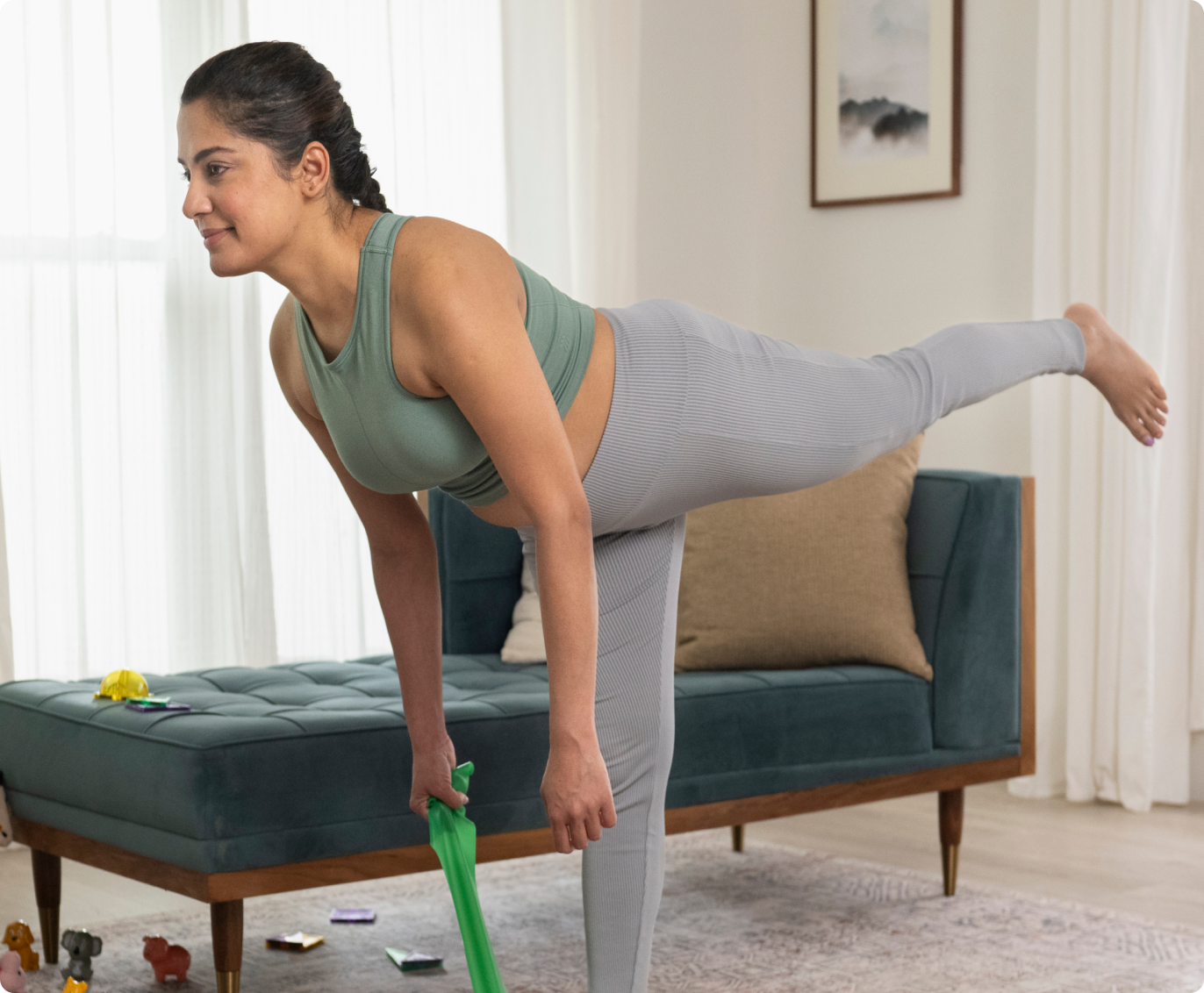
Fully Covered Pelvic Care
Find relief from pelvic pain, leakage, muscle weakness, & more.
How IBS and pelvic floor dysfunction are connected
IBS and pelvic floor dysfunction often overlap because the digestive system, nervous system, and pelvic floor muscles constantly communicate with one another.
“People with IBS often have an overactive pelvic floor, which means they have tense, tight pelvic floor muscles,” explains Dr. Bhatt. “When you’re experiencing chronic bloating, cramping, constipation, or urgency, your pelvic floor muscles can start responding protectively by tightening,” says Dr. Bhatt. Over time, that tension can become the norm.
Several factors help explain the connection:
Chronic straining. People with IBS-C (constipation-predominant IBS) may strain frequently during bowel movements. Over time, this can disrupt pelvic floor coordination and make it harder for the muscles to relax properly.
Muscle tension and guarding. Abdominal pain and digestive discomfort can cause your pelvic floor muscles to tighten reflexively. “Your body naturally tries to protect painful areas,” explains Dr. Bhatt.
Nervous system sensitivity. Both IBS and pelvic floor dysfunction involve heightened nervous system sensitivity. Stress and anxiety can increase muscle tension, digestive symptoms, and pain perception simultaneously.
Disrupted bowel habits. Frequent diarrhea or urgency, as seen with IBS-D (diarrhea predominant IBS) can interfere with healthy bowel mechanics and pelvic floor coordination over time.
Stress and anxiety. Stress affects both digestion and muscle tension. “The gut and pelvic floor are very responsive to emotional stress,” says Dr. Bhatt. “That’s why many people notice symptom flare-ups during stressful periods.”
Symptoms of IBS-related pelvic floor dysfunction
When IBS and pelvic floor dysfunction occur together, symptoms can overlap significantly. Common symptoms may include:
Bloating
Constipation
Diarrhea
Pelvic pain or pressure
Painful bowel movements
Straining with bowel movements
Feeling unable to fully empty bowels
Urinary urgency or frequency
Lower abdominal discomfort
Pain during sex
Lower back, hip, or tailbone pain
How movement can help IBS and pelvic floor dysfunction
When digestive symptoms flare up, movement may feel like the last thing you want to do. But gentle exercise can help calm the nervous system, improve circulation, reduce muscle tension, and support healthy digestion.
“Movement helps regulate the gut-brain connection,” says Dr. Bhatt. “It can improve bowel motility while also helping relax the pelvic floor muscles.” Movement may also:
Reduce stress hormones
Improve bowel regularity
Ease pelvic muscle tension
Improve posture and breathing mechanics
Increase blood flow to the pelvic region
Help calm nervous system sensitivity
This is more than just doing Kegels — “most patients who have IBS-related pelvic floor dysfunction need therapy to teach their pelvic muscles relaxation and coordination,” says Dr. Bhatt. A pelvic floor physical therapist (PT) can assess and guide the right approach.
Your PT can also help you build confidence. “Your pelvic floor muscles respond to targeted movement, which is why many people see dramatic improvements with pelvic floor physical therapy,” Dr. Bhatt explains.
Exercises for IBS and pelvic floor dysfunction
Deep belly breathing helps relax the pelvic floor muscles and calm the nervous system. “Breathing mechanics directly influence the pelvic floor,” says Dr. Bhatt.
Want expert care?
Check if you're covered for our free programDid you know?
Pelvic floor physical therapy is more than just kegel exercises. Various exercises tailored to your symptoms and needs are key to getting relief. Pelvic floor PT can relieve many different pelvic issues, such as pelvic pain, painful sex, and urinary incontinence.
Members of the Hinge Health pelvic health program experience an average 67% reduction in pelvic pain and 54% reduction in urinary incontinence within the first 12 weeks. Learn more*.
The above exercises all help to strengthen and stretch pelvic floor muscles, so you can better manage both your pelvic floor dysfunction and your IBS. Diaphragmatic breathing allows you to coordinate your abdominal and pelvic floor muscles. Stretches like child’s pose and happy baby help release tension from tight pelvic floor muscles, while the glute stretch targets your hip muscles. Finally, deep squatting relaxes pelvic floor muscles, so you can have more coordinated bowel movements.
The information contained in these videos is intended to be used for educational purposes only and does not constitute medical advice or treatment for any specific condition. Hinge Health is not your healthcare provider and is not responsible for any injury sustained or exacerbated by your use of or participation in these exercises. Please consult with your healthcare provider with any questions you may have about your medical condition or treatment.
Treatments for IBS and pelvic floor dysfunction
Since IBS and pelvic floor dysfunction go hand in hand, treatment approaches should address both issues. “When you treat pelvic floor dysfunction with pelvic floor therapy, you see an improvement in both IBS and pelvic pain,” explains Dr. Bhatt. These simple strategies include:
Try pelvic floor physical therapy and targeted exercises. Targeted exercises, such as the ones above, help relax tense pelvic floor muscles and improve coordination so you can have more comfortable bowel movements. You can do exercise therapy at home or work with a physical therapist who can guide you through movements tailored to your needs. You can see a physical therapist in person or use a program like Hinge Health, where you may access a PT via telehealth/video visit.
Stay active. Walking, yoga, stretching, and mobility exercises can all help improve circulation, digestion, and muscle relaxation. “The more active we are, the more it stimulates blood flow to both your GI tract and your pelvic region,” explains Dr. Bhatt.
Practice stress management. Mindfulness techniques, such as breathing exercises, meditation, and talking to a therapist, can help calm the gut-brain connection and reduce symptom flare-ups.
Make dietary changes. You may find that certain foods, including dairy, beans, or cruciferous vegetables like broccoli or cabbage, tend to worsen your IBS symptoms. Your health care provider may recommend that you try a low-FODMAP diet temporarily, which eliminates foods with specific carbohydrates that can trigger flares.
Try over-the-counter (OTC) options. If you have IBS-C, your health care provider may suggest you take a fiber supplement or an OTC laxative like polyethylene glycol (Miralax).
Try a belly massage. Another option you can do yourself is a belly massage. “Right before you go to the bathroom to have a bowel movement, gently massage your stomach,” says Dr. Bhatt. “Begin at your right hip, move up across your rib cage, and then back down in a circular pattern.”
Consider complementary treatments. Talk to your provider if you’re interested in trying alternative treatments for IBS and pelvic floor pain relief, such as massage, acupuncture, or chiropractic care.
Tips to manage IBS and pelvic floor dysfunction
Small, consistent habits — from how you breathe to how you sit on the toilet — can reduce strain on your pelvic floor and support better bowel function with IBS. Consider these tips:
Don’t strain or push. Bearing down hard during bowel movements increases pelvic floor tension. “When you strain or push, your anal sphincter closes up, which makes it even harder to have a BM,” explains Dr. Bhatt.
Use a footstool. A slight squat position on the toilet (like a Squatty Potty) can make it easier to have a BM. “It relaxes your pelvic floor and helps to straighten out your rectum,” says Dr. Bhatt.
Don’t rush or linger. Sitting on the toilet for extended periods increases pelvic floor strain. Go when you have a clear urge, then leave.
Move your body daily. Regular walking and gentle movement have been shown to improve both IBS and pelvic floor symptoms.
Mind the stress connection. Stress can worsen both IBS and pelvic pain. “It activates the gut-brain axis, which can either speed up or slow down your gut, and tighten pelvic muscles,” says Dr. Bhatt. Brief breathwork or relaxation practices can help interrupt this cycle.
When to see a doctor
IBS-related pelvic symptoms often improve with pelvic floor physical therapy and lifestyle changes. But if your symptoms are severe, worsening, or significantly affecting daily life, see a healthcare provider. It’s also a good idea to get care if you have unanswered questions or concerning symptoms like:
Persistent constipation or diarrhea
Blood in stool
Unexplained weight loss
Severe abdominal or pelvic pain
Pain with bowel movements
Symptoms that interfere with daily life
Difficulty controlling bowel movements
Ongoing pelvic pressure or urinary symptoms
Can pelvic floor dysfunction be misdiagnosed as IBS?
Absolutely. “Many people are told their symptoms are just part of IBS, when in reality it’s both IBS and pelvic floor dysfunction,” says Dr. Bhatt. But if you’ve tried treatments to manage your IBS, like diet, medications, and cognitive behavior therapy, and they don’t address your symptoms, she suggests you make an appointment with a pelvic floor physical therapist. Pelvic floor dysfunction often can’t be cured entirely, but for many people, symptoms significantly improve with consistent pelvic floor therapy.
PT tip: Manage your stress
Stress doesn’t cause IBS or pelvic floor dysfunction, but it can absolutely worsen symptoms. “People sometimes feel frustrated when they hear stress plays a role, because they think it means the symptoms are ‘all in their head,’” says Dr. Bhatt. “But stress creates very real physical changes in the nervous system, muscles, and digestion.” Prioritizing stress management, sleep, gentle movement, and recovery can help calm both the gut and pelvic floor over time.
How Hinge Health can help you
If you have pelvic pain, bladder, bowel, or other pelvic symptoms that are affecting your quality of life, you can get the relief you've been looking for with Hinge Health’s online exercise therapy program.
The best part: You don’t have to leave your home because our program is digital. That means you can easily get the care you need through our app, when and where it works for you. Through our program, you’ll have access to therapeutic exercises and stretches for your condition. Additionally, you’ll have a personal care team to guide, support, and tailor our program to you.
See if you qualify for Hinge Health and confirm free coverage through your employer or benefit plan here.
This article and its contents are provided for educational and informational purposes only and do not constitute medical advice or professional services specific to you or your medical condition.
Looking for pain relief? Check if your employer or health plan covers our program.
Join more than 1.2 million members and over 2,800 companies that trust Hinge Health to get relief.
Related articles

Ocular migraine causes temporary visual symptoms, like flashing lights or blind spots. Learn what it means, common triggers, and when to seek medical care.
Read more
Calculate the true cost of physical therapy, including hidden fees. Compare in-person vs virtual costs and see how Hinge Health can help you save money.
Read more
Butt pain during pregnancy is common. Learn causes and get physical therapist-recommended exercises to relieve discomfort and move with confidence.
Read more
Depression affects more than your mood — it can cause physical symptoms like pain. Here’s how the two connect and how you can find relief.
Read more
About 60% of falls happen at home — learn more about the steps you can take to reduce your risk and feel steadier on your feet.
Read more
Learn what ‘movement snacks’ are and how you can incorporate them into your day to reduce pain and boost energy.
Read moreReferences
- 1Nogueira Neto, J., Veigas, K. I. S., Gomes, L. M. R. de S., Barros, R. A. de J. P. A., Leal, P. da C., & Ferreira, A. de S. P. (2025). Irritable bowel syndrome and chronic pelvic pain: a systematic review and meta-analysis. Revista Da Associação Médica Brasileira, 71(11). doi:10.1590/1806-9282.20250758
- 2Singh, P., Seo, Y., Ballou, S., Ludwig, A., Hirsch, W., Rangan, V., Iturrino, J., Lembo, A., & Nee, J. W. (2019). Pelvic Floor Symptom Related Distress in Chronic Constipation Correlates With a Diagnosis of Irritable Bowel Syndrome With Constipation and Constipation Severity but Not Pelvic Floor Dyssynergia. Journal of Neurogastroenterology and Motility, 25(1), 129–136. doi:10.5056/jnm17139
- 3Riezzo, G., Prospero, L., D’Attoma, B., Ignazzi, A., Bianco, A., Franco, I., Curci, R., Campanella, A., Bonfiglio, C., Osella, A. R., & Russo, F. (2023). The Impact of a Twelve-Week Moderate Aerobic Exercise Program on Gastrointestinal Symptom Profile and Psychological Well-Being of Irritable Bowel Syndrome Patients: Preliminary Data from a Southern Italy Cohort. Journal of Clinical Medicine, 12(16), 5359. doi:10.3390/jcm12165359
- 4Foroogh Alborzi Avanaki, Rafiee, S., Hesam Aldin Varpaei, Taher, M., Najmeh Aletaha, & Farshad Allameh. (2023). Biofeedback Treatment Can Improve Clinical Condition and Quality of Life in Patients with Pelvic Floor Dyssynergy with Irritable Bowel Syndrome: A Prospective Cohort Study. Middle East Journal of Digestive Diseases, 15(1), 45–52. doi:10.34172/mejdd.2023.319
- 5Chang, L. (2017, November). Eating, Diet, & Nutrition for Irritable Bowel Syndrome | NIDDK. National Institute of Diabetes and Digestive and Kidney Diseases. https://www.niddk.nih.gov/health-information/digestive-diseases/irritable-bowel-syndrome/eating-diet-nutrition
- 6Hu, J., Xiao, Y., Jiang, G., & Hu, X. (2023). Research Trends of Acupuncture Therapy on Chronic Pelvic Pain Syndrome from 2000 to 2022: A Bibliometric Analysis. Journal of Pain Research, 16, 4049–4069. doi:10.2147/JPR.S434333