Hypermobility and pelvic floor dysfunction: what's the connection and what helps
August 28, 2026

Over 1 Million members trust Hinge Health, a digital clinic that provides access to virtual physical therapy, to address their joint and muscle pain.
Reduction in member pain
of licensed physical therapists and health coaches
Average star rating of the Hinge Health mobile app
Bailey JF, et al. Digital Care for Chronic Musculoskeletal Pain: 10,000 Participant Longitudinal Cohort Study. J Med Internet Res 2020;22(5):e18250.
Hypermobility can contribute to pelvic floor dysfunction. Learn how they're connected, what symptoms to watch for, and how physical therapy can help.
Available at $0 cost to many members
Living with hypermobility can mean your joints move through a larger range of motion than most people, and that can change how the muscles around them work. For some people, this includes their pelvic floor. Hypermobility and pelvic floor dysfunction can occur together, and understanding that connection can make symptoms feel a lot less confusing.
If hypermobility has made movement feel uncomfortable or contributed to pelvic floor dysfunction, it’s understandable to feel cautious. But the right kind of movement can help your body feel more supported and capable, while also improving the symptoms you’re experiencing. Targeted exercises can build strength, coordination, and body awareness, helping you do the activities you enjoy with less discomfort and more confidence.
Ahead, learn why hypermobility can affect the pelvic floor, what symptoms to look for, and how movement and physical therapy can help, with guidance from Hinge Health physical therapists.
Reviewed by our clinical and medical experts


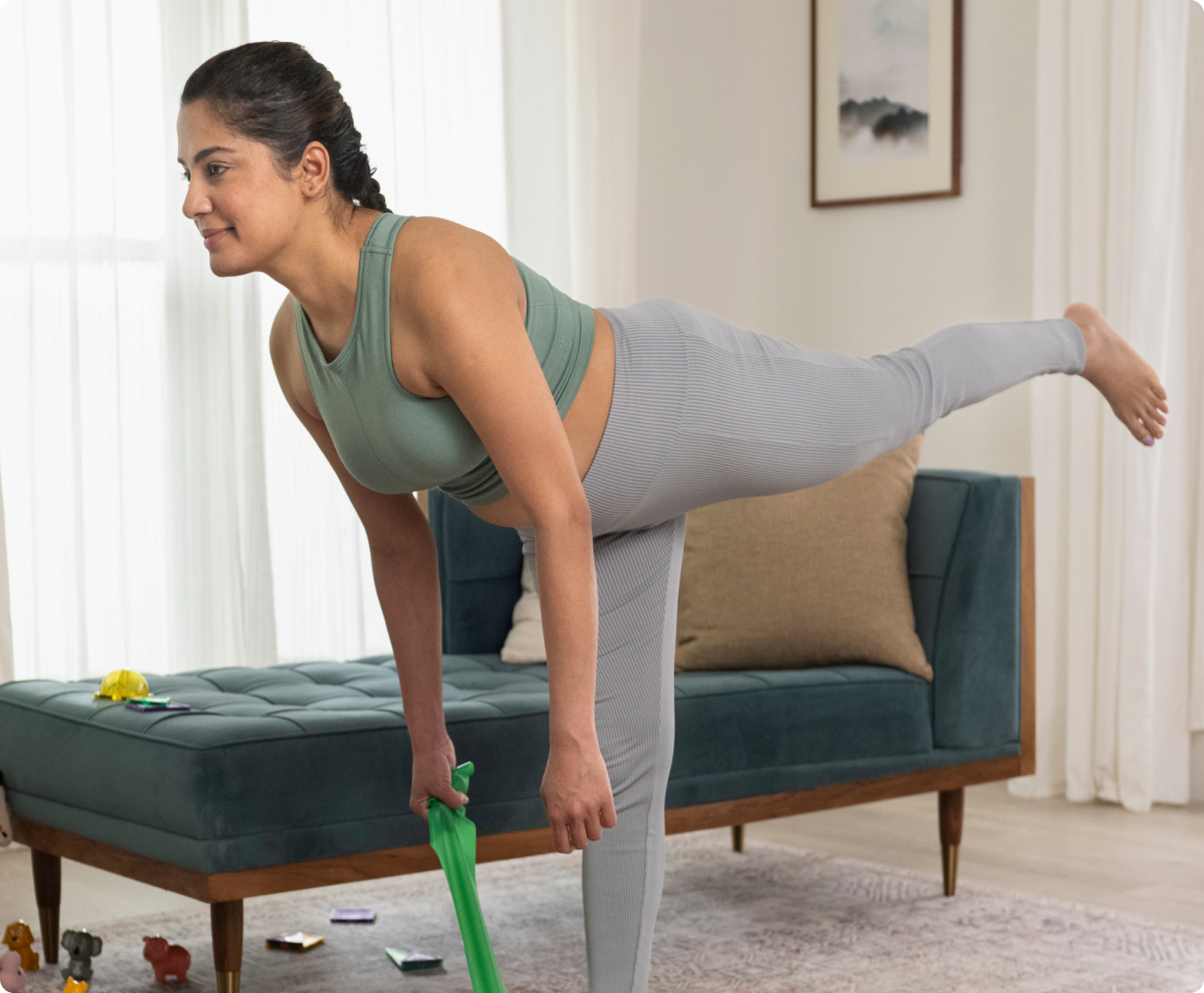
Fully Covered Pelvic Care
Find relief from pelvic pain, leakage, muscle weakness, & more.
How hypermobility affects the pelvic floor
Hypermobility means your joints and connective tissues have more movement than average. That doesn’t mean they’re weak or damaged, but it can change how your neighboring muscles support you during everyday movements.
The pelvic floor is a group of muscles that supports your pelvic organs and works closely with your hips, core, and back. “When hypermobility allows more movement in the hips or back, the pelvic floor muscles may need to work harder or stay active longer during everyday activities,” says Julia Guseva, PT, DPT, a Hinge Health physical therapist.
For some people, that increased muscular effort can lead to a pelvic floor that feels tight or overactive. Others may have more difficulty coordinating when those muscles should contract or relax. That can contribute to symptoms like pain, pressure, bladder or bowel changes, or discomfort during sex.
Hypermobility may also be associated with a higher likelihood of pelvic organ prolapse in some people. “The connective tissues that help support the pelvic organs are made from the same types of collagen found throughout the body,” says Dr. Guseva. “If those tissues have more laxity, that may affect how the pelvic organs are supported.”
Symptoms of pelvic floor dysfunction with hypermobility
Symptoms of pelvic floor dysfunction with hypermobility can vary from person to person. Some people have an overactive (hypertonic) pelvic floor, others have reduced coordination or strength, and many have both. Potential symptoms include:
Urinary leaking (stress or urge incontinence)
Increased urinary urgency or frequency
Pelvic pain or pressure
Painful sex (dyspareunia)
Pelvic organ prolapse symptoms (heaviness or a bulging sensation)
Bowel dysfunction (constipation or incomplete emptying)
Pain in the tailbone, hips, or abdominal area is also linked to pelvic floor tension
While the severity of pelvic floor dysfunction also varies widely, it can significantly impact daily life, and it’s recognized as a health condition that qualifies for medical support (including physical therapy).
How movement can help hypermobility and pelvic floor dysfunction
Movement is one of the most useful tools for managing pelvic floor symptoms in people with hypermobility. Rather than trying to reduce your natural mobility, the goal is to help your muscles become stronger, more coordinated, and better able to handle the demands of everyday movement.
“Regular movement gives your muscles opportunities to practice supporting you in different positions and activities,” says Dr. Guseva. Over time, that can help improve body awareness, confidence, and tolerance for activity.
You don’t need to push into uncomfortable ranges or work as hard as possible to benefit. “We take a ‘start low, go slow’ approach,” says Dr. Guseva. “We build gradually while monitoring how symptoms respond.”
Exercises for hypermobility and pelvic floor dysfunction
Slow, deep breathing encourages your diaphragm and pelvic floor to move together and can help reduce unnecessary tension in and around your pelvis. “If those muscles have been working hard for a long time, breathing can allow them to relax,” says Dr. Guseva.
Want expert care?
Check if you're covered for our free programTogether, these exercises support strength, mobility, and coordination throughout your core, hips, back, and pelvic floor. Diaphragmatic breathing and cat-cow encourage relaxation and mobility, while abdominal bracing, pelvic tilts, and bridges help you practice creating support during movement. This combination of movements promotes better pelvic and spinal stability while encouraging the pelvic floor to work more efficiently during daily activities, which may help reduce pain, pressure, and other pelvic floor symptoms.
The information contained in these videos is intended to be used for educational purposes only and does not constitute medical advice or treatment for any specific condition. Hinge Health is not your healthcare provider and is not responsible for any injury sustained or exacerbated by your use of or participation in these exercises. Please consult with your healthcare provider with any questions you may have about your medical condition or treatment.
💡Did you know?
Pelvic floor physical therapy is more than just kegel exercises. Various exercises tailored to your symptoms and needs are key to getting relief. Pelvic floor PT can relieve many different pelvic issues, such as pelvic pain, painful sex, and urinary incontinence.
Members of the Hinge Health pelvic health program experience an average 67% reduction in pelvic pain and 54% reduction in urinary incontinence within the first 12 weeks. Learn more*.
How physical therapy helps
Pelvic floor physical therapy can help you figure out what’s actually contributing to your symptoms. With hypermobility, that’s especially important because the solution isn’t always strengthening your pelvic floor muscles.
“With targeted exercises, we can work on motor control, pressure management, strength, mobility, and relaxation based on what the person needs,” says Dr. Guseva.
A physical therapist can assess how you move and create a program that reflects your symptoms, goals, and current activity level. They can also help you modify everyday movements or workouts so you can keep doing the things that matter to you while gradually building tolerance and confidence.
You can see a physical therapist in person or use a program like Hinge Health to access a PT via telehealth/video visit.
Tips to manage hypermobility and pelvic floor dysfunction
Managing pelvic floor symptoms with hypermobility ultimately comes down to a few consistent strategies, from pacing your physical activity to building body awareness over time. If you have hypermobility that causes pelvic floor dysfunction, the below tips are a helpful starting point.
Focus on coordination, not just strength. A hypermobile pelvic floor doesn’t always need stronger contractions. Sometimes the bigger goal is learning how to fully relax, coordinate with your breath, or use the right amount of effort. “A PT can help determine which direction to work based on your symptoms,” says Dr. Guseva.
Modify activity rather than avoiding it. If a specific type of movement bothers you, try adjusting the range, load, or pace instead of eliminating it. Gradually building tolerance can help expand what feels comfortable over time.
Strengthen the muscles around your pelvis. Your glutes, hips, core, and back all work with your pelvic floor. Building strength in these key areas can help distribute the demands of movement across more muscle groups.
Practice pressure management. Breathing and coordination strategies can make lifting, exercise, coughing, and other high-effort activities feel more comfortable. A pelvic floor PT can teach you how to use these strategies without constantly bracing.
Notice patterns. Symptoms may fluctuate with activity, stress, sleep, hydration, hormones, or other factors. “Noticing patterns can help you make small adjustments that add up over time,” says Dr. Guseva.
When to see a doctor
Pelvic floor symptoms that are linked with hypermobility often improve with physical therapy and targeted movement. But if your symptoms are severe, getting worse, or significantly affecting your daily life, see a healthcare provider. It’s also a good idea to get medical care if you have:
New or worsening pelvic organ prolapse symptoms
Difficulty fully emptying your bladder
Significant pain during sex that isn’t improving
New loss of bowel or bladder control
Symptoms that began suddenly or after an injury
PT tip: Start low, go slow
If you’ve been dealing with pelvic floor symptoms for a while, it’s understandable to want to fix everything quickly. But with hypermobility, gradual progress often works better than doing too much at once. “Working with a physical therapist can help you find a treatment strategy that works for you and your specific symptoms,” says Dr. Guseva.
Start with movement that feels manageable, pay attention to how your body responds, and build from there. You don’t need to force your body into stability. Remember, you’re helping your body develop more strength, coordination, and confidence over time.
How Hinge Health can help you
If you have pelvic pain, bladder, bowel, or other pelvic symptoms that are affecting your quality of life, you can get the relief you've been looking for with Hinge Health’s online exercise therapy program.
The best part: You don’t have to leave your home because our program is digital. That means you can easily get the care you need through our app, when and where it works for you. Through our program, you’ll have access to therapeutic exercises and stretches for your condition. Additionally, you’ll have a personal care team to guide, support, and tailor our program to you.
See if you qualify for Hinge Health and confirm free coverage through your employer or benefit plan here.
This article and its contents are provided for educational and informational purposes only and do not constitute medical advice or professional services specific to you or your medical condition.
Looking for pain relief? Check if your employer or health plan covers our program.
Join more than 1.2 million members and over 2,800 companies that trust Hinge Health to get relief.
Related Articles

Get warm-up exercises, cool-down stretches, and expert tips from physical therapists to prepare for spring cleaning and feel better afterward.
Read more
Learn how to do a pallof press to improve core, back and shoulder strength, plus modifications to make this exercise easier or harder.
Read more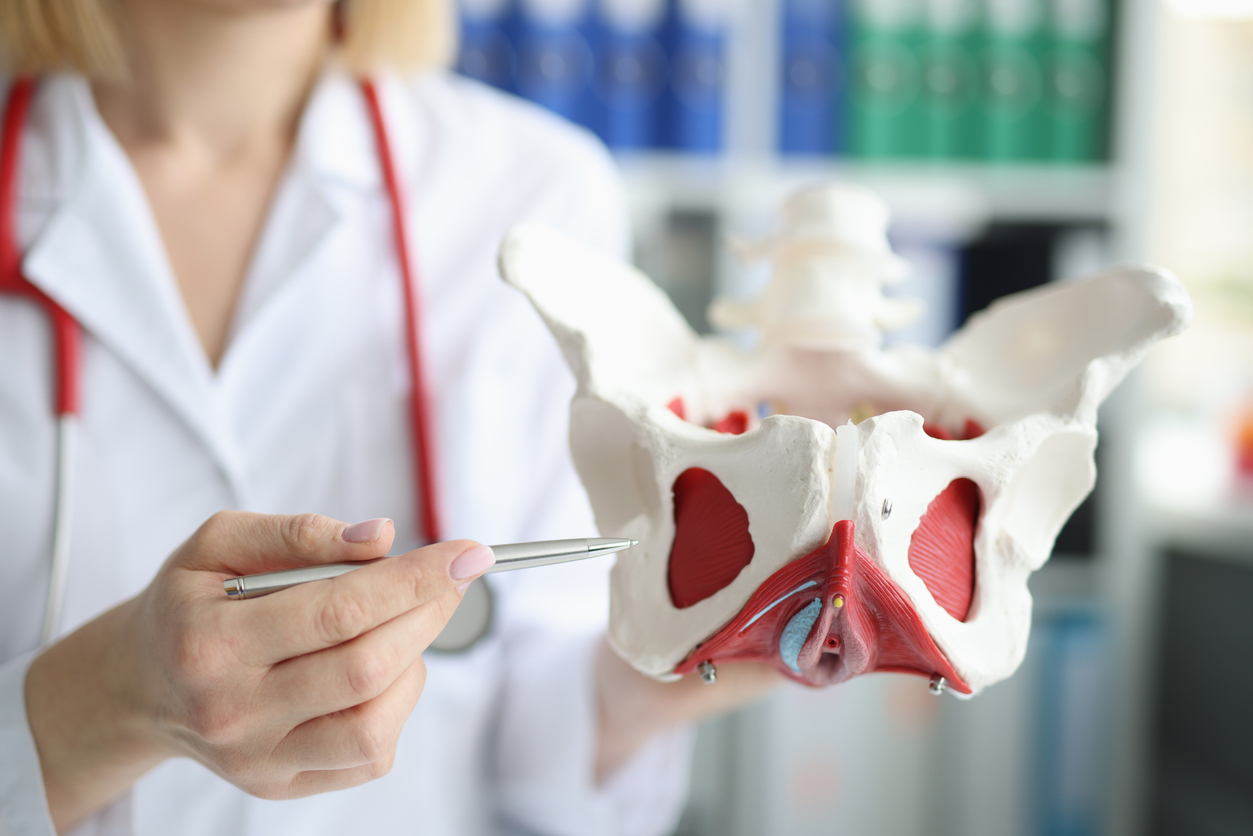
What exactly is vaginismus? Learn its symptoms, causes, treatments, and exercises from pelvic floor physical therapists.
Read more
Learn the benefits of deep squats, how to do them safely, and physical therapist–recommended tips and stretches to improve mobility and strength.
Read more