Over 1 Million members trust Hinge Health, a digital clinic that provides access to virtual physical therapy, to address their joint and muscle pain.
Reduction in member pain
of licensed physical therapists and health coaches
Average star rating of the Hinge Health mobile app
Bailey JF, et al. Digital Care for Chronic Musculoskeletal Pain: 10,000 Participant Longitudinal Cohort Study. J Med Internet Res 2020;22(5):e18250.
Key Takeaways
Pain behind the knee is common and usually not serious. It’s often caused by muscle strain, overuse, or conditions like arthritis or bursitis.
Staying active can help relieve back of knee pain. Regular movement supports the muscles around your knee, improves flexibility, and reduces stiffness.
Targeted stretches and strengthening exercises, like squats, calf raises, and standing hamstring curls, can help reduce pain and improve movement (see videos below).
Hinge Health offers virtual physical therapy and more to help manage knee pain. Learn more.
Learn what can cause pain behind the knee, plus effective ways to prevent and treat back of knee pain, including at-home exercises.
Available at $0 cost to many members
Your knee is one of the hardest-working joints in your body. Thank your knee for your ability to bend, straighten, and rotate — the motions you need to walk, climb stairs, sit, stand, squat, dance, and do just about any activity you can think of. But because of its active role in your movement, the knee can be prone to pain.
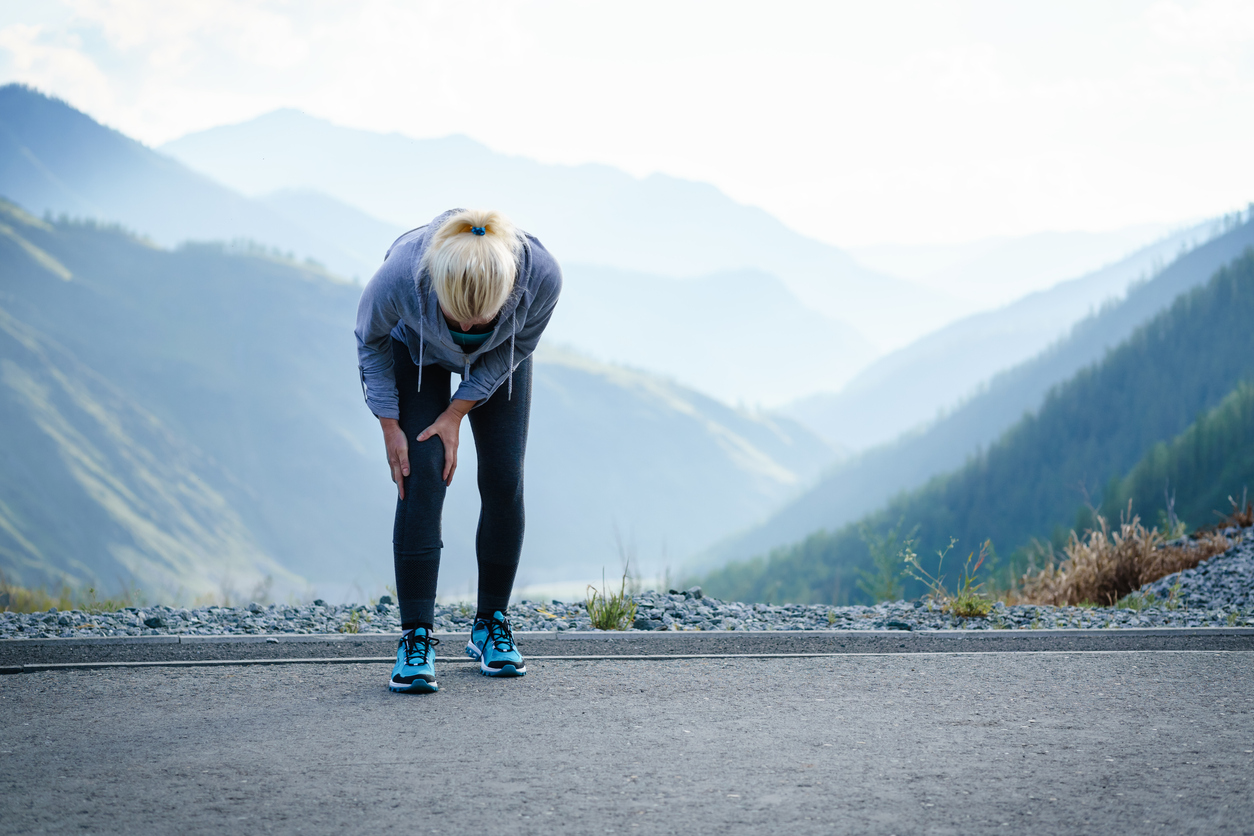
Most knee pain isn’t serious and heals with at-home treatments, but occasionally it signals a knee injury or issue. Pain in the back of the knee is common and can be associated with many of the typical problems people experience with their knees.
Here are the most common causes of pain and tightness behind the knee, when to see a doctor, and how to treat it. Plus, learn effective ways to prevent knee pain from hurting your stride in the future by following simple lifestyle changes and at-home exercises from Hinge Health physical therapists.
Reviewed by our clinical and medical experts

Dr. Lee is a board-certified orthopedic surgeon and a former Associate Medical Director at Hinge Health.
Jonathan Lee, MD, MBA
Orthopedic Surgeon and Medical Reviewer

Dr. Peterson is a former Hinge Health physical therapist with a focus on developing clinical exercise therapy programs and member education.
Dylan Peterson, PT, DPT
Physical Therapist and Clinical Reviewer

Fully covered knee pain relief
Find relief from knee pain, knee locking, stiff knees, & more.
What causes pain in the back of the knee?
Knee pain is most commonly caused by low-grade, non-severe issues like muscle strain, says Mary Kimbrough, PT, DPT, a physical therapist at Hinge Health. Here are other causes of knee pain that could lead to pain in the back of the knee.
Overworked muscles. When your muscles work harder than usual, they become stronger and more resilient. But sometimes, if you do too much too often, you can overdo it. The hamstring, the calf, and a small stabilizing muscle known as the popliteus muscle are top sources of muscle strain behind the knee, resulting in an aching, tender feeling.
Runner's knee. Patellofemoral pain syndrome, or runner’s knee, is one of the most common overuse injuries affecting the knee. It feels like a dull ache behind or around the kneecap (patella) that gets worse with movement or prolonged sitting.
Ligament injuries. Ligaments are thick, fibrous tissues that connect your bones to each other. The PCL (posterior cruciate ligament) is a common culprit in pain behind the knee. The PCL works with its cousin the ACL (anterior cruciate ligament) to keep the knee stable during front-to-back motion. PCL tendons may be injured if the knee suffers a significant blow while bent.
Osteoarthritis. The cartilage that cushions your knee naturally changes as you age, which can lead to pain, stiffness, and tightness behind the knee. One study found the back of the knee was one of the top pain zones for knee osteoarthritis.
Meniscus tear. The meniscus is a rubbery C-shaped disc of cartilage that helps to cushion your knee joint — you have two in each knee. When you tear this particular piece of cartilage, it’s called a torn meniscus. This can be the result of an injury or normal, age-related changes that can happen to cartilage, leading to pain, stiffness, and a sense of the knee catching or locking.
Bursitis. Knee bursitis occurs when a bursa in your knee becomes irritated or inflamed, causing pain that can limit mobility. These fluid-filled sacs in your knee joint act like tiny pillows to reduce friction and cushion bones, tendons, and muscles, which helps you bend and straighten your knees. Sometimes inflammatory diseases such as rheumatoid arthritis and gout can affect the bursae in the knee, causing bursitis.
Baker’s cyst. If there’s been swelling in the knee, it will sometimes collect as a fluid-filled cyst. “You might touch the back of your knee and notice a little bump or firm nodule, which is causing discomfort,” says Dr. Kimbrough. Baker’s cysts are common and often occur when another irritating condition, like osteoarthritis, is present.
Treatments for Pain in the Back of the Knee
Knee pain often gets better on its own or with active pain treatment methods like exercise, movement, and physical therapy. Effective treatment options include:
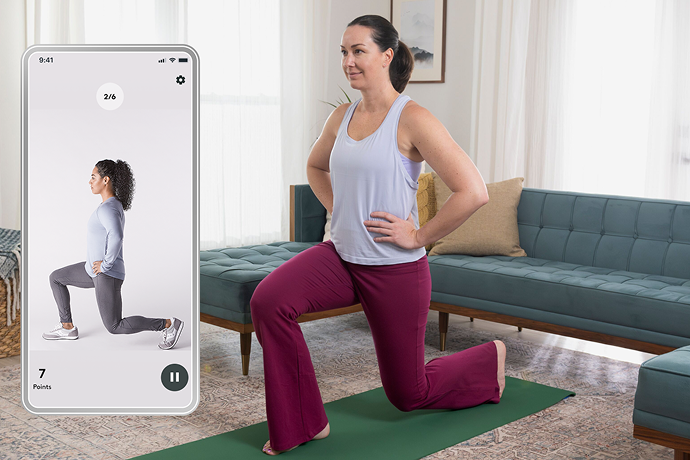
Physical therapy. A physical therapist (PT) can design customized exercises to improve strength, flexibility, and mobility where you need it. Physical therapy exercises typically target the injured area (the knee), as well as structures that support it from above and below, like the hip and ankle. You can see a physical therapist in person or use a program like Hinge Health to access a PT via telehealth/video visit.
Activity modification. If you’re experiencing an uptick in acute knee pain, avoid putting weight on the knee or moving around more than necessary. But remember that healing happens mostly from moving, not resting. Physical movement helps your joint heal, so ease back into your routine as soon as you can, advises Dr. Kimbrough.
Ice or heat therapy. Apply cold packs for 20 minutes several times a day to help ease discomfort and swelling. While ice tends to be better for acute injuries, ice or heat is okay depending on your preference.
Taping. Athletes recovering from runner’s knee experienced less pain while stepping down when athletic tape was applied above and below the knee, forming a supportive “X” behind the knee, according to one study. A physical therapist can help you determine if taping is right for your knee pain.
Take over-the-counter (OTC) medication. Pain relievers such as ibuprofen (Advil, Motrin), naproxen (Aleve), and acetaminophen (Tylenol) can be helpful for pain in the back of the knee. It’s important to make sure that you are safely able to take these medications, based on your medical history.
Surgery. Some treatments for serious injuries, like an ACL or meniscus tear, may involve surgery.
Knee Pain: A Hinge Health Perspective
We know knee pain can feel scary and debilitating. If there’s one thing we want you to know, it’s this: There are always things you can do to get back to doing what you love and get pain relief.
You may have some muscle strain. You may have arthritis or ligament or meniscus injuries. You'll read about these possible causes below but remember: No matter what's involved in your knee pain, you're not stuck. Your condition is not impossible to change. How do we know this? Studies show that less than 50% of people with osteoarthritis on X-rays have knee pain. Same goes for a majority of people who had meniscus tears on an MRI: They didn’t have any pain, stiffness, or aching.
This means your imaging findings do not always correlate with your symptoms. It's a possible contribution to your pain, but it's often not the only factor. You may not be able to control every issue involved in your knee pain, but you do have the power to change some important things. You can always do something to improve your knee pain, and that often starts with moving more. As our Hinge Health care team says, movement is medicine.
Knee strengthening exercises
This move strengthens the structures that support the knee from above and below. It works the hips, the glute muscles (in the back of the hips), and the front thigh muscles (the quadriceps).
Want expert care?
Check if you're covered for our free programTo prevent pain behind your knee, it’s a good idea to build muscle strength in your legs. The exercises above can help. “I recommend doing these two to three times per week to see how your body reacts,” says Dr. Kimbrough. “Gradually increase to doing them daily as tolerated. Let symptoms be your guide. Some discomfort is okay, but if pain increases or worsens, talk to your provider before going any further.” If you’re concerned about knee pain or have any issues under our “When to See a Doctor” section (below), see a healthcare provider before getting started.
The information contained in these videos is intended to be used for educational purposes only and does not constitute medical advice or treatment for any specific condition. Hinge Health is not your healthcare provider and is not responsible for any injury sustained or exacerbated by your use of or participation in these exercises. Please consult with your healthcare provider with any questions you may have about your medical condition or treatment.
How to prevent back of knee pain
Here are key habits and exercise tips to keep the knee joint strong and healthy.
Protect yourself from falls. If you play an intense or high-contact sport, focus on good training techniques, wearing protective gear (including appropriate footwear), and working on safe surfaces (avoiding wet or icy terrain, for instance) to help reduce the risk of falling and injuring your knee.
Stay active. “Exercise is good for overall health and joint health,” says Dr. Kimbrough. “Just staying physically active can prevent knee problems.” The American College of Sports Medicine recommends 150 minutes of moderate-intensity aerobic activity a week (for example, 30 minutes a day, five days a week). Aim for a mix of cardio, strength training, and stretching. Strong, flexible muscles can help prevent overuse injuries.
Take frequent breaks throughout the day. Avoid sitting or standing in any one position for too long. “Take microbreaks — say, every 30 minutes to an hour you stand up, stretch, or walk to get a glass of water,” says Dr. Kimbrough. “Just do something to break up staying in one position for a long period of time.”
Reach or maintain a healthy weight. A study of more than 8,000 adults found a strong association between knee pain and weight gain. But the upside is that losing 10% of body weight has also been found to improve pain and function in people who are overweight or obese and have knee osteoarthritis.
When to see a doctor
Most knee pain involves muscle strains or injuries that heal with conservative care. But if you’ve had a traumatic blow to the knee or have a structural issue like a ligament tear, you’ll need a doctor’s guidance. See a healthcare professional if you notice any of the following:
Inability to bend your knee back all the way
A feeling of catching or locking in the knee
A high level of pain or very sharp pain
Episodes of your knee “giving out” on you
You don’t feel safe or stable standing on or moving your leg
You’re limping or cannot walk normally
Swelling around the knee
Pain does not improve with at-home treatments
PT tip: Do ‘deskercise’ for flexibility
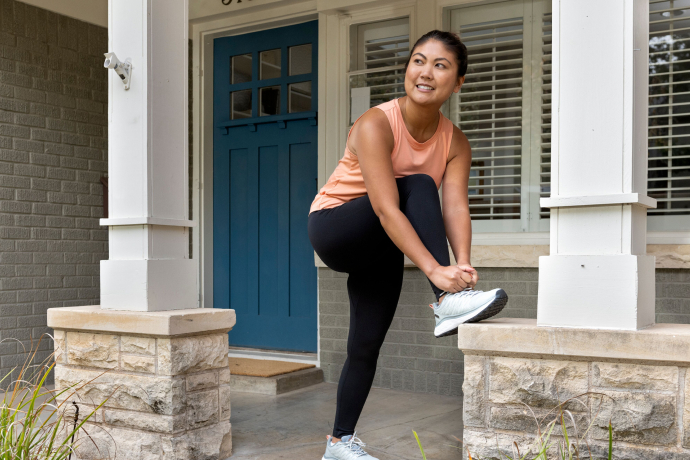
The hamstring muscles in the back of your thighs connect to the back of the knee. Sitting all day for your job can make the hamstrings tight and less flexible, contributing to pain, says Dr. Kimbrough. For a quick stretch, do leg kicks while seated. From a seated position, kick your leg straight out and hold it for 10 seconds. This stretches and lengthens the hamstring. Do this, alternating legs, as part of the posture breaks that we recommend you take every 45 minutes or so to break up long periods of sitting.
💡Did you know?
Physical therapy (PT) is for more than just recovering from surgery or injury. It’s one of the top treatments for joint and muscle pain. It helps build strength, improve mobility, and reduce pain. And it doesn't always need to be in person.
Hinge Health members can conveniently access customized plans or chat with their care team at home or on the go — and experience an average 68% reduction in pain* within the first 12 weeks of their program. Learn more*.
How Hinge Health can help you
If you have joint or muscle pain that makes it hard to move, you can get the relief you’ve been looking for with Hinge Health’s online exercise therapy program.
The best part: You don’t have to leave your home because our program is digital. That means you can easily get the care you need through our app, when and where it works for you.
Through our program, you’ll have access to therapeutic exercises and stretches for your condition. Additionally, you’ll have a personal care team to guide, support, and tailor our program to you.
See if you qualify for Hinge Health and confirm free coverage through your employer or benefit plan here.
This article and its contents are provided for educational and informational purposes only and do not constitute medical advice or professional services specific to you or your medical condition.
What Hinge Health Members Are Saying
"I am really grateful for this program and how accessible it is. I've been wanting to work on my knees for some time now but couldn't allocate time or resources to go to physical therapy. This has been really nice to have exercises I can do conveniently in my home with the support of the Hinge Health team."
Read more member reviews
Frequently Asked Questions
As the children’s teaching song goes, the knee bone connects to the thigh bone, which connects to the hip bone, which connects to the back bone. The song is a catchy way to explain the very real concept that our body parts are interdependent and work together. That means pain in one area can be related to what’s happening in seemingly distant parts. One 2019 study of almost 5,000 adults over age 50 found that those who experienced low back pain were 1.6 times more likely to develop new knee pain within five years. Why? One theory says that people who have back pain adjust their movements so that other weight-bearing joints like the knee carry more load in their daily activities, creating a domino effect of strain. Another well-known connection between knee and back pain is the sciatic nerve, which originates in the lower spine and travels down the back of the leg. If you have sciatica, pain from irritated nerves in the lower back can travel down to the knee or beyond.
Most cases of knee pain stem from overuse or repetitive-use injuries like muscle strains or tendinitis that heal with at-home treatment. But there’s more reason to be concerned if you have signs of structural injuries. If you feel a locking or popping sensation in the knee, or burning or tingling pain that travels to other areas, or if you can’t fully bend your knee, see a healthcare provider. If your pain continues to get worse with normal activity, you could have a condition like osteoarthritis, which benefits from holistic treatment like regular physical activity and other lifestyle changes. Get evaluated if your knee pain began after any kind of trauma or impact, like a fall or an intense sports game. If your pain is severe or your leg feels unstable at times, see a healthcare provider as soon as possible.
Looking for pain relief? Check if your employer or health plan covers our program.
Join more than 1.2 million members and over 2,800 companies that trust Hinge Health to get relief.
Related articles
Learn what causes back pain after a hysterectomy and how movement, physical therapy, and gentle exercises can help relieve discomfort.
Read more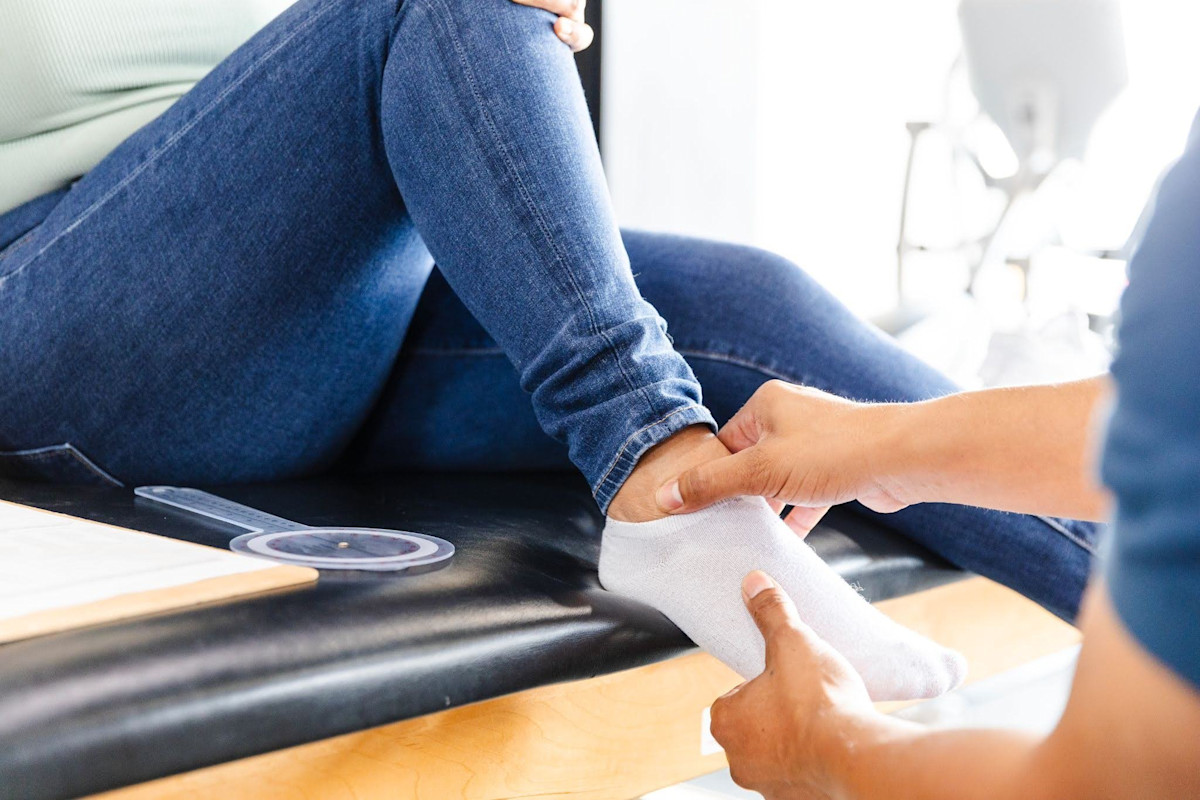
Struggling to explain your foot pain at appointments? A physical therapist shares exactly what to say, and why it leads to faster, better relief.
Read more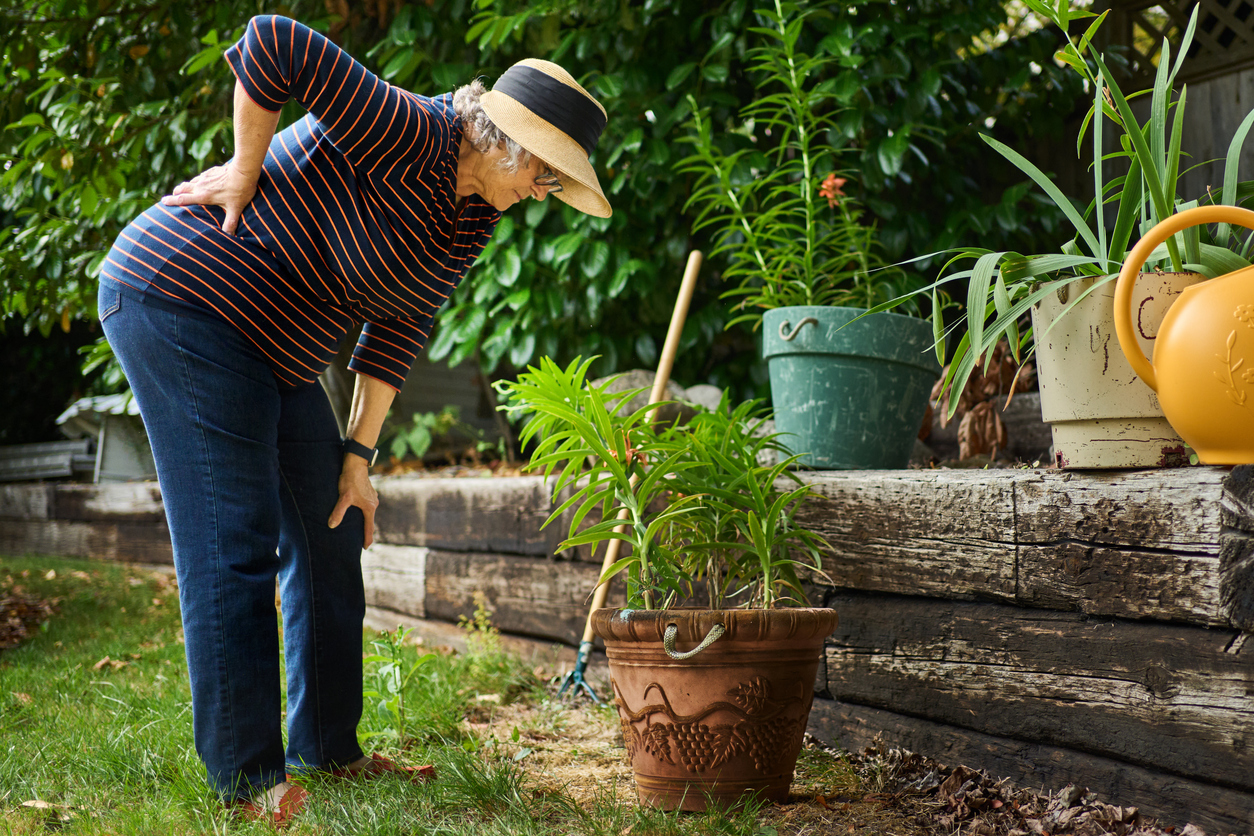
Learn about vertebrogenic low back pain, its symptoms, and how targeted exercises and at-home treatments can help you manage discomfort.
Read more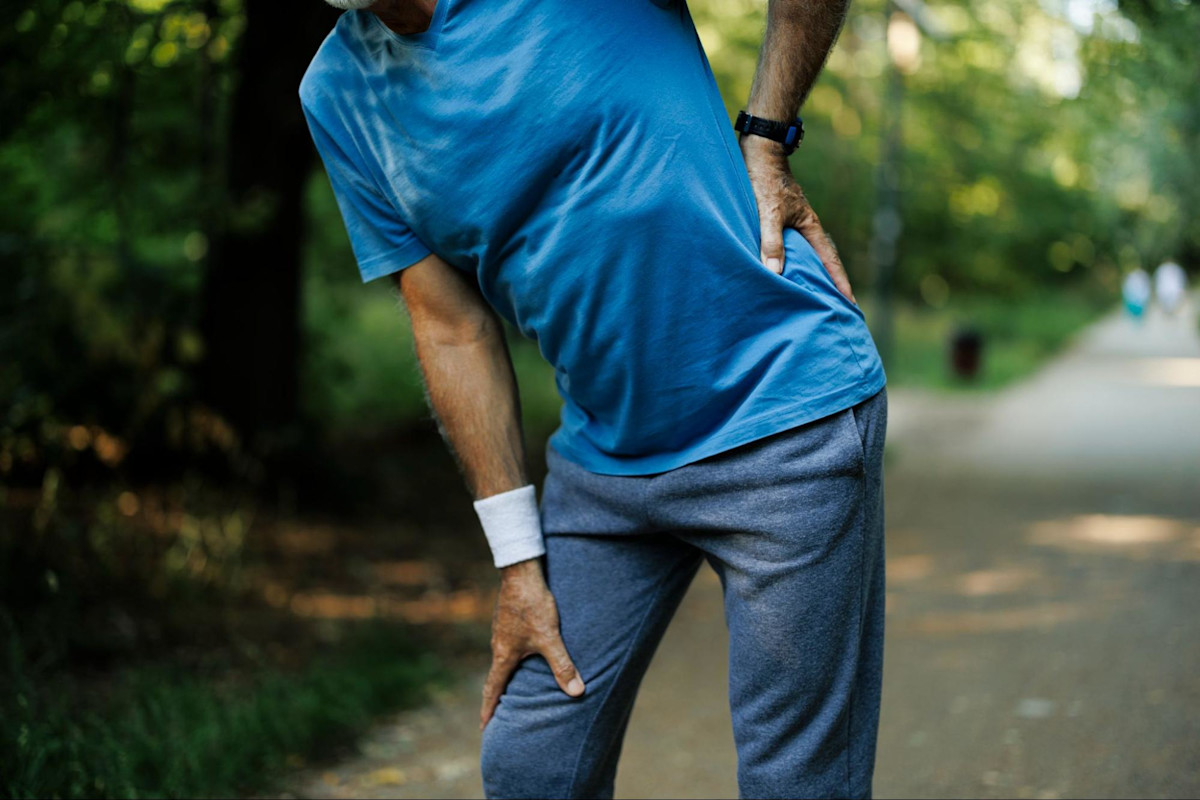
Learn about referred and radiating pain. Discover possible causes, strategies to manage, and how movement and physical therapy can bring relief.
Read more
Learn more about what causes patellofemoral pain syndrome and what exercises can help provide relief for this common form of knee pain.
Read more
Bone-on-bone knee pain doesn’t always mean surgery. Learn what it feels like, why it happens, and how movement can help reduce pain and improve function.
Read moreReferences
- 1Griffith, R. L. (2020, November). Baker’s Cyst (Popliteal Cyst). OrthoInfo - American Academy of Orthopaedic Surgeons. https://www.orthoinfo.org/en/diseases--conditions/bakers-cyst-popliteal-cyst/
- 2Bump, J. M., & Lewis, L. (2022). Patellofemoral Syndrome. PubMed; StatPearls Publishing. http://www.ncbi.nlm.nih.gov/books/NBK557657/
- 3Choi, S., Nah, S., Jang, H.-D., Cheon, S.-H., Moon, J.-E., & Han, S. (2021). Nationwide Cross-Sectional Study of the Association between Knee Pain and Weight Change: Analysis of the Korea National Health and Nutrition Examination Survey (KNHANES 2013–2015). International Journal of Environmental Research and Public Health, 18(10), 5185. doi:10.3390/ijerph18105185
- 4Mulcahey, M. K. (2022, February). Common Knee Injuries. OrthoInfo - American Academy of Orthopaedic Surgeons. https://www.orthoinfo.org/en/diseases--conditions/common-knee-injuries/
- 5English, S., & Perret, D. (2010). Posterior knee pain. Current Reviews in Musculoskeletal Medicine, 3(1–4), 3–10. doi:10.1007/s12178-010-9057-4
- 6Fernandes, G. S., Sarmanova, A., Warner, S., Harvey, H., Akin-Akinyosoye, K., Richardson, H., Frowd, N., Marshall, L., Stocks, J., Hall, M., Valdes, A. M., Walsh, D., Zhang, W., & Doherty, M. (2017). Knee pain and related health in the community study (KPIC): A cohort study protocol. BMC Musculoskeletal Disorders, 18, 404. doi:10.1186/s12891-017-1761-4
- 7Ito, H., Tominari, S., Tabara, Y., Nakayama, T., Furu, M., Kawata, T., Azukizawa, M., Setoh, K., Kawaguchi, T., Matsuda, F., Matsuda, S., Tabara, Y., Kawaguchi, T., Setoh, K., Takahashi, Y., Kosugi, S., Nakayama, T., Matsuda, F., & on behalf of the Nagahama Study group. (2019). Low back pain precedes the development of new knee pain in the elderly population; a novel predictive score from a longitudinal cohort study. Arthritis Research & Therapy, 21(1), 98. doi:10.1186/s13075-019-1884-0
- 8Lim, E., Kim, M., Kim, S., & Park, K. (2020). Effects of Posterior X Taping on Movement Quality and Knee Pain Intensity during Forward-Step-Down in Patients with Patellofemoral Pain Syndrome. Journal of Sports Science & Medicine, 19(1), 224–230.
- 9Alaia, M. J. & Wilkerson, R. (2021, March). Meniscus Tears. OrthoInfo - American Academy of Orthopaedic Surgeons. https://www.orthoinfo.org/en/diseases--conditions/meniscus-tears/
- 10Messier, S. P., Resnik, A. E., Beavers, D. P., Mihalko, S. L., Miller, G. D., Nicklas, B. J., DeVita, P., Hunter, D. J., Lyles, M. F., Eckstein, F., Guermazi, A., & Loeser, R. F. (2018). Intentional Weight Loss for Overweight and Obese Knee Osteoarthritis Patients: Is More Better? Arthritis Care & Research, 70(11), 1569–1575. doi:10.1002/acr.23608
- 11Mulcahey, M. K., Hettrich, C. M., & Liechti, D. (2020, October). Patellofemoral Pain Syndrome. OrthoInfo - American Academy of Orthopaedic Surgeons. https://www.orthoinfo.org/en/diseases--conditions/patellofemoral-pain-syndrome/
- 12American College of Sports Medicine. (2022). Physical Activity Guidelines Resources. ACSM_CMS. https://www.acsm.org/education-resources/trending-topics-resources/physical-activity-guidelines
- 13Tateuchi, H. (2019). Gait- and postural-alignment-related prognostic factors for hip and knee osteoarthritis: Toward the prevention of osteoarthritis progression. Physical Therapy Research, 22(1), 31–37. doi:10.1298/ptr.R0003
- 14Foran, J. R. H. (2020, June). Total Knee Replacement. OrthoInfo - American Academy of Orthopaedic Surgeons. https://www.orthoinfo.org/en/treatment/total-knee-replacement/
- 15Van Ginckel, A., Bennell, K. L., Campbell, P. K., Wrigley, T. V., Hunter, D. J., & Hinman, R. S. (2016). Location of knee pain in medial knee osteoarthritis: Patterns and associations with self-reported clinical symptoms. Osteoarthritis and Cartilage, 24(7), 1135–1142. doi:10.1016/j.joca.2016.01.986
- 16Sheth, N. P. (2022, April). Osteoarthritis. OrthoInfo - American Academy of Orthopaedic Surgeons. https://www.orthoinfo.org/en/diseases--conditions/osteoarthritis
- 17Bedson, J., & Croft, P. R. (2008). The discordance between clinical and radiographic knee osteoarthritis: a systematic search and summary of the literature. BMC Musculoskeletal Disorders, 9, 116. doi: 10.1186/1471-2474-9-116
- 18Englund, M., Guermazi, A., Gale, D., Hunter, D. J., Aliabadi, P., Clancy, M., & Felson, D. T. (2008). Incidental Meniscal Findings on Knee MRI in Middle-Aged and Elderly Persons. New England Journal of Medicine, 359(11), 1108–1115. doi: 10.1056/NEJMoa0800777