Over 1 Million members trust Hinge Health, a digital clinic that provides access to virtual physical therapy, to address their joint and muscle pain.
Réduction de la douleur du membre
de physiothérapeute agréée et entraîneur en santé
Note moyenne en étoiles de l’application mobile Hinge Health
Bailey JF, et al. numérique Care for chronique musculosquelettique douleur : étude longitudinale de cohorte de 10 000 participants. J Med Internet Res 2020; 22(5) : e18250.
Joint pain during pregnancy can be uncomfortable and restricting. Find out what exercises Hinge Health physical therapists recommend for relief.
Available at $0 cost to many members
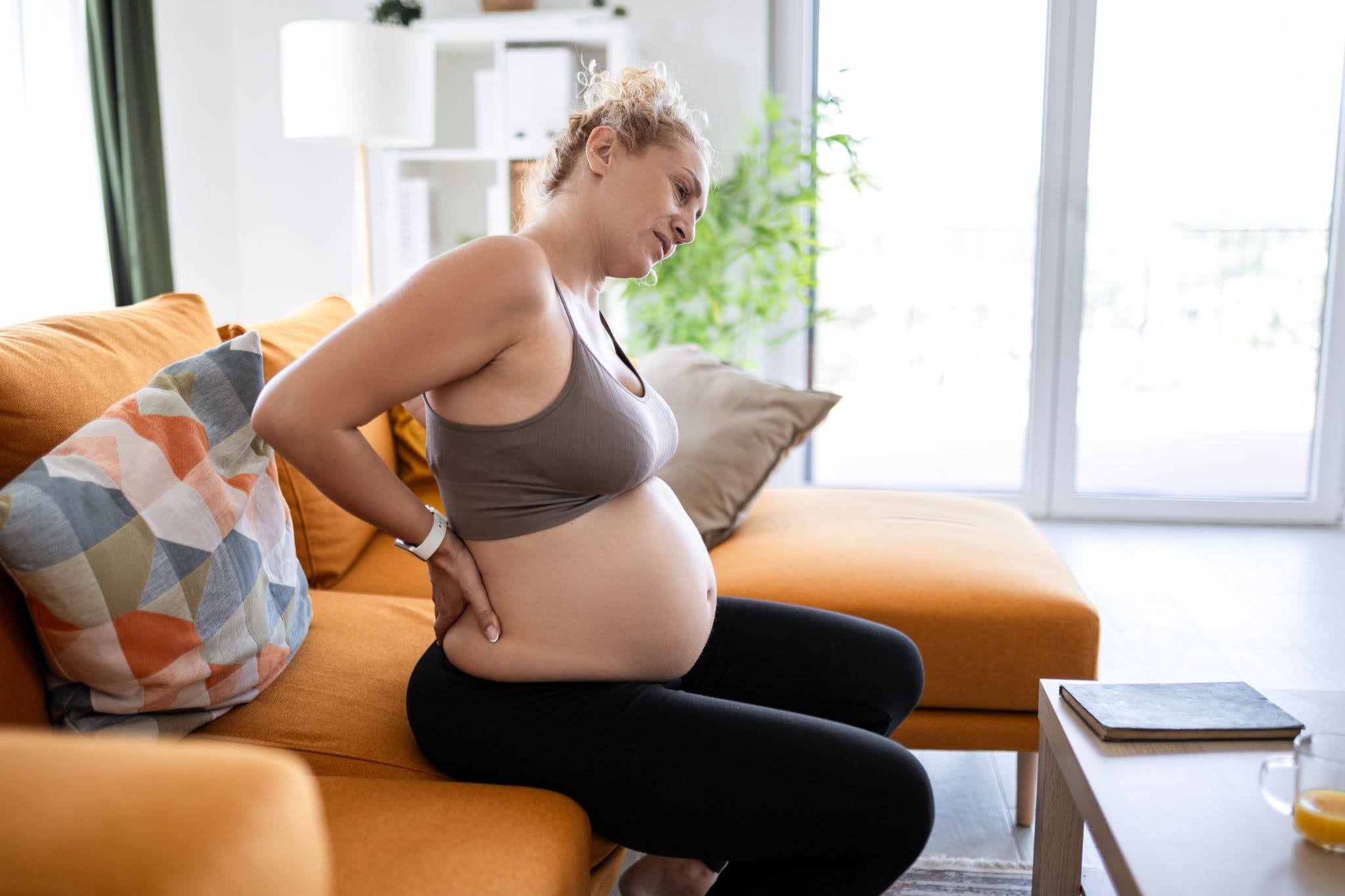
During pregnancy, your body goes through a lot of changes. Your belly grows, your posture shifts, and you may deal with symptoms such as nausea, swelling, and fatigue. But one thing you may also begin to notice is that your joints ache, too.
“Joint pain during pregnancy is extremely common,” says Karina Marquez, PT, DPT, a physical therapist with Hinge Health. “Some of it is due to hormonal changes that affect your ligaments, and some is simply from carrying extra weight.”
While joint pain often shows up in the hips, pelvis, and lower back, it can affect other areas too — including your knees, wrists, and ankles.
But there’s so much you can do to feel better during each trimester. Here, learn more about what causes joint pain during pregnancy, as well as how to treat it — especially with targeted exercises recommended by Hinge Health physical therapists.
Reviewed by our clinical and medical experts


Fully Covered Pelvic Care
Find relief from pelvic pain, leakage, muscle weakness, & more.
Causes of Joint Pain During Pregnancy
Joint pain during pregnancy can happen for several reasons, including weight gain, increased blood volume, relaxed ligaments, and a shifting center of gravity. This pain often becomes more noticeable in the second and third trimesters as your body continues to change. “Joint pain can last for up to a year after you give birth, as your hormones return to normal,” says Dr. Marquez.
Ligament relaxation. During pregnancy, your body produces more of the hormone relaxin, which helps loosen ligaments in preparation for childbirth. “As ligaments become more flexible, joints have less stability and support,” explains Dr. Marquez. This can place extra strain on surrounding muscles and joints.
Increased body weight. Weight gain during pregnancy increases the load on your joints. “More weight means more pressure, especially on weight-bearing joints like your hips, knees, and ankles,” says Dr. Marquez.
A shifting center of gravity. As your belly grows, your posture naturally changes. “Many people lean back slightly to balance the weight in front — sometimes called ‘pregnancy posture,’” says Dr. Marquez. This shift can put added stress on your lower back and other joints, including your hips, knees, ankles, and feet.
Fluid retention. Your blood volume increases significantly during pregnancy, which can lead to swelling — especially in your hands, feet, ankles, and face. This extra fluid can put pressure on nearby joints, contributing to discomfort. Joint pain can continue after delivery, too. “It can take several months — sometimes up to a year — for hormones and tissues to fully return to their pre-pregnancy state,” says Dr. Marquez.
Common areas for pregnancy-related joint pain
When you’re pregnant, you’ll probably experience aches and pains all over. But when it comes to joint pain, here are the spots where you’re most likely to notice it:
Pelvis and hips. Up to 70% of women experience pelvic girdle pain during pregnancy, especially in the late stages. “This area takes on a lot of the load as your baby grows,” says Dr. Marquez. Hormonal changes also cause the joints and ligaments in your pelvis to loosen to prepare for childbirth. While this is necessary, it can make the area feel less stable and more prone to discomfort — especially when walking, standing on one leg, or getting in and out of bed or a car.
Lower back. As your belly grows, your center of gravity shifts forward, often causing you to lean back slightly to stay balanced. This is just one reason why up to 40.5% of pregnant women globally experience back pain. Changes in posture increase pressure on the joints in your lower back. “Your back muscles have to work harder to support your body,” says Dr. Marquez. The result can be stiffness, achiness, or soreness — particularly after long periods of standing or sitting.
Knees. Your knees absorb much of the added load from pregnancy weight gain. Research has long suggested that for every pound you gain, about four pounds of extra pressure is placed on your knee joints. This increased demand, combined with looser ligaments, can make your knees feel achy, especially during activities like walking, climbing stairs, or standing up from a seated position.
Wrists and fingers. Swelling is common during pregnancy, especially in the hands and wrists. This can increase pressure within the joints and surrounding tissues, sometimes leading to stiffness, discomfort, or even tingling and numbness. “Fluid retention can make these smaller joints feel tight and sensitive,” says Dr. Marquez, particularly later in pregnancy or at the end of the day (no matter which trimester you’re in).
Gentle movement for joint pain during pregnancy
When your joints ache, you might think rest is best. And while it’s true you need more rest during pregnancy, in most cases, gentle movement can actually help you feel better.
“Staying active during pregnancy helps support your joints and reduce discomfort,” says Dr. Marquez. That’s because movement improves circulation, reduces stiffness, and helps strengthen the muscles that support your joints.
As your ligaments loosen due to hormonal changes, your muscles take on more of the work to stabilize your body. Gentle exercises can help those muscles stay strong and coordinated, which may ease pressure on sensitive joints.
Movement also helps keep joints from becoming stiff or “locked up,” which can happen if you stay in one position for too long. Even small bursts of activity, like walking around your home or doing a few stretches, can make a noticeable difference.
The key is to keep moving in a way that feels comfortable for you. Good options during pregnancy often include:
Prenatal yoga or stretching
Swimming or water exercise
Exercise therapy
It’s also important to listen to your body. You will likely need to modify movements as your pregnancy progresses, and that’s completely normal. Aim for consistency over intensity — a little bit of movement throughout the day can go a long way in helping you stay comfortable.
If you’re unsure where to start, a physical therapist can guide you through safe, effective exercises tailored to your body and stage of pregnancy.
Stretches to ease joint pain during pregnancy
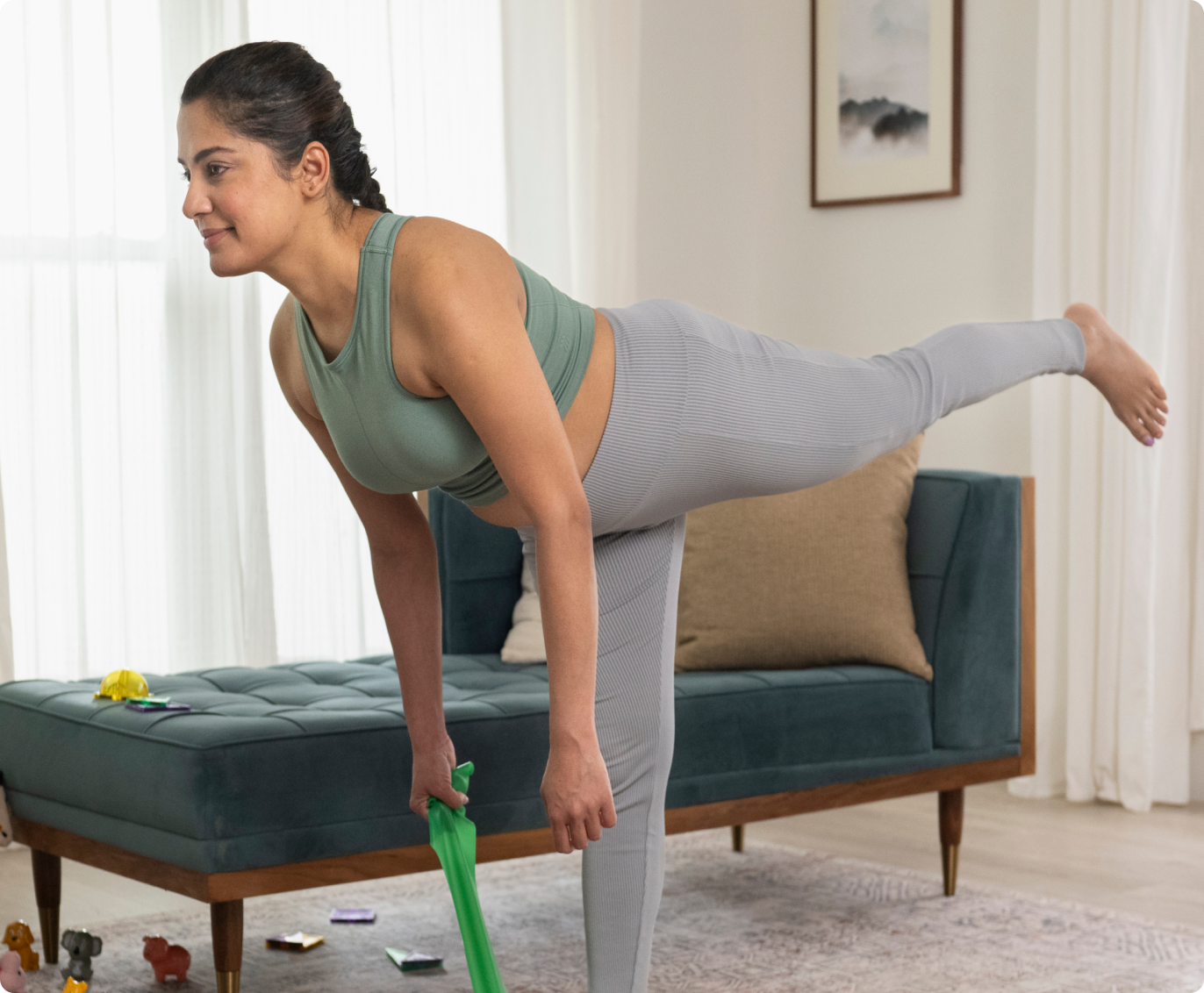
This classic yoga pose encourages gentle movement in your spine, which can ease pressure in your lower back and hips. “It often feels good because gravity allows your belly to relax in this position,” says Dr. Marquez.
Want expert care?
Check if you're covered for our free programDid you know?
Pelvic floor physical therapy is more than just kegel exercises. Various exercises tailored to your symptoms and needs are key to getting relief. Pelvic floor PT can relieve many different pelvic issues, such as pelvic pain, painful sex, and urinary incontinence.
Members of the Hinge Health pelvic health program experience an average 67% reduction in pelvic pain and 54% reduction in urinary incontinence within the first 12 weeks. Learn more*.
The above stretches help relieve tension, improve flexibility, and support better movement patterns during pregnancy. By keeping muscles around your joints more relaxed and mobile, you can reduce strain and make daily activities more comfortable.
The information contained in these videos is intended to be used for educational purposes only and does not constitute medical advice or treatment for any specific condition. Hinge Health is not your healthcare provider and is not responsible for any injury sustained or exacerbated by your use of or participation in these exercises. Please consult with your healthcare provider with any questions you may have about your medical condition or treatment.
Treatments for joint pain during pregnancy
Joint pain during pregnancy can often be managed with a combination of regular exercise, physical therapy, heat or ice, and the use of belly belts. Here’s more on how these approaches can help:
Targeted exercises and physical therapy. Targeted exercises, such as those above, can help ease tension from muscles supporting key joints, such as your hips and knees. You can do exercise therapy at home or work with a physical therapist who can guide you through movements tailored to your needs. You can see a physical therapist in person or use a program like Hinge Health, where you may access a PT via telehealth/video visit.
Stay active. Targeted exercises are designed to help with recovery, but any type of movement — like walking, stretching, or even household chores — can improve blood flow to tender areas. Check with your healthcare provider before starting a new exercise routine or continuing your usual workouts during pregnancy, especially if you have any medical conditions or are at higher risk for pregnancy complications.
Pace your activities. Modify activities that trigger pain. If standing or walking for long periods aggravates your symptoms, break up activity into shorter sessions.
Apply heat or cold therapy. Applying a heating pad, hot water bottle, or taking a warm shower can help increase blood flow and relax tense muscles, providing relief from achy joints during pregnancy. Ice packs may also help reduce inflammation and soothe sore areas. Always avoid placing ice or heat directly on your belly, and check with your OBGYN before using heat therapy to make sure it’s safe for you.
Take over-the-counter (OTC) medication as needed. Acetaminophen (Tylenol) is safe to use for pain relief during pregnancy in most cases, but always check with your provider before you use it. Avoid NSAIDs (non-steroidal anti-inflammatory drugs) like ibuprofen (Advil, Motrin) or naproxen (Aleve), due to risks with these medications during pregnancy.
Try maternity support belts or belly bands. Pregnancy support belts or belly bands can help relieve lower back, hip, and pelvic pain. “They help support the weight of your belly against gravity,” says Dr. Marquez. This added support can reduce strain on your joints and surrounding muscles. Research suggests they may help ease a range of pregnancy-related aches and pains, including joint discomfort.
Use pregnancy pillows. Try using a C- or U-shaped pregnancy pillow to help keep your body supported while you sleep, especially when lying on your side. “These special pillows reduce the amount of effort your body has to make to stay aligned,” says Dr. Marquez, which can ease pressure on your joints and improve comfort overnight.
Try making lifestyle modifications. Factors like sleep, stress, nutrition, and certain activities can all play a role in how you feel. In fact, many people are surprised to learn that pain isn’t just about what’s happening physically — your daily habits and overall well-being can have a real impact, too. Staying curious about how your routines affect your muscles and joints can help you identify where small changes might help reduce pain. For example, you might notice your pain is less noticeable on low-stress days.
Consider complementary treatments. Talk to your provider if you’re interested in trying alternative treatments for joint pain relief during pregnancy, such as massage, acupuncture, or chiropractic care.
PT tip: Stretch before bed
Try gentle stretches right before bed. “The above targeted exercises can help your body relax and improve circulation to achy joints,” says Dr. Marquez. This can make it easier to get comfortable — especially when settling into a side-sleeping position.
How Hinge Health can help you
If you have pelvic pain, bladder, bowel, or other pelvic symptoms that are affecting your quality of life, you can get the relief you've been looking for with Hinge Health’s online exercise therapy program.
The best part: You don’t have to leave your home because our program is digital. That means you can easily get the care you need through our app, when and where it works for you. Through our program, you’ll have access to therapeutic exercises and stretches for your condition. Additionally, you’ll have a personal care team to guide, support, and tailor our program to you.
See if you qualify for Hinge Health and confirm free coverage through your employer or benefit plan here.
This article and its contents are provided for educational and informational purposes only and do not constitute medical advice or professional services specific to you or your medical condition.
Looking for pain relief? Check if your employer or health plan covers our program.
Join more than 1.2 million members and over 2,800 companies that trust Hinge Health to get relief.
Related articles

Ozempic face can lead to more noticeable wrinkles and a sunken appearance after weight loss. Learn what causes it, plus how to treat and prevent it.
Read more
Discover how to improve knee health and stay mobile with tips and exercises recommended by physical therapists.
Read more
Learn what happens when you sprain your elbow and get tips for treating a sprained elbow, including exercises from our physical therapists.
Read more
Learn how neck pain can contribute to headaches and how to prevent and relieve symptoms, especially with exercises from Hinge Health physical therapists.
Read more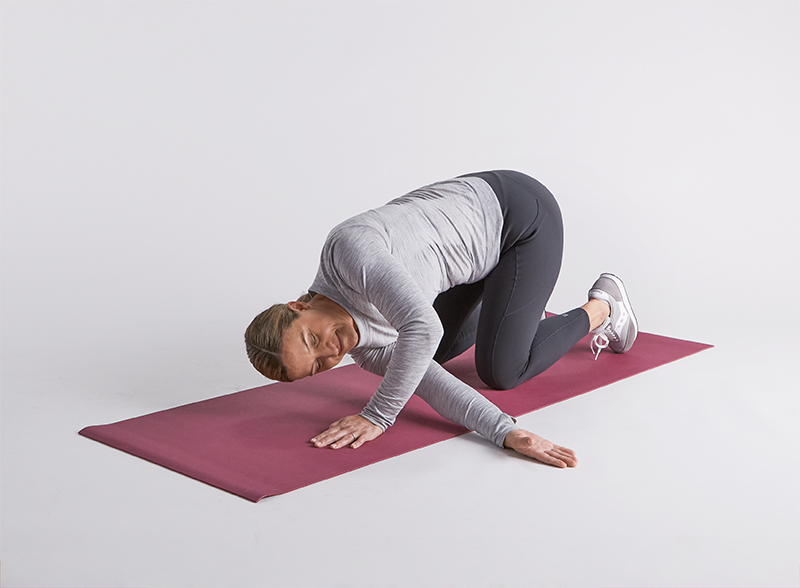
Learn how to do a thread the needle exercise to improve back mobility and shoulder flexibility, plus modifications to make this exercise easier or harder.
Read more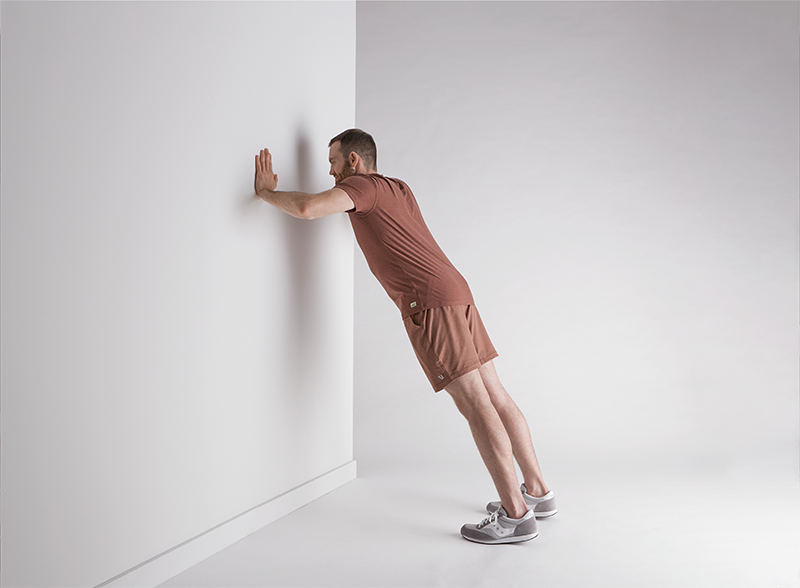
Learn how to do a wall push-up to build upper body strength and core stability, plus modifications to make this exercise easier or harder.
Read moreReferences
- 1Daneau, C., Houle, M., Pasquier, M., Ruchat, S.-M., & Descarreaux, M. (2021). Association Between Pregnancy-Related Hormones and Lumbopelvic Pain Characteristics in Pregnant Women: A Scoping Review. Journal of Manipulative and Physiological Therapeutics, 44(7), 573–583. doi:10.1016/j.jmpt.2021.10.001
- 2Back Pain During Pregnancy. (2020, May). American College of Obstetrics and Gynecology. https://www.acog.org/womens-health/faqs/back-pain-during-pregnancy
- 3Gashaw, M., Gedlu, S., & Janakiraman, B. (2020). Burden of pelvic girdle pain during pregnancy among women attending ante-natal clinic, Ethiopia:a cross-sectional study. BMC Pregnancy and Childbirth, 20(1). doi:10.1186/s12884-020-03184-4
- 4Aguree, S., & Gernand, A. D. (2019). Plasma volume expansion across healthy pregnancy: a systematic review and meta-analysis of longitudinal studies. BMC Pregnancy and Childbirth, 19(1). doi:10.1186/s12884-019-2619-6
- 5Sánchez-Polán, M., Nagpal, T., Zhang, D., Silva-Jose, C., Montejo, R., & Barakat, R. (2023). The Influence of Physical Activity during Pregnancy on Maternal Pain and Discomfort: A Meta-Analysis. Journal of Personalized Medicine, 14(1), 44–44. doi:10.3390/jpm14010044
- 6Quintero Rodriguez, C., & Troynikov, O. (2019). The Effect of Maternity Support Garments on Alleviation of Pains and Discomforts during Pregnancy: A Systematic Review. Journal of Pregnancy, 2019. doi:10.1155/2019/2163790