
Over 1 Million members trust Hinge Health, a digital clinic that provides access to virtual physical therapy, to address their joint and muscle pain.
Reducción del dolor del usuario
de fisioterapeuta titulado y coach de salud
Valoración media de estrellas de la Aplicación móvil Hinge Health
Bailey JF, entre otros. Atención digital para el dolor musculoesquelético crónico: estudio de cohorte longitudinal con 10.000 participantes. J Med Internet Res 2020; 22(5):e18250.
Period flu can cause fatigue, body aches, chills, and nausea before your period. Learn causes, treatments, and exercises for relief.
Available at $0 cost to many members
Feeling bloated, emotional, or crampy before your period is common. But for some people, premenstrual syndrome (PMS) can feel a lot more intense — almost like you’re coming down with the flu. You might feel achy, exhausted, chilled, nauseated, or completely wiped out for a few days every month.
While “period flu” isn’t an official medical diagnosis, the term has become a popular way to describe flu-like symptoms that happen around your menstrual cycle. “There’s a drop in both estrogen and progesterone right before your period, which can trigger inflammation and leave you feeling fatigued and rundown,” says Karina Marquez, a physical therapist with Hinge Health.
But period flu symptoms are temporary, and there are ways to manage them. Gentle movement, adopting sleep hygiene practices, staying hydrated, and doing targeted movements can all help you feel more comfortable during this phase of your cycle.
Here’s what to know about period flu symptoms, including how to alleviate them via holistic strategies such as targeted exercises recommended by Hinge Health physical therapists.
Reviewed by our clinical and medical experts



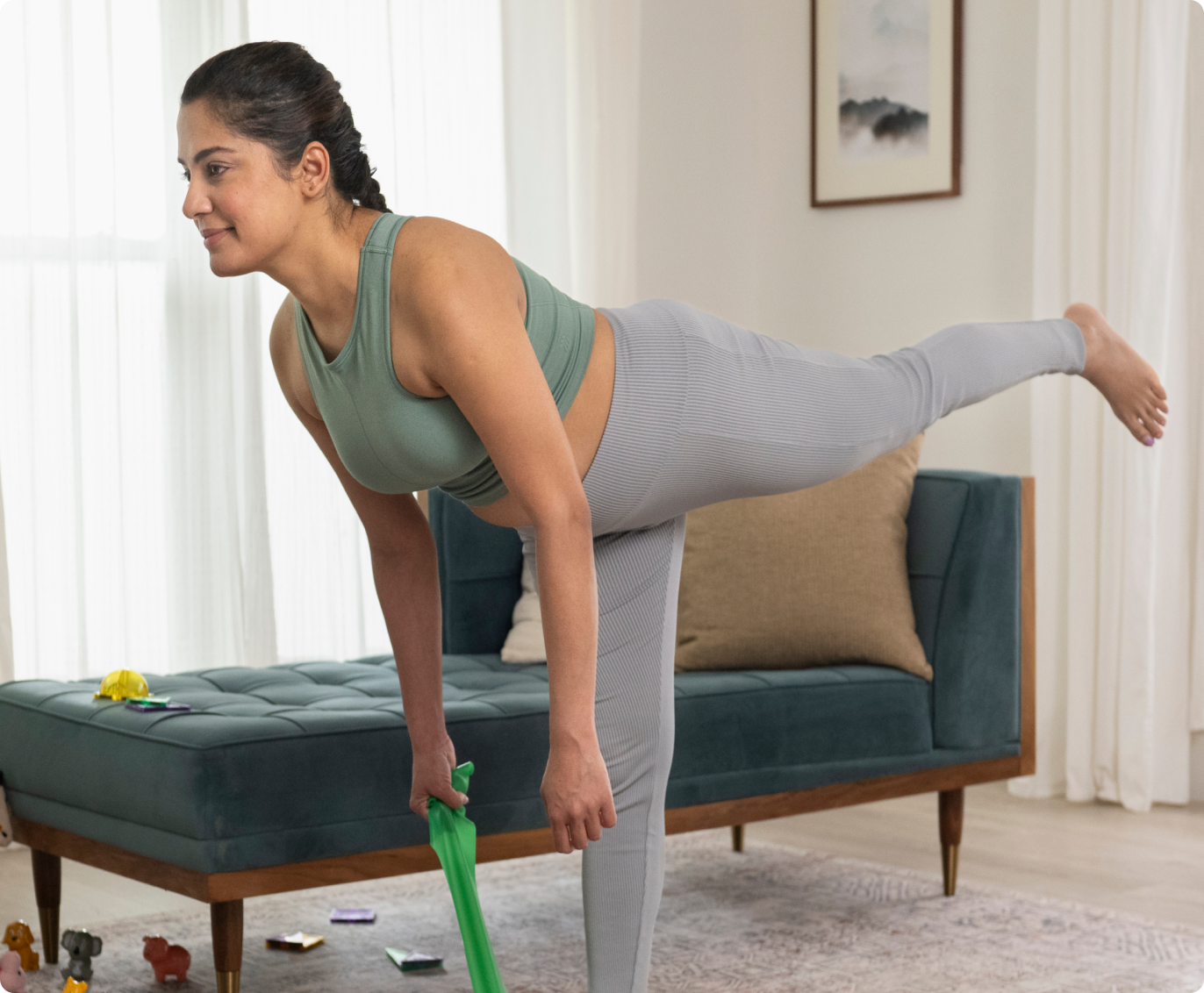
Fully Covered Pelvic Care
Find relief from pelvic pain, leakage, muscle weakness, & more.
What is period flu?
Period flu is a term used to describe flu-like symptoms linked to hormonal changes before or during your period. It’s considered a form of PMS, though symptoms can sometimes feel more intense than typical PMS.
Unlike the actual flu, period flu isn’t caused by a virus or infection. Instead, it’s thought to be related to normal hormonal fluctuations and inflammatory changes that happen during the menstrual cycle.
“Right before your period, estrogen and progesterone levels drop quickly,” explains Dr. Marquez. “That shift can affect inflammation, mood, sleep, and pain sensitivity throughout the body.”
Many people notice symptoms beginning a few days before their period and improving once bleeding starts or shortly afterward.
Causes Of Period Flu
Period flu is most likely related to changes in hormones right before — and during — your period. These can also throw off your sleep, which may make you more irritable and more prone to fatigue, as well as body aches and even a low-grade fever during your period. Here’s a closer look at some potential causes of period flu:
Hormonal shifts. Estrogen and progesterone rise and fall throughout your menstrual cycle. Right before your period, both hormones drop rapidly, which may trigger fatigue, headaches, mood changes, and body aches.
Prostaglandins. Prostaglandins are hormone-like chemicals released from the uterine lining before your period. They help the uterus contract to shed its lining, but they can also increase inflammation throughout the body. “Prostaglandins are one reason many people experience cramps, body aches, digestive symptoms, and even chills during their period,” says Dr. Marquez.
Immune system sensitivity. Inflammation can make your nervous system more sensitive to pain and discomfort. “When inflammation increases in the pelvic region, it can contribute to symptoms like nausea, diarrhea, and body aches,” explains Dr. Marquez.
Drop in serotonin. Serotonin is a brain chemical involved in mood, sleep, and energy regulation. Levels may temporarily decline before your period, contributing to irritability, fatigue, and sleep disturbances.
Stress and poor sleep. Hormonal changes can disrupt sleep quality, which may worsen fatigue, mood swings, and pain sensitivity. High stress can also amplify PMS symptoms.
Co-existing conditions. Conditions like endometriosis and premenstrual dysphoric disorder (PMDD) can make symptoms feel more severe. People with these conditions may experience more intense digestive symptoms, pelvic pain, mood changes, or fatigue around their period.
Period flu symptoms
Period flu symptoms often begin a few days before your period and improve shortly after bleeding starts. Symptoms can vary from person to person, but may include:
Body aches
Fatigue
Sore throat
Headache
Nausea
Diarrhea
Chills or low-grade fever
Mood swings and/or irritability
Sleep problems
Why movement can help period flu
When you feel achy and exhausted, exercise may sound unappealing. But gentle movement can actually help relieve many symptoms associated with period flu.
“Movement increases circulation, improves mood, and helps regulate the nervous system,” says Dr. Marquez. “It can also reduce muscle tension and help ease cramps and body aches.”
Exercise may also help lower inflammation and increase endorphins — natural chemicals that improve mood and reduce pain perception.
The key is choosing movements that feel supportive, not exhausting. Walking, stretching, yoga, and mobility exercises are often especially helpful during this phase of the menstrual cycle.
Exercises for period flu relief
“I recommend this breathing exercise to help calm the nervous system and relax the pelvic floor,” says Dr. Marquez. Deep breathing can also reduce stress and muscle tension throughout your body.
Want expert care?
Check if you're covered for our free programDid you know?
Physical therapy (PT) is for more than just recovering from surgery or injury. It’s one of the top treatments for joint and muscle pain. It helps build strength, improve mobility, and reduce pain. And it doesn't always need to be in person.
Hinge Health members can conveniently access customized plans or chat with their care team at home or on the go — and experience an average 68% reduction in pain* within the first 12 weeks of their program. Learn more*.
Together, these exercises help improve circulation, reduce muscle tension, and calm the nervous system during your period. Gentle stretching and mobility work may also help relieve cramps, back pain, pelvic tension, and the body aches often come with severe PMS or period flu.
The information contained in these videos is intended to be used for educational purposes only and does not constitute medical advice or treatment for any specific condition. Hinge Health is not your healthcare provider and is not responsible for any injury sustained or exacerbated by your use of or participation in these exercises. Please consult with your healthcare provider with any questions you may have about your medical condition or treatment.
Treatments for period flu
Period flu symptoms often ease up as your hormones stabilize. But simple self-care strategies can help ease discomfort as you navigate through it. These approaches include gentle movement, warm compresses, and even focusing on eating anti-inflammatory foods. Consider these physical therapist-recommended treatments:
Gentle movement and stretching. Light activity — such as walking, yoga, or mobility exercises — can improve circulation, reduce fatigue, and ease tension. Research suggests yoga may be especially helpful for PMS-related symptoms.
Rest. Getting enough high-quality sleep can help improve mood, energy, pain tolerance, and stress levels. Sleep is also important for regulating inflammation and helping your body recover during your menstrual cycle. “When you don’t sleep well, your nervous system becomes more sensitive, which can make cramps, body aches, and fatigue feel worse,” says Dr. Marquez. This can create a “pain-sleep cycle,” where pain disrupts sleep, and poor sleep lowers your ability to cope with pain the next day. Prioritizing consistent sleep — ideally seven to nine hours per night — can help break that cycle and reduce period flu symptoms over time.
Hydrate throughout the day. Staying hydrated may help reduce headaches, bloating, fatigue, and muscle aches during your period. Proper hydration also helps keep muscles and joints working smoothly together, which may ease some of the achiness associated with period flu.
Eat anti-inflammatory foods. Some research suggests that eating a diet high in saturated fat, sugar and salt can worsen PMS symptoms, including period flu. Dr. Marquez recommends focusing on an anti-inflammatory diet that’s rich in fruits, veggies, lean proteins, nuts and seeds, and foods rich in omega-3 fatty acids such as fatty fish.
Take over-the-counter (OTC) medication. Pain relievers such as ibuprofen (Advil, Motrin), naproxen (Aleve), and acetaminophen (Tylenol) can help ease pain so you can do your targeted exercises and stay active when you have body aches from period flu. Other options are topical NSAIDs or pain relief creams. If you have a medical condition or take other medications, check in with your provider to make sure these OTC options are safe to take.
Apply warm compresses. Moist heat can help to relieve period-flu-related aches and pains, says Dr. Marquez. It can also relax you, especially before bed, to help you sleep.
Try complementary treatments. Talk to your provider if you’re interested in trying alternative treatments for period flu relief, such as massage, acupuncture, or chiropractic care.
Ask about TENS therapy. TENS, or transcutaneous electrical nerve stimulation, uses gentle pulses to quiet your pain response and help reduce pain associated with period flu. One option is the wearable device Enso, available through Hinge Health. It’s small, wireless, and portable.
How long does period flu last?
It varies from person to person. Some people notice symptoms beginning shortly after ovulation, while others only feel flu-like symptoms a day or two before their period.
Most symptoms improve once your period starts or shortly afterward.
Tracking symptoms with a period app or journal can help you identify patterns over time. “It can be helpful to know when symptoms tend to show up so you can plan ahead with self-care and recovery strategies,” says Dr. Marquez.
For severe PMS or period flu symptoms, healthcare providers may sometimes recommend hormonal birth control to help regulate hormone fluctuations and reduce prostaglandin production.
When to see a doctor
Period flu symptoms are usually temporary and improve as your menstrual cycle progresses but specific timing can vary for each person. Talk with your healthcare provider if you have unanswered questions or experience:
Symptoms severe enough to interfere with work, school, or daily life
Heavy bleeding or severe cramps
Fever greater than 100.4 F
Vomiting or diarrhea that won’t stop
Severe mood changes, depression, or anxiety around your cycle
Pelvic pain outside your menstrual cycle
PT Tip: Listen to your body
“Gentle movement can help improve period flu symptoms, but this isn’t the time to push yourself through intense workouts,” says Dr. Marquez. “If your body feels fatigued, achy, or run down, respect that. Sometimes lighter movement and extra recovery are exactly what your body needs.”
How Hinge Health can help you
If you have pelvic pain, bladder, bowel, or other pelvic symptoms that are affecting your quality of life, you can get the relief you've been looking for with Hinge Health’s online exercise therapy program.
The best part: You don’t have to leave your home because our program is digital. That means you can easily get the care you need through our app, when and where it works for you. Through our program, you’ll have access to therapeutic exercises and stretches for your condition. Additionally, you’ll have a personal care team to guide, support, and tailor our program to you.
See if you qualify for Hinge Health and confirm free coverage through your employer or benefit plan here.
This article and its contents are provided for educational and informational purposes only and do not constitute medical advice or professional services specific to you or your medical condition.
Looking for pain relief? Check if your employer or health plan covers our program.
Join more than 1.2 million members and over 2,800 companies that trust Hinge Health to get relief.
Related articles
Try these physical therapist-backed patellar tendonitis exercises to relieve knee pain, improve flexibility, boost strength, and support your everyday activities.
Read more
Learn about moving meditation, benefits, examples, and how to incorporate it into your routine.
Read more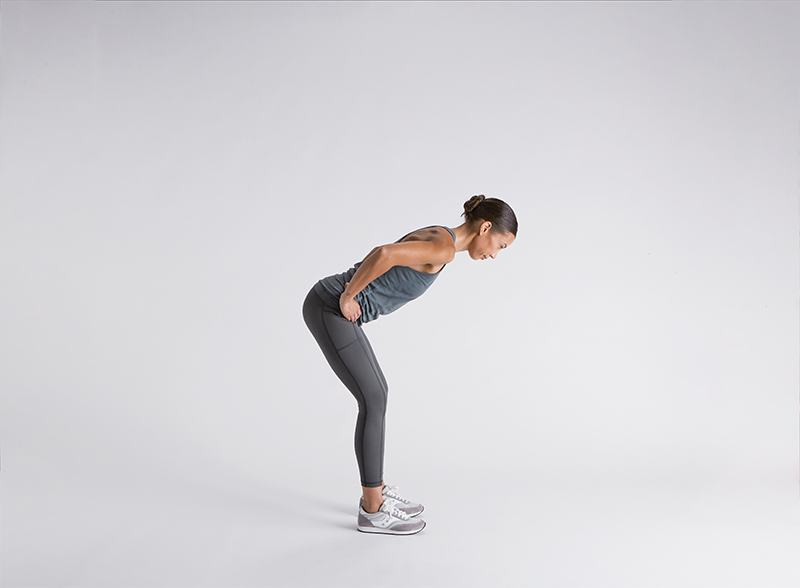
Learn how to do a hip hinge to improve hip strength and core stability, plus modifications to make this exercise easier or harder.
Read more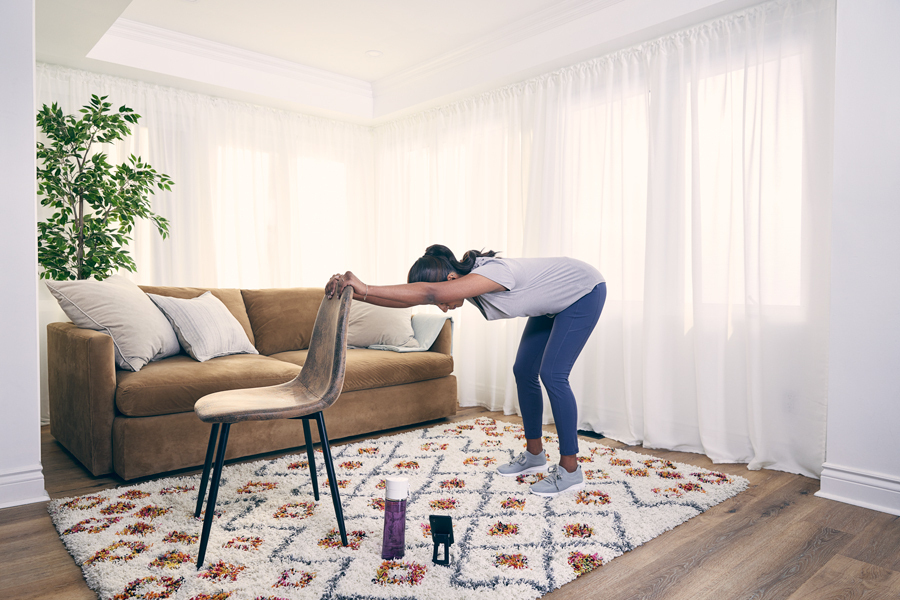
Is it a good idea to stretch before bed? Explore the best stretches to do before bed to help reduce your back pain at night.
Read moreReferences
- 1Liu, Q., Lin, Y., & Zhang, W. (2024). Psychological stress dysfunction in women with premenstrual syndrome. Heliyon, 10(22), e40233. doi:10.1016/j.heliyon.2024.e40233
- 2Mighani, S., Fatemeh Taghizadeh Shivyari, Alireza Razzaghi, Mohammd Amerzadeh, Mehdi Ranjbaran, Mahdi Samavat, & Javadi, M. (2025). Association between sleep quality and premenstrual syndrome in young women in a cross-sectional study. Scientific Reports, 15(1). doi:10.1038/s41598-025-90581-4
- 3Shobeiri, F., Araste, F. E., Ebrahimi, R., Jenabi, E., & Nazari, M. (2017). Effect of calcium on premenstrual syndrome: A double-blind randomized clinical trial. Obstetrics & Gynecology Science, 60(1), 100. doi:10.5468/ogs.2017.60.1.100
- 4Sayma Ayyub, Agrawal, M., Sharma, V., & Arya Aravind. (2024). The Effect of Physical Activity on Premenstrual Syndrome: A Systematic Review. Annals of Neurosciences. doi:10.1177/09727531241297012
- 5Ranga, M., & Dev, K. (2024). The Effect of Yoga Therapy in Premenstrual Syndrome: A Systematic Review and Meta- Analysis of Randomized Controlled Trials. Journal of Obstetrics and Gynaecology Canada, 102579–102579. doi:10.1016/j.jogc.2024.102579
- 6Torkan, B., Mousavi, M., Dehghani, S., Hajipour, L., Sadeghi, N., Ziaei Rad, M., & Montazeri, A. (2021). The role of water intake in the severity of pain and menstrual distress among females suffering from primary dysmenorrhea: a semi-experimental study. BMC Women’s Health, 21(1). doi:10.1186/s12905-021-01184-w
- 7Premenstrual dysphoric disorder: MedlinePlus Medical Encyclopedia. (2016). Medlineplus.gov. https://medlineplus.gov/ency/article/007193.htm
- 8Trivedi, D., Patel, K., & Jain, K. G. (2024). Impact of Stress on Premenstrual Syndrome Among Young Women: A Cross-Sectional Study. Cureus. doi:10.7759/cureus.74622