Tension headaches: why they happen and the exercises and movement that bring relief
Nov 26, 2026

Over 1 Million members trust Hinge Health, a digital clinic that provides access to virtual physical therapy, to address their joint and muscle pain.
Reduction in member pain
of licensed physical therapists and health coaches
Average star rating of the Hinge Health mobile app
Bailey JF, et al. Digital Care for Chronic Musculoskeletal Pain: 10,000 Participant Longitudinal Cohort Study. J Med Internet Res 2020;22(5):e18250.
Learn what causes tension headaches, how to tell them apart from migraines, and the movement, posture, and exercise strategies that bring lasting relief.
Available at $0 cost to many members
A headache can make it hard to concentrate on work, enjoy your favorite activities, or simply get through the day comfortably. Tension headaches are the most common type of headache, affecting millions of people.
The good news? You can do more than take medication to manage your headache symptoms. “Tension headaches typically respond well to increasing movement and posture work,” says Sarah Melear, PT, DPT, a Hinge Health physical therapist.
Here, learn what causes tension headaches, how to tell them apart from migraines, and how to find relief, especially with gentle exercises recommended by Hinge Health physical therapists.
Reviewed by our clinical and medical experts


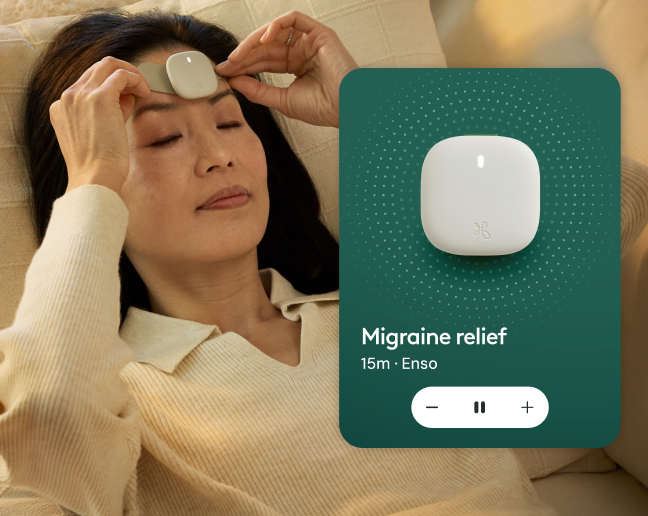
Fully covered migraine care
Find relief from migraine pain and more
What is a tension headache?
A tension headache is a type of headache that commonly causes dull, band-like pressure around the head, sometimes accompanied by tenderness in the neck and shoulder muscles.
Tension headaches can affect the forehead, temples, or back of the head and neck. You may notice symptoms after spending a long time in one position, such as working at a computer, although there’s no single posture that causes tension headaches.
While episodic tension headaches happen fewer than 15 days per month, some people experience chronic tension headaches which occur 15 or more days per month for at least three months.
Symptoms of tension headaches
Tension headaches can range in severity, and symptoms can vary from person to person (and even day to day, for chronic sufferers). Some of the most common symptoms of a tension headache include:
Dull, aching pressure that feels like a tight band around the head
Pain on both sides of the head
Tenderness in the scalp, neck, and shoulder muscles
Mild sensitivity to light or sound
Muscle tightness or muscle knots in the upper back and shoulders
Jaw pain
Differentiating tension headaches from other types of headaches, including migraine, is important. “While tension headaches can interfere with day-to-day functioning, they usually don’t cause severe throbbing, nausea, aura, or symptoms that worsen with activity,” says Dr. Melear.
What causes tension headaches?
Tension headaches often stem from multiple contributing factors, including stress, eye strain, extended forward posture, and muscle tension in your upper body. Triggers can vary from person to person, says Dr. Melear, but common causes include:
Muscle tension in the neck and shoulders
An extended forward-head and shoulder position, such as looking at a computer screen or phone
Physical or emotional stress
Eye strain
Lifestyle contributors, such as poor sleep or dehydration
“Stress can affect your whole body, including your neck,” says Dr. Melear. “Combine that with spending long hours sitting at a desk, and you may notice even more tension and discomfort in your neck muscles.”
Tension headache vs. migraine
Tension headache symptoms can overlap with other types of headaches, including migraine, but there are some key differences.
Tension headaches typically cause mild or moderate dull or pressing pain that often can improve with movement. Migraine, on the other hand, usually leads to severe, throbbing pain that worsens with physical activity. Migraine can also involve nausea, vomiting, and sensitivity to light and sound.
Although they are distinct conditions, migraine and tension headaches can sometimes be connected. “The stress of a tension headache may trigger a migraine in some people, however migraine headaches don’t typically cause tension headaches,” says Dr. Melear.
It’s also possible to experience both types of headaches, which may make it difficult to pinpoint what’s causing your symptoms. Your provider can help sort out whether your symptoms are due to tension headache, migraine, or both and recommend an appropriate treatment plan.
How movement can help tension headaches
Because neck and shoulder discomfort can accompany tension headaches, making time for routine movement snacks may help you feel more comfortable, especially if you’ve been sitting in one position for a while. Small movements like desk stretches or even getting up to fill your water bottle can help improve blood flow to tense areas.
“If you spend a lot of time sitting at a computer or doing activities that leave your shoulders rounded and your head in a forward position, taking regular movement breaks and changing positions can make a big difference in easing neck discomfort,” Dr. Melear says.
There’s no single perfect posture you need to maintain. Instead, changing positions regularly and moving in ways that feel good can give your neck and shoulders a break.
Exercise can also help reduce stress, which can be a key contributor to tension headaches. Whether it’s taking a short walk, stretching, or doing targeted exercises, finding opportunities to move throughout the day may help you manage symptoms and feel more comfortable.
Exercises for tension headache relief
Taking slow, deep breaths can help shift your nervous system into a more relaxed state, reducing the effects of stress that may contribute to tension headaches. “I often suggest doing this while lying down to get the weight off your shoulders,” says Dr. Melear.
Want expert care?
Check if you're covered for our free programDid you know?
Physical therapy (PT) is for more than just recovering from surgery or injury. It’s one of the top treatments for joint and muscle pain. It helps build strength, improve mobility, and reduce pain. And it doesn't always need to be in person.
Hinge Health members can conveniently access customized plans or chat with their care team at home or on the go — and experience an average 68% reduction in pain* within the first 12 weeks of their program. Learn more*.
Together, these exercises can help improve your neck and shoulder mobility, build strength, and ease tension that may accompany headaches. A physical therapist can help you determine which movements feel best for you and adjust them based on your symptoms.
The information contained in these videos is intended to be used for educational purposes only and does not constitute medical advice or treatment for any specific condition. Hinge Health is not your healthcare provider and is not responsible for any injury sustained or exacerbated by your use of or participation in these exercises. Please consult with your healthcare provider with any questions you may have about your medical condition or treatment.
Treatments for tension headaches
There’s so much you can do to ease the impact of tension headaches. From movement and physical therapy to medication and other self-care strategies, several approaches may help reduce the severity and frequency of your headaches. Consider these simple approaches:
Try physical therapy and targeted exercises. Targeted exercises, like the ones above, can help ease tension in your neck and shoulders, which may help reduce how often you get tension headaches. You can do exercise therapy at home or work with a physical therapist who can guide you through movements tailored to your needs. You can see a physical therapist in person or use a program like Hinge Health, where you may access a PT via telehealth/video visit.
Stay active. Any type of gentle movement can reduce your overall stress while promoting mobility in your neck and shoulders. Your workout doesn’t have to be complicated or time-consuming: Even a short walk, bike ride, or some gentle stretching can help.
Apply heat or ice. Applying heat to tense muscles can improve circulation, which may help relieve tension contributing to headaches. Applying ice may help reduce or numb the pain. You can alternate between the two or stick to the method that’s best for you.
Consider over-the-counter (OTC) medication as needed. Pain relievers such as ibuprofen (Advil, Motrin), naproxen (Aleve), and acetaminophen (Tylenol) can help ease pain so you can do your targeted exercises and stay active when you have headache pain. If you have a medical condition or take other medications, check in with your provider to make sure these OTC options are safe to take.
Make certain lifestyle modifications. Factors like sleep, stress, nutrition, and certain activities can all play a role in how you feel. In fact, many people are surprised to learn that pain isn’t just about what’s happening physically — your daily habits and overall well-being can have a real impact, too. Staying curious about how your routines affect your muscles and joints can help you identify where small changes might help reduce pain. For example, you might notice your pain is less noticeable on low-stress days.
Consider complementary treatments. Talk to your provider if you’re interested in trying alternative treatments for headache relief, such as massage, acupuncture, or chiropractic care.
Ask about TENS therapy. TENS, or transcutaneous electrical nerve stimulation, uses gentle pulses to quiet your pain response. While it can’t be applied to your head for tension headaches, it can be used on your neck and shoulders to help ease discomfort. One option is the wearable device Enso, available through Hinge Health. It’s small, wireless, and portable.
How to prevent and manage tension headaches
Managing headaches doesn’t have to be complicated. Simple lifestyle tweaks, from creating an ergonomic workspace and taking movement breaks to managing stress and tracking your headache patterns, can help reduce how often you experience headaches — and how much they interfere with your day.
Make your workspace comfortable. Adjust your screen, chair, and keyboard so you can work comfortably without feeling like you have to hold one position all day. There’s no need to try to maintain a “perfect” posture. The goal is to find positions that feel good and change them regularly.
Take movement breaks. If you sit for long periods, getting up regularly can help your neck and shoulders feel less stiff. “I always recommend patients create a visual reminder to get up and move throughout the day,” says Dr. Melear.
Practice the 20-20-20 rule. If eye strain contributes to your headaches, give your eyes a break: Every 20 minutes, look at something 20 feet away for 20 seconds.
Manage your stress. Stress is a big contributor to tension headaches, so finding ways to unwind may help. Try stretching, deep breathing, journaling, talking to a supportive friend or loved one, or doing a hobby that relaxes you.
Sleep on a regular schedule. Sleep is an important part of stress recovery. When possible, go to bed at the same time each night and wake up around the same time in the morning. “This sense of routine can be soothing to your nervous system and reduce potential triggers,” says Dr. Melear.
Move most days. Regular physical activity can help manage stress and support overall health. Choose activities you enjoy, whether that’s walking, swimming, cycling, or stretching. “Finding a few exercises you enjoy doing can help you maintain consistency,” says Dr. Melear.
Watch for patterns. Keeping track of when headaches occur can help you identify possible triggers. For example, if your headaches tend to crop up after particularly stressful workdays, you might plan movement breaks or relaxation time throughout the day to help stave it off.
When to see a doctor
Tension headaches usually resolve on their own with simple interventions, especially with consistent movement and targeted exercises. But frequent, worsening, or unusual headaches deserve medical attention.
Contact your healthcare provider if you experience:
Headaches more than twice a week or frequent use of pain medication
A change in your usual headache pattern
New headaches after age 50
Headaches that interfere with work, sleep, or everyday activities
Symptoms that aren't improving with treatment
Seek emergency medical care if you experience:
A sudden, severe headache unlike any you've had before
A headache with fever, a stiff neck, or confusion
New weakness, numbness, facial drooping, or difficulty speaking
Sudden vision changes or double vision
A severe headache after a head injury
If you experience new or unusual neurological symptoms, don’t assume they’re caused by a tension headache. A healthcare provider can help determine what’s going on.
PT tip: Prioritize movement snacks
If you work at a desk, try getting up about every 30 minutes, or whenever you can, to give your body a chance to change positions and move. “Whether you take a short walk, a few deep breaths, or squeeze your shoulder blades, incorporating more movement into your daily routine can reduce pressure that causes headaches,” says Dr. Melear.
How Hinge Health can help you
If migraine is affecting your quality of life, you can get the relief you’ve been looking for with access to migraine care, virtual physical therapy, and more with Hinge Health.
We offer a comprehensive program that helps you manage symptoms and delivers rapid relief of migraine pain in minutes with Enso for Migraine, an FDA-cleared wearable pain relief device. You’ll also have access to therapeutic exercises that help relieve migraine pain and personalized support from our care team designed to help you feel more in control of your symptoms.
The best part: You don’t have to leave your home because our program is digital. That means you can easily get the care you need through our app, when and where it works for you. See if you qualify for Hinge Health and confirm free coverage through your employer or benefit plan here.
This article and its contents are provided for educational and informational purposes only and do not constitute medical advice or professional services specific to you or your medical condition.
Looking for pain relief? Check if your employer or health plan covers our program.
Join more than 1.2 million members and over 2,800 companies that trust Hinge Health to get relief.

References
- 1Shah, N., Asuncion, R. M. D., & Hameed, S. (2024, December 11). Muscle contraction tension headache. In StatPearls. StatPearls Publishing. https://www.ncbi.nlm.nih.gov/books/NBK562274/
- 2Lee, H. J., Cho, S.-J., Seo, J.-G., & Schytz, H. W. (2025). Update on tension-type headache. Headache and Pain Research, 26(1), 38–47. doi:10.62087/hpr.2024.0025
- 3National Headache Foundation. (2021, October 22). Tension-type headache. https://headaches.org/resources/tension-type-headache/
- 4Murphy, C., & Hameed, S. (2023, July 31). Chronic headaches. In StatPearls. StatPearls Publishing. https://www.ncbi.nlm.nih.gov/books/NBK559083/