
Reviewed by our clinical and medical experts


Over 1 Million members trust Hinge Health, a digital clinic that provides access to virtual physical therapy, to address their joint and muscle pain.
Reduction in member pain
of licensed physical therapists and health coaches
Average star rating of the Hinge Health mobile app
Bailey JF, et al. Digital Care for Chronic Musculoskeletal Pain: 10,000 Participant Longitudinal Cohort Study. J Med Internet Res 2020;22(5):e18250.
Foot numbness and tingling have many causes–from nerve compression to systemic conditions. Learn what’s behind your symptoms and when to see a doctor.
Available at $0 cost to many members
Ever stood up after sitting cross-legged for a while and noticed that your foot feels numb or tingly? It's a familiar sensation, and it usually goes away once you change positions or start moving.
“It happens once in a while if you get your leg or foot in a position that presses down on a nerve,” says Krista Asprec, PT, DPT, a physical therapist with Hinge Health.
Occasional numbness and tingling in your feet is common. But if the sensation keeps coming back or doesn’t go away, it’s worth finding out what's causing it. Depending on the cause, targeted exercises and physical therapy may help you manage symptoms while staying active.
Learn what causes numbness and tingling in feet, how exercises recommended by Hinge Health physical therapists can help, plus tips on when to seek medical attention.
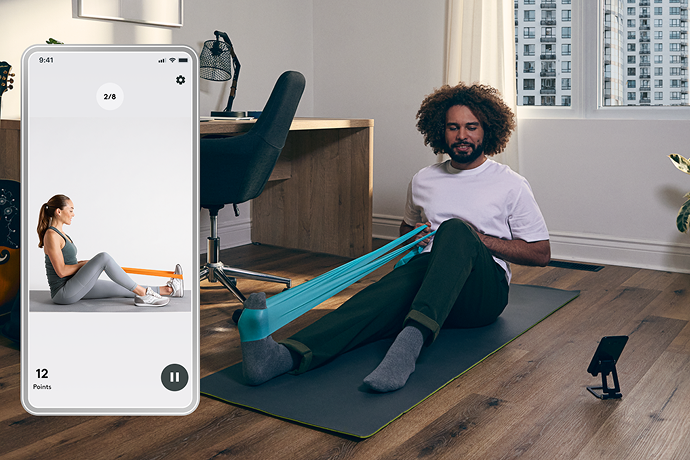
Fully covered foot or ankle pain relief
Find relief from foot pain, ankle pain, plantar fasciitis, & more.
Common causes of numbness and tingling in feet
Foot numbness and tingling are both symptoms, not diagnoses. They can happen for several reasons, from being in a prolonged position to changes in nerve function or circulation. Common causes include:
Temporary nerve pressure. Sitting cross-legged or staying in one position for a long time can temporarily affect the nerves that provide sensation to your feet. “If you sit for a while cross-legged, either in a chair or on the floor, the nerves to your feet can become so compressed that you develop numb feet,” explains Dr. Asprec. The sensation usually improves once you change positions.
Sciatica and nerve irritation. Sciatica occurs when a nerve in your lower back becomes irritated, sometimes causing pain, numbness, or tingling that travels through your buttock and down your leg into your foot, Dr. Asprec says. You may experience these sensations with or without back pain.
Herniated disc or spinal stenosis. These common spinal conditions can sometimes irritate or put pressure on nerves, causing numbness or tingling in your legs and feet. Many people have these conditions without symptoms, so imaging findings alone don’t necessarily explain numbness or tingling.
Lumbar spinal stenosis. This is a type of spinal stenosis that occurs when the spaces in your lower spine narrow, sometimes putting pressure on nearby nerves. It can cause numbness, tingling, or weakness in your legs and feet, especially when you’re standing or walking. You may find that your symptoms improve when you sit or lean forward.
Tarsal tunnel syndrome. This condition involves irritation of a nerve near the inside of your ankle. It can lead to tingling, burning, or numbness in your foot, particularly along the sole.
Peripheral neuropathy. Peripheral neuropathy affects nerves outside your brain and spinal cord. It may be associated with conditions such as diabetes or certain medical treatments, including chemotherapy. Symptoms often affect both feet and may include numbness, tingling, or burning.
Peripheral artery disease. This condition reduces blood flow to your legs and feet. It can cause discomfort, weakness, or numbness, especially during walking or other activity.
Vitamin deficiencies. Really low levels of certain nutrients, particularly vitamin B12, can affect nerve health and contribute to numbness or tingling.
Because the causes vary, understanding when and how your symptoms occur can help a healthcare provider determine the most appropriate treatment.
How movement can help numbness and tingling in feet
When foot tingling is related to temporary nerve irritation or a musculoskeletal condition, regular movement and targeted exercises can help you find more comfortable positions, improve mobility, increase blood flow to nerve pathways, and gradually build strength in your back, hips, legs, and feet.
For example, if your foot becomes tingly after sitting for a long time, standing up, taking a short walk, or changing positions may help. If symptoms are related to sciatica or another musculoskeletal condition, a physical therapist can help you find exercises that feel comfortable and support your return to everyday activities.
However, movement isn’t a treatment for every cause of foot numbness. Persistent or unexplained symptoms deserve a medical evaluation, especially when they involve both feet or are accompanied by weakness. (More on that soon).
Exercises for foot numbness and tingling
This gentle exercise moves your leg through a sequence of positions that encourage comfortable nerve movement. It may be especially useful when tingling is related to nerve sensitivity in your lower back or leg.
Want expert care?
Check if you're covered for our free programTogether, these exercises offer several ways to improve mobility and build strength. Lower body nerve glides focus on comfortable nerve movement, while bridges and ankle exercises strengthen muscles that support everyday activities. Figure four stretches, calf stretches, and child's pose can help you explore comfortable movement through your hips, ankles, and back.
The information contained in these videos is intended to be used for educational purposes only and does not constitute medical advice or treatment for any specific condition. Hinge Health is not your healthcare provider and is not responsible for any injury sustained or exacerbated by your use of or participation in these exercises. Please consult with your healthcare provider with any questions you may have about your medical condition or treatment.
Did you know?
Physical therapy (PT) is for more than just recovering from surgery or injury. It’s one of the top treatments for joint and muscle pain. It helps build strength, improve mobility, and reduce pain. And it doesn't always need to be in person.
Hinge Health members can conveniently access customized plans or chat with their care team at home or on the go — and experience an average 68% reduction in pain* within the first 12 weeks of their program. Learn more*.
Treatments for foot numbness and tingling
The most effective treatment depends on what's causing your symptoms. When numbness and tingling are related to a musculoskeletal condition, physical therapy, targeted exercises, and regular movement may help. Other causes, such as peripheral neuropathy or vitamin deficiencies, may require different treatments. Consider the following treatments:
Try physical therapy and targeted exercises. Targeted exercises help to improve strength, mobility, and confidence with movement when numbness or tingling sensations are affecting your back, legs, or feet, says Dr. Asprec. You can do exercise therapy at home or work with a physical therapist who can guide you through movements tailored to your needs. You can see a physical therapist in person or use a program like Hinge Health, where you may access a PT via telehealth/video visit.
Stay active. Everyday movement counts. Walking, stretching, and other activities you enjoy can help maintain strength and mobility. If you’ve noticed tingling after sitting for long periods, try incorporating short movement breaks throughout the day.
Consider lifestyle modifications. Factors like sleep, stress, nutrition, and certain activities can all play a role in how you feel. In fact, many people are surprised to learn that pain isn’t just about what’s happening physically — your daily habits and overall well-being can have a real impact, too. Staying curious about how your routines affect your muscles and joints can help you identify where small changes might help reduce pain. For example, you might notice your pain is less noticeable on low-stress days.
Try complementary treatments. Some people find massage or acupuncture helpful for managing discomfort that accompanies musculoskeletal conditions. “Massage loosens up muscles that restrict nerves, while acupuncture can reduce tension around a nerve,” explains Dr. Asprec. Still, evidence for treating numbness and tingling directly is limited, so these approaches are best seen as adjunctive therapies rather than substitutes for identifying the underlying cause.
Can you prevent numbness and tingling in feet?
Not every cause of foot numbness is preventable. But a few everyday habits may help reduce episodes related to prolonged positioning or musculoskeletal symptoms.
Keep moving. Regular physical activity supports strength, mobility, circulation, and overall health. Choose activities you enjoy and build up gradually.
Stay hydrated. Drinking enough water supports healthy circulation and helps maintain proper electrolyte balance that your nerves and muscles need to function. Keep water handy throughout the day, especially when you’re working out or spending time in the heat.
Change positions throughout the day. Your next position is your best position, meaning if prolonged sitting or standing triggers tingling, try getting up, walking around, or shifting positions more often.
Choose comfortable footwear. Shoes that feel too tight may contribute to tingling in your toes or feet. Look for a comfortable fit with enough room for your toes to move.
Tips to manage numbness and tingling in feet
Small adjustments to your daily routine may help you manage symptoms, especially when they’re related to temporary nerve irritation.
Take movement snack breaks. If your feet tingle after sitting for a while, try standing up, walking around, or gently moving your ankles.
Explore gentle exercises. Nerve glides, ankle movements, and other targeted exercises, such as the ones above, may help ease symptoms when they’re related to musculoskeletal conditions.
Track your symptoms. Notice whether tingling occurs during certain activities, at particular times of day, or in specific positions. Sharing these details with your healthcare provider can help identify possible causes.
Try heat or ice for comfort. Some people find temperature-based treatments soothing when tingling is accompanied by muscle discomfort. Avoid applying extreme temperatures to areas with reduced sensation, since it may be harder to tell if your skin is getting too hot or cold.
Consider wearing compression socks. If swelling or fluid buildup is contributing to pressure on nerves in your feet, compression socks may help reduce swelling and ease any discomfort in that area. Check with your healthcare provider before trying them, especially if you have circulation problems.
When to see a doctor
Occasional foot tingling that goes away after you change positions is usually not a cause for concern. But it’s important to see a healthcare provider if you notice:
Numbness or tingling that persists, keeps returning, or gets worse
Numbness that gradually spreads up your feet, legs, hands, and arms
Symptoms affecting both feet without an obvious temporary cause
Tingling accompanied by weakness, balance problems, or difficulty walking
New or worsening foot symptoms if you have diabetes or another condition that affects nerve health
Cuts, blisters, or sores on your feet that you didn't notice forming
New numbness around your groin, genitals, or buttocks, or sudden changes in bladder or bowel control
Seek emergency medical care if your numbness occurs suddenly with weakness on one side of your body, difficulty speaking, or a sudden severe headache. New numbness accompanied by loss of bladder or bowel control, particularly with back pain or numbness around the groin, also requires emergency evaluation. Sudden severe foot pain or numbness accompanied by a cold, pale foot also warrants emergency care.
PT tip: Make your workspace more comfy
“If you notice your feet get numb every time you sit down in your office, check the position of your chair and desk,” says Dr. Asprec. Aim for a setup that feels comfortable and makes it easy to change positions throughout the day. You might try resting your feet on the floor or a footrest, adjusting your chair height, or taking a short walk between tasks.
How Hinge Health can help you
If you have joint or muscle pain that makes it hard to move, you can get the relief you’ve been looking for with Hinge Health’s online exercise therapy program.
The best part: You don’t have to leave your home because our program is digital. That means you can easily get the care you need through our app when and where it works for you.
Through our program, you’ll have access to therapeutic exercises and stretches for your condition. Additionally, you’ll have a personal care team to guide, support, and tailor our program to you.
See if you qualify for Hinge Health and confirm free coverage through your employer or benefit plan here.
This article and its contents are provided for educational and informational purposes only and do not constitute medical advice or professional services specific to you or your medical condition.
Looking for pain relief? Check if your employer or health plan covers our program.
Join more than 1.2 million members and over 2,800 companies that trust Hinge Health to get relief.

Related articles

Relieve hip pain and stiffness with massage. Learn about benefits, techniques, and self-massage tips to improve mobility at home.
Read more
Learn common causes of stiff back and how to relieve it, especially with exercises recommended by physical therapists.
Read more
Spend most of your work day sitting at a desk? Here’s how to make your office setup work for you to minimize pain and discomfort while you’re on the job.
Read more
Learn how to do a side star plank to help with total body strength and endurance, plus modifications to make this exercise easier or harder.
Read moreReferences
- 1Davis, D., & Vasudevan, A. (2020, November 15). Sciatica. StatPearls Publishing. Nih.Gov. https://www.ncbi.nlm.nih.gov/books/NBK507908/
- 2National Institute of Neurological Disorders and Stroke. (2024, August 7). Peripheral neuropathy | National Institute of Neurological Disorders and Stroke. Www.Ninds.Nih.Gov. https://www.ninds.nih.gov/health-information/disorders/peripheral-neuropathy
- 3American Heart Association. (2024, October 15). About peripheral artery disease (PAD). Www.Heart.Org. https://www.heart.org/en/health-topics/peripheral-artery-disease/about-peripheral-artery-disease-pad
- 4Staff, N. P., & Windebank, A. J. (2014). Peripheral neuropathy due to vitamin deficiency, toxins, and medications. CONTINUUM: Lifelong Learning in Neurology, 20, 1293–1306. doi:10.1212/01.con.0000455880.06675.5a
- 5Dimitrova, A. (2017). Introducing a standardized acupuncture protocol for peripheral neuropathy: A case series. Medical Acupuncture, 29(6), 352–365. doi:10.1089/acu.2017.1242
- 6Mayo Clinic. (2023, May 25). Office ergonomics: Your how-to guide. Mayo Clinic. https://www.mayoclinic.org/healthy-lifestyle/adult-health/in-depth/office-ergonomics/art-20046169