Over 1 Million members trust Hinge Health, a digital clinic that provides access to virtual physical therapy, to address their joint and muscle pain.
Reduction in member pain
of licensed physical therapists and health coaches
Average star rating of the Hinge Health mobile app
Bailey JF, et al. Digital Care for Chronic Musculoskeletal Pain: 10,000 Participant Longitudinal Cohort Study. J Med Internet Res 2020;22(5):e18250.
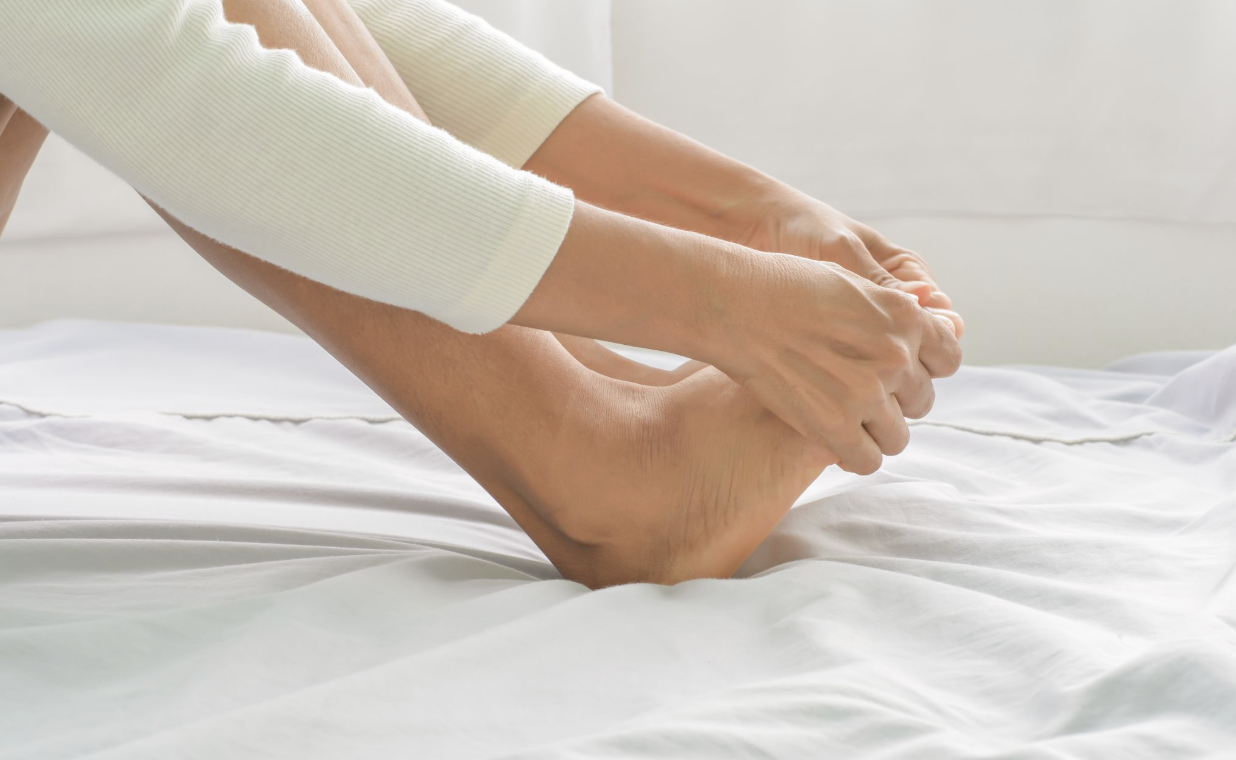
Waking up with sharp heel pain from plantar fasciitis? Learn the best sleeping positions, before-bed stretches, and morning habits to ease discomfort.
Available at $0 cost to many members
If you have plantar fasciitis, you know how much heel pain can affect your day. You may notice it as soon as you get out of bed, when a sharp jab of pain greets you as soon as your foot hits the floor.
Plantar fasciitis is one of the most common causes of heel pain. It’s common to feel some discomfort first thing in the morning because your foot has been resting for hours overnight. When you stand up, the plantar fascia (the strong band of tissue along the bottom of your foot) and surrounding muscles suddenly have to transition from a relaxed state to an active one to support your body weight and movement.
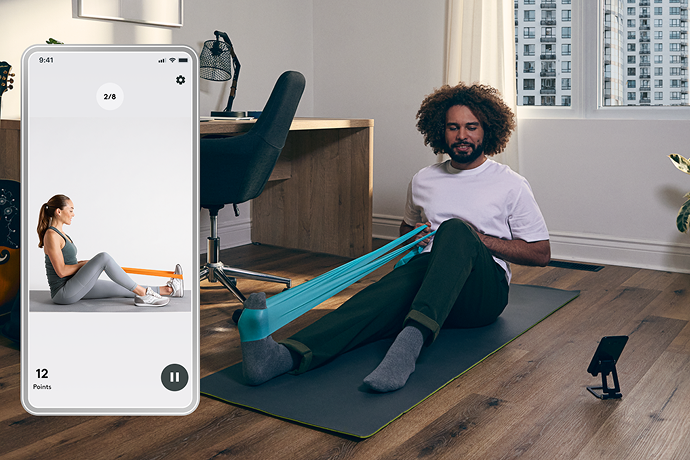
Fully covered foot or ankle pain relief
Find relief from foot pain, ankle pain, plantar fasciitis, & more.
I hear from a lot of people who dread that first step, because it can genuinely shape how the whole morning feels.
“What I remind them is that this pattern is common and very treatable. With the right nighttime setup and a bit of gentle movement, mornings tend to feel more comfortable.”
Your sleep setup, along with how you care for your feet before bed and when you wake up, may help make those first steps more comfortable. Of course, staying active remains an important part of plantar fasciitis recovery.
Ahead, learn how to sleep with plantar fasciitis, plus simple movement-based strategies recommended by Hinge Health physical therapists that can help you start your day with less pain.
Why plantar fasciitis hurts more in the morning
If your heel feels especially tender when you first get out of bed, that doesn’t mean sleeping is making your plantar fasciitis worse. In fact, getting enough quality sleep is an important part of your recovery because sleep gives your body time to rest, repair, and recover.
The morning discomfort has more to do with the transition from rest to movement. While you sleep, your foot and lower leg spend hours without bearing weight. Your heart rate and circulation also naturally slow during rest, which may slightly reduce blood flow to your hands and feet. This can temporarily affect how oxygen and nutrients reach the tissues and how efficiently fluid and inflammatory substances move away from the area. These changes may add to stiffness or sensitivity, but they aren’t the only reason morning pain happens.
When you stand up in the morning, your plantar fascia, calf muscles, and other tissues in your foot and ankle suddenly have to support your body weight again. That change in load can make those first few steps feel particularly uncomfortable when your plantar fascia is already sensitive. But that pain often starts to ease once you begin moving and your foot adjusts to activity again.
That’s why doing gentle movement before you get out of bed and during those first few minutes of your morning may help make the transition more comfortable.
Best sleeping positions for plantar fasciitis
There isn’t one “best” sleep position for plantar fasciitis. The most important thing is finding a position that allows you to sleep comfortably and get the restorative rest your body needs for recovery. If your heel pain or tightness makes it difficult to get comfortable, a few small adjustments may help support your foot and lower leg overnight.
Back sleeping. If you sleep on your back, try placing a pillow under your knees or lower legs for extra support. You can also experiment with a small pillow or rolled towel near your ankles if that takes pressure off your feet.
Side sleeping. A pillow between your knees can help support your legs and keep you comfortable while sleeping on your side. If your feet or ankles feel sensitive when they rest against each other, you can position your pillow so it provides support farther down your legs, too.
Stomach sleeping. If sleeping on your stomach is most comfortable for you, there’s no need to force yourself into another position. You might find it more comfortable to let your feet extend slightly beyond the edge of the mattress so there’s less pressure against your toes and feet.
Note: The goal isn’t necessarily to keep your foot in one specific position all night. While a supportive position may reduce strain on the plantar fascia and help limit discomfort when you first get out of bed, it’s normal for your foot to move as you sleep. The goal is overall comfort and avoiding positions that clearly increase pain, rather than trying to hold your foot perfectly still.
Other strategies to reduce plantar fasciitis pain at night and in the morning
Along with finding a comfortable sleeping position, a few other strategies can help you get restorative sleep and make the transition back to movement easier in the morning. You don’t need to follow all of these strategies, though. Consider experimenting with what feels good and fits naturally into your routine.
Prepare your feet for movement. You can help prevent pain before your feet hit the floor by warming up your foot and lower leg. Research supports stretching your calf and plantar fascia with a towel first thing before you step off the bed. Then, give yourself a moment to ease into walking. “Try not to force anything here as you gradually wake up the tissue before it has to work,” says Dr. Martinez. “Ease into it, and let the stretch stay comfortable rather than intense.”
Apply ice or heat. If your heel feels especially sore after a lot of standing or walking, applying ice or heat to the area may help temporarily ease discomfort. You can try rolling your foot over a cold or warm water bottle. Try both hot and cold options, or stick to the one that brings you the most relief.
Keep comfortable, supportive shoes nearby. If walking barefoot first thing in the morning feels uncomfortable, try slipping on cushioned sandals before you start moving around. The added cushioning and support may make those early steps feel easier.
Prioritize good sleep. Quality sleep supports your body’s natural recovery processes and can also affect how you experience pain the next day, something known as the pain-sleep cycle. If heel discomfort is disrupting your rest, small changes to your sleep routine or environment may help you. Try including sleep hygiene habits into your nightly routine, such as cooling your bedroom and powering down screens before sleep, to help prepare your body for restorative sleep.
Consider over-the-counter (OTC) medication. Pain relievers such as ibuprofen (Advil, Motrin), naproxen (Aleve), and acetaminophen (Tylenol) can help ease pain so you can do your targeted exercises and stay active when you have plantar fasciitis pain. Other options are topical NSAIDs or pain relief creams. If you have a medical condition or take other medications, check in with your provider to make sure these OTC options are safe to take.
Consider a night splint. A night splint gently holds your foot and ankle in a more flexed position while you sleep, which may help reduce first-step pain in the morning. But it’s not for everyone. One study found that adding a night splint to a structured home rehabilitation program didn’t provide significant additional benefits. If you’re interested in trying one, a physical therapist or healthcare provider can help you decide whether it makes sense for you.
Movement is the most important part of plantar fasciitis recovery
Restful sleep and the strategies above can help you feel more comfortable, while regular movement helps your foot build the strength and flexibility it needs for everyday activity. Research shows that stretching and strengthening the calf muscles and Achilles tendon, in addition to the plantar fascia, can be an important part of plantar fasciitis recovery and reducing pain.
“It can feel counterintuitive to move something that hurts, but gentle, consistent movement is often exactly what helps,” says Dr. Martinez. “You’re gradually helping the tissues in your foot and calf adapt to everyday demands. The key is starting small and staying steady rather than pushing past pain.”
Physical therapy and exercise therapy is another essential part of recovery. Targeted exercises for your calf and foot can build strength and flexibility, all while helping you become more comfortable with everyday movement.
You can do exercise therapy at home or work with a physical therapist who can guide you through movements tailored to your needs. You can see a physical therapist in person or use a program like Hinge Health, where you may access a PT via telehealth/video visit.
Did you know?
Physical therapy (PT) is for more than just recovering from surgery or injury. It’s one of the top treatments for joint and muscle pain. It helps build strength, improve mobility, and reduce pain. And it doesn't always need to be in person.
Hinge Health members can conveniently access customized plans or chat with their care team at home or on the go — and experience an average 68% reduction in pain* within the first 12 weeks of their program. Learn more*.
When to see a doctor
Plantar fasciitis often improves with simple, at-home treatments such as exercise therapy. But talk to a healthcare provider if your pain is severe, getting worse, or making everyday activities difficult. It’s also a good idea to get care if:
You’ve been consistent with home treatment for 6 to 8 weeks but aren’t noticing improvement.
Your heel pain is constant, getting worse, present at rest, or especially noticeable at night. Plantar fasciitis more often causes pain with the first steps after waking or after rest that eases as your foot warms up.
You have numbness, tingling, burning, weakness, or pain that spreads and doesn’t change with weight-bearing.
You notice significant, widespread, or increasing swelling — especially swelling that leaves a dent when pressed, or comes with warmth or redness. Mild swelling around an irritated heel can happen, but these other changes are less typical of plantar fasciitis.
Your pain began after a fall, awkward landing, direct blow, or sudden increase in activity. Seek prompt medical care if you heard or felt a pop, developed bruising or sudden swelling, or can’t put weight on your foot.
If your foot pain follows an injury and you’re unable to put weight on it, seek medical care promptly.
PT tip: Sprinkle in calf stretches throughout the day
Taking quick movement snacks throughout the day can help promote blood flow to tender areas, like your plantar fascia.
"Something that surprises people is how much a short calf stretch during the day can help, not just in the morning,” says Dr. Martinez. “A few gentle stretches while you're standing at the counter or waiting for coffee to brew can keep the tissues in your foot from tightening. Small doses spread across the day often work better than one big effort.”
How Hinge Health can help you
If you have joint or muscle pain that makes it hard to move, you can get the relief you’ve been looking for with Hinge Health’s online exercise therapy program.
The best part: You don’t have to leave your home because our program is digital. That means you can easily get the care you need through our app when and where it works for you.
Through our program, you’ll have access to therapeutic exercises and stretches for your condition. Additionally, you’ll have a personal care team to guide, support, and tailor our program to you.
See if you qualify for Hinge Health and confirm free coverage through your employer or benefit plan here.
This article and its contents are provided for educational and informational purposes only and do not constitute medical advice or professional services specific to you or your medical condition.
Looking for pain relief? Check if your employer or health plan covers our program.
Join more than 1.2 million members and over 2,800 companies that trust Hinge Health to get relief.

Related articles
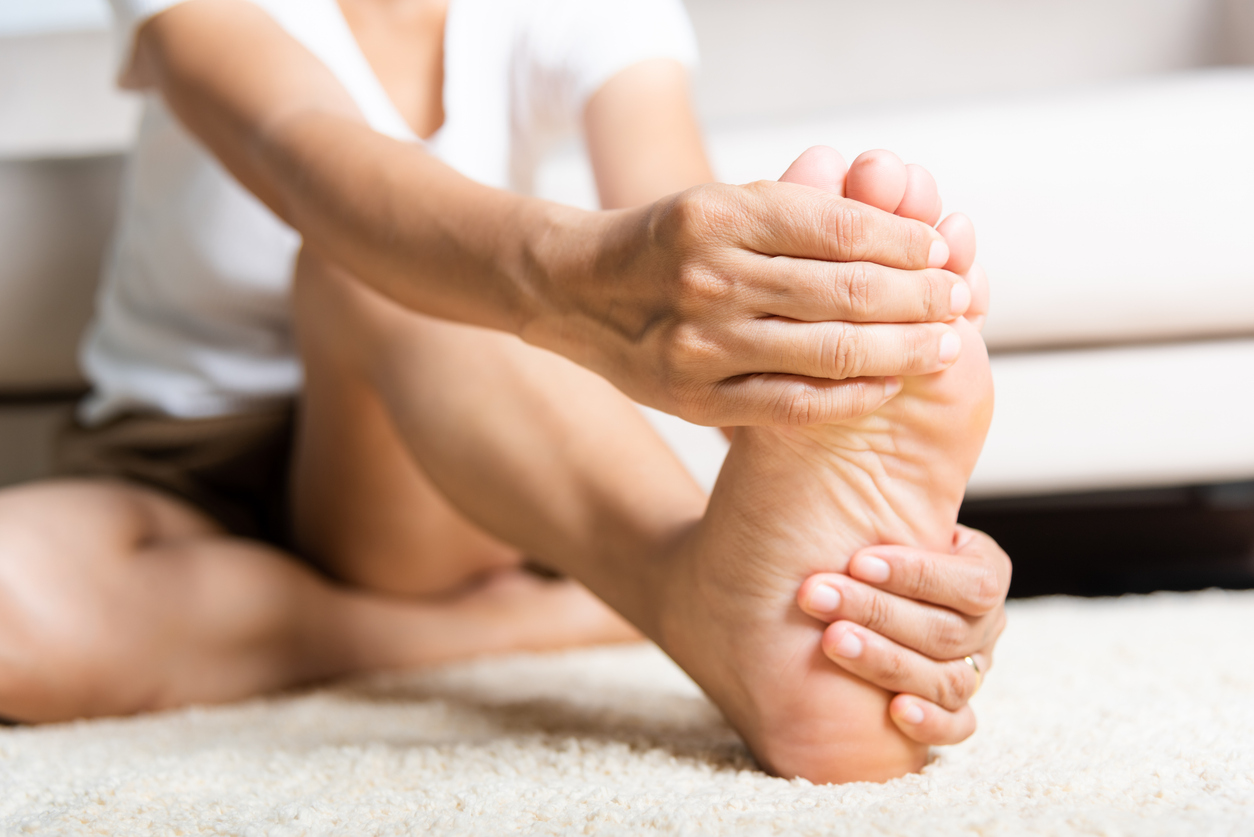
Ozempic feet can lead to more noticeable wrinkles after weight loss and even discomfort while walking. Learn what causes it, plus how to treat and prevent it.
Read more
Learn what causes weak knees, how they feel, and the best exercises and treatment options to relieve discomfort and strengthen your knees.
Read more
Physical therapy for a herniated disc helps relieve pain and restore movement. Learn what to expect and the best therapy exercises from Hinge Health experts.
Read more
Dealing with sciatica pain? Learn how physical therapy and targeted exercises can help relieve sciatic nerve pain and what to expect from treatment at home.
Read more
Learn easy exercises to do at home to manage joint pain and improve strength. Get tips on starting a beginner training routine from physical therapists.
Read moreReferences
- 1Allam, A. E., & Chang, K. V. (2024). Plantar heel pain. StatPearls. StatPearls Publishing. https://www.ncbi.nlm.nih.gov/books/NBK499868/
- 2Arif, M. A., & Hafeez, S. (2022). Effectiveness of gastrocnemius-soleus stretching program as a therapeutic treatment of plantar fasciitis. Cureus, 14(2), e22532. doi:10.7759/cureus.22532
- 3Buchanan, B. K., Sina, R. E., & Kushner, D. (2024). Plantar fasciitis. StatPearls. StatPearls Publishing. https://www.ncbi.nlm.nih.gov/books/NBK431073/
- 4Mayes, K. M. (2026). Plantar fasciitis and bone spurs. OrthoInfo—American Academy of Orthopaedic Surgeons. https://orthoinfo.aaos.org/en/diseases--conditions/plantar-fasciitis-and-bone-spurs
- 5Moyne-Bressand, S., Dhieux, C., Decherchi, P., & Dousset, E. (2018). Effectiveness of foot biomechanical orthoses to relieve patients suffering from plantar fasciitis: Is the reduction of pain related to change in neural strategy? BioMed Research International, 2018, Article 3594150. doi:10.1155/2018/3594150
- 6Schwartz, E. N., & Su, J. (2014). Plantar fasciitis: A concise review. The Permanente Journal, 18(1), e105–e107. doi:10.7812/TPP/13-113
- 7Wheeler, P. C. (2017). The addition of a tension night splint to a structured home rehabilitation programme in patients with chronic plantar fasciitis does not lead to significant additional benefits in either pain, function or flexibility: A single-blinded randomised controlled trial. BMJ Open Sport & Exercise Medicine, 3(1), e000234. doi:10.1136/bmjsem-2017-000234