Postural kyphosis: what it is, how it affects posture, and ways to support spinal health
August 25, 2026

Over 1 Million members trust Hinge Health, a digital clinic that provides access to virtual physical therapy, to address their joint and muscle pain.
Reduction in member pain
of licensed physical therapists and health coaches
Average star rating of the Hinge Health mobile app
Bailey JF, et al. Digital Care for Chronic Musculoskeletal Pain: 10,000 Participant Longitudinal Cohort Study. J Med Internet Res 2020;22(5):e18250.
Postural kyphosis can often be improved with targeted exercises and PT. Learn how movement and healthy habits can support your spinal health.
Available at $0 cost to many members
Maybe you’ve noticed that your upper back looks more rounded when you catch your reflection in a mirror. Or perhaps your back feels stiff after a long day at your desk. These can be signs of postural kyphosis, a more pronounced rounding of the upper back.
If you have postural kyphosis, there’s a lot you can do to help your back feel and move better. But can kyphosis actually be reversed? The short answer is it depends on the type you have. Postural kyphosis is often flexible and responds well to regular movement and targeted exercise, says Alexandra Jones, PT, DPT, a physical therapist at Hinge Health. “The goal isn’t perfect posture,” she says. “It’s having enough mobility and strength to move comfortably through daily activities, including exercise.”
Your spine is strong and adaptable, and it can continue to respond to movement and exercise throughout your life. Ahead, learn more about whether kyphosis can be reversed in adults and how targeted exercises, recommended by Hinge Health physical therapists, can help improve your back mobility, strength, and comfort.
Reviewed by our clinical and medical experts


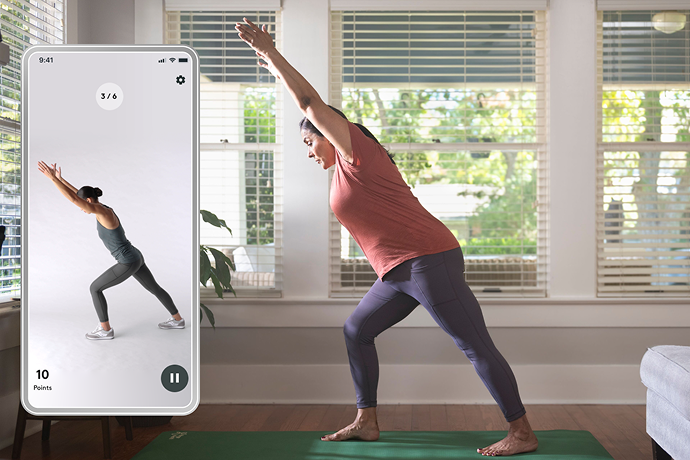
Fully covered back pain relief
Find relief from lower back pain, a thrown out back, sciatica, & more.
What is kyphosis?
Kyphosis describes the natural outward curve of your thoracic spine, or upper and middle back. When that curve becomes more pronounced, your upper back may appear more rounded. The two main types include:
Postural kyphosis. This is the most common type and is flexible, meaning the curve can change with movement or position.
Structural kyphosis. This involves changes to the vertebrae themselves, so the curve tends to be more fixed. It can develop during adolescence, as with Scheuermann’s kyphosis, or later in life after spinal changes such as osteoporosis-related fractures.
Can kyphosis be reversed?
Postural kyphosis can often become less pronounced with regular movement and targeted exercise. “It’s very responsive to exercise and physical therapy, especially when people focus on improving their upper back strength and mobility,” says Dr. Jones.
Structural kyphosis is different. Exercise generally won’t change the underlying structure of the vertebrae, but that doesn’t mean there’s nothing you can do. Building strength and mobility can help you move more comfortably, manage symptoms, and stay active.
How quickly you notice changes varies. Some people feel improvements in pain and mobility within several weeks, but consistency matters more than trying to change your posture quickly. “It’s so individual—it depends on how significant your symptoms were when you started, and how much exercise and physical therapy you’re able to incorporate into your lifestyle,” Dr. Jones says.
Can postural kyphosis be reversed in adults and older adults?
Your age doesn’t mean your posture is set in stone. Adults and older adults can still improve strength, mobility, and function, and flexible postural curves may become less pronounced with regular exercise.
One study of adults over age 60 found that a kyphosis-specific home exercise program improved posture and was associated with less pain and better self-image. “Your spine stays adaptable throughout your entire life,” says Dr. Jones.
Changes may happen more gradually as you get older, and some people may benefit from exercise modifications based on their current strength, mobility, or other health conditions. A physical therapist can help you find movements that meet you where you are and gradually build from there.
What contributes to postural kyphosis
Postural kyphosis usually isn’t linked to one single cause. Instead, several factors can affect how your upper back rests and moves over time, such as natural age-related changes and muscle imbalances. These factors include:
Spending a lot of time in one position. Your body adapts to the positions you spend time in. If much of your day involves sitting or leaning forward, your upper back may become accustomed to that position. “Your body is designed to move frequently in all positions,” says Dr. Jones.
Muscle imbalances. Your upper back, shoulder, and core muscles all help you comfortably move through different positions. If you have overly tight chest or shoulder muscles, that could be a sign that your upper back muscles aren’t taking on enough load. Building strength and endurance in these muscles can make it easier to vary your posture throughout the day.
Reduced thoracic mobility. If your mid-back feels stiff, movements like reaching, rotating, and extending through your upper back may feel more limited. Thoracic mobility exercises, such as child’s pose and scapular squeezes, can help gradually build on what feels comfortable.
Age-related spinal changes. Your spine naturally changes over time, and thoracic kyphosis can become more pronounced with age. Regular strength training and weight-bearing activity can help support your muscles and bones as you get older.
Symptoms of kyphosis
Postural kyphosis doesn’t always cause symptoms. In fact, some people have a more rounded upper back without any pain at all. When symptoms do occur, you may notice:
A more rounded upper back
Upper or mid-back pain or stiffness
Muscle fatigue after spending a long time in one position
More pronounced structural kyphosis can sometimes be associated with other symptoms, such as difficulty breathing, weakness, or numbness. These symptoms warrant a conversation with your care team.
How movement can help kyphosis
Whether or not the curve itself changes, movement can help you build a stronger, more mobile back and make everyday activities feel more comfortable. Targeted exercises can improve your upper-back mobility while strengthening the muscles in your back, shoulders, and core. “The goal is to give your body more options for how it moves rather than trying to hold one ‘perfect’ posture all day,” says Dr. Jones.
If pain or stiffness is making it harder to move, a physical therapist (PT) can help you find an appropriate starting point and gradually build strength and mobility. They can also modify exercises based on your symptoms, current abilities, and goals so you can keep doing the activities that matter to you.
Exercises for kyphosis
This gentle movement flows between rounding and arching positions. “It’s particularly good for encouraging thoracic mobility,” says Dr. Jones, making it a useful movement if your upper back feels stiff after spending a lot of time in one position.
Want expert care?
Check if you're covered for our free programTogether, these exercises help your spine move in several directions while building strength in the muscles that support it. Seated cat cow and open book rotation focus on mobility, while rows, wall angels, chin tucks, and bird dog build strength and endurance. With consistent practice, these movements can help reduce stiffness, improve function, and make it easier to move comfortably — whether or not your spinal curve itself changes.
The information contained in these videos is intended to be used for educational purposes only and does not constitute medical advice or treatment for any specific condition. Hinge Health is not your healthcare provider and is not responsible for any injury sustained or exacerbated by your use of or participation in these exercises. Please consult with your healthcare provider with any questions you may have about your medical condition or treatment.
💡Did you know?
Physical therapy (PT) is for more than just recovering from surgery or injury. It’s one of the top treatments for joint and muscle pain. It helps build strength, improve mobility, and reduce pain. And it doesn't always need to be in person.
Hinge Health members can conveniently access customized plans or chat with their care team at home or on the go — and experience an average 68% reduction in pain* within the first 12 weeks of their program. Learn more*.
Treatments for kyphosis
For many people with postural kyphosis, treatment focuses on staying active, building strength and mobility, and managing any pain or stiffness that gets in the way of daily life. Here are some strategies that may help:
Try physical therapy and targeted exercises. Targeted exercises strengthen and stretch back and shoulder muscles to better support your spine. You can do exercise therapy at home or work with a physical therapist who can guide you through movements tailored to your needs. You can see a physical therapist in person or use a program like Hinge Health, where you may access a PT via telehealth/video visit.
Stay active. Movement in general — walking, swimming, yoga — supports spinal health and helps counter the effects of prolonged sitting. “It increases blood flow to your spine, which reduces pain and makes it easier to stay active,” says Dr. Jones.
Apply heat. If your upper back feels stiff or achy, heat may help relax tense muscles and make movement more comfortable. Some people find it helpful before stretching or exercise. “It makes it more comfortable to move through a range of motion that might otherwise be challenging for you,” says Dr. Jones.
Take over-the-counter (OTC) medication as needed. Pain relievers such as ibuprofen (Advil, Motrin), naproxen (Aleve), and acetaminophen (Tylenol) can help ease pain so you can do your targeted exercises and stay active when you have back pain. Other options are topical NSAIDs or pain relief creams. If you have a medical condition or take other medications, check in with your provider to make sure these OTC options are safe to take.
Consider lifestyle modifications. Factors like ergonomics, sleep position, and screen setup can all support your posture. Staying curious about how your routines affect your muscles and joints can help you identify where small changes might help reduce pain. For example, you might notice your pain is less noticeable on low-stress days.
Consider complementary treatments. Talk to your provider if you’re interested in trying alternative treatments for kyphosis relief, such as massage, acupuncture, or chiropractic care.
Try TENS therapy. TENS, or transcutaneous electrical nerve stimulation, uses gentle pulses to quiet your pain response and help reduce pain associated with kyphosis. One option is the wearable device Enso, available through Hinge Health. It’s small, wireless, and portable.
Tips to manage kyphosis
You don’t need to constantly correct your posture to take care of your back. Small habits that give your body more opportunities to move can make a meaningful difference in how you feel. Consider the following tips:
Vary your position throughout the day. Your next position is your best position, meaning regularly shifting from one position to the next can help increase blood flow to tender areas. If you’ve been sitting for a while, stand up, stretch, walk around, or simply shift into another comfortable position. “Our bodies were designed to move,” says Dr. Jones.
Make your workspace comfortable. An ergonomic setup can make longer periods of sitting more comfortable. Position your screen and chair so you aren't repeatedly straining to see or reach what you need. “Try to make sure your spine is in an upright position without you having to strain your neck or upper back by looking in one direction for too long,” explains Dr. Jones.
Build movement into screen time. A quick stretch, walk, or a few of the exercises above can break up longer periods in one position. It doesn’t need to be a full workout to count.
Find a comfortable sleeping position. Back and side sleeping can both work well, but there’s no single “correct” sleep posture for kyphosis. Experiment with pillows and positions until you find a setup that allows you to rest comfortably. “The goal is to find a comfortable, supported position that lets your spine relax without putting extra strain on it,” says Dr. Jones.
When to see a doctor
Postural kyphosis doesn’t always require medical treatment, especially if you’re not having pain or difficulty with everyday activities. But if your back pain is severe, getting worse, or making it difficult to move or do the things you normally do, see a healthcare provider. It’s also a good idea to get care if you have:
Numbness, tingling, or weakness in your arms or legs
Difficulty breathing or chest tightness
A noticeable change in your spinal curve over a short period
Symptoms that started after a fall or other injury
PT tip: Stay consistent with movement
You don’t need long, intense workouts to support your back and all of its structures. “Small habits repeated consistently — like a quick stretch after you’ve been sitting at your computer — are more powerful than occasional intense exercise or stretching sessions,” says Dr. Jones.
Think about giving your body frequent opportunities to move rather than trying to maintain perfect posture all day. A few minutes of movement here and there can add up — and consistency gives your body time to build strength, mobility, and confidence.
How Hinge Health can help you
If you have joint or muscle pain that makes it hard to move, you can get the relief you’ve been looking for with Hinge Health’s online exercise therapy program.
The best part: You don’t have to leave your home because our program is digital. That means you can easily get the care you need through our app when and where it works for you.
Through our program, you’ll have access to therapeutic exercises and stretches for your condition. Additionally, you’ll have a personal care team to guide, support, and tailor our program to you.
See if you qualify for Hinge Health and confirm free coverage through your employer or benefit plan here.
This article and its contents are provided for educational and informational purposes only and do not constitute medical advice or professional services specific to you or your medical condition.
Looking for pain relief? Check if your employer or health plan covers our program.
Join more than 1.2 million members and over 2,800 companies that trust Hinge Health to get relief.

Related Articles

Strengthen your hips, improve your stability, and support easier movement in your everyday life with these PT-recommended gluteus medius exercises.
Read more
Learn about the importance of knee strengthening exercises and which ones are recommended by physical therapists.
Read more
Learn what causes leg and back pain from standing or walking on concrete all day, plus physical therapist-recommended tips to help you feel better.
Read more
Learn about what can cause sore hips when sitting and how to prevent and treat sore hips, especially with exercises from physical therapists.
Read more
Learn about tight shoulders, from causes to treatments, with stretches recommended by physical therapists to ease shoulder tension.
Read moreReferences
- 1Lam, J. C., & Mukhdomi, T. (2023). Kyphosis. In PubMed. StatPearls Publishing. https://www.ncbi.nlm.nih.gov/books/NBK558945/
- 2Kyphosis (roundback) of the spine - OrthoInfo - AAOS. (2010). In Aaos.org. https://orthoinfo.aaos.org/en/diseases--conditions/kyphosis-roundback-of-the-spine
- 3Li, W. Y., Lu, J., Dai, Y., Tiwari, A., & Chau, P. H. (2023). A feasibility study on home-based kyphosis-specific exercises on reducing thoracic hyperkyphosis in older adults. International Journal of Nursing Sciences, 10(2), 133–141. doi:10.1016/j.ijnss.2023.03.007
- 4Pan, F., Firouzabadi, A., Reitmaier, S., Zander, T., & Schmidt, H. (2018). The shape and mobility of the thoracic spine in asymptomatic adults – a systematic review of in vivo studies. Journal of Biomechanics, 78, 21–35. doi:10.1016/j.jbiomech.2018.07.041
- 5Symptoms of Kyphosis | Neurological Surgery. (2020). In Weillcornell.org. Weill Cornell Medicine. https://neurosurgery.weillcornell.org/condition/kyphosis-hyperkyphosis/symptoms-kyphosis
- 6Jenkins, H. J., Downie, A. S., Fernandez, M., & Hancock, M. J. (2021). Decreasing thoracic hyperkyphosis – which treatments are most effective? A systematic literature review and meta-analysis. Musculoskeletal Science and Practice, 56, 102438. doi:10.1016/j.msksp.2021.102438