Over 1 Million members trust Hinge Health, a digital clinic that provides access to virtual physical therapy, to address their joint and muscle pain.
Réduction de la douleur du membre
de physiothérapeute agréée et entraîneur en santé
Note moyenne en étoiles de l’application mobile Hinge Health
Bailey JF, et al. numérique Care for chronique musculosquelettique douleur : étude longitudinale de cohorte de 10 000 participants. J Med Internet Res 2020; 22(5) : e18250.
Hinge Health physical therapists and health coaches explain how anxiety can cause headaches, plus tips on how to alleviate them.
Available at $0 cost to many members
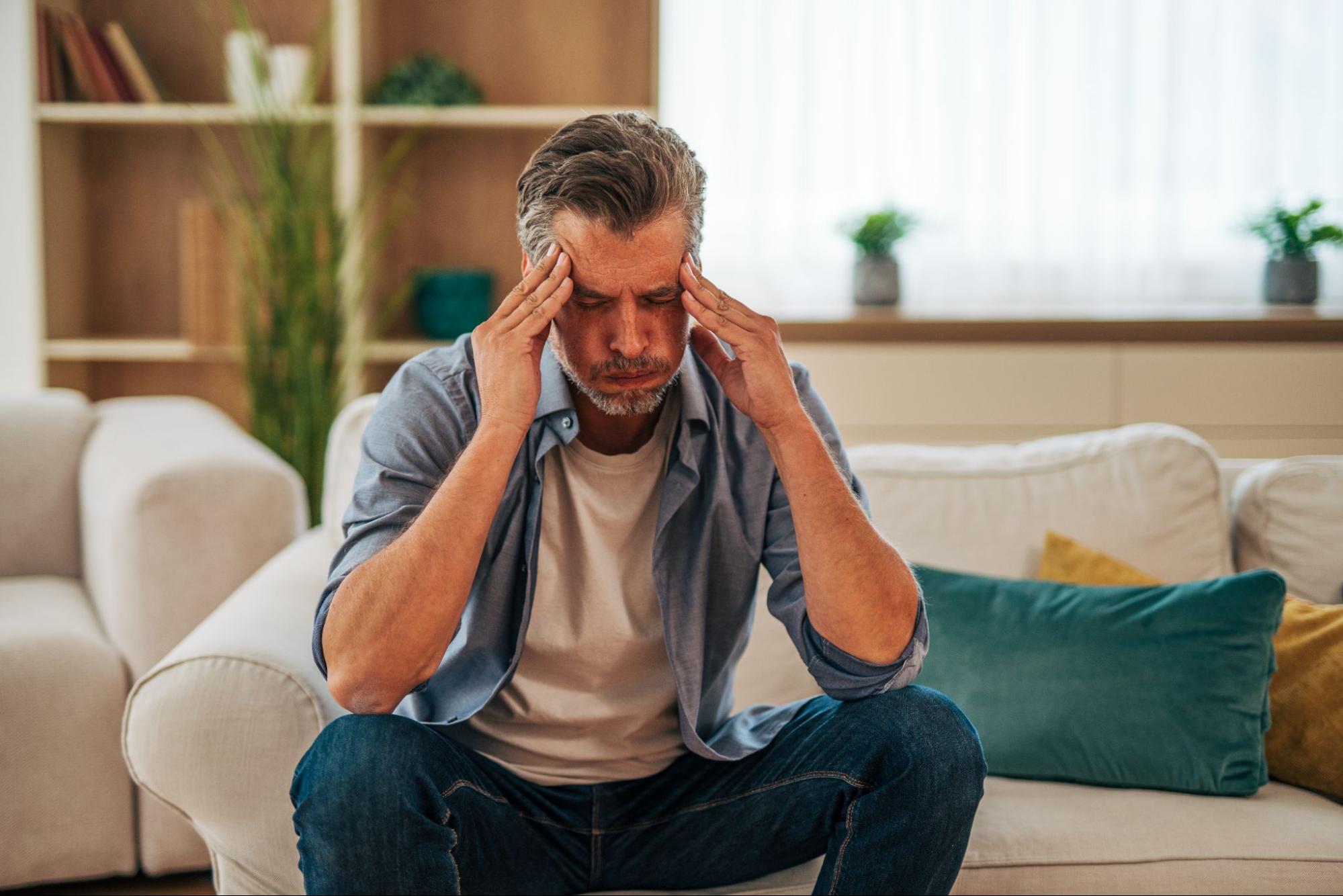
Anxiety can be a real headache — literally.
When anxiety ramps up, it doesn’t just affect your thoughts. It can show up physically, too — as a racing heart, tight muscles (or muscle spasms), body aches, stomach issues, trouble sleeping, and yes, headaches.
For some people, anxiety headaches feel like a dull pressure wrapping around the head. For others, they trigger more intense migraine-like symptoms like throbbing pain, nausea, or sensitivity to light and sound. “These headaches can be really disruptive and exhausting,” says Natalie Thornhill-Brown, a health coach at Hinge Health. “And they can often make anxiety worse, continuing the cycle.”
Anxiety headaches are both treatable and preventable. Learning how anxiety affects the nervous system — and how movement, stress management, sleep, and relaxation techniques can help — may reduce both the frequency and intensity of headaches over time.
Here’s what to know about the connection between anxiety and headaches, plus movement-based strategies for relief, recommended by Hinge Health physical therapists.
Reviewed by our clinical and medical experts




Fully covered pain relief
Find relief from muscle and joint pain.
What is an anxiety headache?
An anxiety headache is head pain that’s triggered or worsened by stress, worry, or anxiety. Most anxiety headaches are tension headaches, though anxiety can also contribute to migraines and other headache types.
Unlike headaches caused by infection, injury, or structural problems, anxiety headaches stem from changes in the nervous system and stress response. They may come on during periods of high stress, after an anxiety attack, or gradually build throughout the day.
“Anxiety activates the body’s fight-or-flight response,” explains Tyler Boyd, a physical therapist at Hinge Health. “That response increases muscle tension, stress hormones, and nervous system sensitivity, all of which can contribute to headaches.”
How anxiety and stress cause headaches
Anxiety and headaches often have a two-way relationship: Anxiety can trigger headaches, and headaches can increase anxiety.
When you’re stressed or anxious, the sympathetic nervous system — the body’s “fight-or-flight” system — becomes more active. This can lead to spikes in stress hormones like cortisol and adrenaline and can cause cause the muscles in the neck, shoulders, jaw, and scalp to tighten.
“That muscle tension is one of the biggest contributors to anxiety headaches,” says Dr. Boyd.
Stress and anxiety may also:
Increase pain sensitivity
Narrow blood vessels
Disrupt sleep
Trigger jaw clenching or teeth grinding
Increase inflammation
Make the nervous system more reactive overall
Over time, chronic stress can keep the body stuck in a heightened state of alertness and increase the chance of more frequent or severe headaches. “There’s often a cycle where people become anxious about getting another headache,” says Thornhill-Brown. “That anticipation itself can increase stress and tension in the body.”
Low serotonin levels may also play a role. Serotonin is a brain chemical involved in mood, pain regulation, and blood vessel function. Changes in serotonin are associated with both anxiety and migraine headaches.
Types of anxiety headaches
The most common types of headache all have a link to anxiety, in part because stress and anxiety are known triggers. They include:
Tension headaches. These are the most common anxiety-related headaches. They usually cause dull, steady pain or pressure on both sides of the head, often described as a tight band around the forehead or temples.
Migraines. Migraines can cause throbbing or pulsing pain, often on one side of the head. They may also trigger nausea, dizziness, and sensitivity to light, sound, or smell. Anxiety and stress are well-known migraine triggers.
Cluster headaches. Cluster headaches involve severe, stabbing pain around one eye or temple that occurs in cycles or “clusters.” Stress may worsen symptoms in some people.
Rebound headaches. Also called medication-overuse headaches, rebound headaches can happen when pain relievers are used too frequently. These headaches may occur alongside anxiety, irritability, and sleep problems.
Other symptoms of anxiety headaches
Symptoms can vary depending on the type of headache, but common anxiety headache symptoms include:
Pressure or tightness around the head
Pain in the forehead or temples
Neck and shoulder tension
Jaw clenching or teeth grinding
Throbbing or pulsing head pain
Sensitivity to light or sound
Fatigue or brain fog
Nausea or dizziness
Headaches that worsen during stressful periods
Did you know?
Physical therapy (PT) is for more than just recovering from surgery or injury. It’s one of the top treatments for joint and muscle pain. It helps build strength, improve mobility, and reduce pain. And it doesn't always need to be in person.
Hinge Health members can conveniently access customized plans or chat with their care team at home or on the go — and experience an average 68% reduction in pain* within the first 12 weeks of their program. Learn more*.
Treatments for anxiety headaches
Managing anxiety headaches usually involves treating both the headache symptoms and the underlying stress or anxiety contributing to them. Consider these simple, at-home treatments recommended by Hinge Health experts:
Try cognitive behavioral therapy (CBT). CBT helps you become more aware of your thoughts and behaviors so you can change them and reduce your anxiety. “It’s so important to learn to monitor your thoughts and have them work for you as opposed to against you,” says Thornhill-Brown.
Practice mindfulness and breathing exercises. These practices reduce the brain’s stress response. “When your sympathetic nervous system is on overdrive, these practices help swing the pendulum in the opposite direction to promote relaxation,” says Dr. Boyd.
Regular movement. Exercise can help relieve anxiety-related headaches by stimulating endorphin production, easing stress, and reducing muscle tension. “Regular movement is important, but aerobic exercise — which releases endorphins to improve mood — is particularly effective at calming anxiety,” says Dr. Boyd. Sitting too much is associated with increased anxiety, so he recommends taking a movement snack break (a quick stretch or desk exercise) every 30 minutes or so. Incorporating more movement can ease the headache-inducing strain on neck and upper back muscles caused by long periods of sitting.
Take over-the-counter (OTC) medication. Pain relievers such as ibuprofen (Advil, Motrin), naproxen (Aleve), and acetaminophen (Tylenol) can help ease pain so you can do your targeted exercises and stay active when you have an anxiety headache. If you have a medical condition or take other medications, check in with your provider to make sure these OTC options are safe to take.
Prioritize hydration and nutrition. Research suggests there’s a connection between anxiety and dehydration, so drinking enough water may be a simple way to reduce anxiety and anxiety headaches. Eating regularly and prioritizing whole foods can help prevent blood sugar fluctuations, inflammation, and nutrient deficiencies associated with anxiety and headaches.
Adopt calming sleep hygiene practices. Sleep hygiene rituals such as sticking to a sleep schedule, cooling your bedroom temperature, and engaging in calming pre-bedtime stretching routines can help lower stress hormones and improve emotional resilience, Thornhill-Brown says.
Consider complementary treatments. Talk to your provider if you’re interested in trying alternative treatments for headache relief, such as massage, acupuncture, or chiropractic care.
Talk to your doctor about anxiety medication. For some people, treating the underlying anxiety can significantly reduce headache frequency and intensity. Your healthcare provider can help determine whether medications such as anti-anxiety medications or antidepressants — including SSRIs or SNRIs — may be appropriate based on your symptoms, health history, and headache patterns.
How to prevent headaches caused by anxiety
While you can’t always avoid anxiety-inducing situations and stressful moments, there are proactive strategies you can take to help reduce the frequency and intensity of anxiety-related headaches. Consider these tips:
Practice daily stress management techniques. These practices, which include progressive muscle relaxation (tensing and then relaxing muscle groups one at a time) and aromatherapy, activate the body’s relaxation response and help you focus on the present rather than get caught up in worries about the past or future. They can also interrupt the anxiety-pain cycle and ease your perception of pain.
Maintain a consistent sleep schedule and prioritize rest. Anxiety can get worse at night, but sticking to a sleep routine regulates your body’s internal clock and signals that it’s time to wind down, creating a sense of predictability that promotes deep sleep — a natural anxiety inhibitor. “You’ll feel more equipped to handle stress when you’re well-rested,” says Thornhill-Brown.
Stay hydrated and eat balanced meals. Anxiety can lead to headache triggers like unhealthy eating habits and skipping meals, creating a cycle that can create the perfect storm for an anxiety headache. Try to drink water consistently throughout the day, even before you feel thirsty, and eat regular meals to avoid drops in blood sugar that may trigger anxiety. Focus on consuming mood-supporting foods like whole grains, fatty fish, nuts, seeds, and berries to help prevent anxiety symptoms, such as headaches.
Limit caffeine consumption. Caffeine is a stimulant that can exacerbate anxiety symptoms, especially when more than 400 milligrams (or more than four cups) is consumed daily.
Stay active. Regular exercise is a known stress reliever and can help reduce anxiety-related headaches over time. Begin with low-impact activities like walking, slow weight training, and using an elliptical trainer. We tend to store a lot of anxiety in our shoulders and neck, so stretching these areas can help relax both your mind and body.
When to see a doctor
Anxiety headaches often improve on their own with simple at-home treatments. But if your headache pain is moderate to severe, getting worse, or causing difficulty with daily activities, see a healthcare provider. It’s also a good idea to get care if you have unanswered questions or concerning symptoms, including:
Sudden, severe “thunderclap” headaches
Fever, confusion, or stiff neck (possible signs of infection)
Weakness, numbness, or vision changes
Headaches after a head injury
Regular need for pain medications
PT tip: Disconnect from anxiety
If you feel your anxiety starting to spiral, try creating a mental and physical space from the stressor. “Go for a walk, stretch, listen to music or a podcast, pet your dog — anything that helps take you out of the cycle for a few minutes,” says Dr. Boyd. Even small moments of movement and distraction can help calm the nervous system and reduce tension before it builds into a headache.
How Hinge Health can help you
If you have joint or muscle pain that makes it hard to move, you can get the relief you’ve been looking for with Hinge Health’s online exercise therapy program.
The best part: You don’t have to leave your home because our program is digital. That means you can easily get the care you need through our app when and where it works for you.
Through our program, you’ll have access to therapeutic exercises and stretches for your condition. Additionally, you’ll have a personal care team to guide, support, and tailor our program to you.
See if you qualify for Hinge Health and confirm free coverage through your employer or benefit plan here.
This article and its contents are provided for educational and informational purposes only and do not constitute medical advice or professional services specific to you or your medical condition.
Looking for pain relief? Check if your employer or health plan covers our program.
Join more than 1.2 million members and over 2,800 companies that trust Hinge Health to get relief.
Related articles
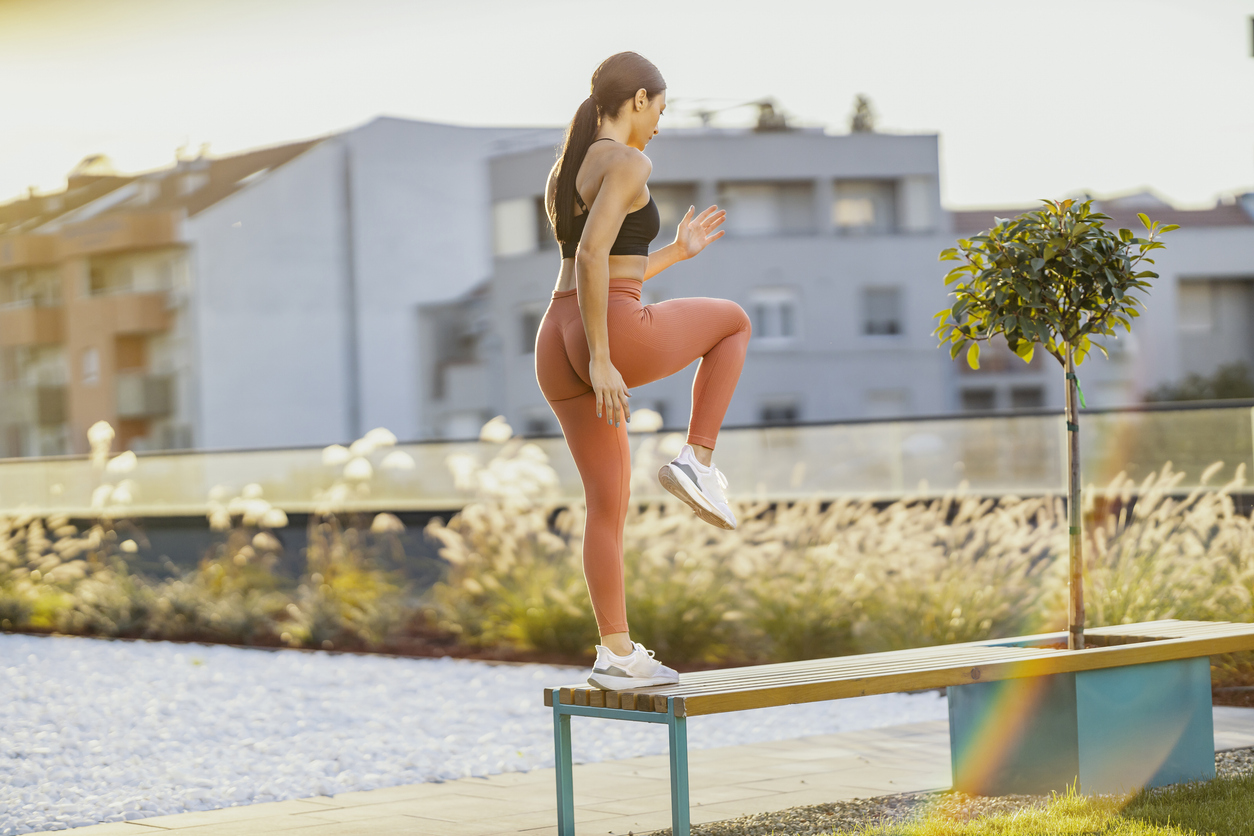
Try these physical therapist-backed rectus femoris exercises to rebuild leg strength after injury and support daily activities like climbing stairs.
Read more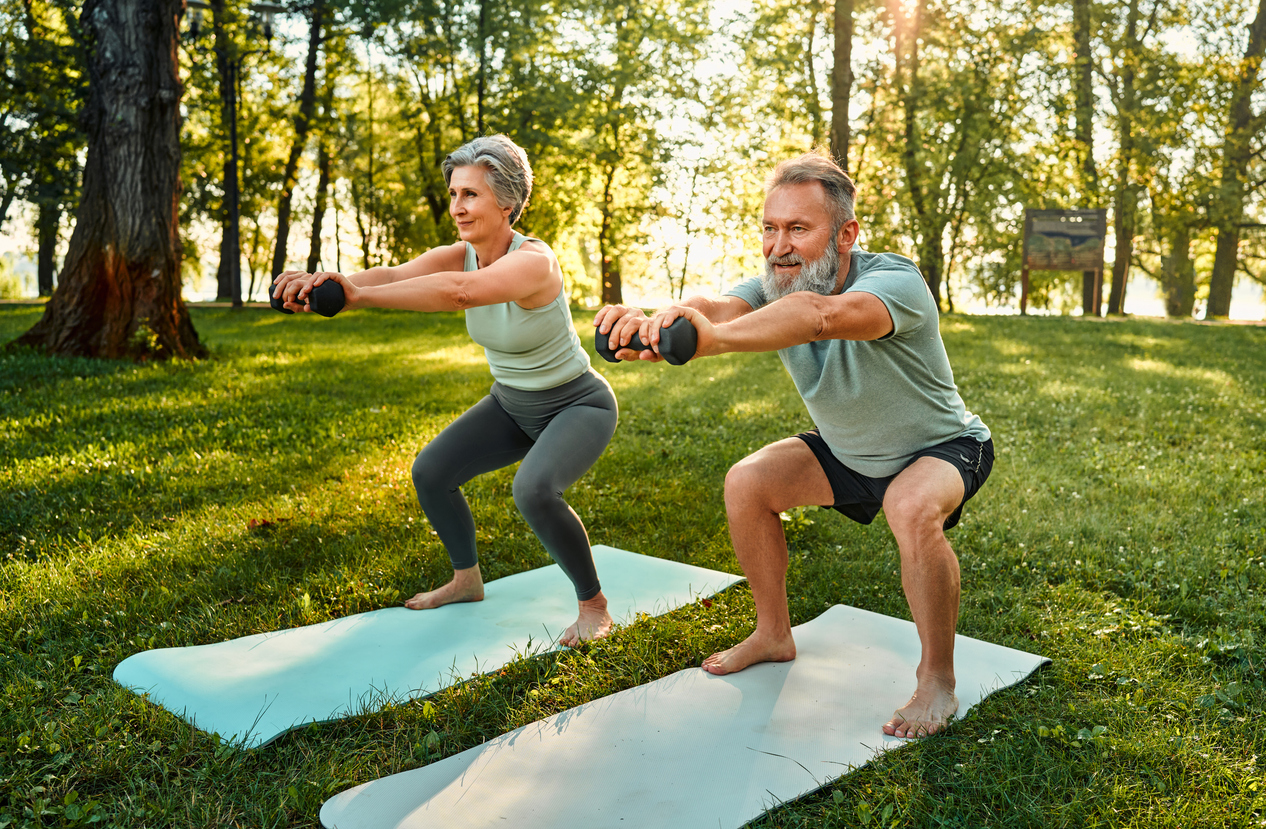
Learn about the importance of knee strengthening exercises and which ones are recommended by physical therapists.
Read more
Learn common symptoms and causes of a calf strain and how to treat it at home, especially with exercises from physical therapists.
Read more
Learn what happens when you sprain your wrist and get tips for treating wrist pain, including exercises from our physical therapists.
Read moreReferences
- 1Liu, C., Wang, L., Zhang, C., Hu, Z., Tang, J., Xue, J., & Lu, W. (2024). Caffeine intake and anxiety: a meta-analysis. Frontiers in Psychology, 15(1270246). doi:10.3389/fpsyg.2024.1270246
- 2Liska, D., Mah, E., Brisbois, T., Barrios, P. L., Baker, L. B., & Spriet, L. L. (2019). Narrative Review of Hydration and Selected Health Outcomes in the General Population. Nutrients, 11(1), 70. doi:10.3390/nu11010070
- 3Yum, J., & Chu, M. K. (2025). Unraveling the connections between migraine and psychiatric comorbidities: A narrative review. Brain and Development, 47(4), 104392. doi:10.1016/j.braindev.2025.104392
- 4Teychenne, M., Costigan, S. A., & Parker, K. (2015). The association between sedentary behaviour and risk of anxiety: a systematic review. BMC Public Health, 15(1). doi:10.1186/s12889-015-1843-x
- 5Childs, E., & de Wit, H. (2014). Regular exercise is associated with emotional resilience to acute stress in healthy adults. Frontiers in Physiology, 5(161). doi:10.3389/fphys.2014.00161