From Prescription to Prevention: Building a Holistic, Cost-Effective Obesity Care Model with Movement
September 2, 2025
GLP-1s are reshaping obesity care by driving measurable results, but they also raise important questions about long-term value, cost, and health equity. As more people turn to these medications, employers and health plans must ask a critical question: How can we help our populations achieve sustainable weight loss and metabolic health without becoming financially dependent on expensive medications?
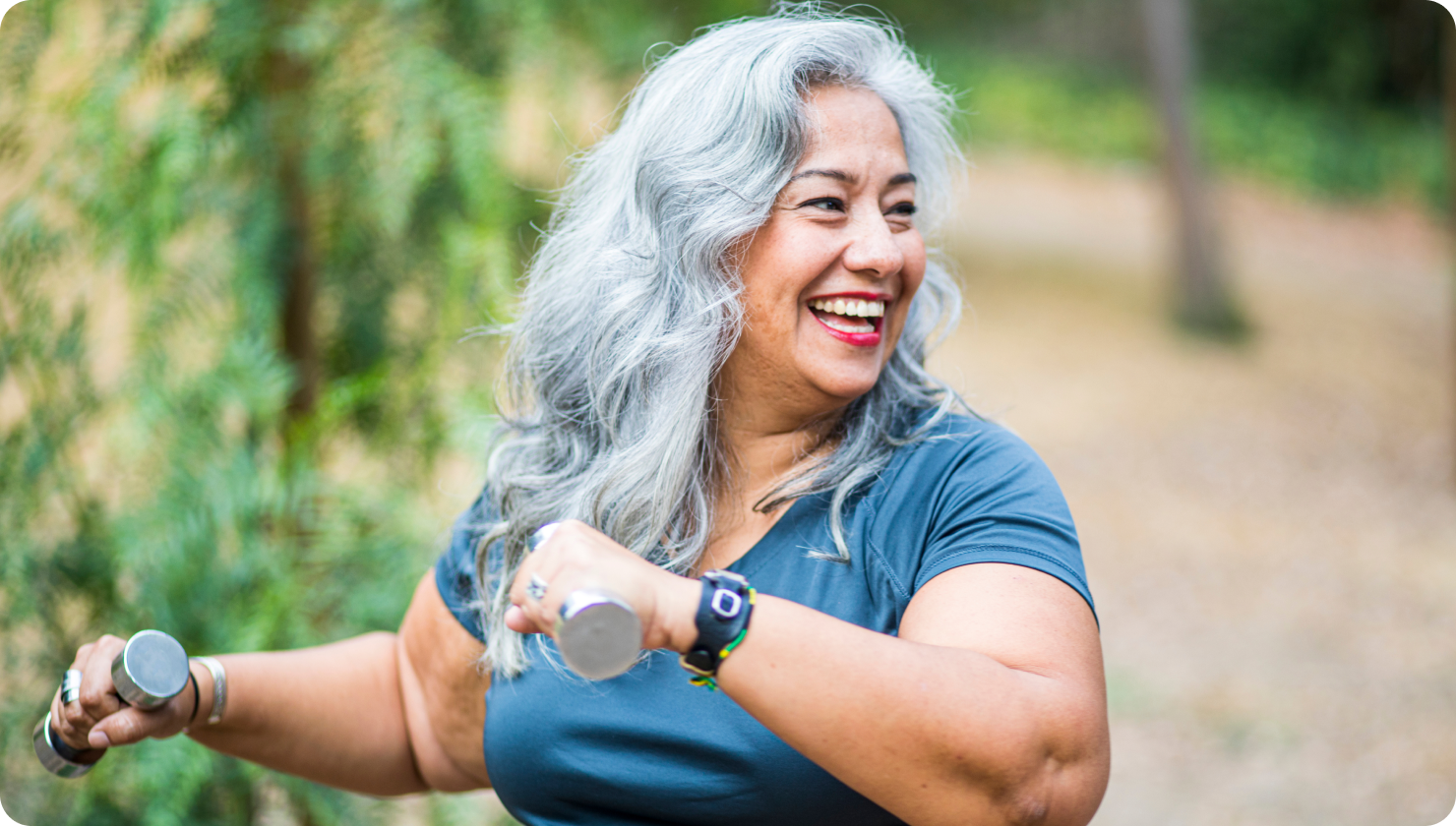
At Hinge Health, we believe one key piece often gets overlooked: movement. By prioritizing physical activity—whether employees are taking GLP-1s or not—organizations may be able to drive lasting outcomes, cut costs, and promote a culture of holistic well-being.
GLP-1s: Impressive Results, Rising Concerns
There’s no doubt GLP-1s have enabled many to lose weight and better manage blood sugar. Nearly 1 in 60 Americans are now taking a GLP-1 medication,¹ and employers across industries are seeing a surge in utilization, leading to rapidly rising costs. GLP-1s accounted for two of the top four total drug spend categories in 2023.²
Yet, clinical experts and plan sponsors are raising key questions about the sustainability of those costs. Importantly, initial weight lost while taking GLP-1s is often regained quickly when medications stop. That shows that employers can’t simply prescribe their way out of these epidemics.
Movement: The Foundation for Lasting Weight Loss
Physical activity is powerful medicine. Decades of research have shown that regular movement—walking, cycling, group classes, dancing, strength training, and even simple daily steps—can help:
Accelerate fat loss and preserve muscle mass
Boost metabolism and energy
Improve insulin sensitivity and blood sugar control
Support mood, stress reduction, and overall well-being
Prevent weight regain after stopping medications like GLP-1s
The most effective care models are holistic—combining medication, lifestyle changes, coaching, digital support, and equity-centered engagement. Employees who combine GLP-1 use with physical activity and healthy nutrition see better long-term outcomes, including reduced risk of weight regain and improved metabolic metrics.³
Integrating movement into daily routines is accessible and cost-effective, regardless of an individual’s starting point. Even modest increases in movement yield significant benefits, whether someone is brand new to exercise, starting GLP-1s, or ready to taper off medication.

Three Ways a Movement-First Approach Makes a Difference
A movement-first strategy optimizes GLP-1 utilization and delivers value in three important ways:
Drug-free alternative: For many, movement alone, when encouraged and supported, enables sustainable weight loss and glycemic control—no medication needed.
Better long-term results: For those on GLP-1s, activity programs facilitate drug efficacy, support overall health, and improve the likelihood of long-term success.
A safe GLP-1 off-ramp: When it’s time to deprescribe, movement habits help prevent weight regain and keep health improvements intact, reducing relapse and repeat costs.
As discussed in this Accolade article, “members who receive integrated, proactive care management—combining clinical, behavioral, and movement-based interventions—are far more likely to succeed, and far less likely to require a life-long prescription.” For employers, investing in a strategic, multidisciplinary approach is key to maximizing ROI and achieving better outcomes.
Equity and Personalization Matter
A movement-based approach recognizes that every individual’s daily reality is unique. Some have access to parks, gyms, or safe sidewalks—others do not. Effective programs meet people where they are, whether that means online exercise classes, walking at lunch, stretching at their desk, or building movement into everyday routines.
Virtual care and wellness models can deliver culturally competent guidance, tailored activity plans, and practical tips for increasing movement in a way that honors each person’s circumstances and culture. “One-size-fits-all” approaches create equity gaps, while personalized, culturally sensitive solutions engage more employees and improve results across populations.
Beyond Medication—A Sustainable Path Forward
GLP-1s have a place in obesity and diabetes care, but movement is the foundation for lasting change. Sustainable care means empowering employees with tools, support, and motivation—not just prescriptions.
For employers, investing in movement-based solutions isn’t just good medicine—it’s smart business. By making physical activity the cornerstone of your benefits strategy, you can promote healthier, happier employees and control pharmacy costs without sacrificing results.
Related articles

Discover how weight loss from Ozempic impacts musculoskeletal health. Get expert tips to navigate Ozempic and muscle loss for optimal results.
Read more- 1The GLP-1 challenge: Finding a balanced approach to employee access and cost control
- 2The 25 Most Popular Drugs by U.S. Spending
- 3Nutritional priorities to support GLP-1 therapy for obesity: a joint Advisory from the American College of Lifestyle Medicine, the American Society for Nutrition, the Obesity Medicine Association, and The Obesity Society. Mozaffarian, Dariush et al.